Ingredient
Licorice root
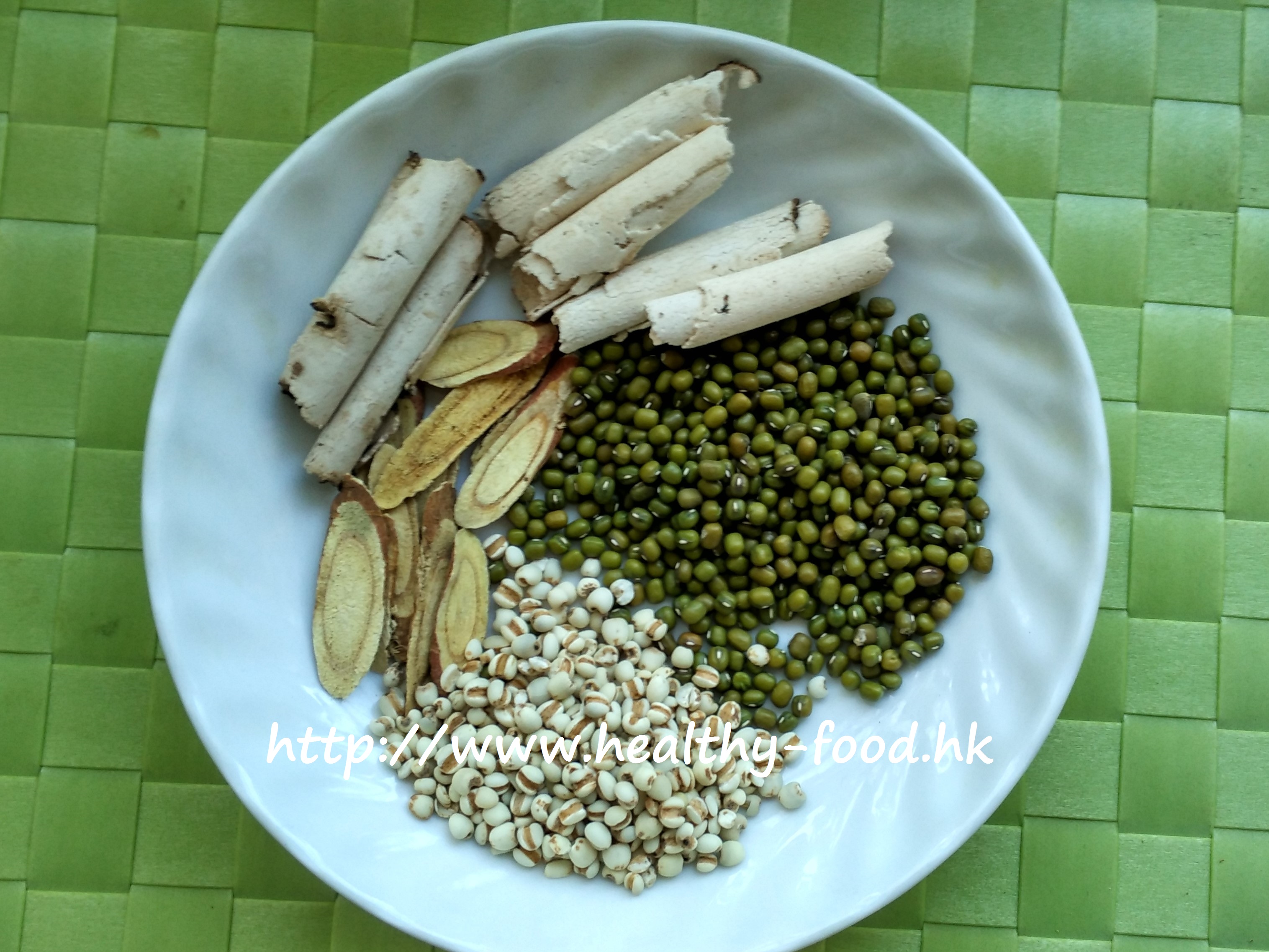
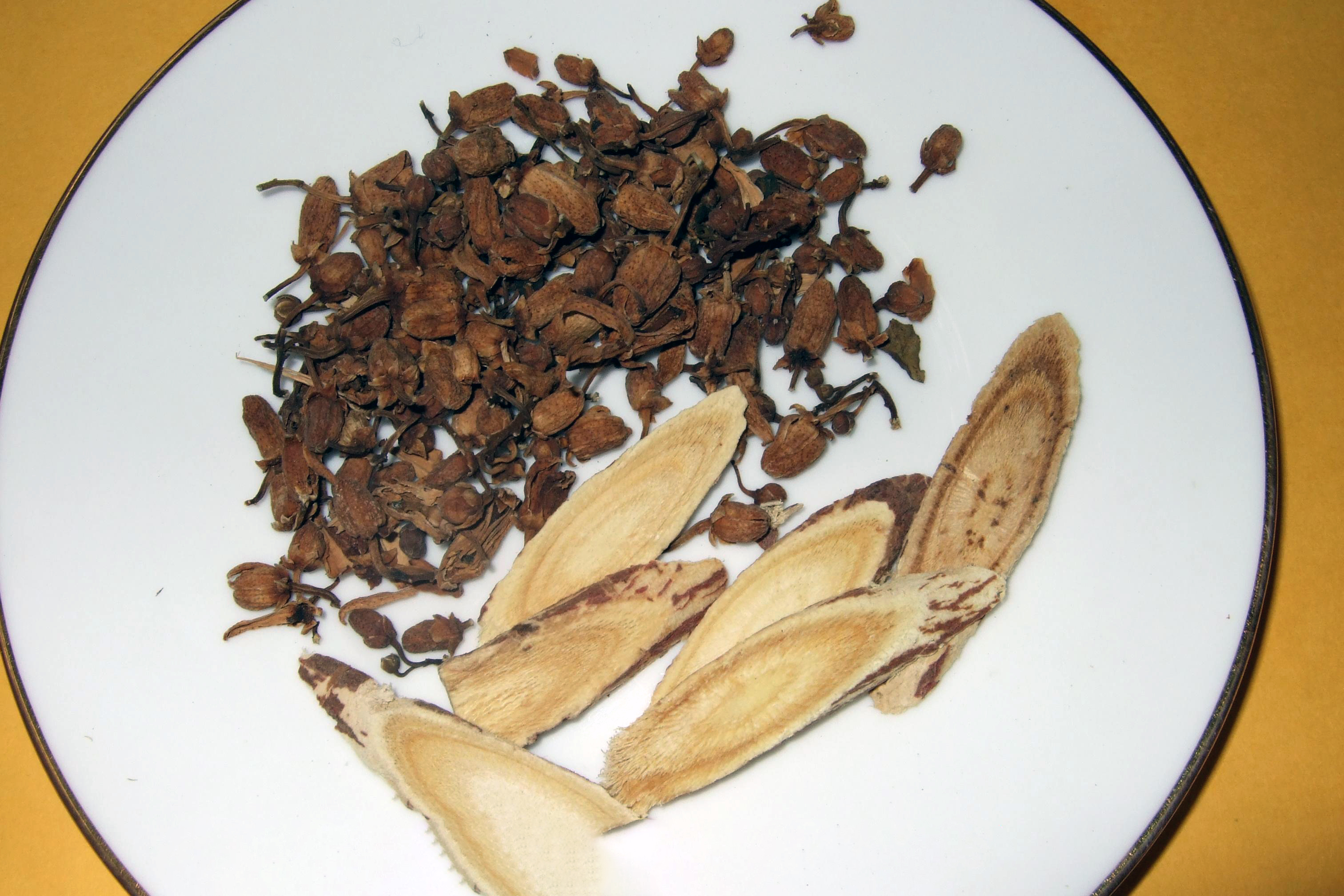
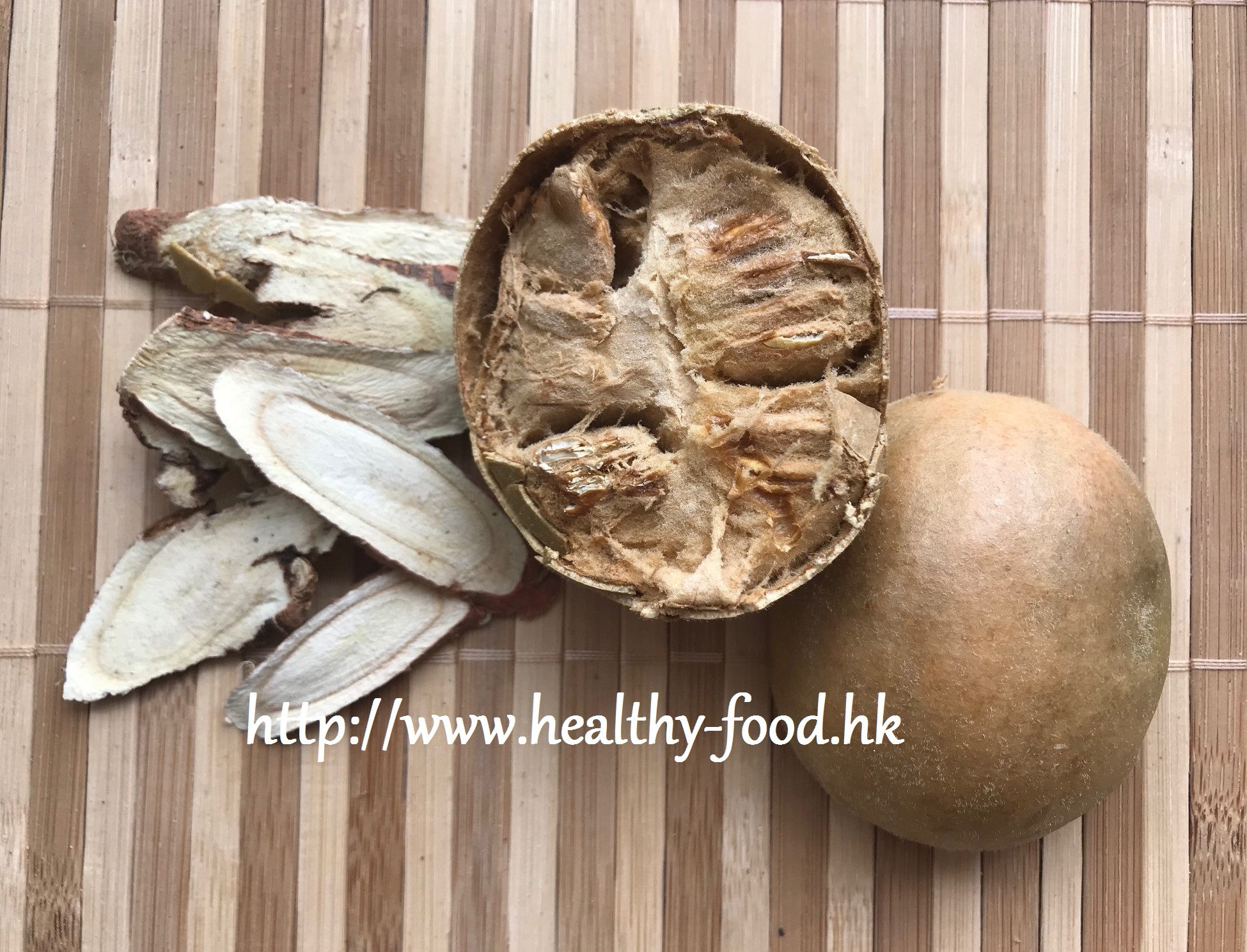
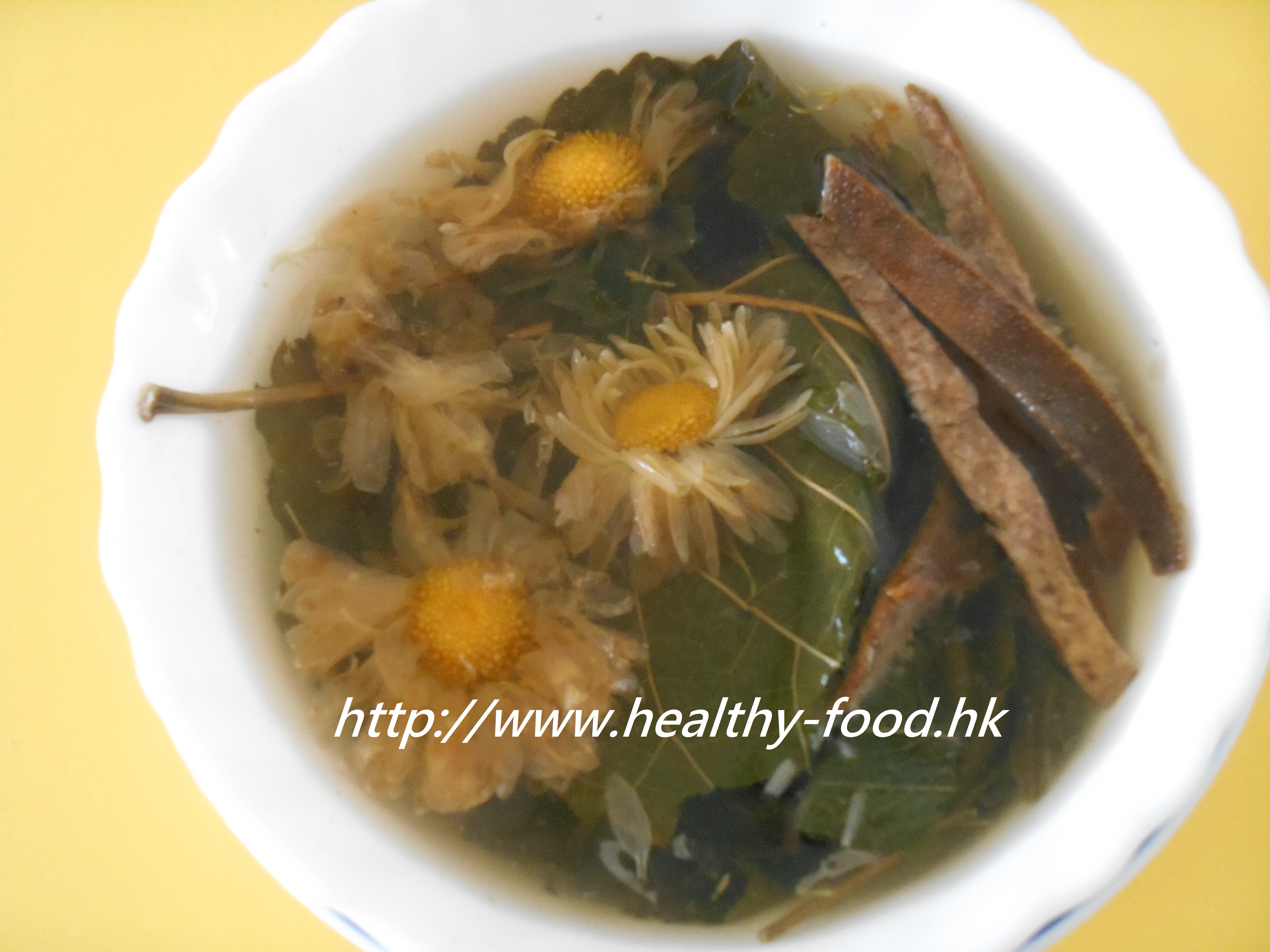
Licorice root is a wholesome ingredient featured in 25 Nourilo recipes — most often in herbal & flower teas, soups and tonic drinks & waters. It is traditionally enjoyed as part of a balanced diet.
Licorice root recipes for
What human studies say about licorice root
- Dental caries bacteria · Systematic review · 2020
The review qualitatively synthesised six studies and concluded that licorice extracts were associated with lower Streptococcus mutans counts in children. It did not report a pooled estimate. Limitation: Only PubMed and Google Scholar were searched, there was no meta-analysis, and the included studies were small; the abstract reports no caries outcomes or risk-of-bias assessment. PubMed 33402612 - Obesity and metabolic markers · Randomized controlled trial, 66 participants · 2024
Compared with placebo plus the same low-calorie diet, licorice extract was associated with greater improvements in body weight, BMI, body fat, lipid profile, fasting glucose, insulin and HOMA-IR at 8 weeks. Limitation: Small sample, short 8-week duration, and an extract dose that is not comparable to licorice eaten as food; the authors call for confirmatory research. PubMed 39080737 - H. pylori eradication · Randomized controlled trial, 120 participants · 2016
H. pylori eradication was 83.3% with licorice added to the standard triple regimen versus 62.5% with the regimen alone, a statistically significant difference assessed six weeks after therapy. Limitation: The abstract does not describe blinding or the licorice dose and preparation, and it reports only a simple comparison without adjustment. PubMed 27614124 - Blood pressure (safety) · Non-randomized clinical trial · 2017
Compared with a control group, two weeks of liquorice intake raised systolic and diastolic blood pressure, systemic vascular resistance, extracellular fluid volume and arterial stiffness measures. Limitation: Only 22 volunteers ate liquorice, they were not randomised against controls, and exposure lasted two weeks, so longer-term effects are unknown. PubMed 28887501
Most studies used extracts or doses that differ from home cooking. Full details in the Nourilo Research Library.
Safety: Contains glycyrrhizin. Large amounts or long-term use have been linked to raised blood pressure and irregular heartbeat, and even smaller amounts have caused problems in people with high blood pressure, heart or kidney conditions, or a high-salt diet. Large amounts are unsafe in pregnancy, and it can interact with corticosteroids. Source: NIH NCCIH — Licorice Root
Recipes with Licorice root
Four Gentlemen Decoction (Si Jun Zi Tang)
Gang Mei Root & Lean Pork Soup
Job's-Tears, Red-Bean and Mung-Bean Soup with Licorice
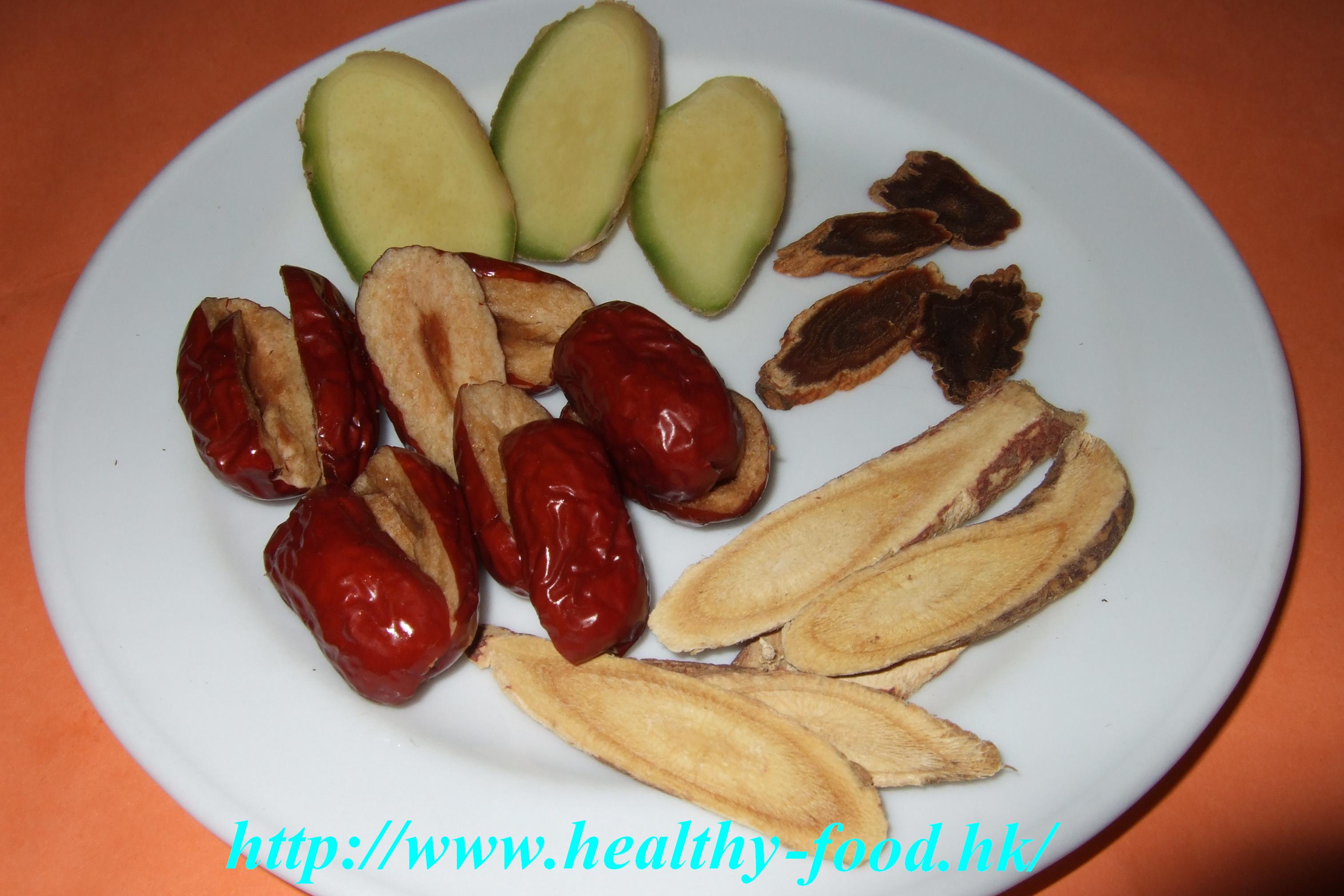
Ginger, Red Date, Licorice and Ginseng Tea
Mulberry, Chrysanthemum, Honeysuckle and Astragalus Tea
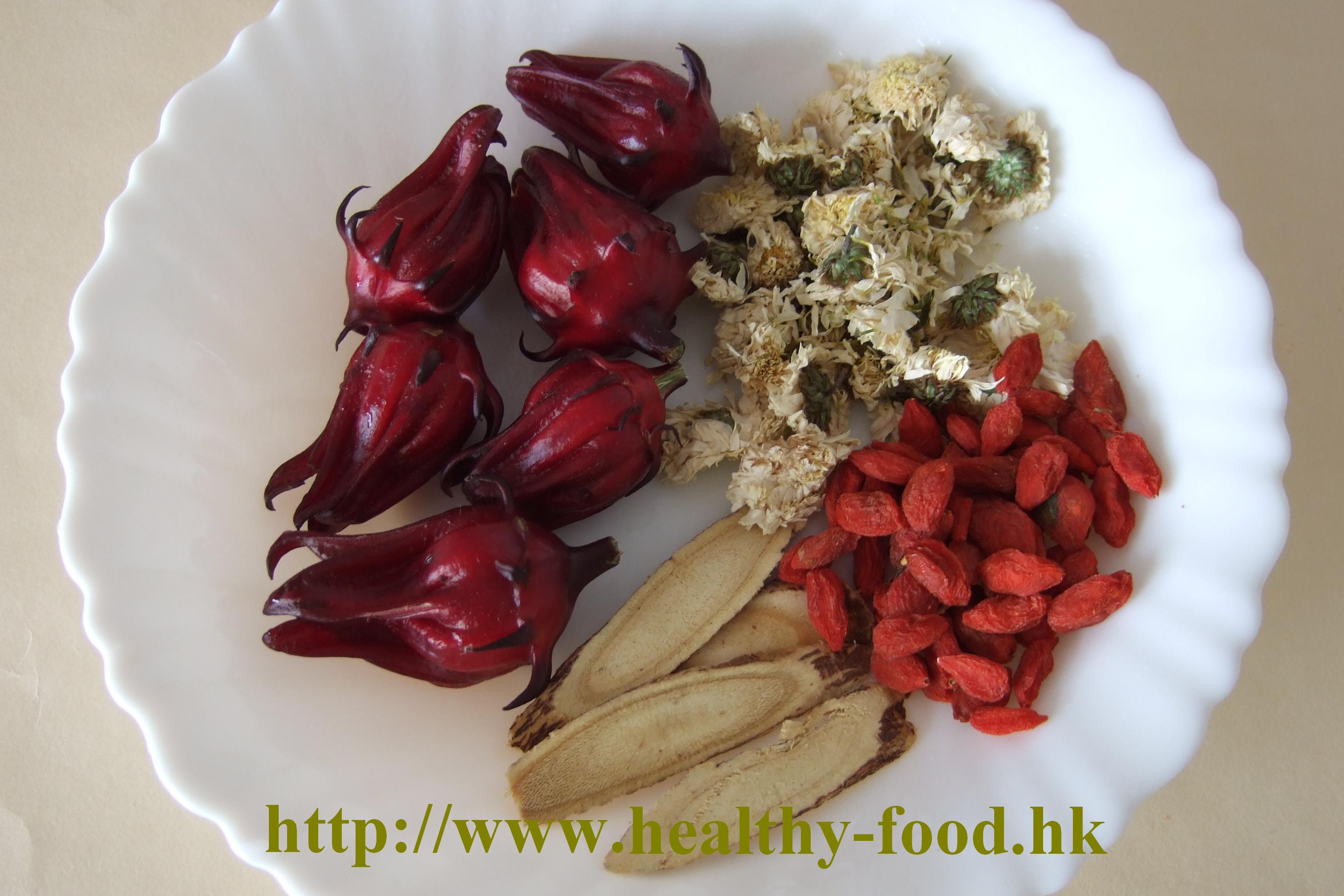
Roselle, Licorice, Goji and Chrysanthemum Tea
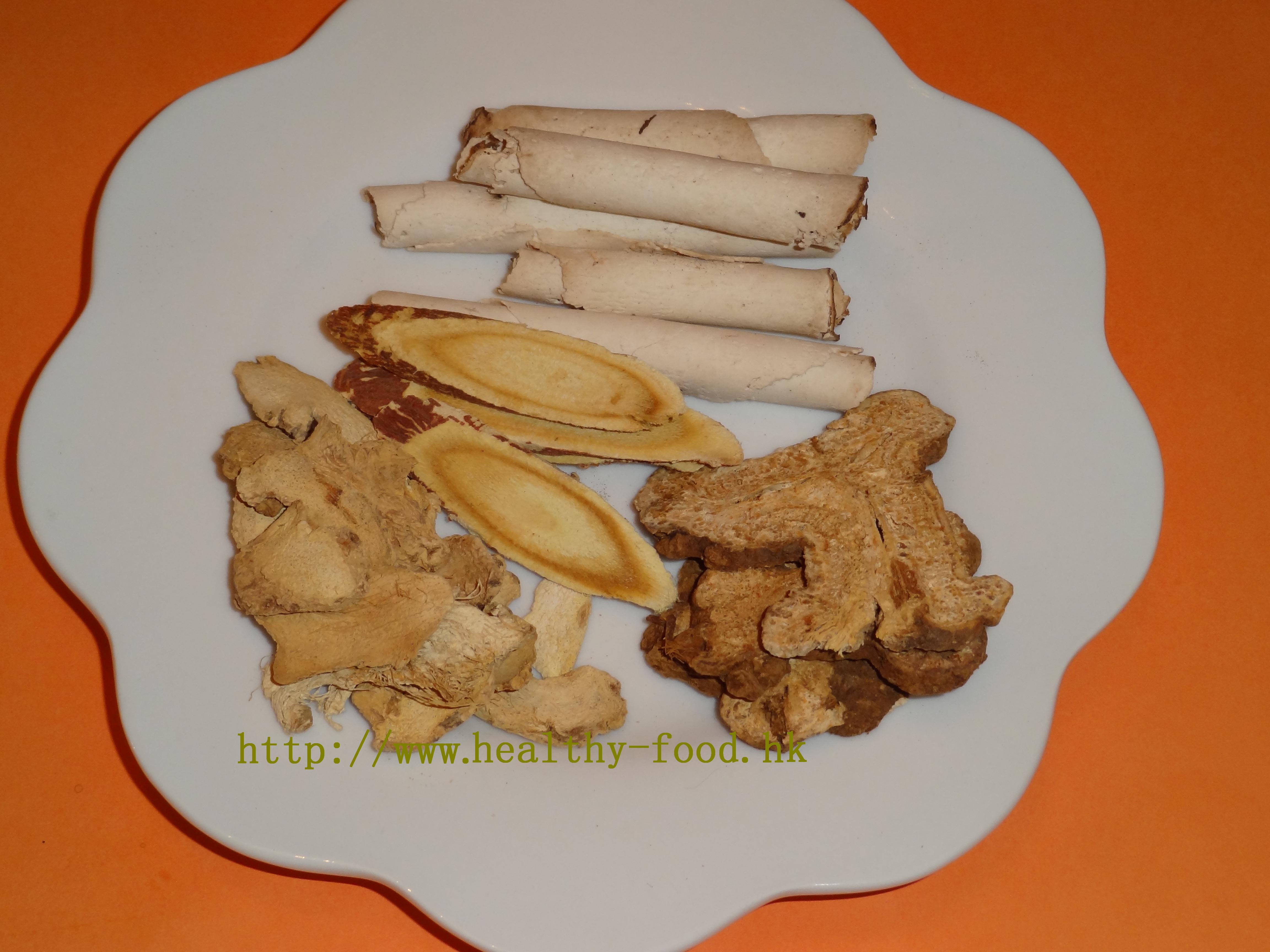
Dried Ginger, Poria, Atractylodes and Licorice Soup
Dried Ginger, Licorice and Poria Soup
Scrophularia, Ophiopogon and Licorice Tea
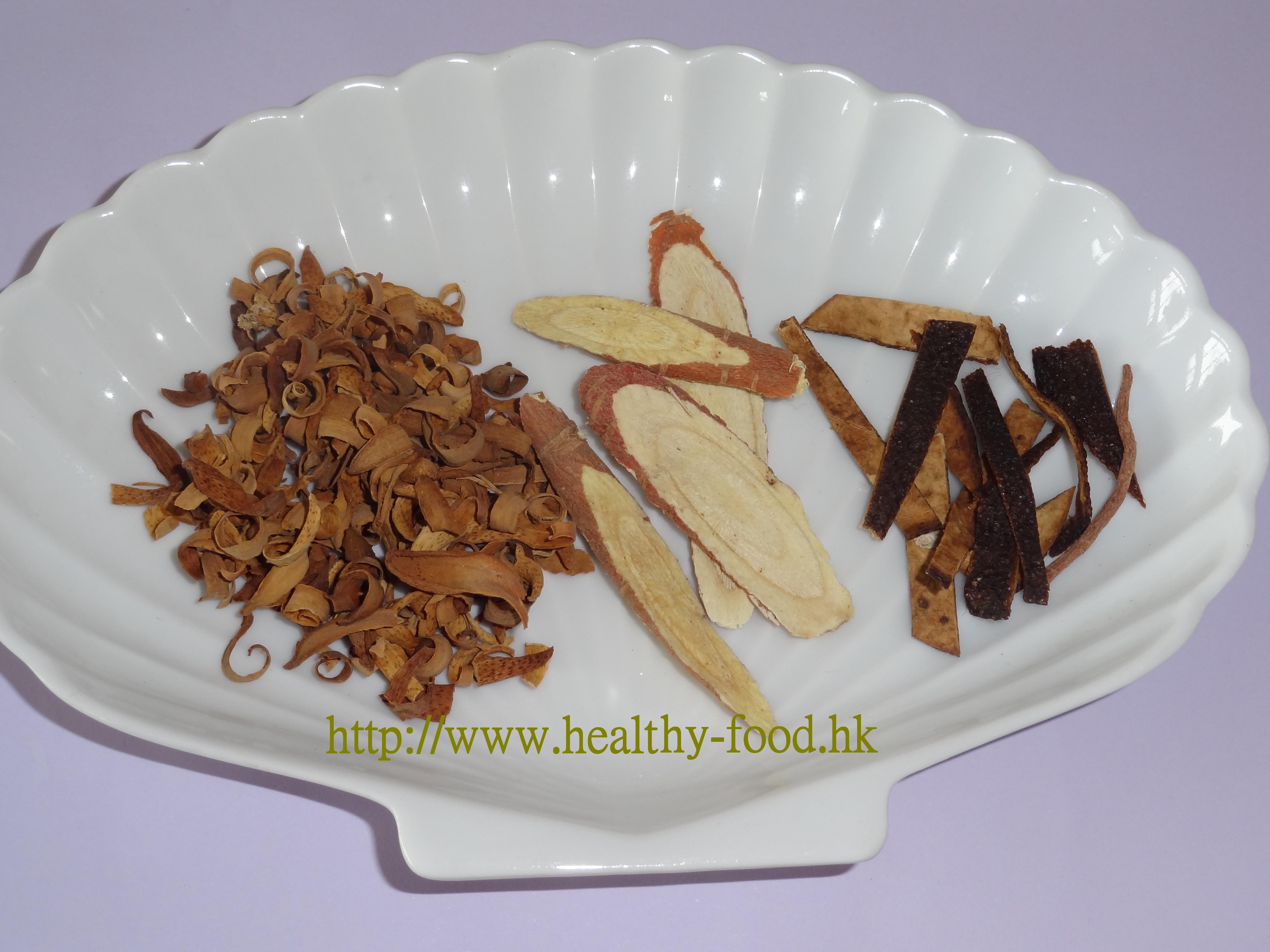
Daidai Blossom, Aged Tangerine Peel and Licorice Tea
Dry Ginger, Poria & Atractylodes Decoction (Gan Jiang Ling Zhu Tang)
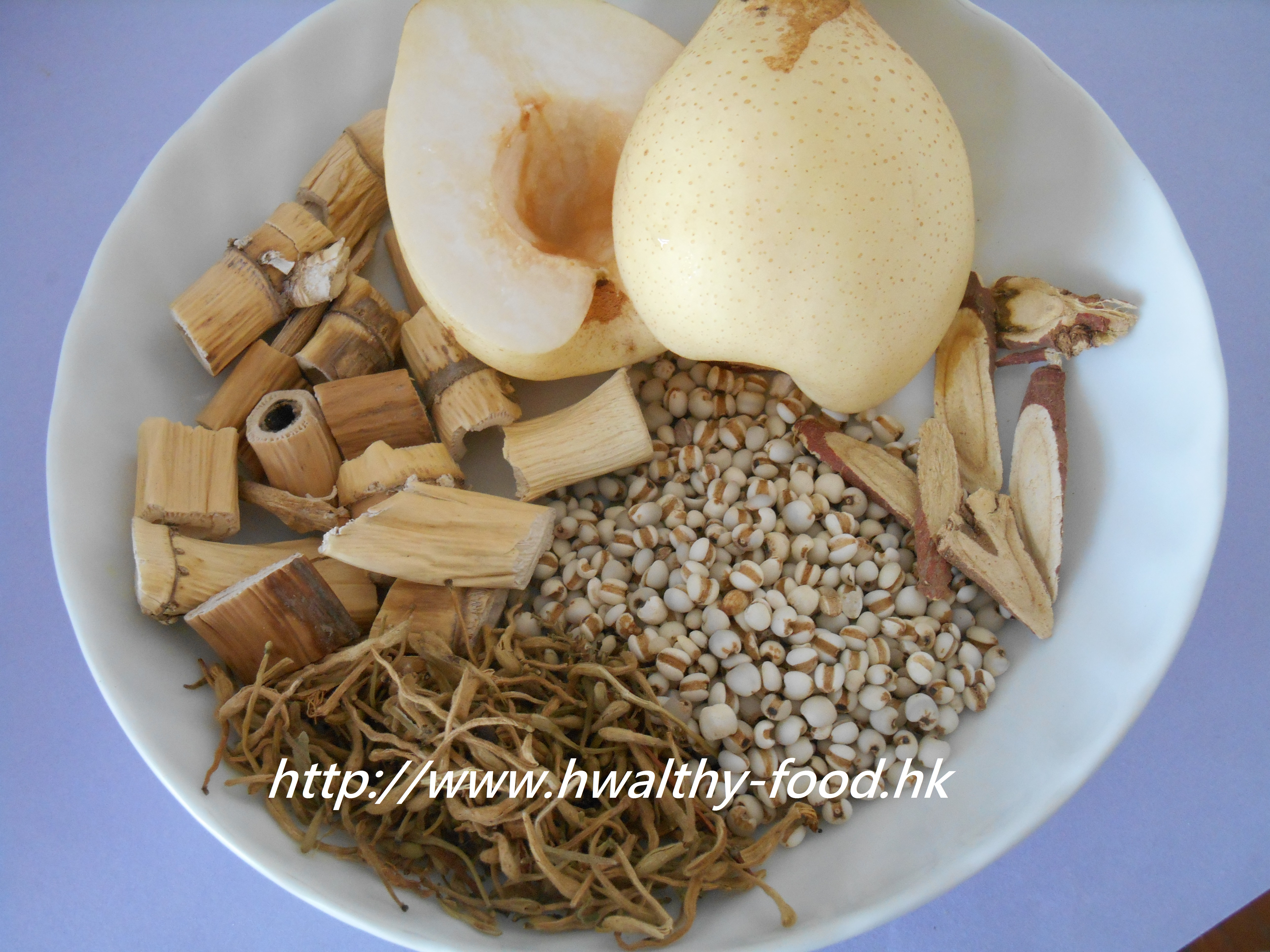
Reed Root, Barley, Honeysuckle & Pear Drink
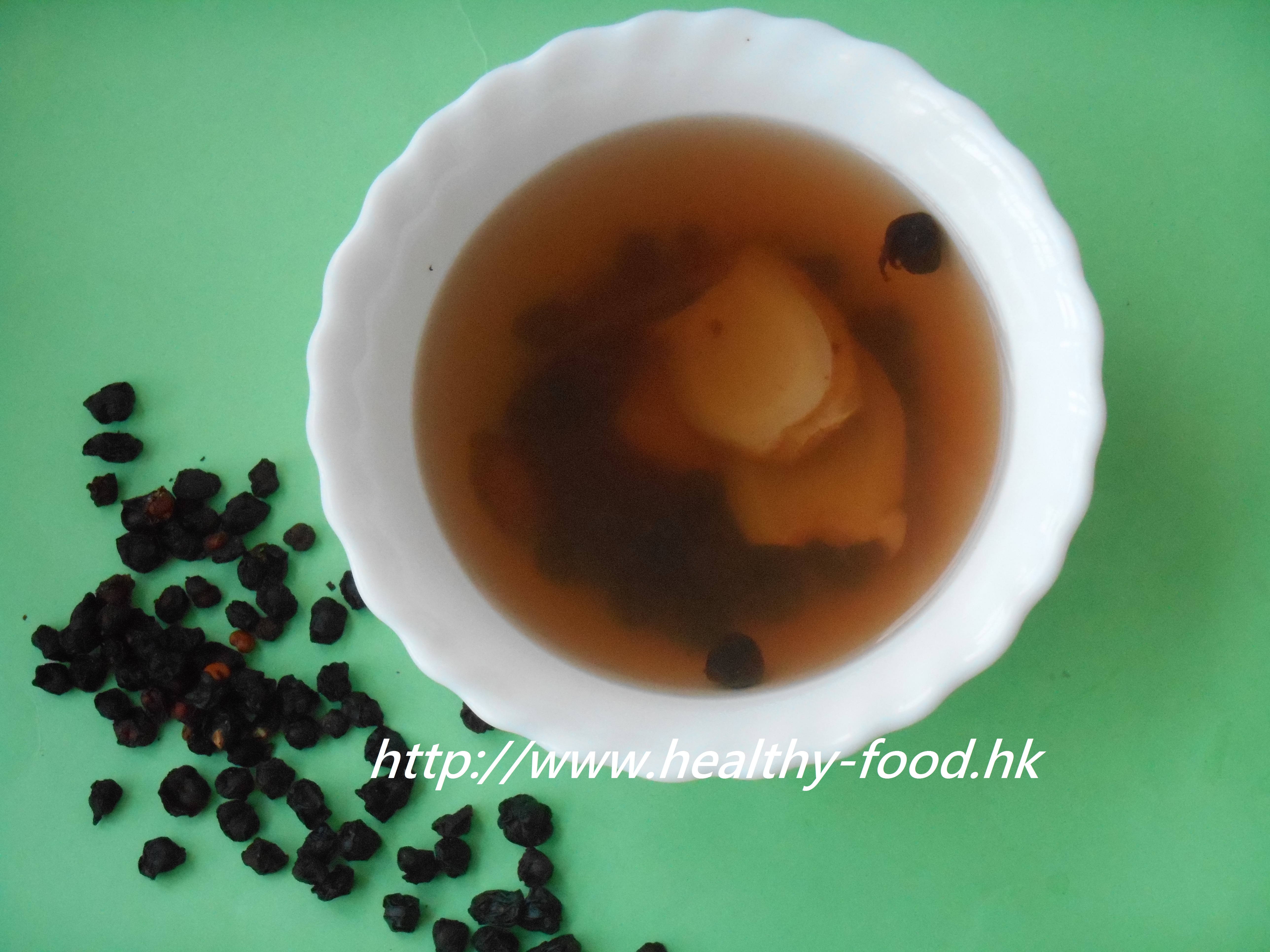
Schisandra, Licorice and Ginger Tea
Chrysanthemum Licorice Green Tea
Prince's Ginseng, Sour Plum and Licorice Tea
Perilla-Ginger-Brown Sugar Tea (cold type) and Mint-Mulberry-Chrysanthemum-Honeysuckle Drink (heat type)
Astragalus, Ophiopogon and Licorice Tea
Mung Bean, Barley, Poria and Licorice Detox Water
Daidai Flower and Licorice Tea
Golden Monk Fruit and Licorice Tea
Mulberry Leaf, Chrysanthemum & Tangerine Peel Tea
Black Bean and Licorice Root Tea