Herbal & Flower Teas
Golden Monk Fruit and Licorice Tea
Traditionally associated with soothing a dry, irritated throat and supporting the lungs after excessive smoking or alcohol
In short: Golden Monk Fruit and Licorice Tea is a herbal & flower tea that Traditionally associated with soothing a dry, irritated throat and supporting the lungs after excessive smoking or alcohol. It is most often made for respiratory & lung wellness. Total time about 25 min. Key ingredients: golden monk fruit, licorice root.
Why people make this tea
Everyone knows that smoking and heavy drinking damage health — but knowing and stopping are two different things. For people who smoke because of work pressures or stress, or who simply haven’t found the right moment to quit, this gentle tea offers a small measure of support in the meantime.
Research suggests that regular smokers die ten to twelve years earlier on average than non-smokers, and second-hand smoke carries its own risks. Chronic heavy drinking affects judgment, strains the liver, and can lead to cirrhosis and gastric bleeding over time. Nourilo is honest about this: the best course of action is to smoke and drink less. But for those who struggle to stop, having a daily cup of this tea is at least something useful.
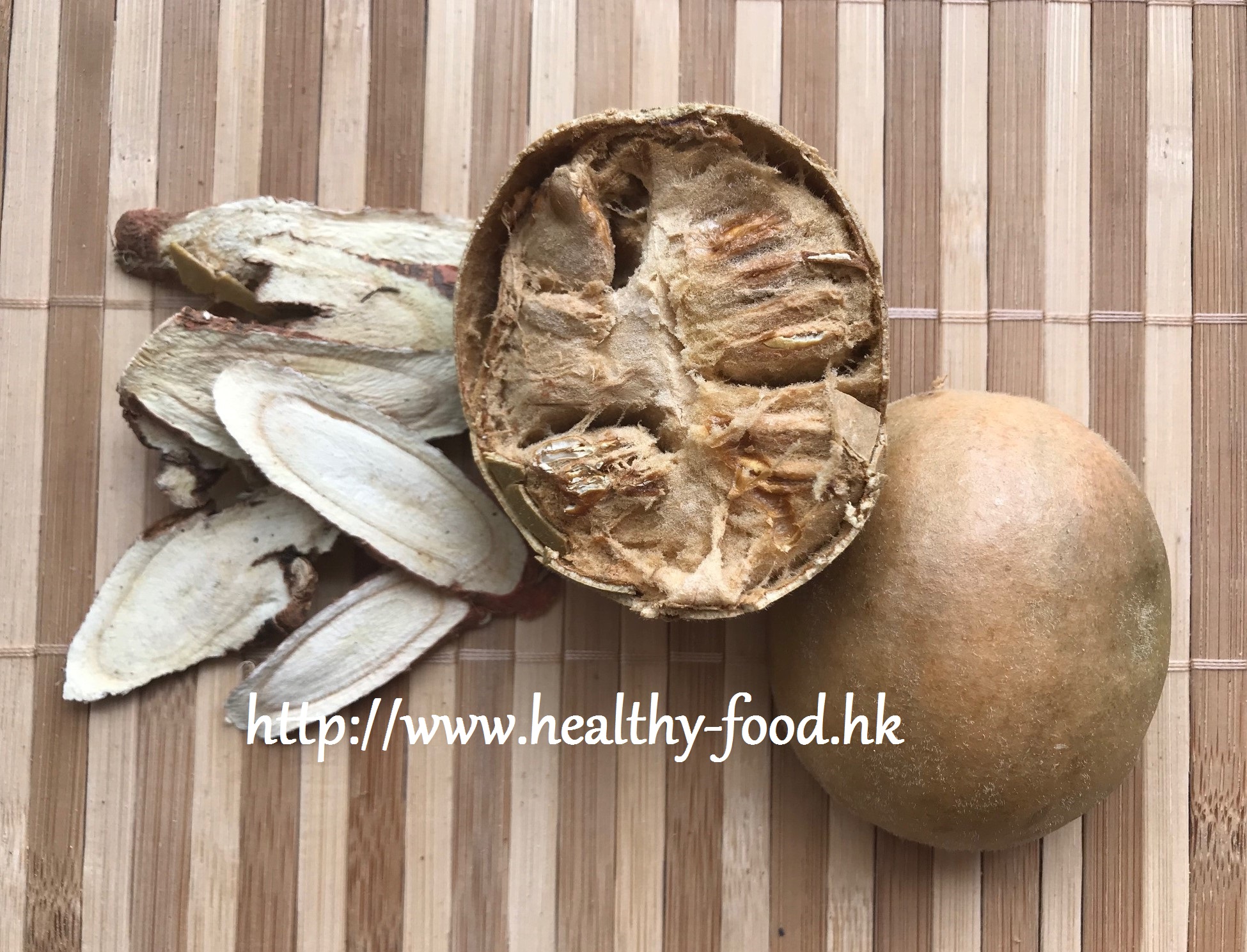
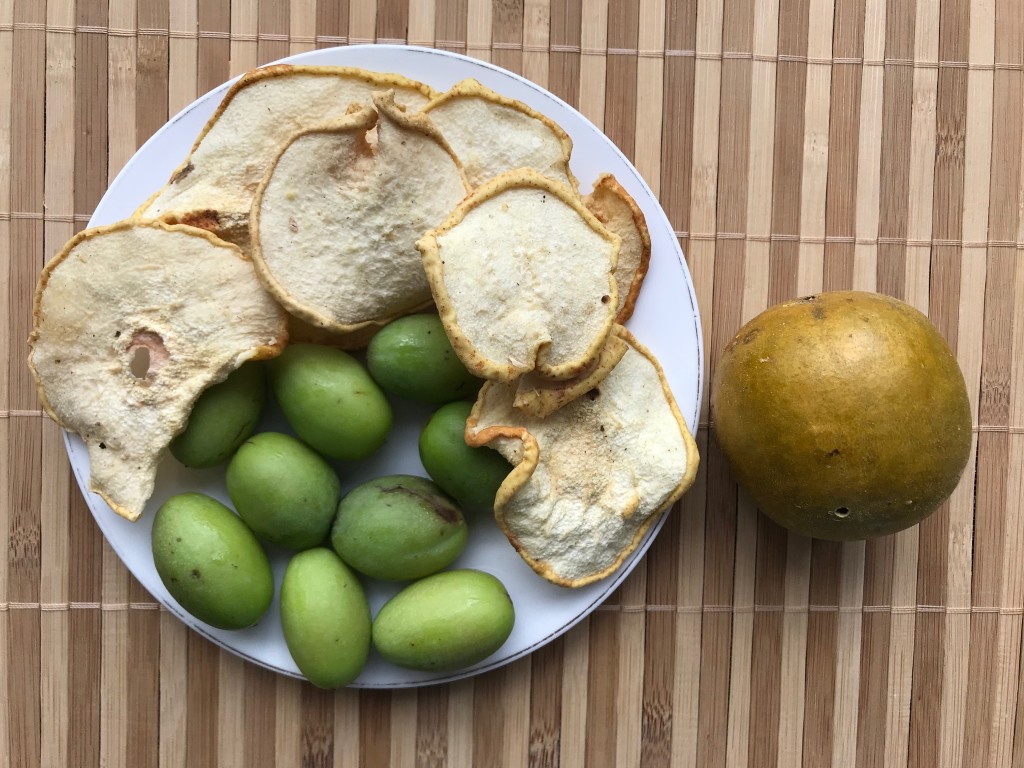
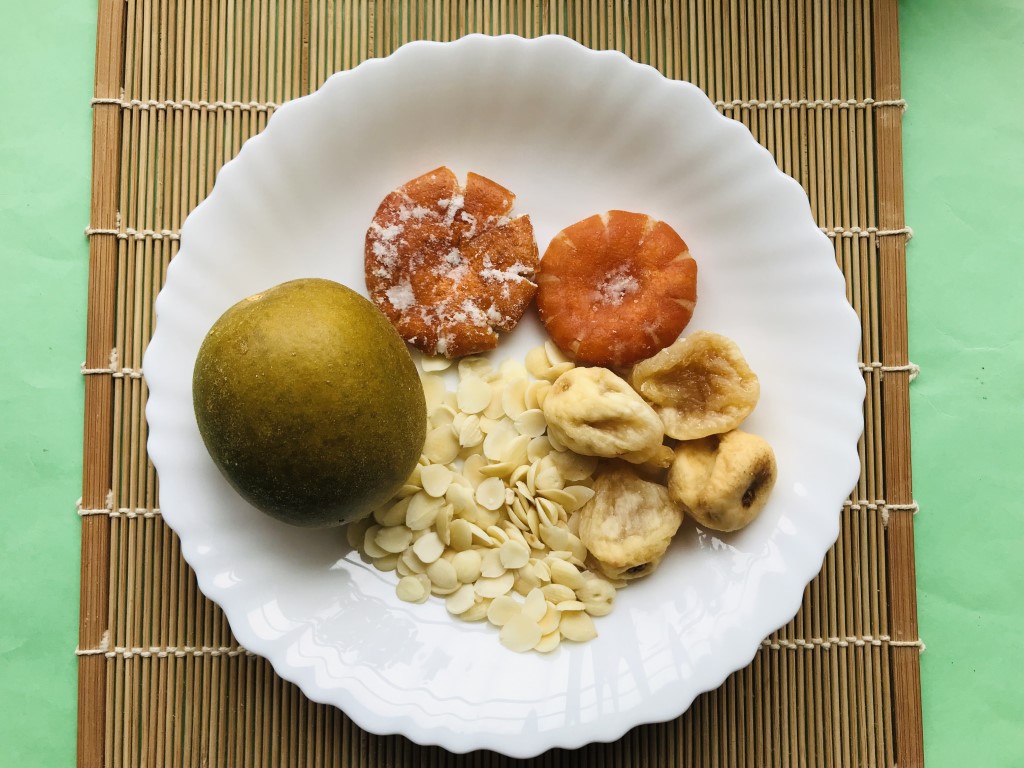
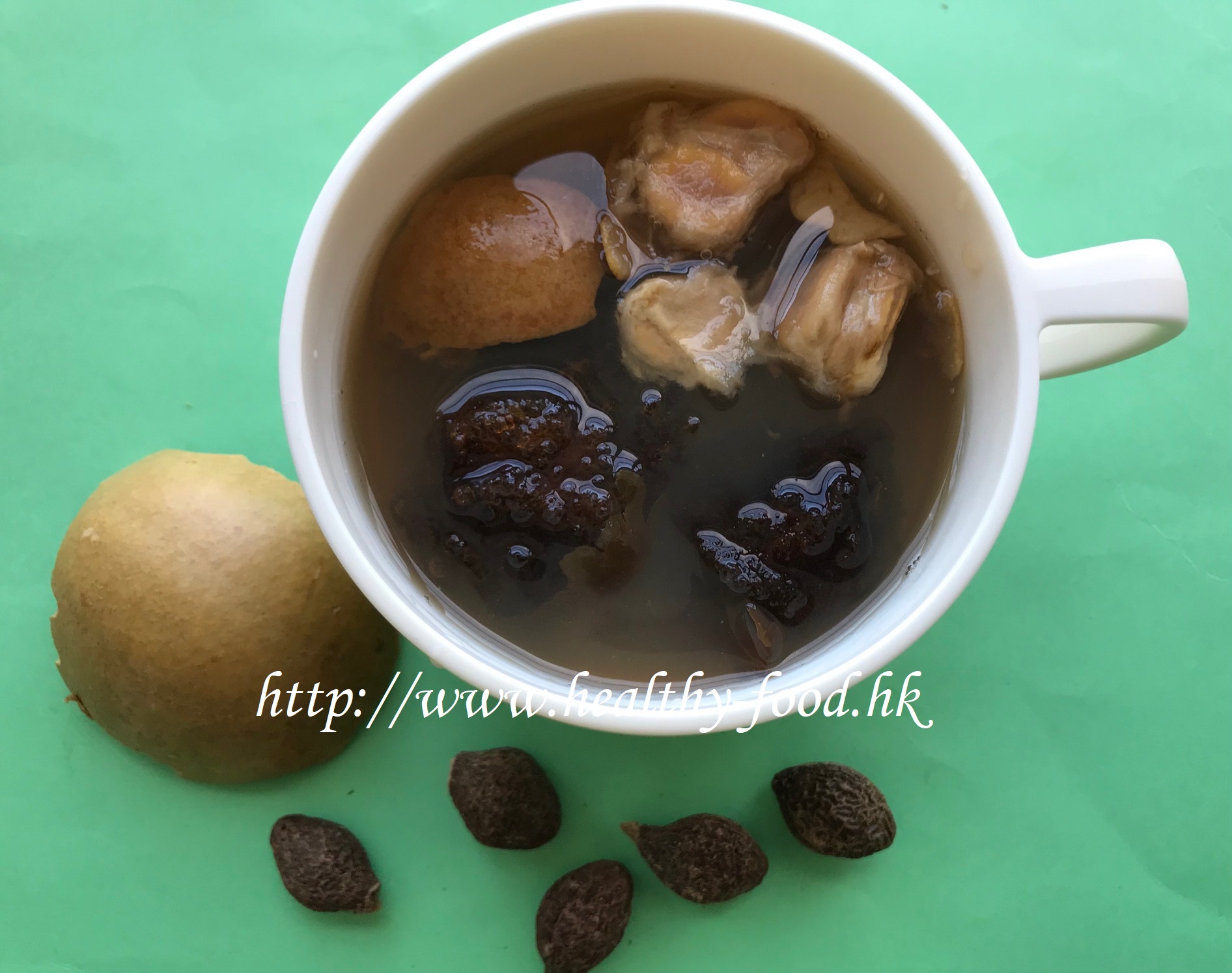
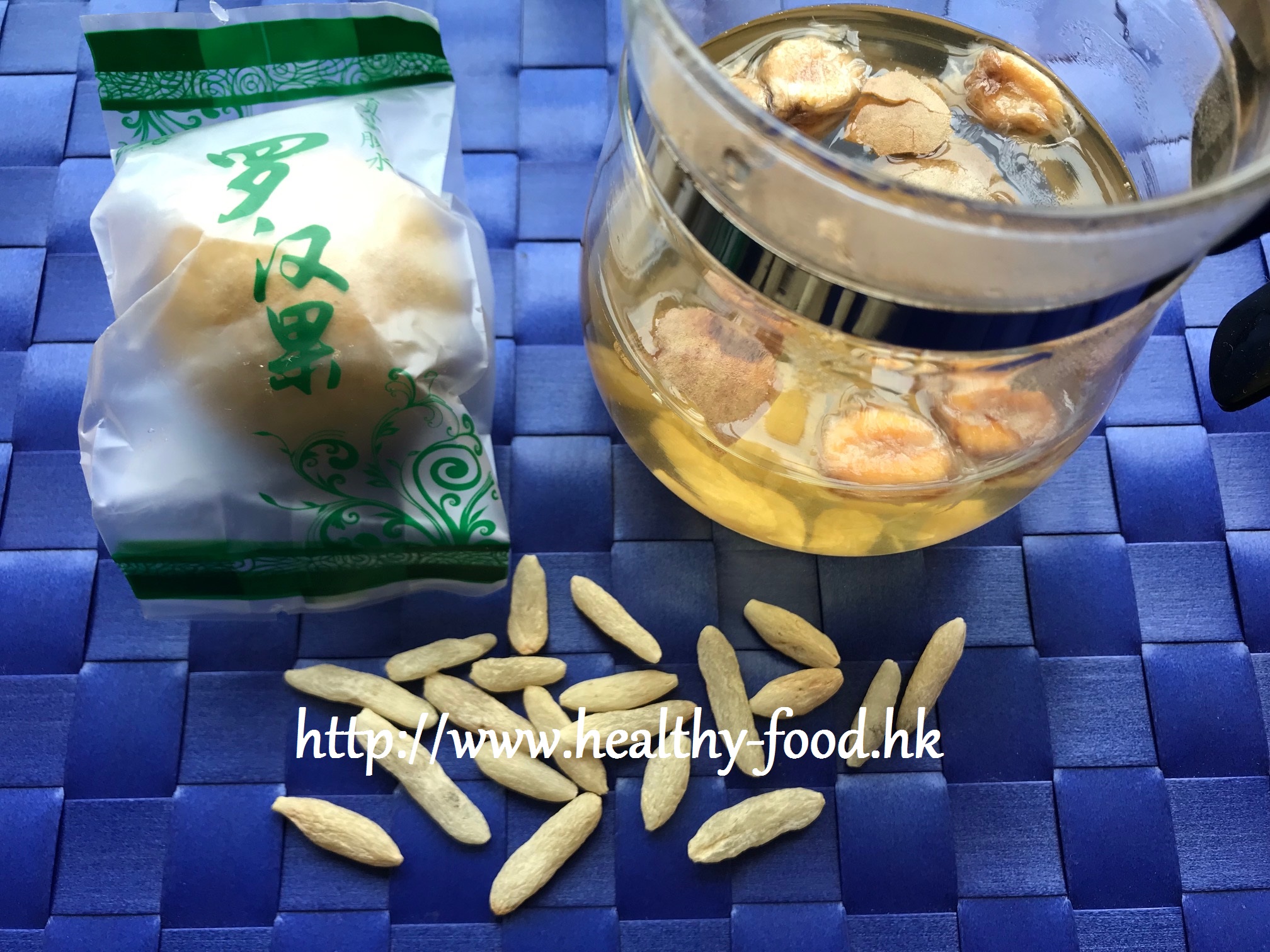
When smoking or drinking leads to a hoarse voice, dry throat, persistent thirst, or a dry cough, golden monk fruit is one of the most effective and pleasant food-therapy ingredients available. Unlike the traditional smoked version of monk fruit — which has a distinctive medicinal tang that some people find off-putting — golden monk fruit is prepared by low-temperature dehydration, making it sweeter and milder in both flavour and energetic quality. Its slightly cold nature is reduced, making it suitable for a wider range of people.
What studies say about the key ingredients
Traditional use is not the same as clinical proof. Here is the strongest human research we found for each ingredient, limitations included.
- Golden monk fruit
Across five randomized trials, monk fruit extract was associated with 10-18% lower postprandial glucose and 12-22% lower insulin responses. No severe adverse effects were observed.Limitation: Only five trials were included, and the authors state that long-term clinical trials are needed to confirm safety and efficacy.PubMed 40362742 · 2 more golden monk fruit studies - Licorice root
Compared with placebo plus the same low-calorie diet, licorice extract was associated with greater improvements in body weight, BMI, body fat, lipid profile, fasting glucose, insulin and HOMA-IR at 8 weeks.Limitation: Small sample, short 8-week duration, and an extract dose that is not comparable to licorice eaten as food; the authors call for confirmatory research.PubMed 39080737 · 3 more licorice root studies
From the Nourilo Research Library. Findings come from specific doses, extracts and populations and may not apply to a home-cooked recipe.
Safety first — read before you cook
This is a traditional food, not a treatment. Please check with your doctor or pharmacist before making it a regular part of your diet if you:
- are pregnant or breastfeeding, or are cooking for a young child;
- take regular medicines — especially blood thinners, blood-pressure, diabetes or immune-suppressing drugs;
- have a kidney, liver or heart condition, or a known food allergy.
Ingredient notes for this recipe
- Licorice root: Contains glycyrrhizin. Large amounts or long-term use have been linked to raised blood pressure and irregular heartbeat, and even smaller amounts have caused problems in people with high blood pressure, heart or kidney conditions, or a high-salt diet. Large amounts are unsafe in pregnancy, and it can interact with corticosteroids. Source: NIH NCCIH — Licorice Root
Stop eating it and seek advice if you notice an allergic reaction or feel unwell. Safety notes reviewed 8 October 2026 · How we write safety notes
Members only
Unlock the full method & Nourilo's tips
One payment, lifetime access to every one of our 2,344 recipes — step-by-step methods, preparation tips and serving notes.
- Full step-by-step method for this and all 2,344 recipes
- Nourilo's Tips — sourcing, substitutions and serving notes
- One-time payment · card, Apple Pay or Google Pay · no subscription, no renewals
Checking your access…
$59.99 one-time · all recipes
Sign in or create a free account, then pay once by card, Apple Pay or Google Pay.
Continue with GoogleBy continuing with Google or email you confirm you are 16 or older and agree to our Terms of Use and Privacy Policy.
$59.99 one-time · all recipes
Signed in as ·
Secure checkout by Stripe. One-time payment, no renewals. Access is linked to your Nourilo account and never expires. By paying you agree to our Terms of Use; you can get a full refund within 14 days (refund policy).
Comments
Join the conversation — sign in or create a free account to comment.
Continue with GoogleBy continuing with Google or email you confirm you are 16 or older and agree to our Terms of Use and Privacy Policy.
Loading comments…