Herbal & Flower Teas
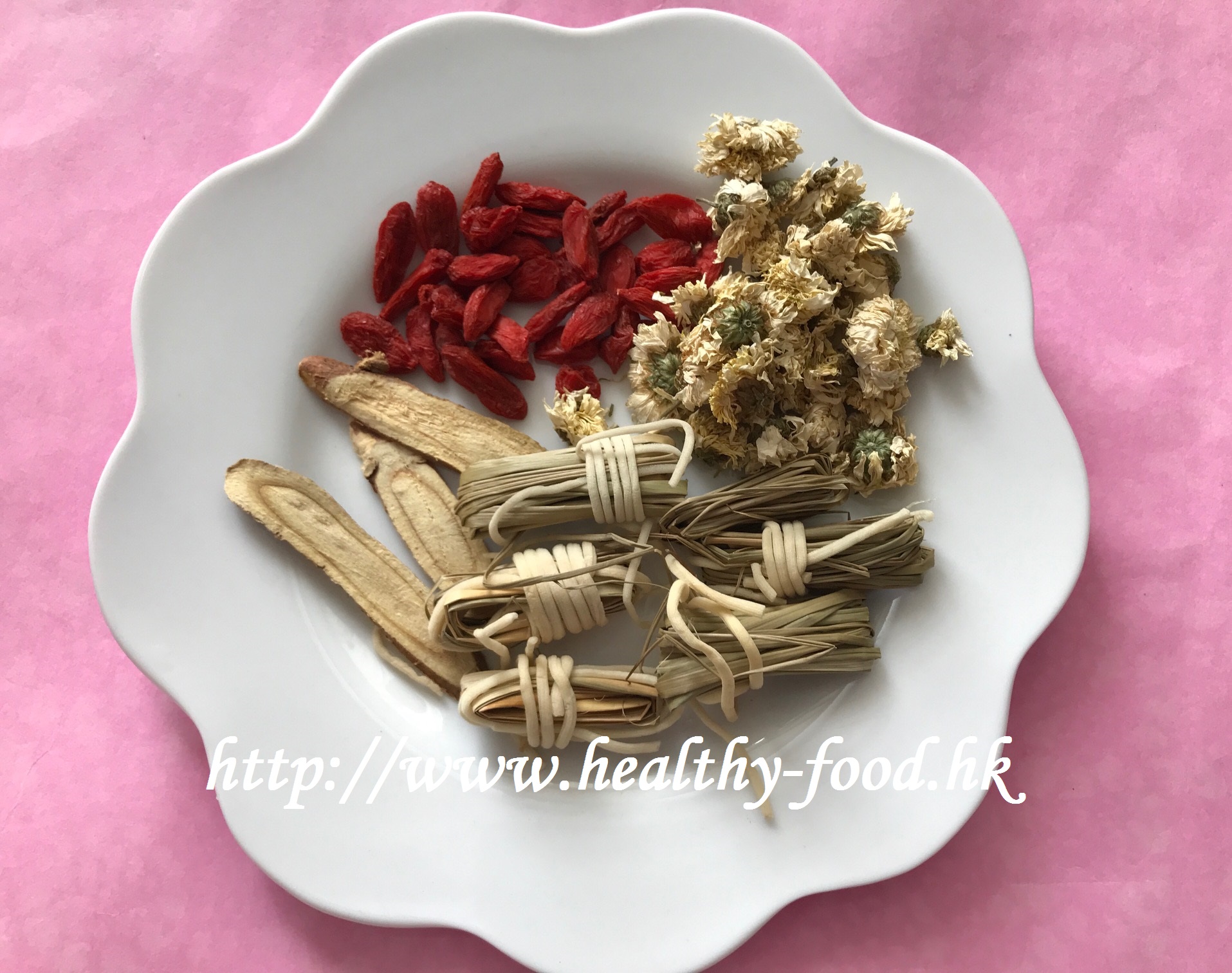
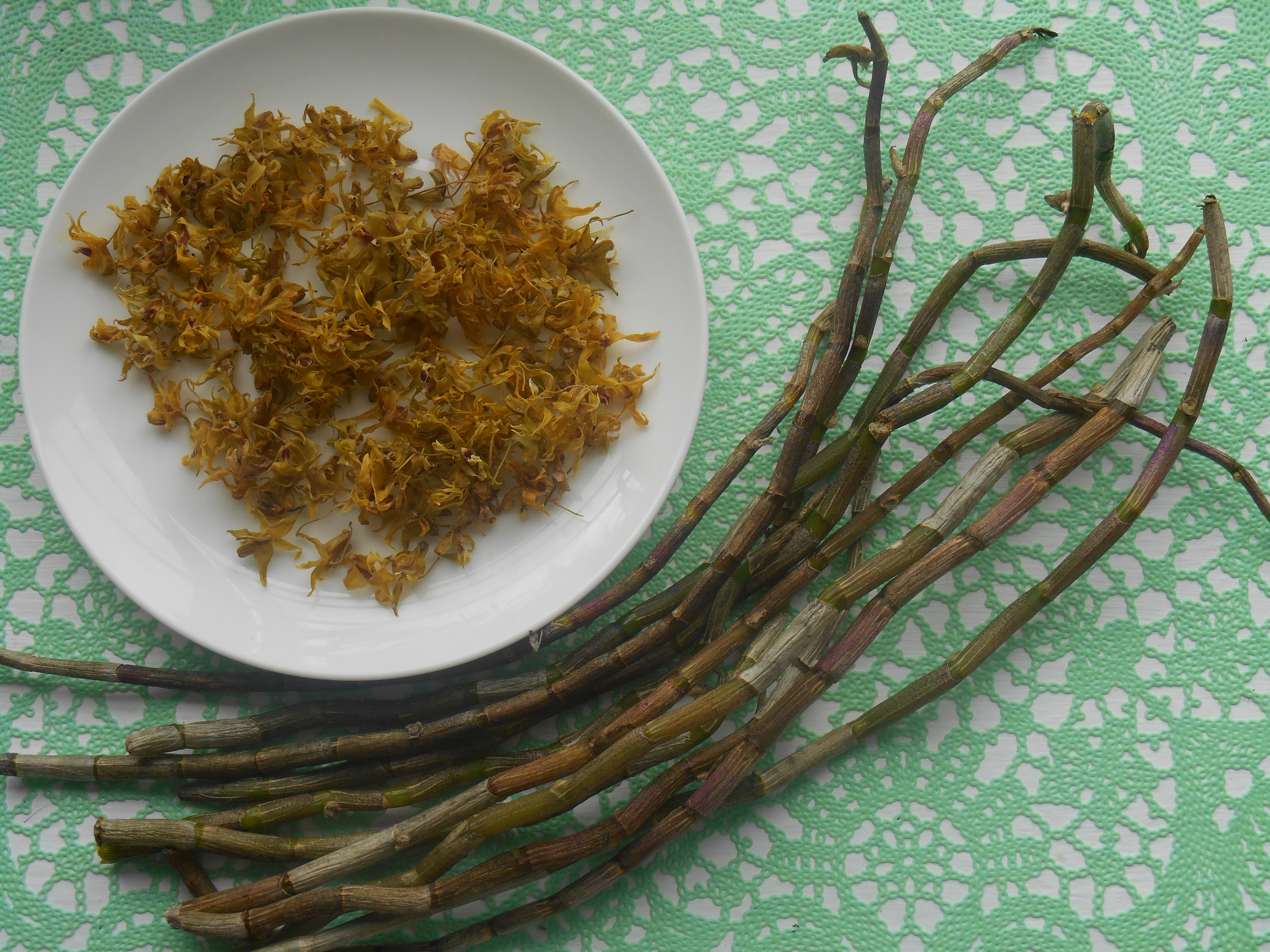
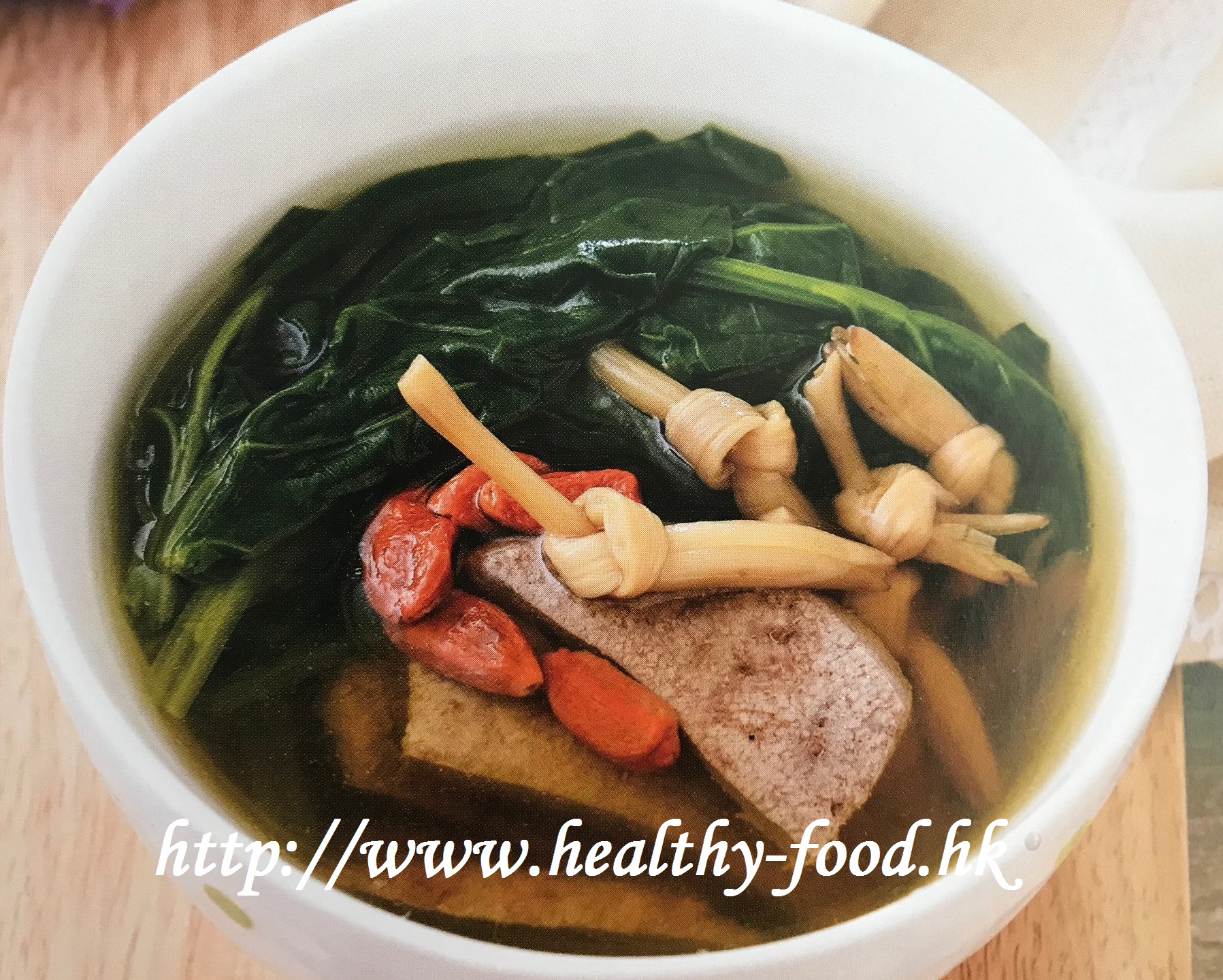
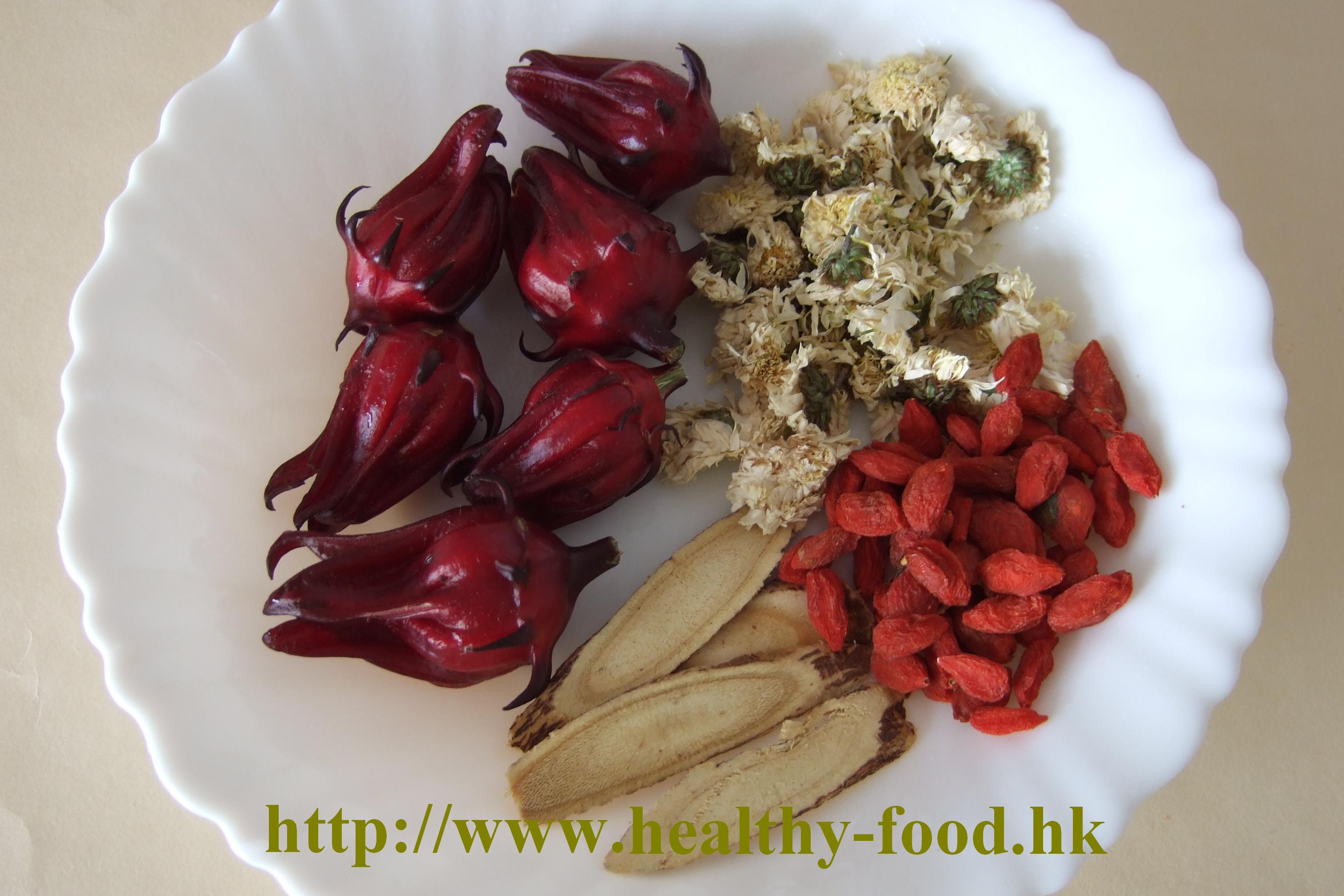
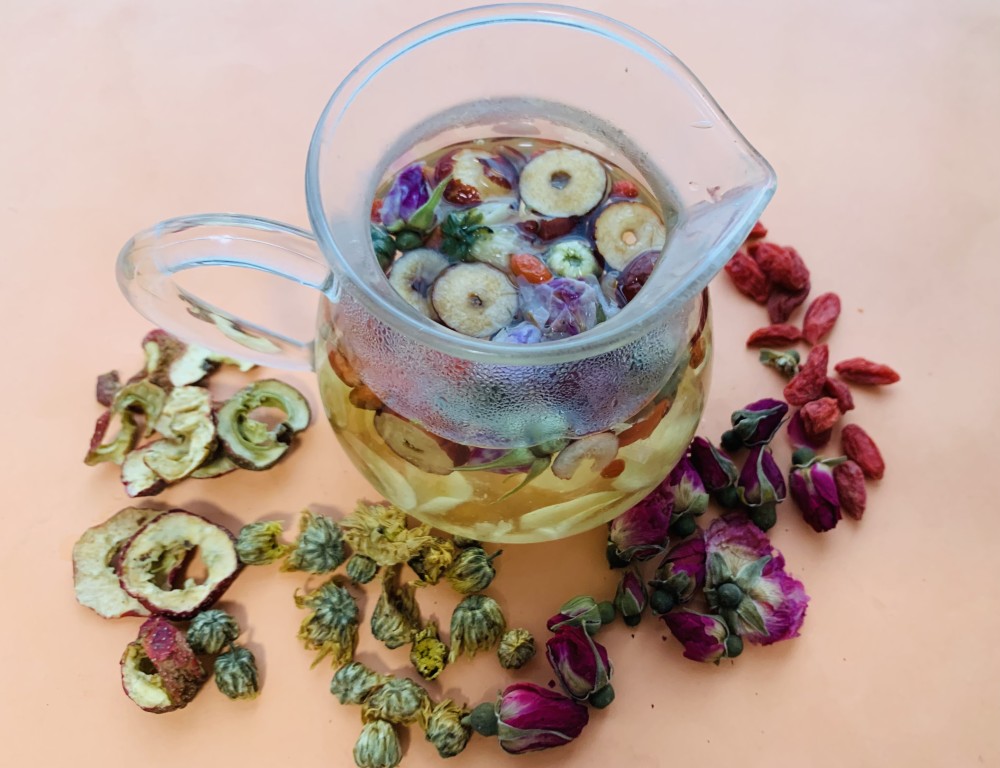
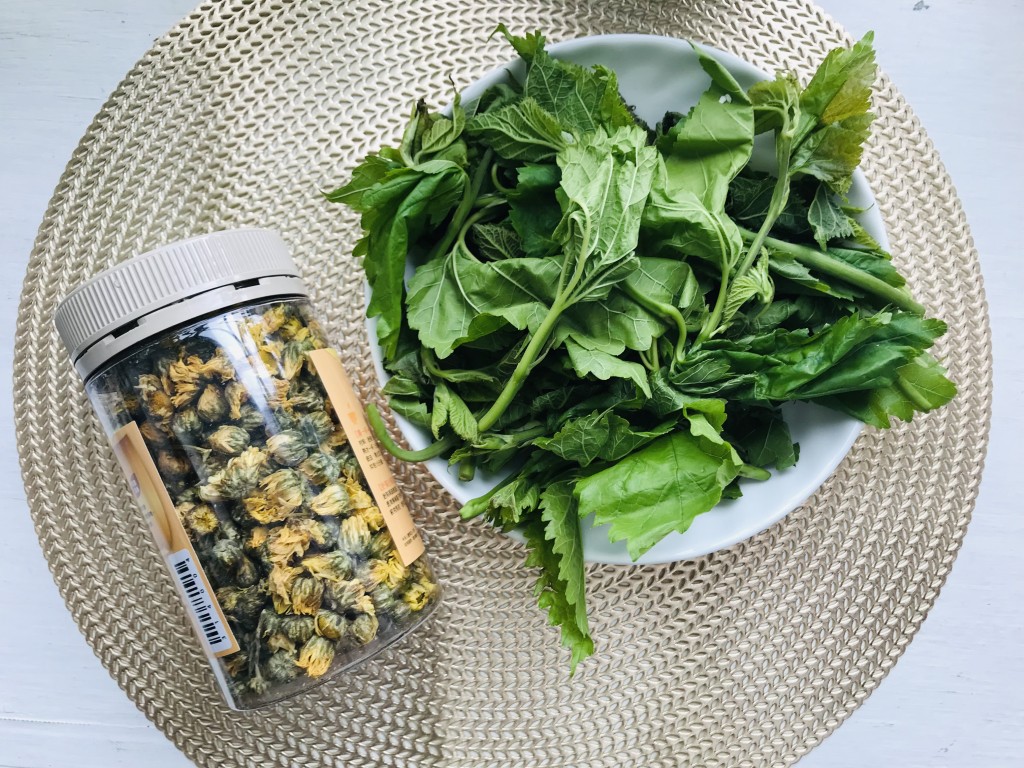
Goji Berry, Chrysanthemum and Rush Pith Tea (Qi Zi Ju Hua Deng Xin Cao Cha)
traditionally used to ease irritability, liver tension, eye strain, and restless sleep
In short: Goji Berry, Chrysanthemum and Rush Pith Tea (Qi Zi Ju Hua Deng Xin Cao Cha) is a herbal & flower tea that traditionally used to ease irritability, liver tension, eye strain, and restless sleep. It is most often made for liver wellness, sleep & calm, eye wellness. Total time about 25 min. Key ingredients: goji berries, chrysanthemum, licorice root.
Why people make this tea
Stressful periods — financial pressure, disrupted routines, children stuck at home, work uncertainty — can quietly build up inside the body in ways that eventually show on the surface: tightness in the sides of the chest, dull headaches, dry or gritty eyes, low mood, broken sleep, a bitter taste in the mouth, or a short fuse that surprises even yourself. Traditional Chinese food therapy describes this pattern as “liver qi stagnation” — when the body’s natural flow of energy becomes constrained by chronic tension, it can transform into what the tradition calls “liver fire,” showing up as heightened irritability, restlessness, and emotional volatility.
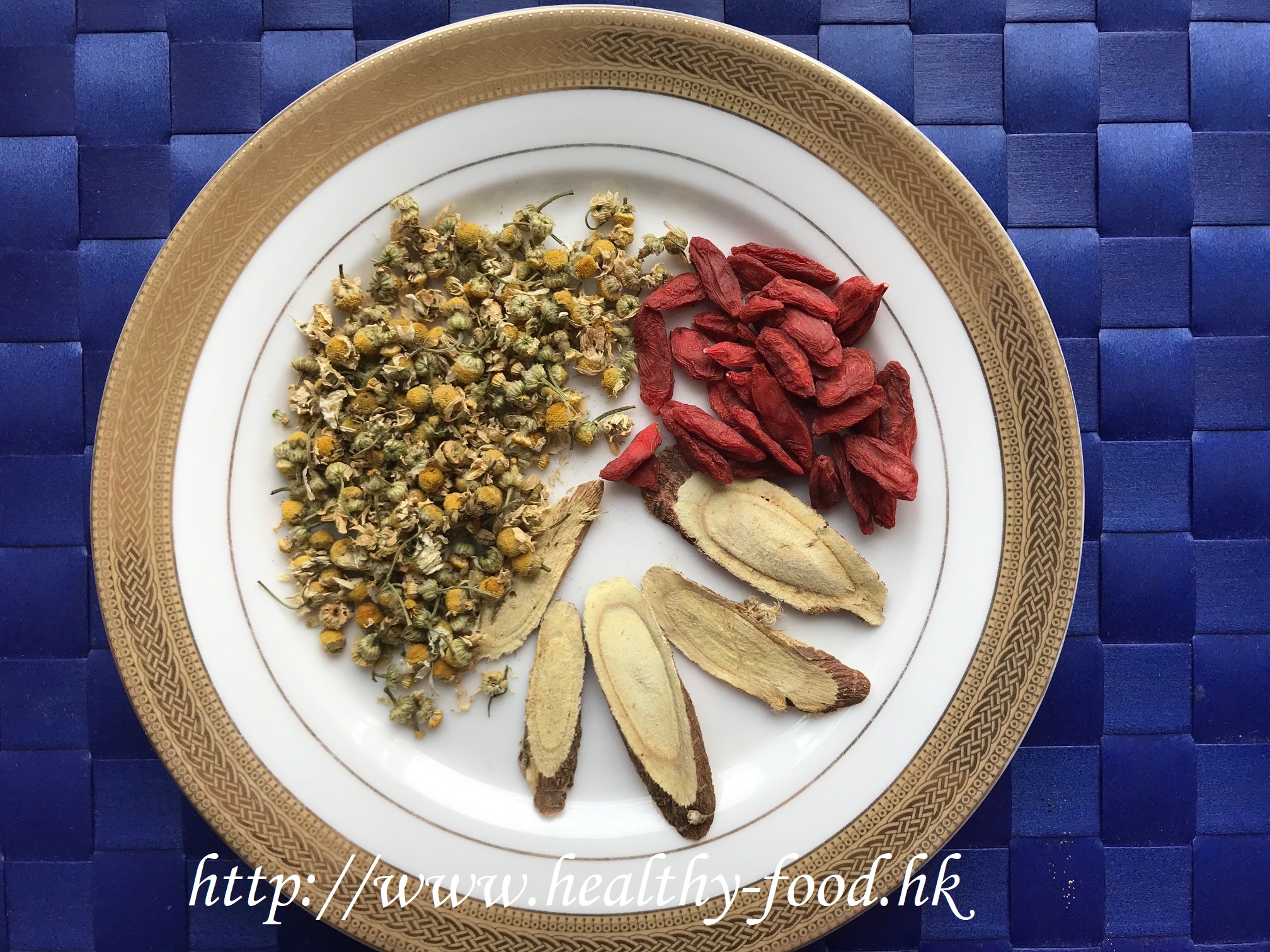
This simple four-ingredient tea — goji berries, chrysanthemum flowers, rush pith, and licorice — is a time-honored remedy for exactly this. Light and gently fragrant, it is pleasant enough to drink regularly, and safe for the whole household including children.
What studies say about the key ingredients
Traditional use is not the same as clinical proof. Here is the strongest human research we found for each ingredient, limitations included.
- Goji berries
Compared with placebo (n=80), the goji juice group (n=81) reported greater improvements in several self-rated symptoms, including stress, mental acuity, sleep quality and overall well-being, under a random effects model.Limitation: Outcomes were self-reported symptom questionnaires, and several symptoms showed significant heterogeneity across the four pooled trials of a single branded juice.PubMed 22897500 · 3 more goji berries studies - Chrysanthemum
Compared with the high-fat meal alone, the extract group had lower postprandial glucose at 1 hour and higher antioxidant markers (T-AOC, SOD, GSH), with lower MDA. Incremental area under the curve did not differ significantly between groups.Limitation: Small sample of healthy young adults given a single high-fat meal, so longer-term effects and effects in people with metabolic conditions are unknown.PubMed 36677639 · 1 more chrysanthemum study - Licorice root
Compared with placebo plus the same low-calorie diet, licorice extract was associated with greater improvements in body weight, BMI, body fat, lipid profile, fasting glucose, insulin and HOMA-IR at 8 weeks.Limitation: Small sample, short 8-week duration, and an extract dose that is not comparable to licorice eaten as food; the authors call for confirmatory research.PubMed 39080737 · 3 more licorice root studies
From the Nourilo Research Library. Findings come from specific doses, extracts and populations and may not apply to a home-cooked recipe.
Safety first — read before you cook
This is a traditional food, not a treatment. Please check with your doctor or pharmacist before making it a regular part of your diet if you:
- are pregnant or breastfeeding, or are cooking for a young child;
- take regular medicines — especially blood thinners, blood-pressure, diabetes or immune-suppressing drugs;
- have a kidney, liver or heart condition, or a known food allergy.
Ingredient notes for this recipe
- Licorice root: Contains glycyrrhizin. Large amounts or long-term use have been linked to raised blood pressure and irregular heartbeat, and even smaller amounts have caused problems in people with high blood pressure, heart or kidney conditions, or a high-salt diet. Large amounts are unsafe in pregnancy, and it can interact with corticosteroids. Source: NIH NCCIH — Licorice Root
- Goji berries: A few cases of raised INR (a bleeding-risk marker) have been reported in people taking warfarin after drinking concentrated goji tea or wine. If you take a blood thinner, check with your doctor. Source: Memorial Sloan Kettering — Lycium
Stop eating it and seek advice if you notice an allergic reaction or feel unwell. Safety notes reviewed 8 October 2026 · How we write safety notes
Members only
Unlock the full method & Nourilo's tips
One payment, lifetime access to every one of our 2,344 recipes — step-by-step methods, preparation tips and serving notes.
- Full step-by-step method for this and all 2,344 recipes
- Nourilo's Tips — sourcing, substitutions and serving notes
- One-time payment · card, Apple Pay or Google Pay · no subscription, no renewals
Checking your access…
$59.99 one-time · all recipes
Sign in or create a free account, then pay once by card, Apple Pay or Google Pay.
Continue with GoogleBy continuing with Google or email you confirm you are 16 or older and agree to our Terms of Use and Privacy Policy.
$59.99 one-time · all recipes
Signed in as ·
Secure checkout by Stripe. One-time payment, no renewals. Access is linked to your Nourilo account and never expires. By paying you agree to our Terms of Use; you can get a full refund within 14 days (refund policy).
Comments
Join the conversation — sign in or create a free account to comment.
Continue with GoogleBy continuing with Google or email you confirm you are 16 or older and agree to our Terms of Use and Privacy Policy.
Loading comments…