Home-Style Dishes
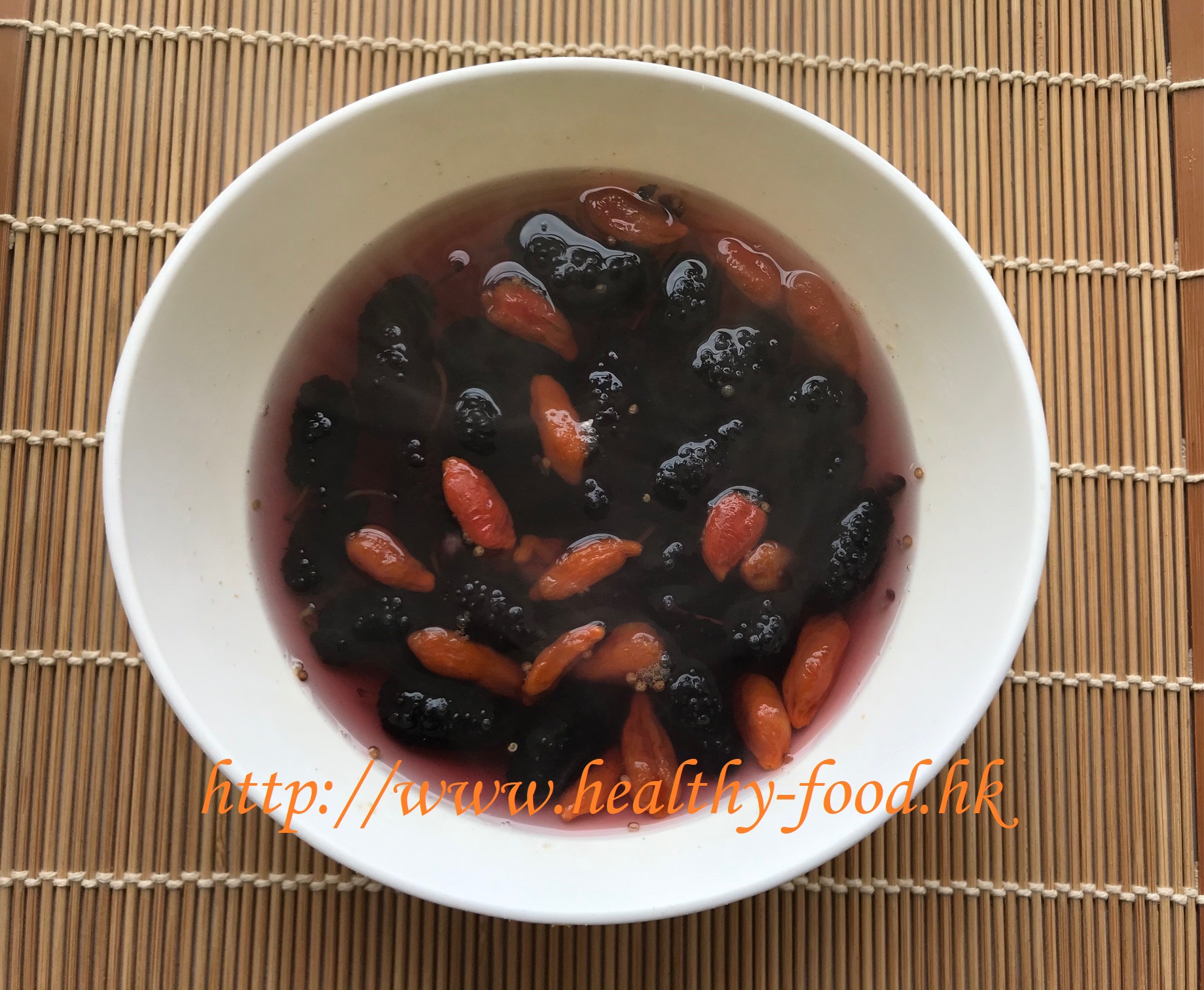
Mulberry Honey Concentrate (Sang Shen Mi Zhi)
traditionally associated with nourishing liver and kidneys to support vision, hair health, and regular digestion
In short: Mulberry Honey Concentrate (Sang Shen Mi Zhi) is a home-style dishe that traditionally associated with nourishing liver and kidneys to support vision, hair health, and regular digestion. It is most often made for digestive wellness, cleansing & regularity, children's wellness. Total time about 105 min. Key ingredients: mulberries, honey.
Why people make this concentrate
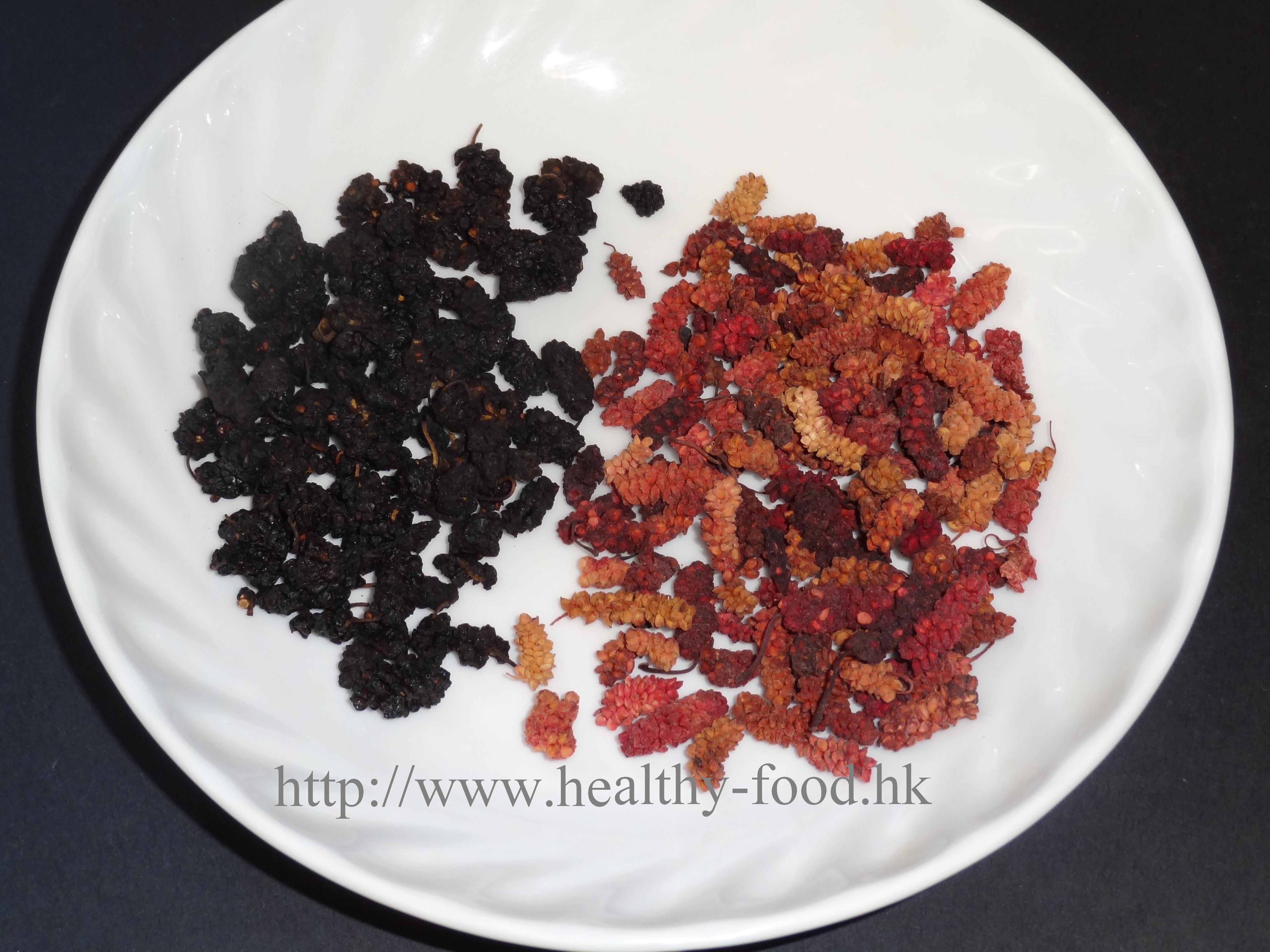
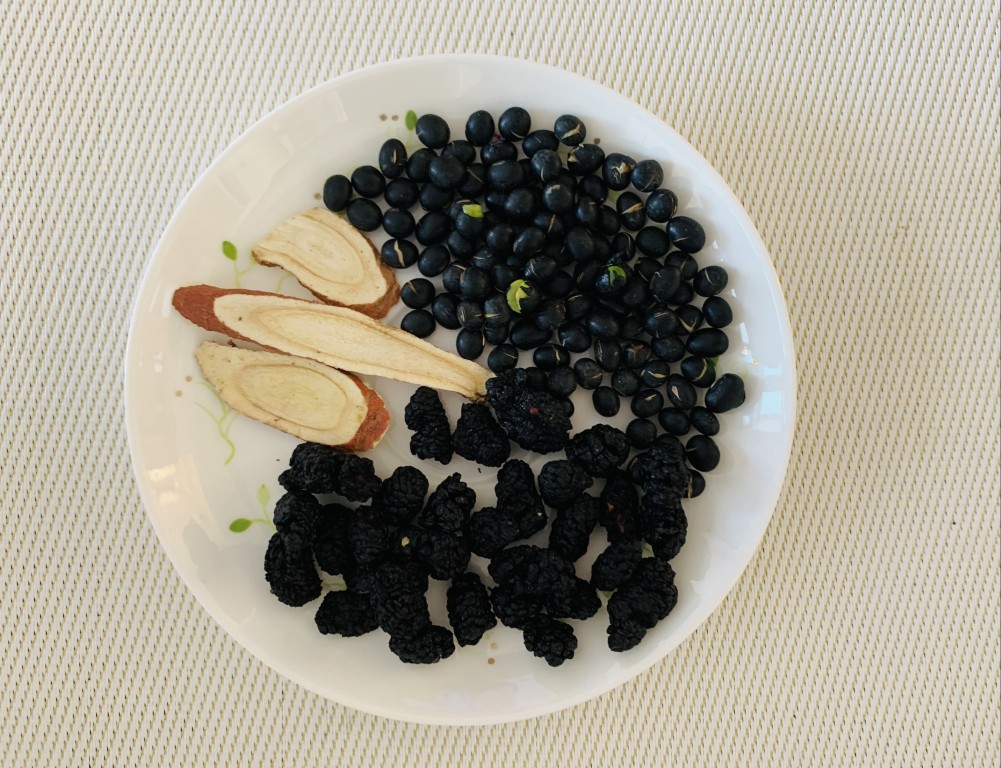
Mulberries are one of those ingredients that look like an ordinary fruit but have a long history in traditional medicine. The deep, almost-black dried variety in particular is considered to be the “fully-ripened essence” of the mulberry tree — rich in anthocyanins and other compounds that modern research has found beneficial for the retina and general circulation. In traditional Chinese food therapy, mulberries are linked to nourishing the liver and kidneys, the two organs traditionally associated with the health of the eyes, hair, and intestines.
Rather than simply boiling a tea, this recipe calls for three separate extractions to draw out the full benefit of the dried fruit, then reducing the combined liquid to a thick syrup. The result keeps in the fridge and can be taken by the spoonful each morning and evening — a convenient habit for anyone who spends long hours looking at screens or is beginning to notice changes in hair or bowel habits.
Method
- Rinse the dried mulberries and place them in a pot with 1.2 L of water. Bring to a boil and simmer for 30 minutes. Pour off and reserve the liquid (first extraction).
- Return the spent mulberries to the pot. Add another 1.2 L of water. Simmer for another 30 minutes. Pour off and reserve the liquid (second extraction).
- Repeat a third time: add 4 more bowls of water, simmer 30 minutes, and collect the liquid (third extraction).
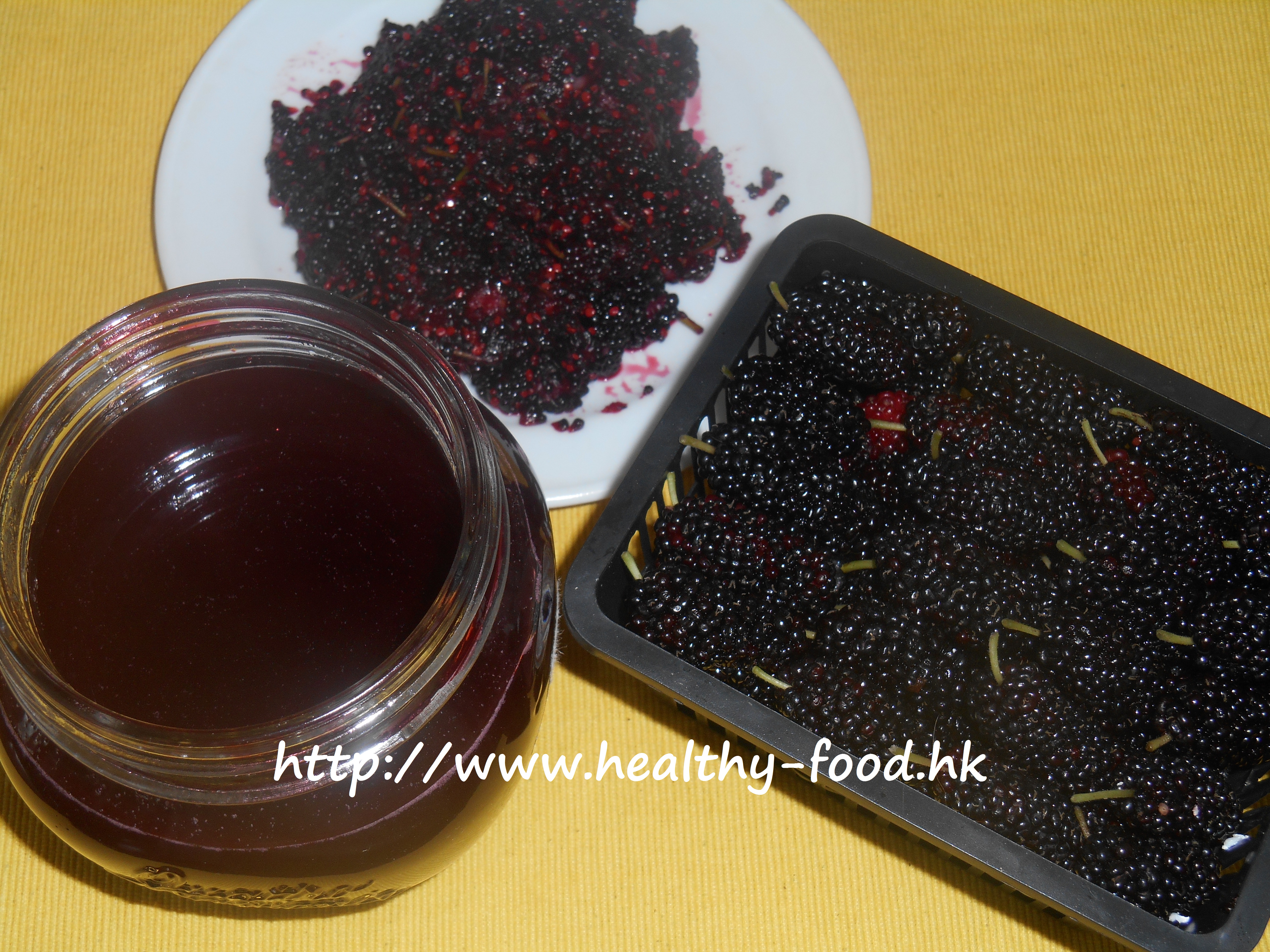
- Combine all three extractions in a clean pot. Simmer over low heat, stirring occasionally, until the liquid reduces to a thick, syrupy consistency. This may take 20–40 minutes.
- Remove from heat. Allow to cool slightly, then stir in honey to taste.
- Once fully cooled, pour into a clean glass jar and store in the refrigerator.
- To use: take 1 tablespoon morning and evening, stirred into warm water.
Nourilo’s Tips
The deep-black, fully ripened variety of dried mulberry is the most nourishing — if you can find it, that is the one to use. It is available at Chinese or Asian grocers, or online. The reddish-brown kind (sometimes sold as “sang zao”) also works, though the black variety is considered more potent. Store the finished concentrate in the fridge and take it consistently for best results. Those with blood sugar concerns should check with a doctor before using honey-sweetened concentrates, and may simply reduce or omit the honey.
What studies say about the key ingredients
Traditional use is not the same as clinical proof. Here is the strongest human research we found for each ingredient, limitations included.
- Mulberries
Post-prandial self-monitored glucose was lower than placebo (18.2%), but A1C did not differ between mulberry leaf extract and placebo. Serum creatinine rose about 15% in the extract group.Limitation: Small pilot: only 17 of 24 enrolled participants completed the study, limiting statistical power.PubMed 28619294 · 3 more mulberries studies - Honey
Compared with usual care, honey was associated with lower combined symptom scores, cough frequency and cough severity. In two pooled placebo-controlled studies, the difference in combined symptoms was not statistically significant.Limitation: Only two studies compared honey with placebo, with high heterogeneity (I2=91%); the review calls for higher-quality placebo-controlled trials.PubMed 32817011 · 3 more honey studies
From the Nourilo Research Library. Findings come from specific doses, extracts and populations and may not apply to a home-cooked recipe.
Safety first — read before you cook
This is a traditional food, not a treatment. Please check with your doctor or pharmacist before making it a regular part of your diet if you:
- are pregnant or breastfeeding, or are cooking for a young child;
- take regular medicines — especially blood thinners, blood-pressure, diabetes or immune-suppressing drugs;
- have a kidney, liver or heart condition, or a known food allergy.
Ingredient notes for this recipe
- Honey: Never give honey to babies under 1 year old — it can cause infant botulism, a very serious illness. Source: NHS — Foods to avoid giving babies
Stop eating it and seek advice if you notice an allergic reaction or feel unwell. Safety notes reviewed 8 October 2026 · How we write safety notes
Comments
Join the conversation — sign in or create a free account to comment.
Continue with GoogleBy continuing with Google or email you confirm you are 16 or older and agree to our Terms of Use and Privacy Policy.
Loading comments…