Tonic Drinks & Waters
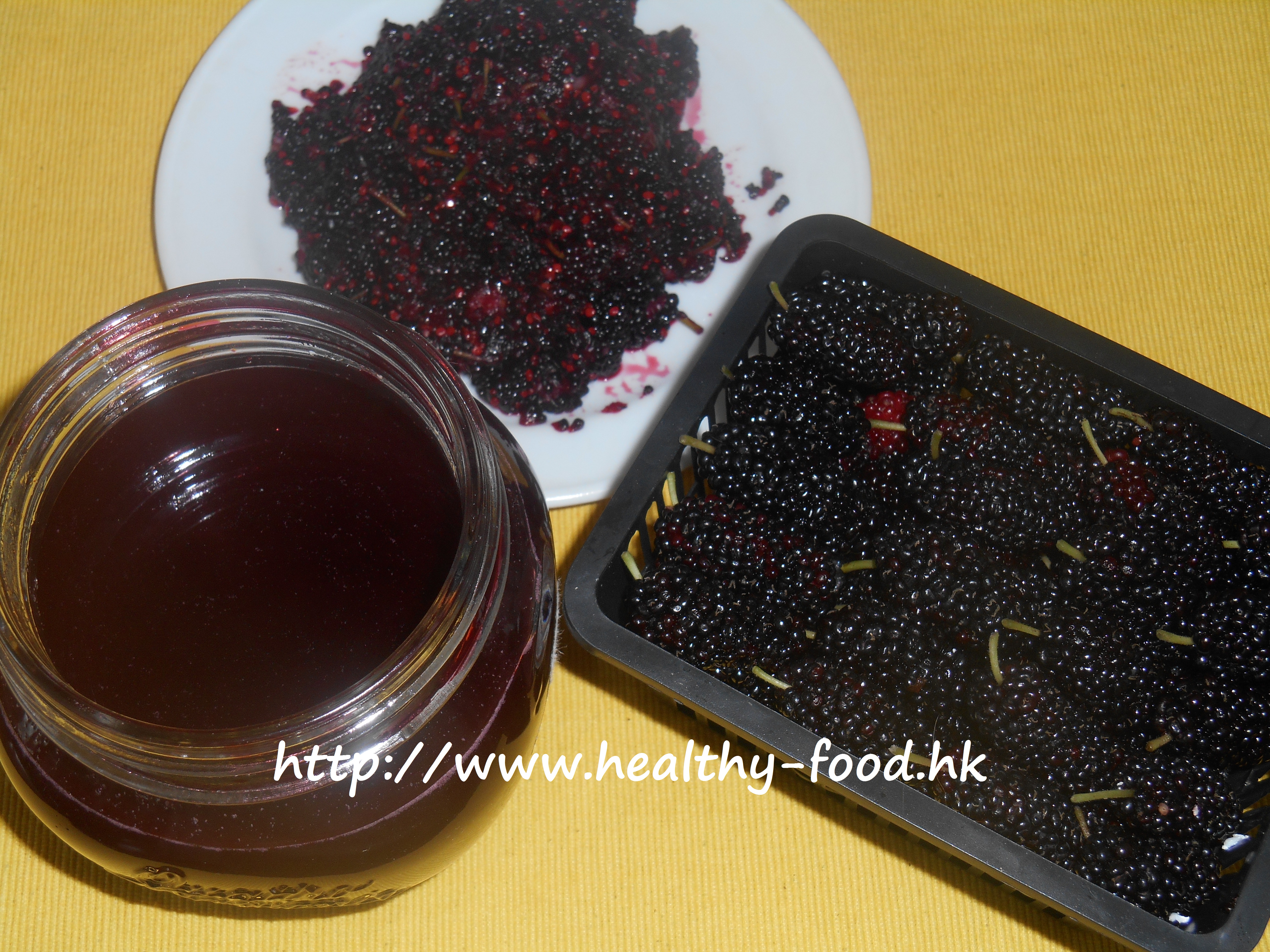
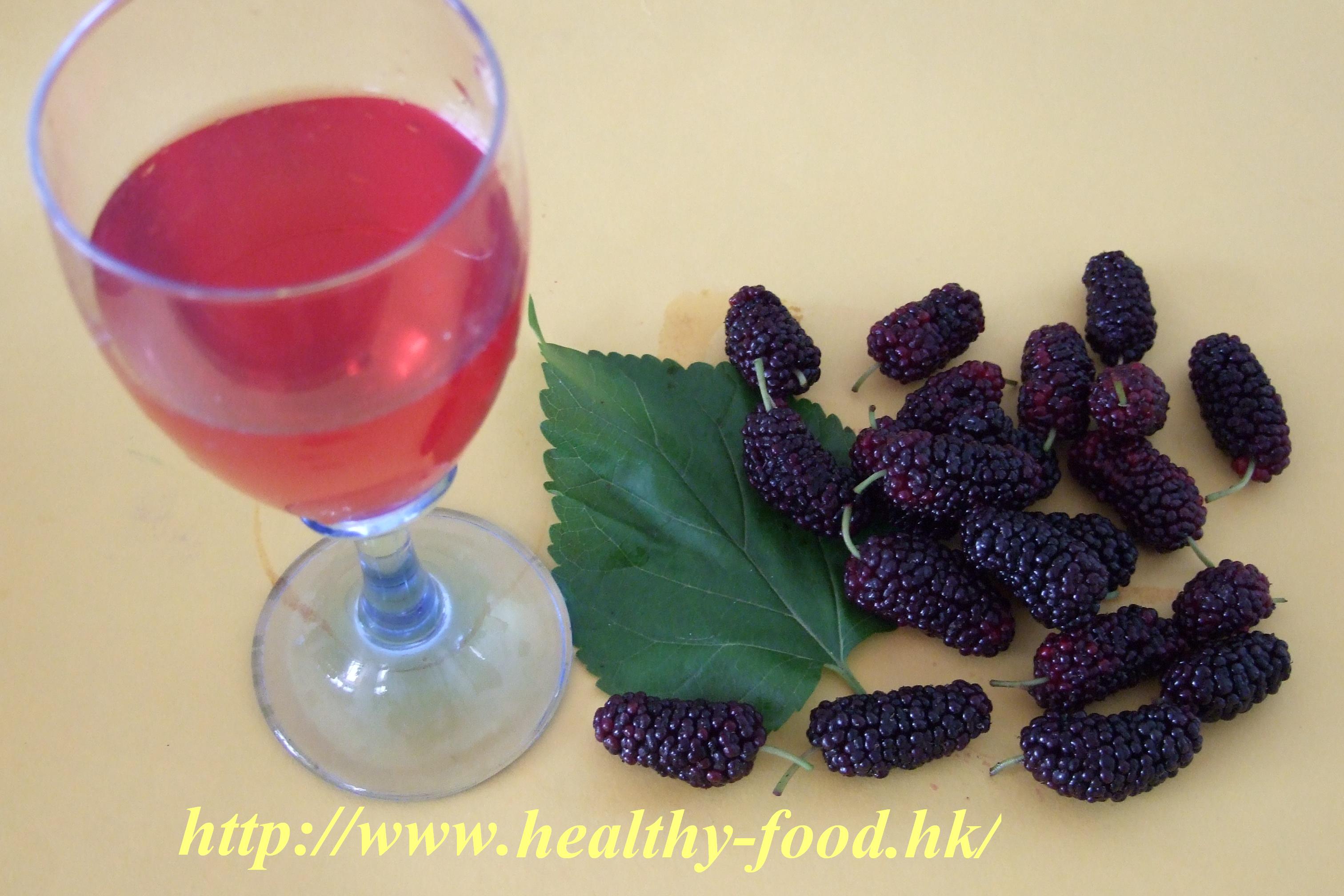
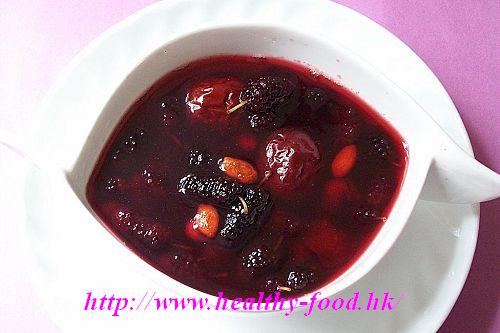
Fresh Mulberry Tonic Wine
traditionally used to nourish liver and kidney yin, support vision, ease tinnitus, promote sleep, and support healthy hair and bowel regularity
In short: Fresh Mulberry Tonic Wine is a tonic drinks & water that traditionally used to nourish liver and kidney yin, support vision, ease tinnitus, promote sleep, and support healthy hair and bowel regularity. It is most often made for cleansing & regularity, children's wellness, skin & natural beauty. Total time about 30 min. Key ingredients: mulberries.
Why people make this wine
When mulberries come into season — those plump, deep-purple or red-brown berries that appear for only a brief window each year — it is the perfect time to make a batch of this tonic wine. Mulberries are one of the most highly regarded fruits in Chinese food therapy for liver and kidney yin nourishment. They are associated with the cluster of symptoms that in Chinese medicine point to a depleted liver-kidney yin pattern: dizziness, tinnitus, insomnia, hair that is going grey too early, and a persistent dry quality to the throat, eyes, or cough. Macerating the cooked fruit in rice wine extracts the active compounds and preserves them; a small daily measure keeps the benefits working steadily over weeks. The taste is pleasant — gently sweet, fruity, and warming.
Method
- Rinse the fresh mulberries under cold water and drain well. Even fresh fruit can harbour insect larvae invisible to the eye, so a brief gentle heat step is important for safety.
- Place the mulberries and brown sugar in a glass pot or clay pot; add no water.
- Simmer over low heat for 10 minutes, stirring gently.
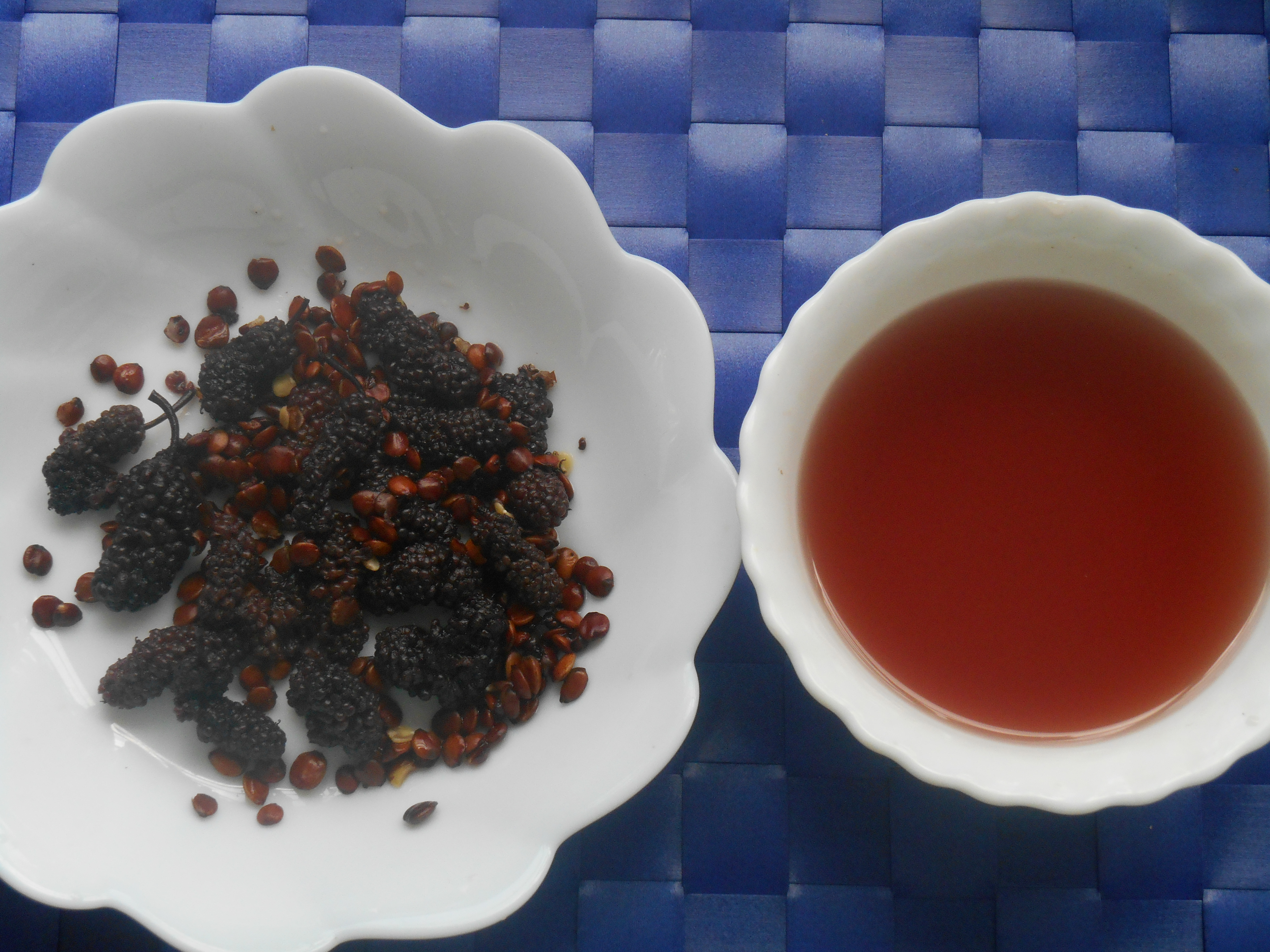
- Using a coffee filter or fine strainer, press the juice and pulp through into a clean glass bottle.
- Pour in the rice wine or osmanthus wine.
- Seal and leave to macerate for 2–3 days before drinking.
- Take 10–15 mL per day (roughly 2–3 teaspoons). Do not exceed this amount.
Nourilo’s Tips
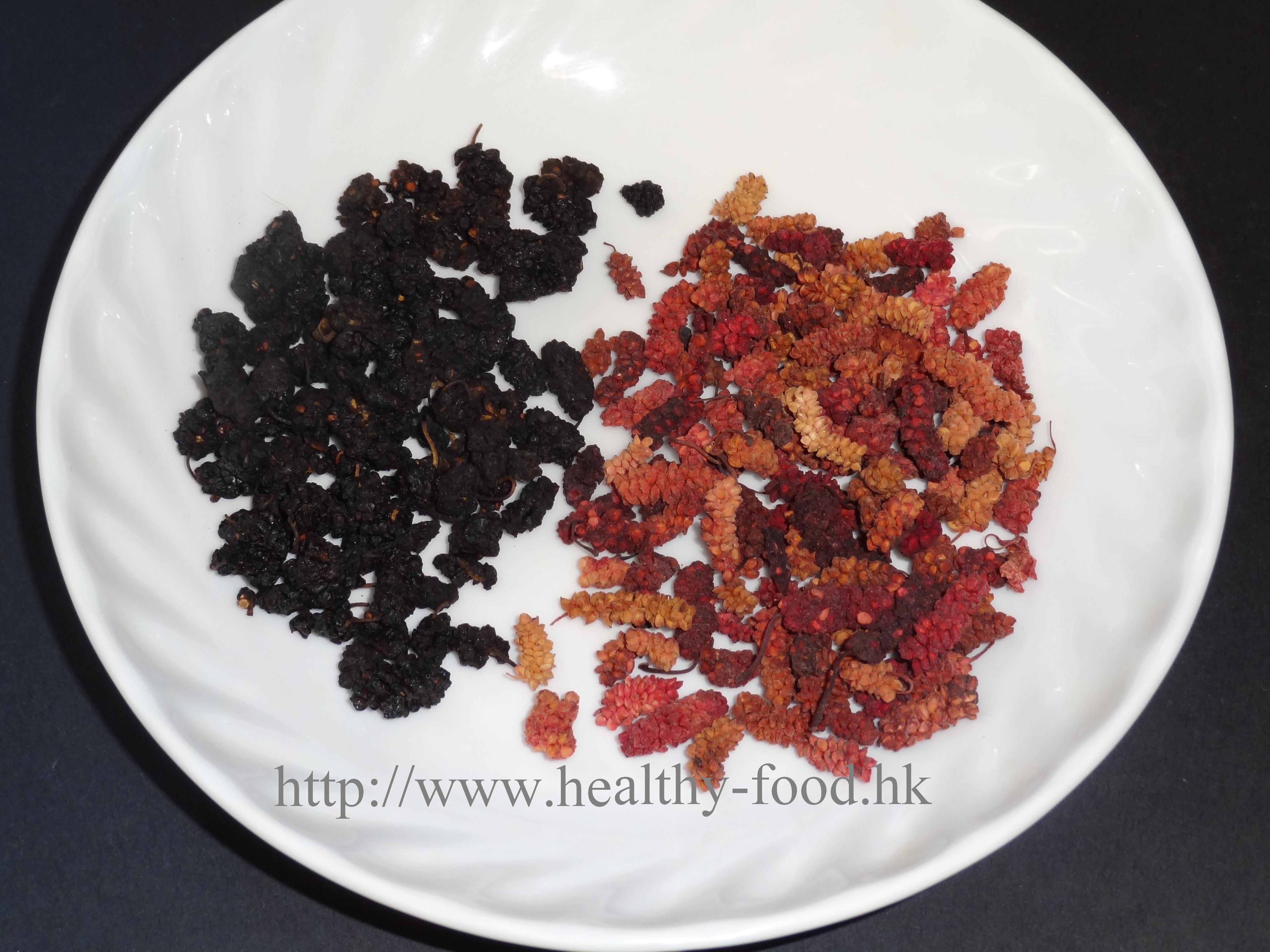
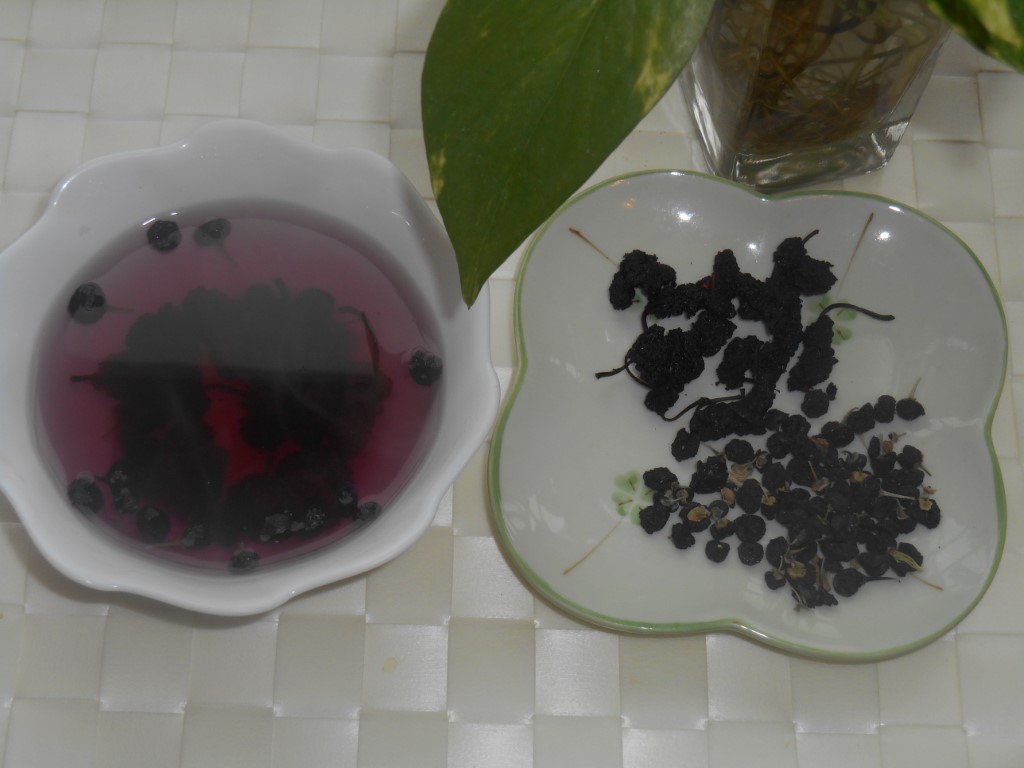
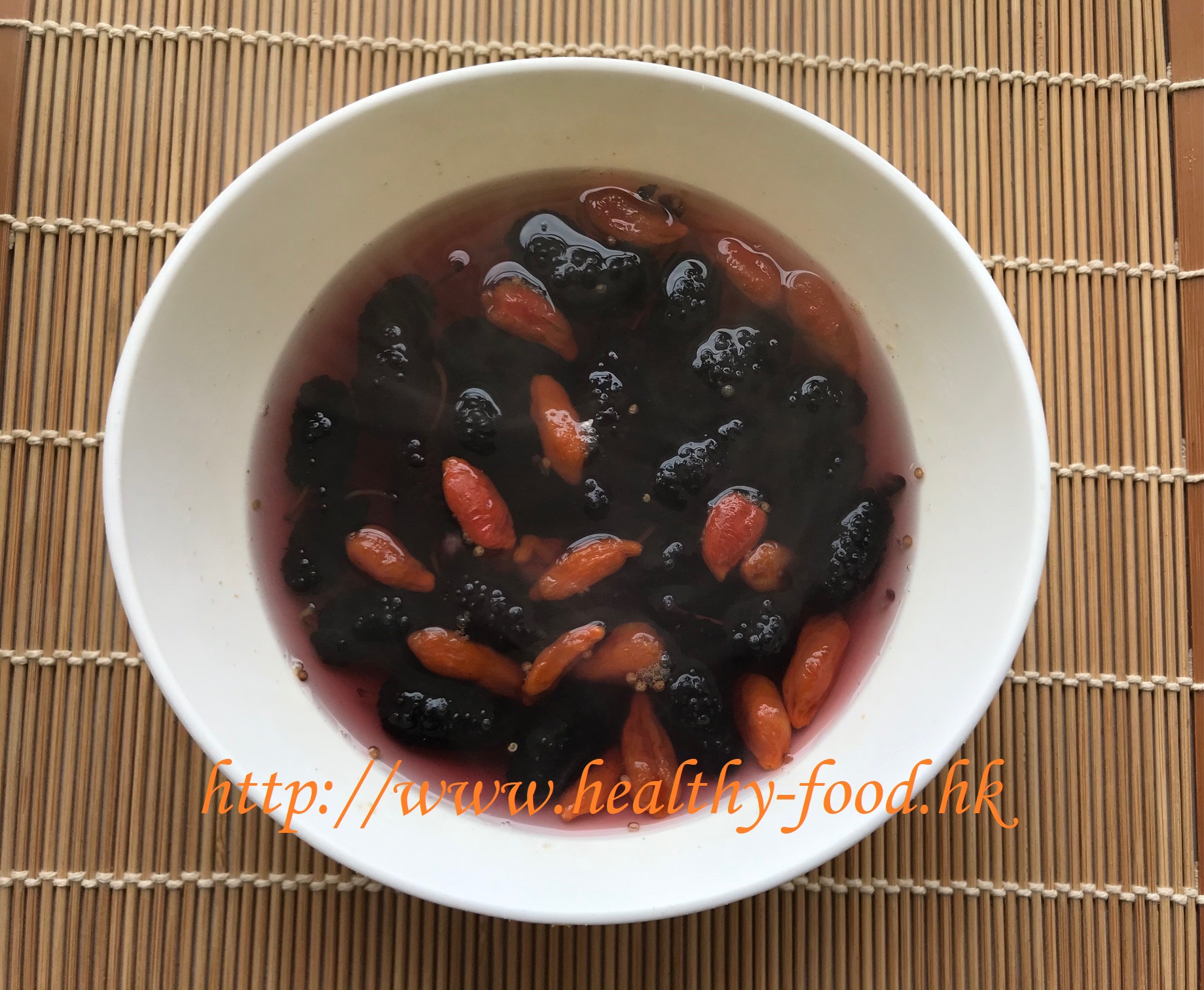
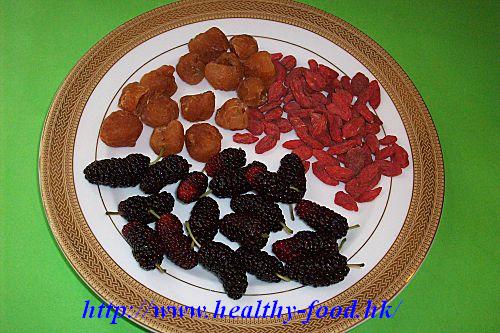
An alternative, more thorough method: after the brief simmer, allow the mulberry mixture to cool completely, then pour it into the glass bottle with all the solids included and add the wine. After 3 days, strain out the solids and store the clear wine — this method extracts more compounds and the result is considered more potent. This tonic is particularly associated with lower-limb joint aching, lower back pain, and urinary difficulty. For those with cold hands and feet (qi-blood deficiency alongside liver-kidney yin deficiency): adding dried longan flesh (yuan rou / long yan rou) to the maceration adds a warming and blood-nourishing dimension. Fresh mulberries are generally available in spring (May to June); deep-purple dried mulberries are available year-round at Chinese or Asian grocers and can be substituted — steam them briefly for 7 minutes, allow to cool, then macerate in wine for 2 weeks.
What studies say about the key ingredients
Traditional use is not the same as clinical proof. Here is the strongest human research we found for each ingredient, limitations included.
- Mulberries
Post-prandial self-monitored glucose was lower than placebo (18.2%), but A1C did not differ between mulberry leaf extract and placebo. Serum creatinine rose about 15% in the extract group.Limitation: Small pilot: only 17 of 24 enrolled participants completed the study, limiting statistical power.PubMed 28619294 · 3 more mulberries studies
From the Nourilo Research Library. Findings come from specific doses, extracts and populations and may not apply to a home-cooked recipe.
Safety first — read before you cook
This is a traditional food, not a treatment. Please check with your doctor or pharmacist before making it a regular part of your diet if you:
- are pregnant or breastfeeding, or are cooking for a young child;
- take regular medicines — especially blood thinners, blood-pressure, diabetes or immune-suppressing drugs;
- have a kidney, liver or heart condition, or a known food allergy.
Ingredient notes for this recipe
- Rice wine / alcohol: This recipe contains alcohol. If you are pregnant or planning a pregnancy, the NHS recommends not drinking alcohol; leave it out or choose another recipe. Source: NHS — Alcohol in pregnancy
Stop eating it and seek advice if you notice an allergic reaction or feel unwell. Safety notes reviewed 8 October 2026 · How we write safety notes
Comments
Join the conversation — sign in or create a free account to comment.
Continue with GoogleBy continuing with Google or email you confirm you are 16 or older and agree to our Terms of Use and Privacy Policy.
Loading comments…