Congee & Porridge
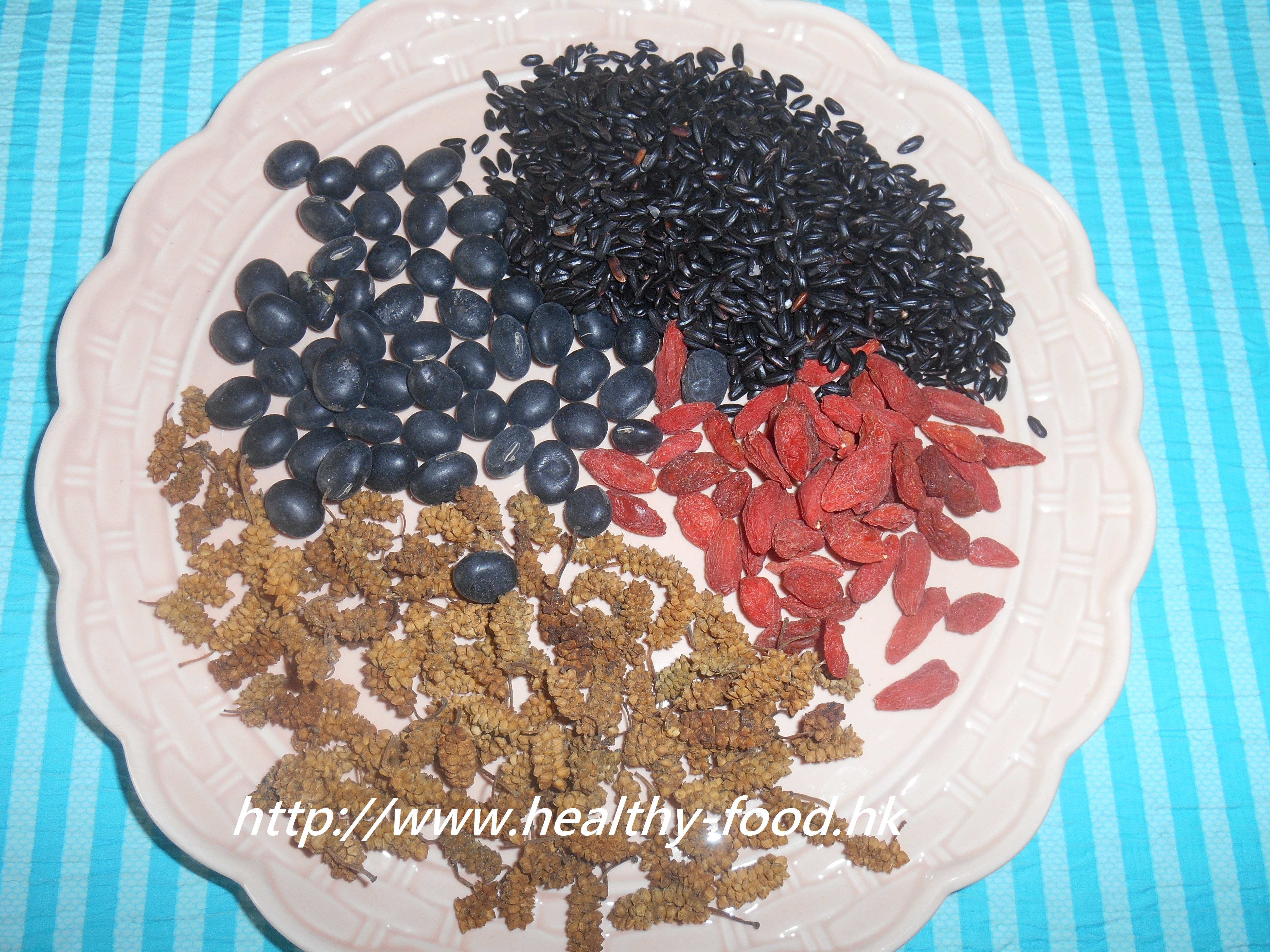
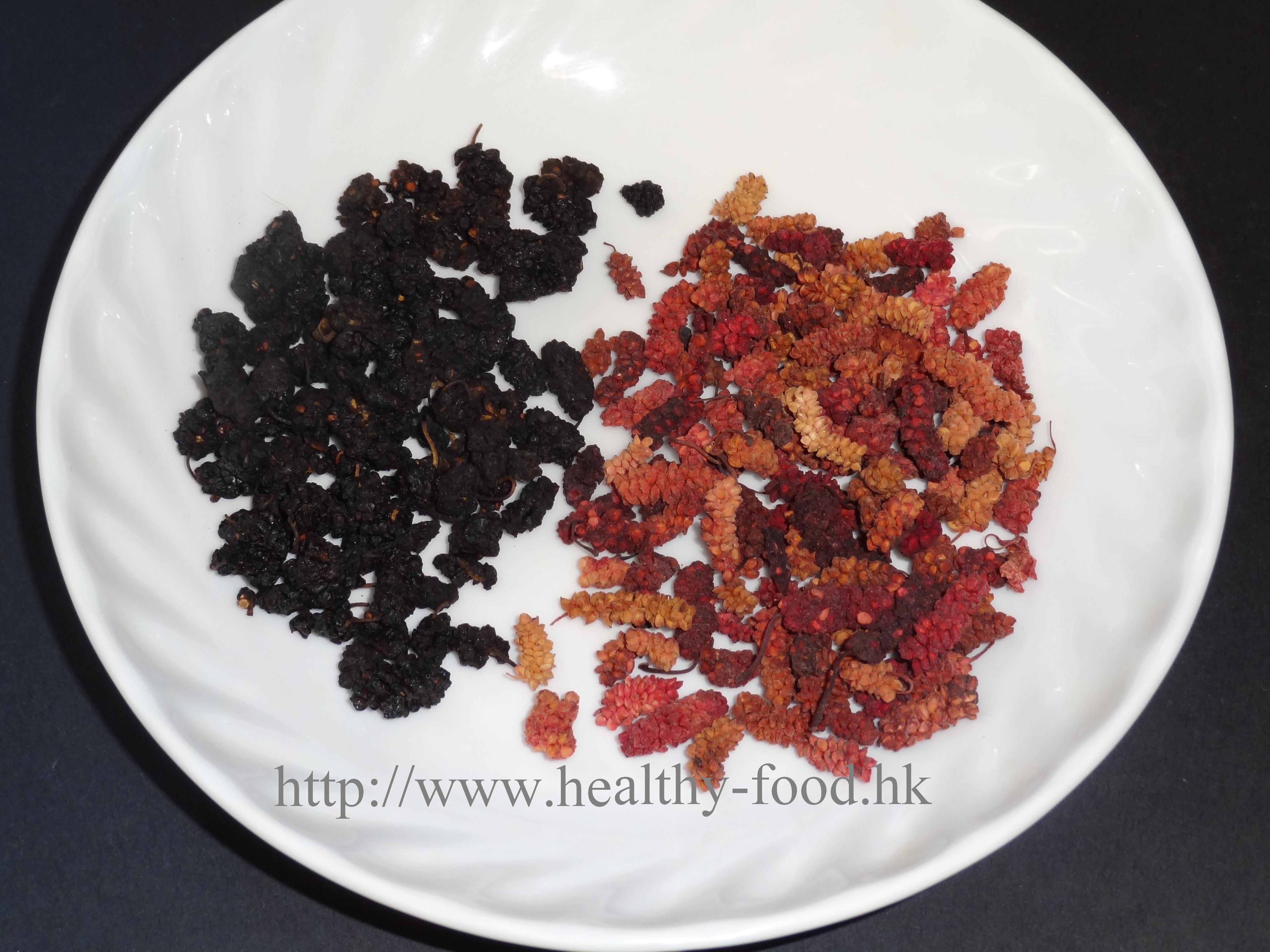
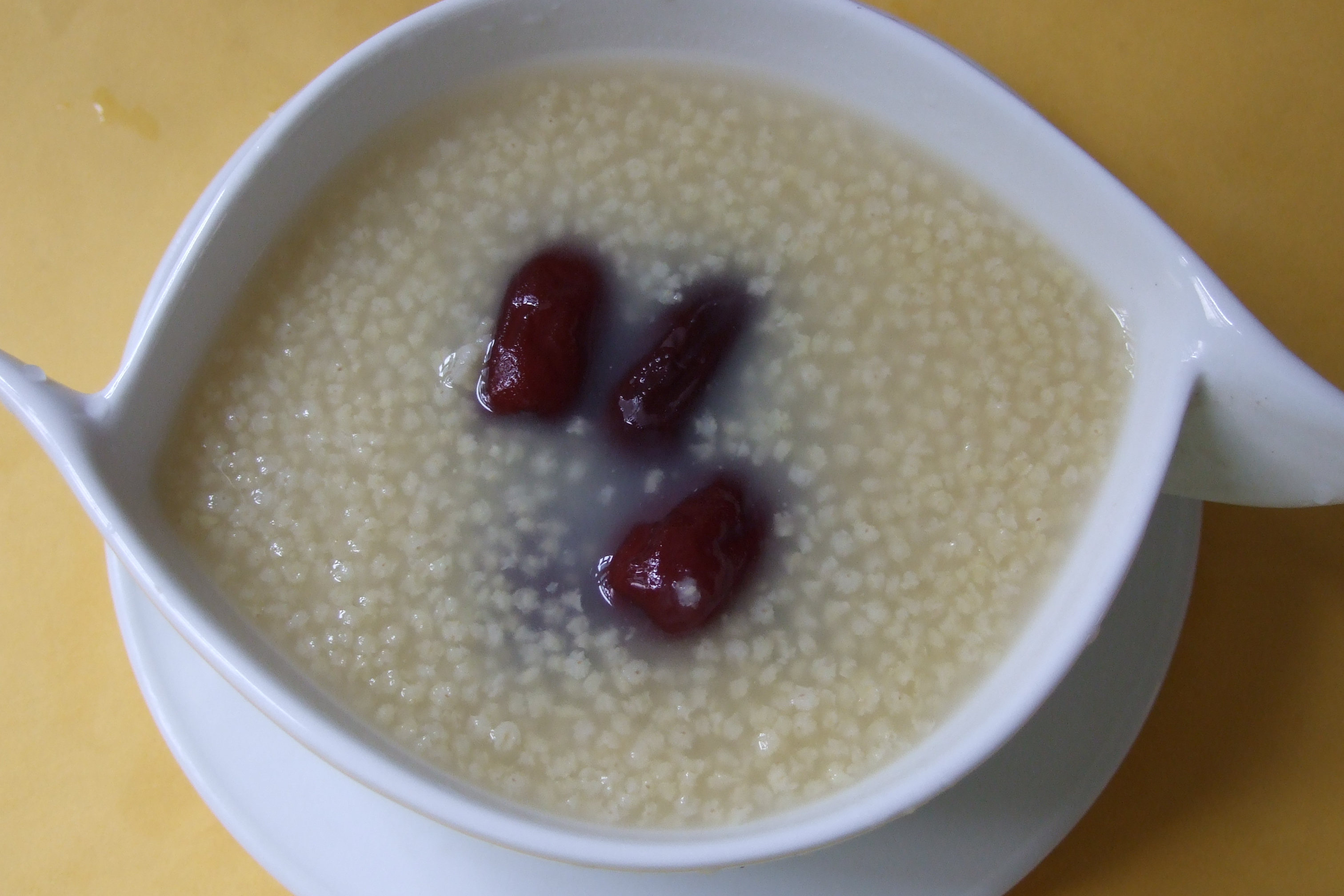
Mulberry, Black Bean, Goji and Black Rice Congee
Traditionally used to nourish the kidneys, support hair health and ease fatigue
In short: Mulberry, Black Bean, Goji and Black Rice Congee is a congee & porridge that Traditionally used to nourish the kidneys, support hair health and ease fatigue. It is most often made for digestive wellness, children's wellness, skin & natural beauty. Total time about 1 hr 45 min. Key ingredients: mulberries, goji berries.
Why people make this congee
In Chinese food therapy, mulberry is considered one of the great “kidney-nourishing fruits,” traditionally associated with easing fatigue, supporting memory, calming a restless mind and encouraging healthy, dark hair. When fresh mulberries are in season they arrive sweet, slightly tart, and deeply purple-black — a sign of the very anthocyanins that make them so valued. Paired with black soybeans, goji berries and black rice — all foods that share a similar traditional reputation — this congee becomes a gentle but substantial one-pot meal that Nourilo recommends for anyone feeling run-down, experiencing early greying, or recovering from illness.
The congee is mild in nature. Fresh mulberries are slightly cooling, so if you tend to feel cold easily, use the dried variety and you will find the overall balance more agreeable.
Method
- Rinse the mulberries and goji berries, then soak briefly in cold water.
- Rinse the black soybeans and black rice together, then soak in cold water for 1 hour.
- Bring 2.1 L of water to a boil in a pot.
- Add all ingredients — mulberries, soybeans, goji berries and black rice — and bring back to a rolling boil.
- Reduce heat to medium-low and cook, partially covered, for about 1.5 hours until the rice is very soft and the congee has a creamy consistency.
- Serve warm, eating both the liquid and the grains.
Nourilo’s Tips
Fresh mulberries give a better flavour and are considered more potent, so use them whenever they are in season. Out of season, dried mulberries from a Chinese herb shop work fine — aim for the black-skinned variety, which is thought to have the strongest tonic quality. If your local market carries black glutinous rice and black brown rice, either works; I personally prefer black brown rice. This congee is gentle enough to eat regularly. For ear ringing associated with kidney deficiency, fatigue or poor sleep, Nourilo says consistent use over several weeks is what makes a difference — a single bowl here and there is enjoyable but patience is the real ingredient.
What studies say about the key ingredients
Traditional use is not the same as clinical proof. Here is the strongest human research we found for each ingredient, limitations included.
- Mulberries
Post-prandial self-monitored glucose was lower than placebo (18.2%), but A1C did not differ between mulberry leaf extract and placebo. Serum creatinine rose about 15% in the extract group.Limitation: Small pilot: only 17 of 24 enrolled participants completed the study, limiting statistical power.PubMed 28619294 · 3 more mulberries studies - Black soybeans
Systolic blood pressure fell more in the black soy peptide group (-9.69 mm Hg) than in the placebo group (-2.91 mm Hg) after baseline adjustment. Plasma malondialdehyde decreased and superoxide dismutase activity increased compared with placebo.Limitation: Used an isolated peptide supplement rather than whole black soybeans, and followed participants for only 8 weeks, so the results may not apply to food intake.PubMed 23924691 - Goji berries
Compared with placebo (n=80), the goji juice group (n=81) reported greater improvements in several self-rated symptoms, including stress, mental acuity, sleep quality and overall well-being, under a random effects model.Limitation: Outcomes were self-reported symptom questionnaires, and several symptoms showed significant heterogeneity across the four pooled trials of a single branded juice.PubMed 22897500 · 3 more goji berries studies
From the Nourilo Research Library. Findings come from specific doses, extracts and populations and may not apply to a home-cooked recipe.
Safety first — read before you cook
This is a traditional food, not a treatment. Please check with your doctor or pharmacist before making it a regular part of your diet if you:
- are pregnant or breastfeeding, or are cooking for a young child;
- take regular medicines — especially blood thinners, blood-pressure, diabetes or immune-suppressing drugs;
- have a kidney, liver or heart condition, or a known food allergy.
Ingredient notes for this recipe
- Goji berries: A few cases of raised INR (a bleeding-risk marker) have been reported in people taking warfarin after drinking concentrated goji tea or wine. If you take a blood thinner, check with your doctor. Source: Memorial Sloan Kettering — Lycium
Stop eating it and seek advice if you notice an allergic reaction or feel unwell. Safety notes reviewed 8 October 2026 · How we write safety notes

Comments
Join the conversation — sign in or create a free account to comment.
Continue with GoogleBy continuing with Google or email you confirm you are 16 or older and agree to our Terms of Use and Privacy Policy.
Loading comments…