Home-Style Dishes
Sweet Vinegar Black Beans (Tian Cu Pao Hei Dou)
Traditionally associated with nourishing the liver and kidneys, strengthening bones and tendons, and brightening vision
In short: Sweet Vinegar Black Beans (Tian Cu Pao Hei Dou) is a home-style dishe that Traditionally associated with nourishing the liver and kidneys, strengthening bones and tendons, and brightening vision. It is most often made for digestive wellness, children's wellness, liver wellness. Total time about 30 min. Key ingredients: green-kernel black beans.
Why people make this
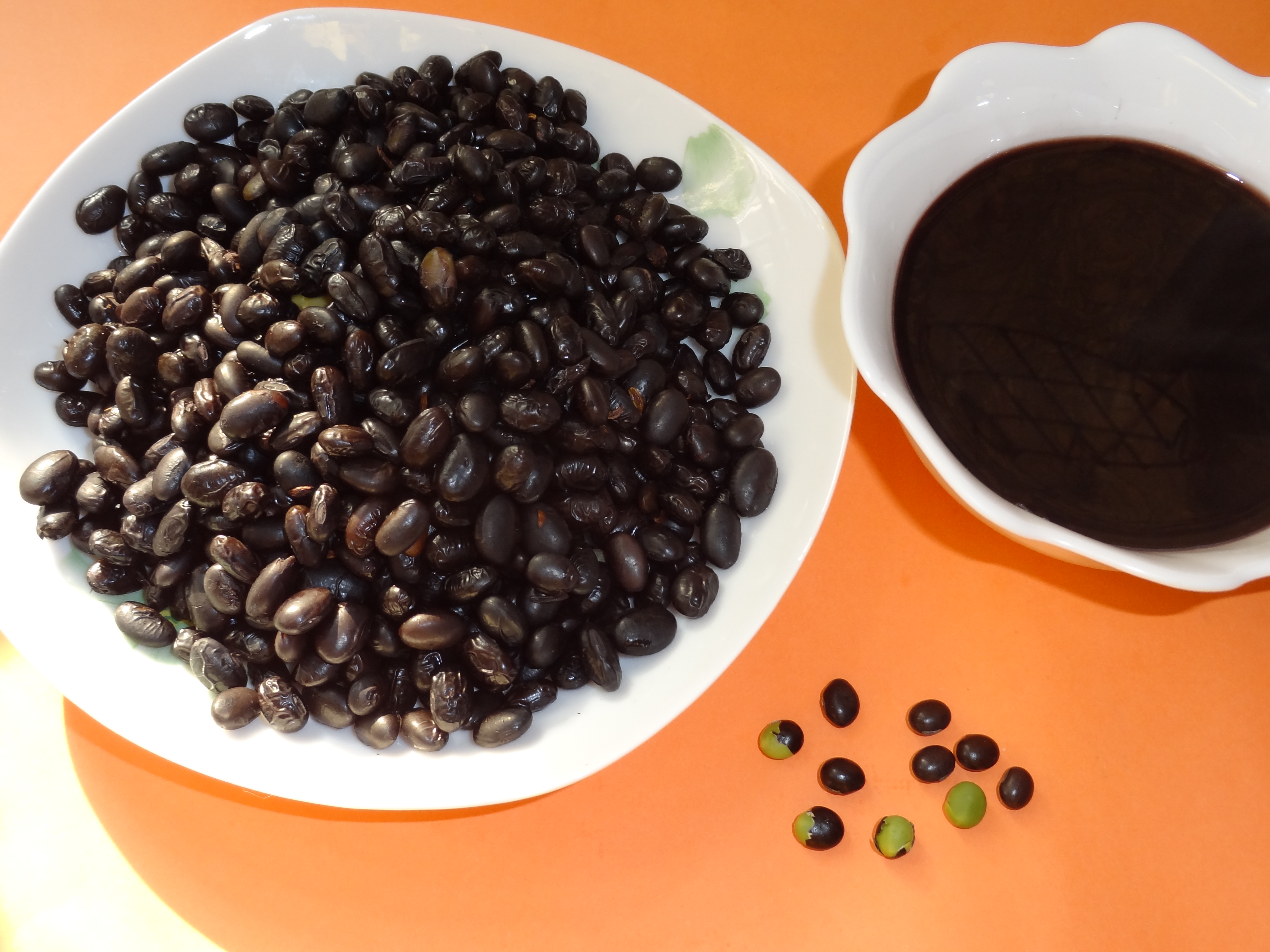
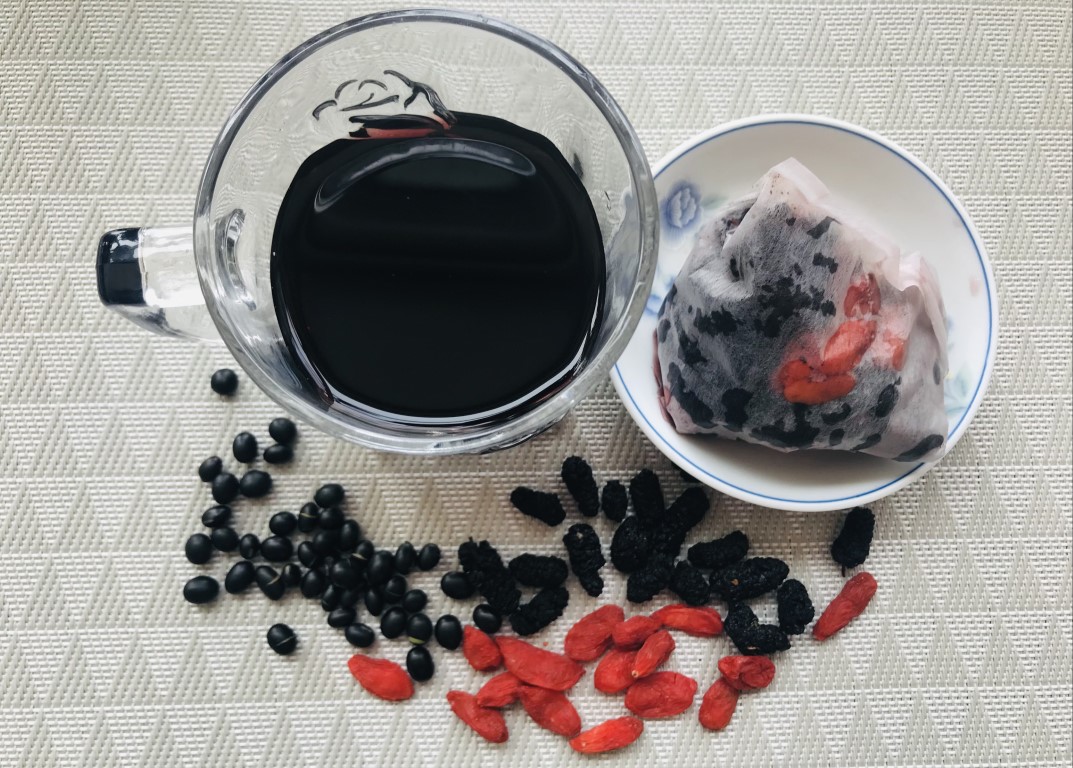
This is one of the simplest, most time-honored food-therapy preparations in the Cantonese tradition — and arguably one of the most elegant. Black beans have long held a special place in Chinese food therapy: the black outer skin is associated with the kidneys (black corresponds to the Water element and the kidneys in five-element theory), while the green interior flesh is associated with the liver. So in one small jar, you get a preparation that is traditionally believed to nourish both organs simultaneously. The sweet vinegar — a distinctive Cantonese ingredient — gently acidifies the beans, preserving them and making their nutrients more bioavailable, while also adding its own digestive benefits. One to two tablespoons a day as a condiment or eaten straight is the traditional dose.
Method
- Rinse the black beans, then drain thoroughly and pat dry.
- In an ungreased frying pan (no oil), pan-roast the beans over medium heat for about 7 minutes, stirring, until the skins begin to crack.
- Reduce to low heat and continue dry-roasting for another 3 minutes.
- Remove from heat and allow the beans to cool completely for at least 15 minutes.
- Transfer the cooled beans into a clean, dry glass jar with a lid, filling it to about 70% capacity.
- Pour in the sweet vinegar until the jar is completely full and the beans are well submerged.
- Seal the lid and store in a cool, dark place.
- After 2 weeks of soaking, the beans are ready to eat. Consume 1–2 tablespoons per day.
Nourilo’s Tips
Use only the green-kernel (qing ren) variety of black beans for this recipe — they contain the highest therapeutic value. The beans must be fully cooled before you pour in the vinegar, to avoid introducing moisture. Make sure the jar and all utensils that touch the beans are completely clean and dry — any moisture or contamination can cause mold. Store in a cool, shaded place (no need for the refrigerator in cool weather). The beans can keep for up to about six months. If the beans feel too hard for elderly people, they can be briefly pre-soaked in water before roasting, then roasted over low heat for 12 minutes to soften them slightly before soaking in the vinegar.
What studies say about the key ingredients
Traditional use is not the same as clinical proof. Here is the strongest human research we found for each ingredient, limitations included.
- Black soybeans
Systolic blood pressure fell more in the black soy peptide group (-9.69 mm Hg) than in the placebo group (-2.91 mm Hg) after baseline adjustment. Plasma malondialdehyde decreased and superoxide dismutase activity increased compared with placebo.Limitation: Used an isolated peptide supplement rather than whole black soybeans, and followed participants for only 8 weeks, so the results may not apply to food intake.PubMed 23924691
From the Nourilo Research Library. Findings come from specific doses, extracts and populations and may not apply to a home-cooked recipe.
Safety first — read before you cook
This is a traditional food, not a treatment. Please check with your doctor or pharmacist before making it a regular part of your diet if you:
- are pregnant or breastfeeding, or are cooking for a young child;
- take regular medicines — especially blood thinners, blood-pressure, diabetes or immune-suppressing drugs;
- have a kidney, liver or heart condition, or a known food allergy.
Stop eating it and seek advice if you notice an allergic reaction or feel unwell. Safety notes reviewed 8 October 2026 · How we write safety notes
Comments
Join the conversation — sign in or create a free account to comment.
Continue with GoogleBy continuing with Google or email you confirm you are 16 or older and agree to our Terms of Use and Privacy Policy.
Loading comments…