Herbal & Flower Teas
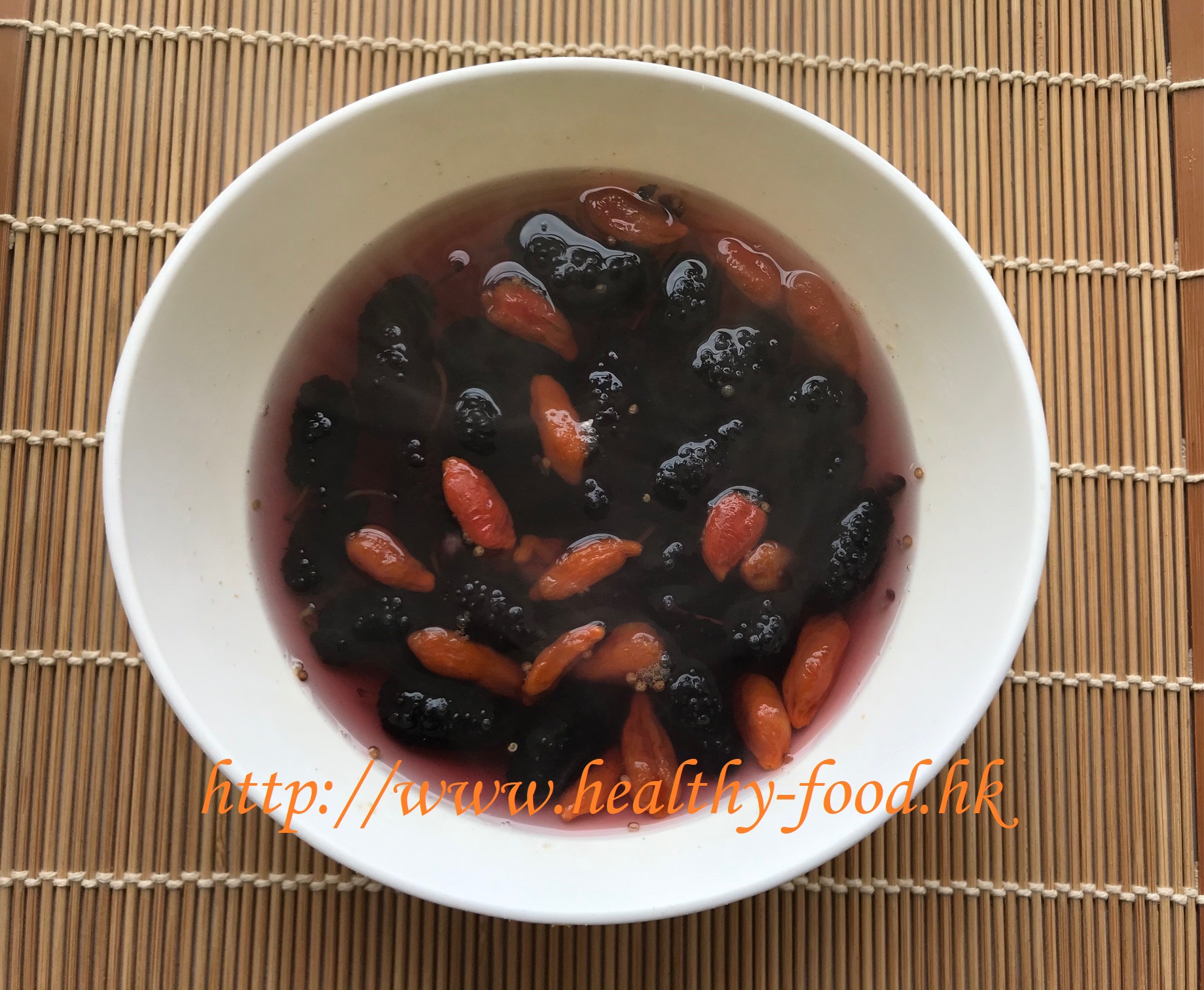
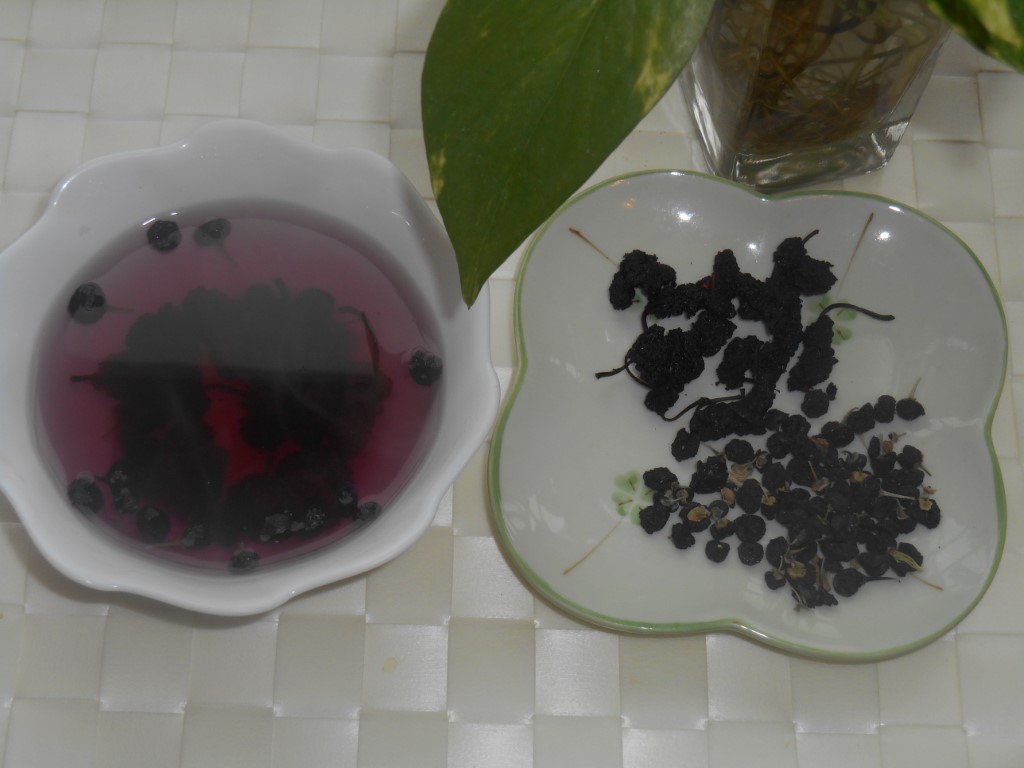
Fresh Mulberry and Goji Berry Tea
traditionally used to nourish liver and kidney yin, support eye health, and moisten the intestines
In short: Fresh Mulberry and Goji Berry Tea is a herbal & flower tea that traditionally used to nourish liver and kidney yin, support eye health, and moisten the intestines. It is most often made for children's wellness, skin & natural beauty, blood sugar balance. Total time about 25 min. Key ingredients: mulberries, goji berries.
Why people make this tea
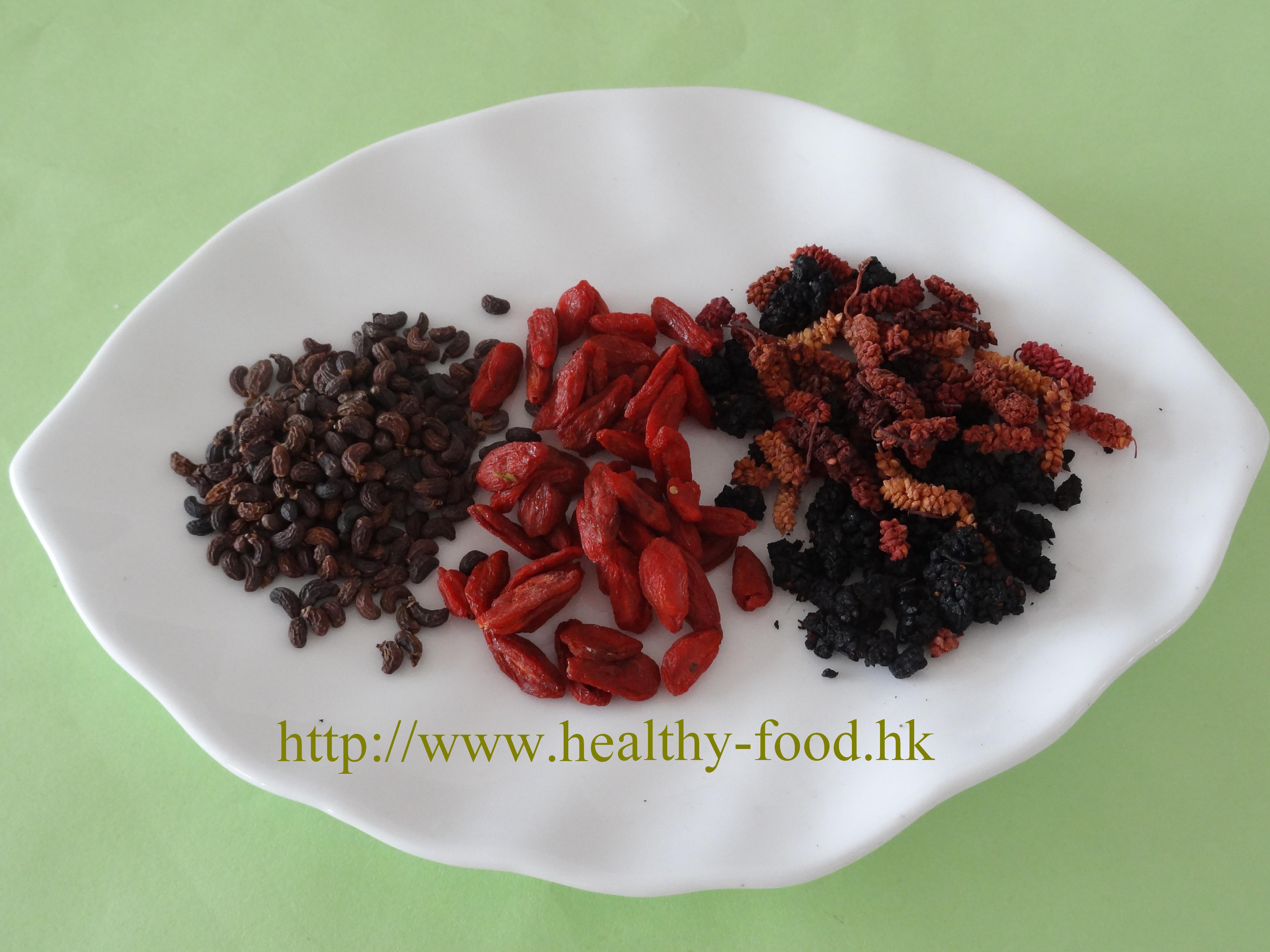
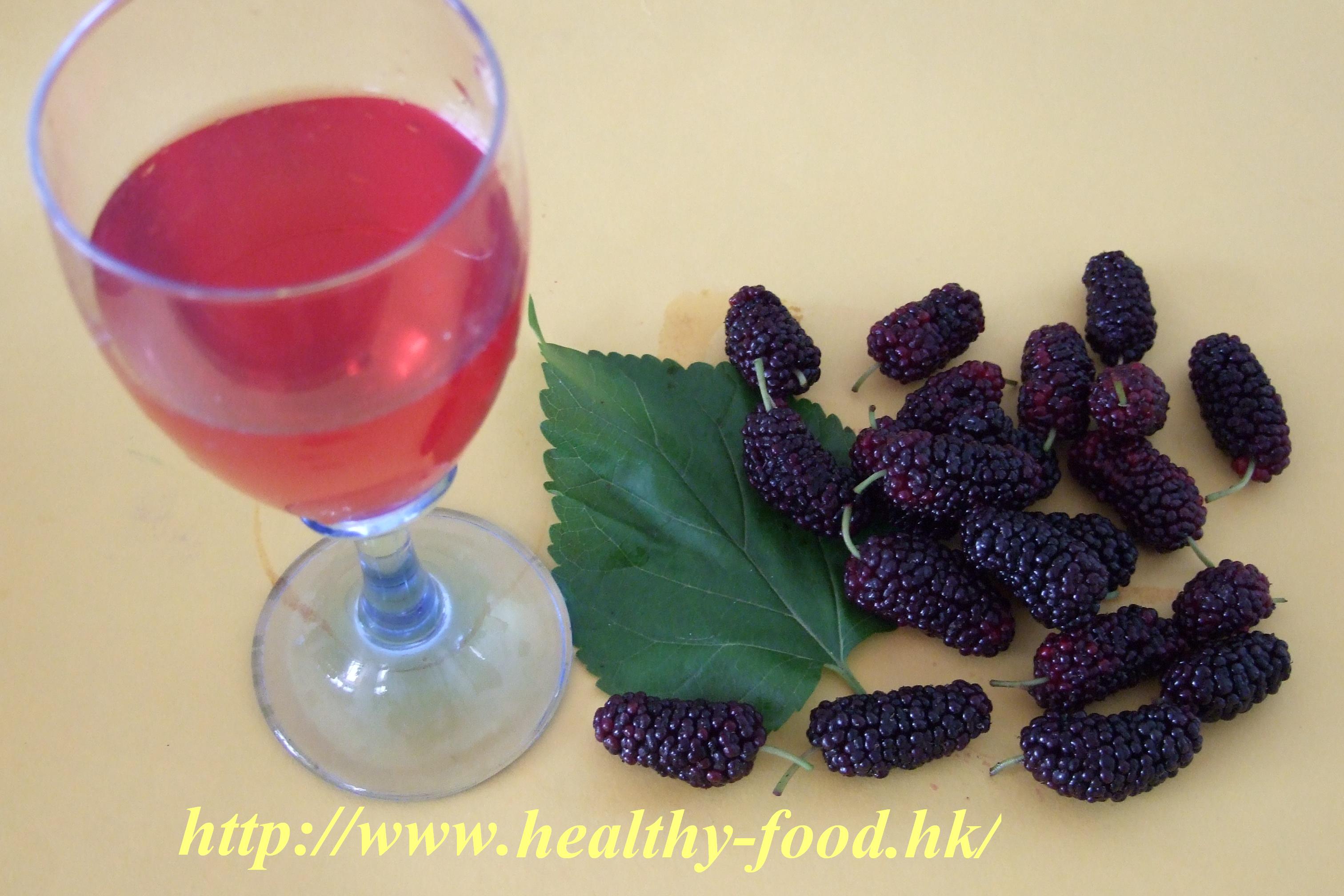
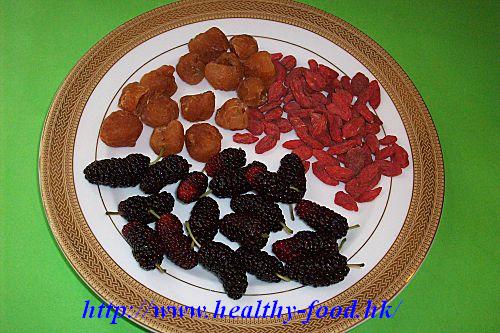
The entire mulberry tree is valued in traditional Chinese practice — the leaves, young shoots, root bark, branches, and fruit all have recognised uses. But it is the ripe, deep-purple berries that arrive in spring for a brief, beautiful season that Nourilo particularly loves to make use of. They are naturally sweet, deeply coloured, and packed with anthocyanins and antioxidants that modern nutrition research associates with healthy ageing and eye protection. Fresh mulberries are also notably high in zinc, which is associated with children’s cognitive development and with healthy cognitive function as we age.
Combined with goji berries — themselves prized for their zeaxanthin content and liver-kidney nourishing properties — this becomes one of the simplest and most elegant seasonal teas you can make. Two ingredients. Twenty minutes. And a tea that looks and tastes like something far more complicated.
What studies say about the key ingredients
Traditional use is not the same as clinical proof. Here is the strongest human research we found for each ingredient, limitations included.
- Mulberries
Post-prandial self-monitored glucose was lower than placebo (18.2%), but A1C did not differ between mulberry leaf extract and placebo. Serum creatinine rose about 15% in the extract group.Limitation: Small pilot: only 17 of 24 enrolled participants completed the study, limiting statistical power.PubMed 28619294 · 3 more mulberries studies - Goji berries
Compared with placebo (n=80), the goji juice group (n=81) reported greater improvements in several self-rated symptoms, including stress, mental acuity, sleep quality and overall well-being, under a random effects model.Limitation: Outcomes were self-reported symptom questionnaires, and several symptoms showed significant heterogeneity across the four pooled trials of a single branded juice.PubMed 22897500 · 3 more goji berries studies
From the Nourilo Research Library. Findings come from specific doses, extracts and populations and may not apply to a home-cooked recipe.
Safety first — read before you cook
This is a traditional food, not a treatment. Please check with your doctor or pharmacist before making it a regular part of your diet if you:
- are pregnant or breastfeeding, or are cooking for a young child;
- take regular medicines — especially blood thinners, blood-pressure, diabetes or immune-suppressing drugs;
- have a kidney, liver or heart condition, or a known food allergy.
Ingredient notes for this recipe
- Goji berries: A few cases of raised INR (a bleeding-risk marker) have been reported in people taking warfarin after drinking concentrated goji tea or wine. If you take a blood thinner, check with your doctor. Source: Memorial Sloan Kettering — Lycium
Stop eating it and seek advice if you notice an allergic reaction or feel unwell. Safety notes reviewed 8 October 2026 · How we write safety notes
Members only
Unlock the full method & Nourilo's tips
One payment, lifetime access to every one of our 2,344 recipes — step-by-step methods, preparation tips and serving notes.
- Full step-by-step method for this and all 2,344 recipes
- Nourilo's Tips — sourcing, substitutions and serving notes
- One-time payment · card, Apple Pay or Google Pay · no subscription, no renewals
Checking your access…
$59.99 one-time · all recipes
Sign in or create a free account, then pay once by card, Apple Pay or Google Pay.
Continue with GoogleBy continuing with Google or email you confirm you are 16 or older and agree to our Terms of Use and Privacy Policy.
$59.99 one-time · all recipes
Signed in as ·
Secure checkout by Stripe. One-time payment, no renewals. Access is linked to your Nourilo account and never expires. By paying you agree to our Terms of Use; you can get a full refund within 14 days (refund policy).

Comments
Join the conversation — sign in or create a free account to comment.
Continue with GoogleBy continuing with Google or email you confirm you are 16 or older and agree to our Terms of Use and Privacy Policy.
Loading comments…