Soups
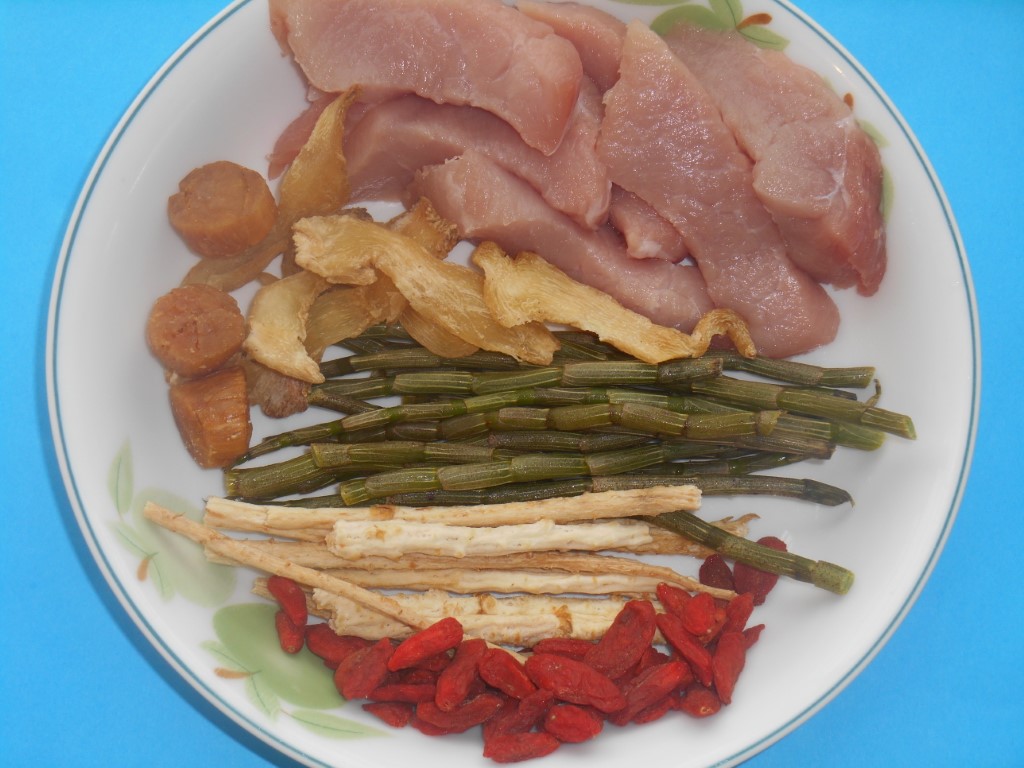
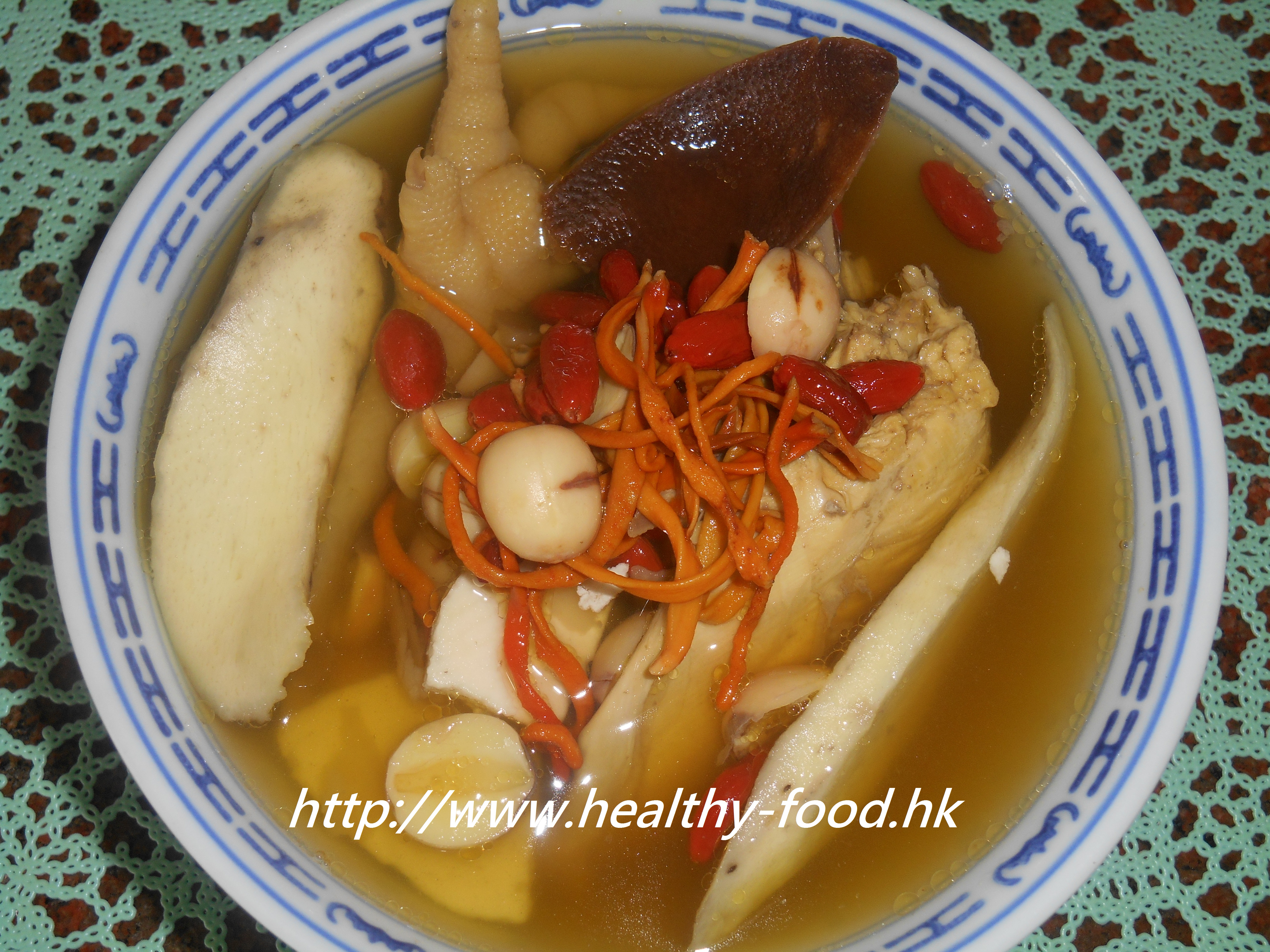
Fresh Dendrobium, Sand Root and Solomon's Seal Soup with Lean Pork
Traditionally nourishes yin and moistens dryness
In short: Fresh Dendrobium, Sand Root and Solomon's Seal Soup with Lean Pork is a soup that Traditionally nourishes yin and moistens dryness. It is most often made for respiratory & lung wellness, digestive wellness, cooling & summer heat. Total time about 3 hr 20 min. Key ingredients: dendrobium, solomon's seal, goji berries, dried scallops.
Why people make this soup
Nourilo often points out that people who are run-down can feel worse, not better, when they take strong tonics like ginseng or deer antler — the body is too depleted to “receive” them and ends up feeling overheated. This soup takes the gentler road instead: clearing heat, nourishing yin, settling the stomach and easing thirst. It is a comforting, everyday bowl rather than a heavy tonic.
Method
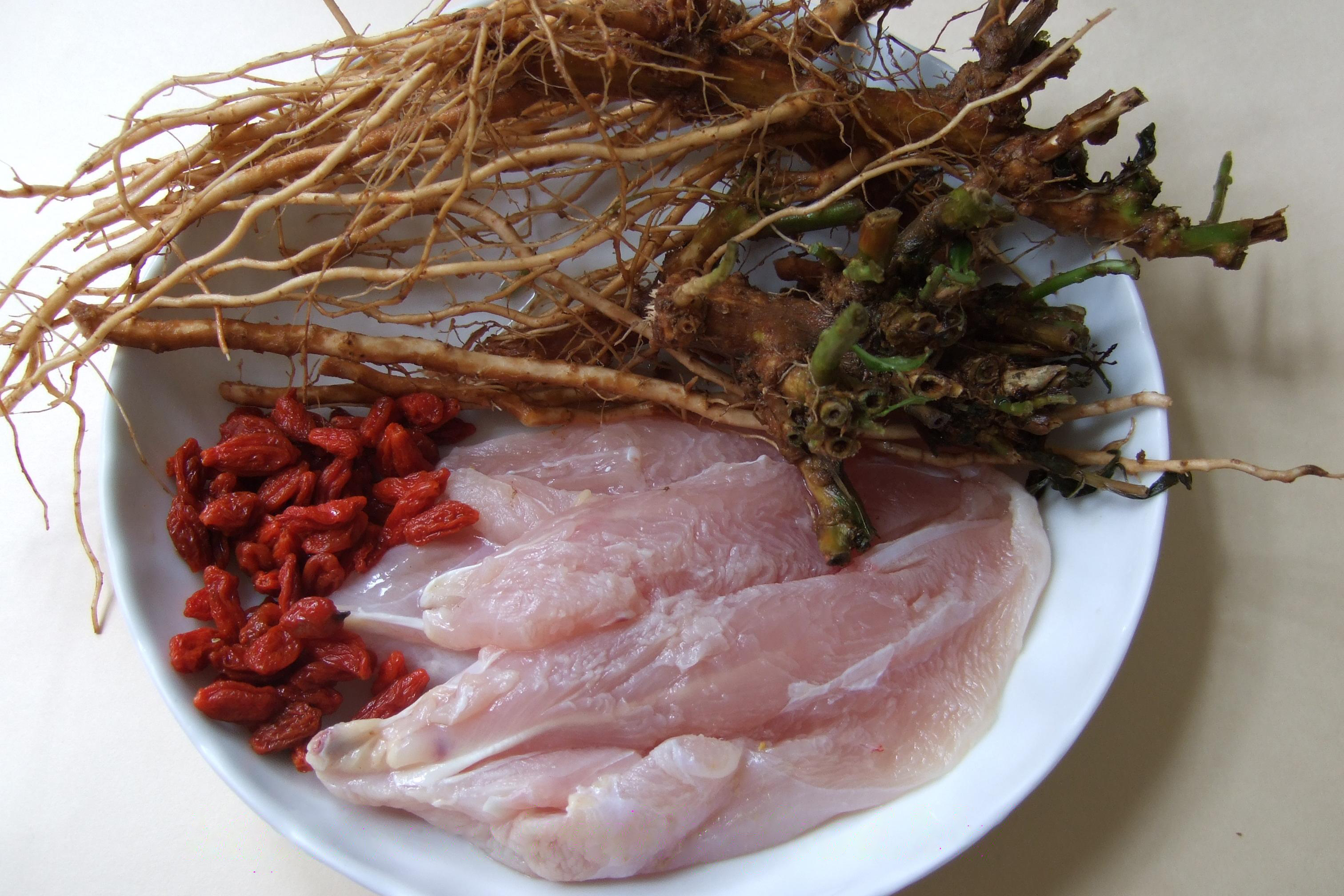
- Rinse the fresh dendrobium and cut into segments.
- Slice the lean pork, then blanch it briefly in boiling water and drain.
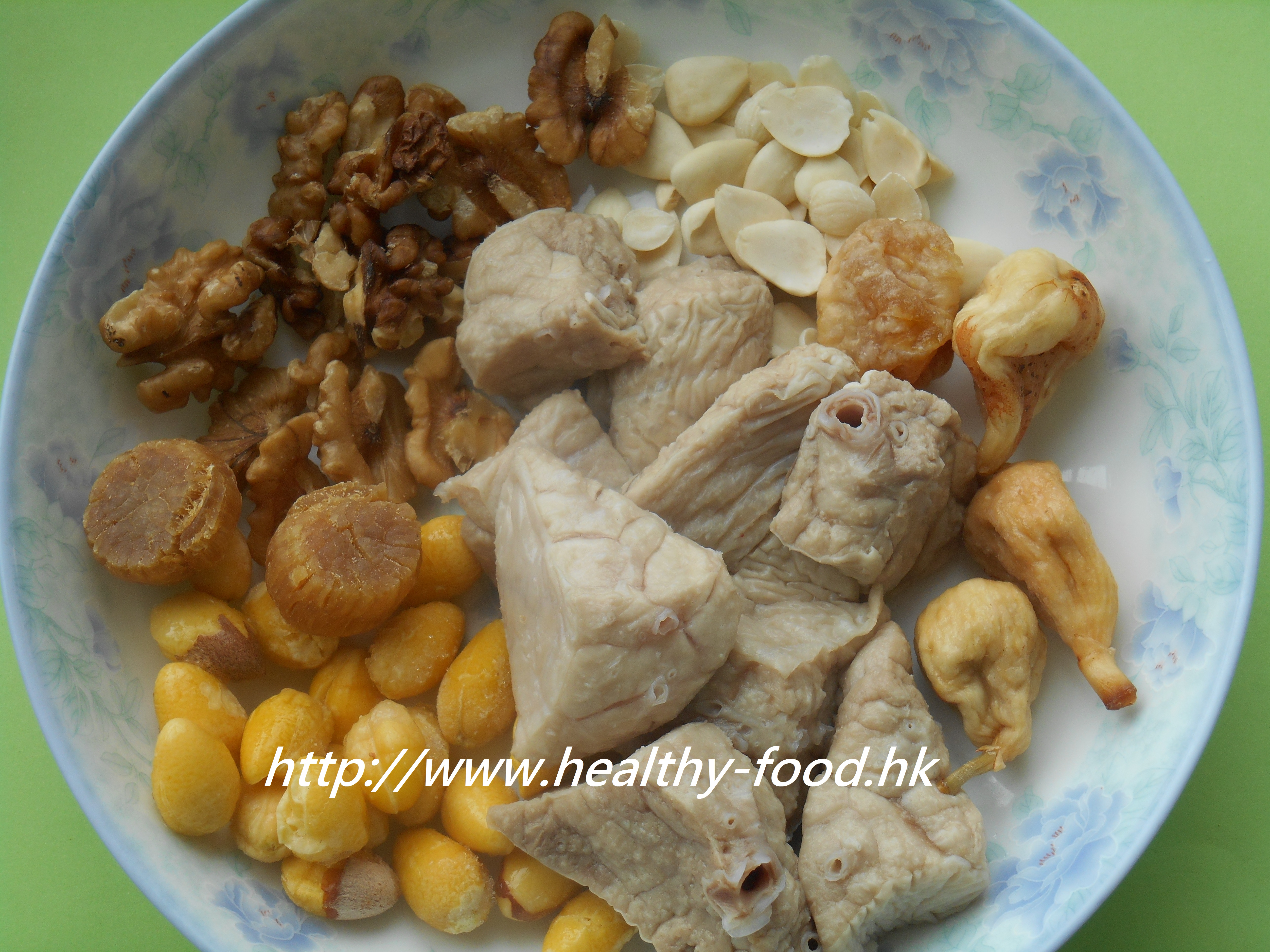
- Rinse and soak the remaining ingredients.
- Place everything in a double-boiler pot, add 900 ml of boiling water, and double-boil (steam) for 3 hours.
- Serve the soup together with the ingredients.
Nourilo’s Tips
This can be double-boiled or simmered on the stove. The double-boiled version is clearer and gentler — better for people recovering from surgery or illness. Women recovering after childbirth, and those with a dry throat after radiation or chemotherapy, may also find it soothing. If you prefer the stovetop method for 2–3 people, simmer this amount in about 2.1 L of water for roughly 90 minutes down to 900 ml.
What studies say about the key ingredients
Traditional use is not the same as clinical proof. Here is the strongest human research we found for each ingredient, limitations included.
- Dendrobium
Salivary flow rate and oral mucosal scores improved more in the Dendrobium group than in the control group using vitamin B12 rinse alone (P < .05). Serum IL-10 rose from baseline, and oral bacterial composition differed.Limitation: Small single-hospital sample; the Dendrobium group also used the B12 rinse, and the abstract does not say whether the control group received a placebo drink.PubMed 39811879 · 2 more dendrobium studies - Goji berries
Compared with placebo (n=80), the goji juice group (n=81) reported greater improvements in several self-rated symptoms, including stress, mental acuity, sleep quality and overall well-being, under a random effects model.Limitation: Outcomes were self-reported symptom questionnaires, and several symptoms showed significant heterogeneity across the four pooled trials of a single branded juice.PubMed 22897500 · 3 more goji berries studies
From the Nourilo Research Library. Findings come from specific doses, extracts and populations and may not apply to a home-cooked recipe.
Safety first — read before you cook
This is a traditional food, not a treatment. Please check with your doctor or pharmacist before making it a regular part of your diet if you:
- are pregnant or breastfeeding, or are cooking for a young child;
- take regular medicines — especially blood thinners, blood-pressure, diabetes or immune-suppressing drugs;
- have a kidney, liver or heart condition, or a known food allergy.
Ingredient notes for this recipe
- Goji berries: A few cases of raised INR (a bleeding-risk marker) have been reported in people taking warfarin after drinking concentrated goji tea or wine. If you take a blood thinner, check with your doctor. Source: Memorial Sloan Kettering — Lycium
Stop eating it and seek advice if you notice an allergic reaction or feel unwell. Safety notes reviewed 8 October 2026 · How we write safety notes

Comments
Join the conversation — sign in or create a free account to comment.
Continue with GoogleBy continuing with Google or email you confirm you are 16 or older and agree to our Terms of Use and Privacy Policy.
Loading comments…