Soups
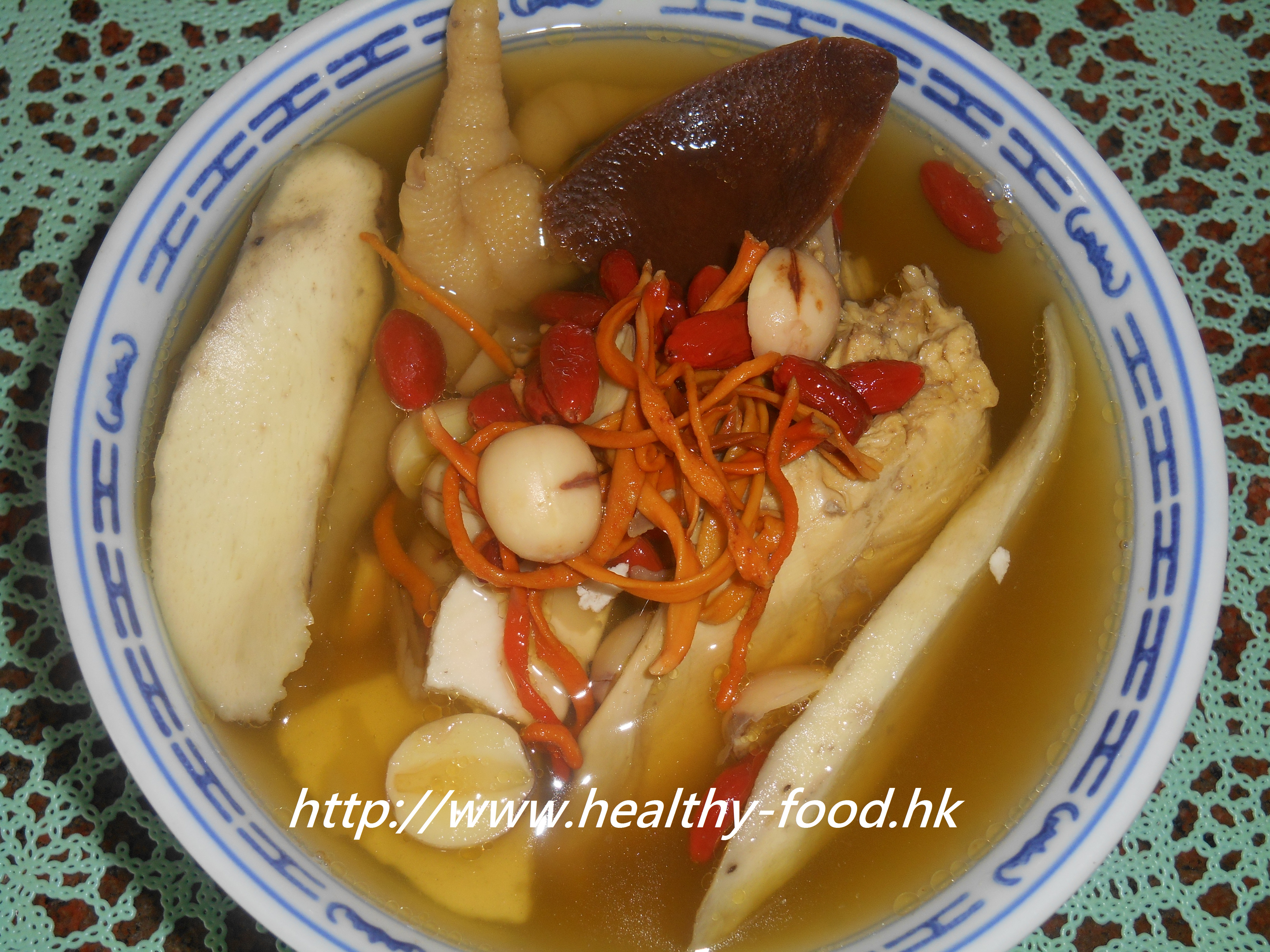
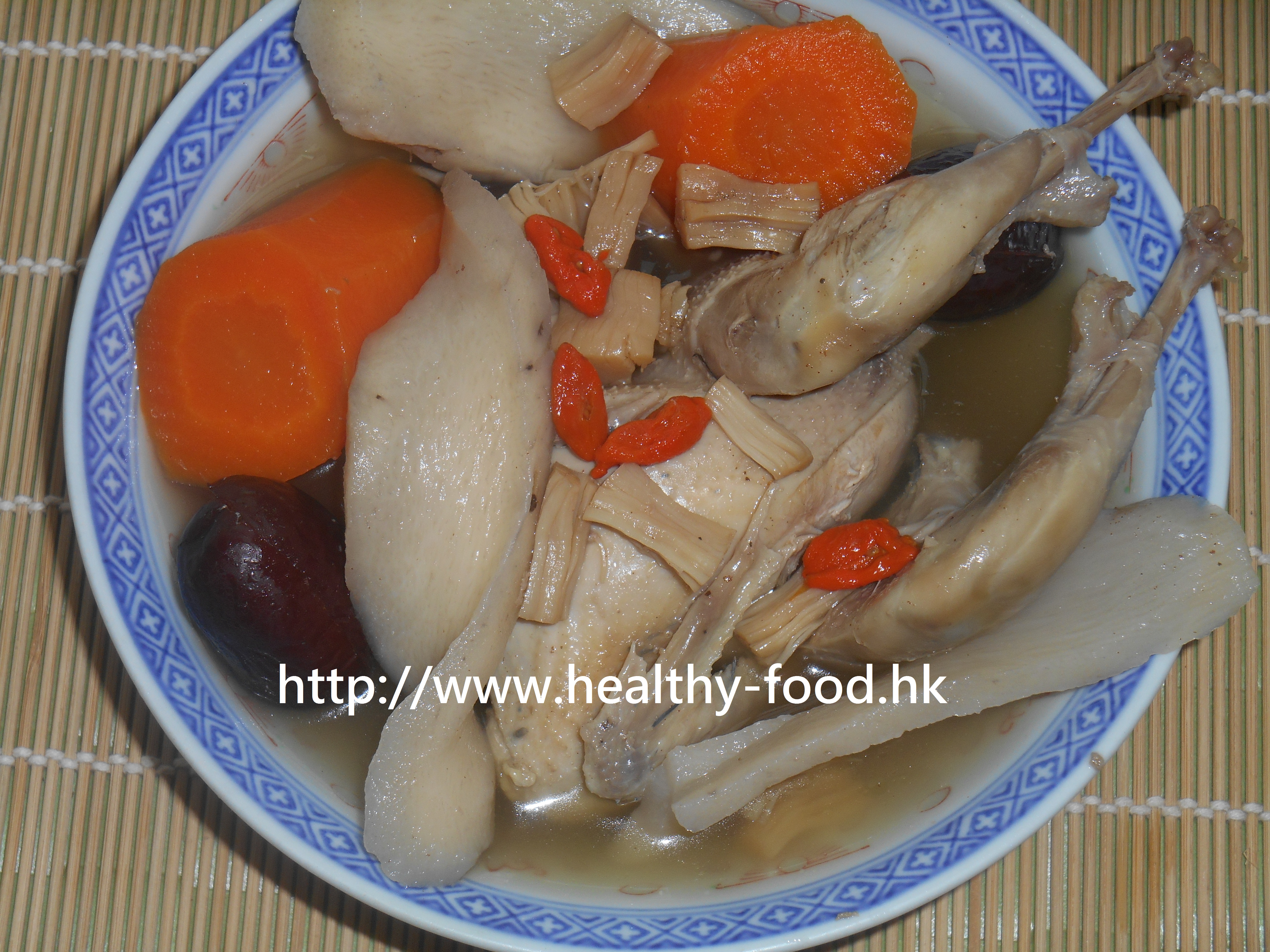
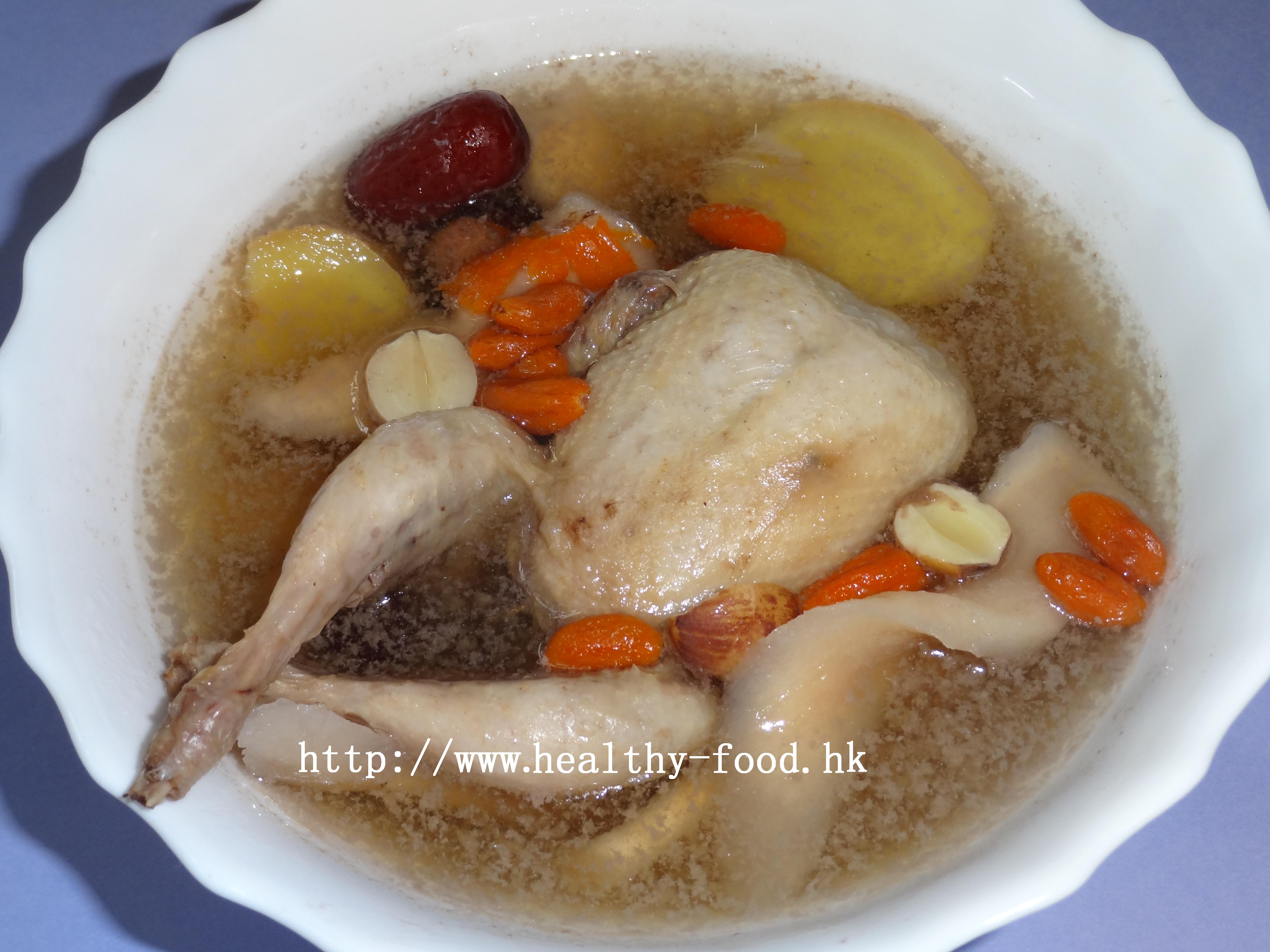
Cordyceps Flower, Chinese Yam, Lotus Seed & Goji Berry Chicken Soup
Traditionally used to strengthen spleen-kidney function, support the lungs, and build overall vitality
In short: Cordyceps Flower, Chinese Yam, Lotus Seed & Goji Berry Chicken Soup is a soup that Traditionally used to strengthen spleen-kidney function, support the lungs, and build overall vitality. It is most often made for respiratory & lung wellness, digestive wellness, children's wellness. Total time about 110 min. Key ingredients: chinese yam, lotus seeds, goji berries, tangerine peel.
Why people make this soup
Cordyceps flower has become very popular in Hong Kong and Cantonese kitchens over the past decade, and Nourilo takes a refreshingly honest view of it: it is not the same as the legendary and enormously expensive wild Cordyceps sinensis — claims that it matches or surpasses wild cordyceps are, in his words, “the usual merchant’s trick.” That said, cordyceps flower is genuinely nutritious, pleasant in flavour, affordable, and well suited to a regular family soup. Combined with Chinese yam and lotus seeds — classic spleen-strengthening staples — and goji for the kidneys and eyes, this is a beautifully balanced soup that the whole family can enjoy regularly. Nourilo recommends it particularly for those prone to frequent colds, fatigue, or lower-back aches.
Method
- Remove skin from chicken and cut into pieces; blanch briefly in boiling water and drain.
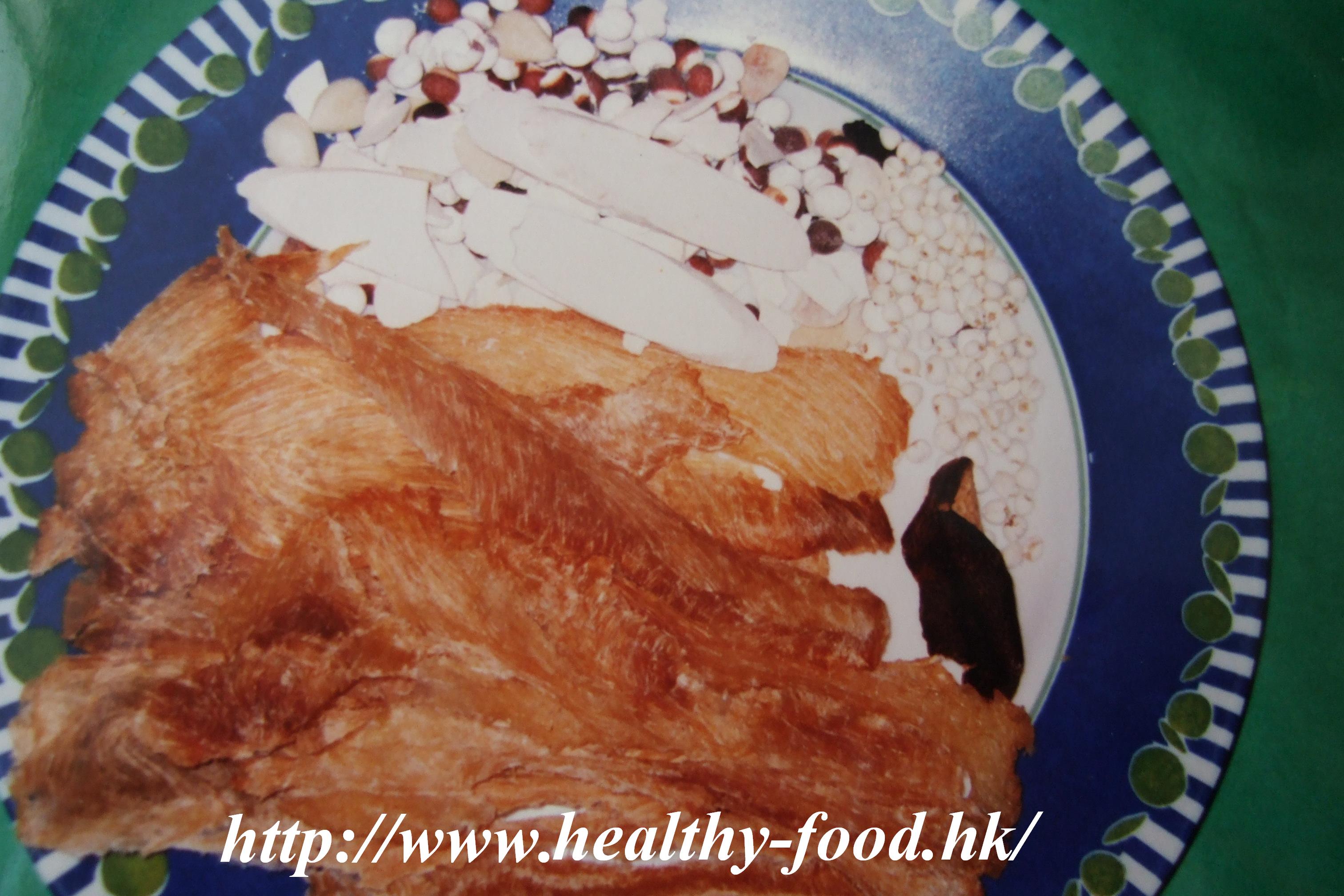
- Soak and rinse the Chinese yam, lotus seeds, and tangerine peel.
- Place the chicken pieces, Chinese yam, lotus seeds, and tangerine peel in a pot with 2.4 L of water. Bring to a boil, then reduce to a simmer and cook for 1.5 hours.
- Add the cordyceps flower and goji berries; bring back to a rolling boil for about 5 minutes.
- Serve warm. Drink the soup and eat some of the solid ingredients.
Nourilo’s Tips
This soup is suitable for all ages and can be made regularly — Nourilo suggests it as a weekly family soup to support general immunity and reduce the frequency of colds. A small amount of red dates or dried figs can be added for children who prefer a slightly sweeter flavour. Lean pork can substitute for chicken. If a family member has gout, remove the cordyceps flower and replace it with additional Chinese yam. Do not use wild Cordyceps sinensis (dong chong xia cao) for this recipe — it is a very different and much more costly ingredient, best saved for specific medicinal preparations.
What studies say about the key ingredients
Traditional use is not the same as clinical proof. Here is the strongest human research we found for each ingredient, limitations included.
- Cordyceps flower
Compared with placebo capsules, the C. militaris group had greater increases from baseline in NK cell activity, lymphocyte proliferation, IL-2 and IFN-γ. No statistically significant adverse reactions were reported.Limitation: Only healthy men were studied, for 4 weeks, with 39 and 40 per group. Findings are immune-marker changes rather than clinical outcomes, and the capsules were an ethanol-treated preparation.PubMed 26284906 · 2 more cordyceps flower studies - Lotus seeds
Lotus seed meals had a low glycemic index (GI 21–51 across the lotus seed and adzuki bean meals), while several other starchy foods did not differ significantly from rice. Lotus seed's in vitro hydrolysis index was also lower than that of other test foods.Limitation: Only ten healthy participants and acute single-meal tests, so findings may not apply to people with diabetes or to long-term intake.PubMed 30875961 - Goji berries
Compared with placebo (n=80), the goji juice group (n=81) reported greater improvements in several self-rated symptoms, including stress, mental acuity, sleep quality and overall well-being, under a random effects model.Limitation: Outcomes were self-reported symptom questionnaires, and several symptoms showed significant heterogeneity across the four pooled trials of a single branded juice.PubMed 22897500 · 3 more goji berries studies
From the Nourilo Research Library. Findings come from specific doses, extracts and populations and may not apply to a home-cooked recipe.
Safety first — read before you cook
This is a traditional food, not a treatment. Please check with your doctor or pharmacist before making it a regular part of your diet if you:
- are pregnant or breastfeeding, or are cooking for a young child;
- take regular medicines — especially blood thinners, blood-pressure, diabetes or immune-suppressing drugs;
- have a kidney, liver or heart condition, or a known food allergy.
Ingredient notes for this recipe
- Goji berries: A few cases of raised INR (a bleeding-risk marker) have been reported in people taking warfarin after drinking concentrated goji tea or wine. If you take a blood thinner, check with your doctor. Source: Memorial Sloan Kettering — Lycium
Stop eating it and seek advice if you notice an allergic reaction or feel unwell. Safety notes reviewed 8 October 2026 · How we write safety notes
Comments
Join the conversation — sign in or create a free account to comment.
Continue with GoogleBy continuing with Google or email you confirm you are 16 or older and agree to our Terms of Use and Privacy Policy.
Loading comments…