Soups
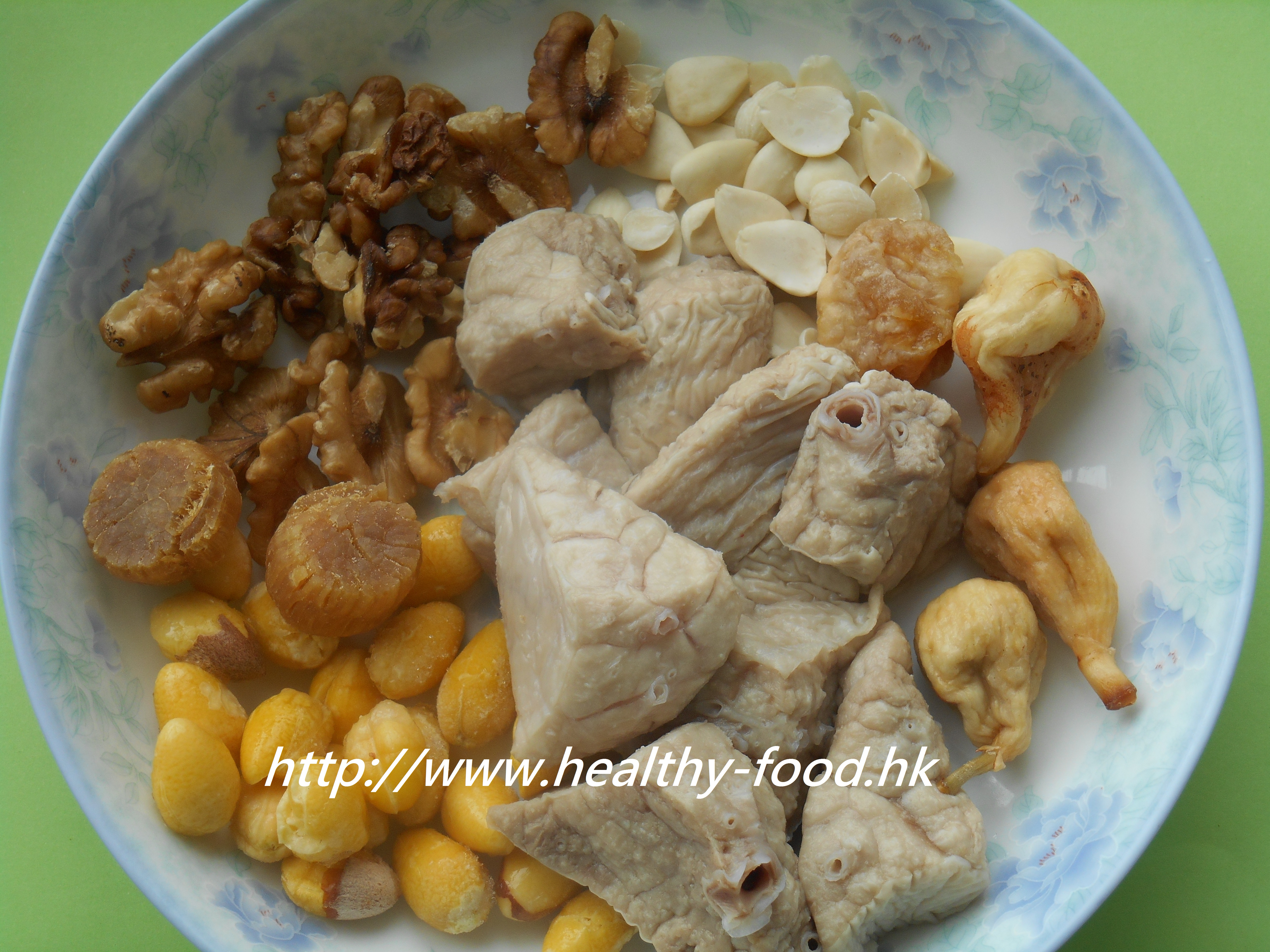
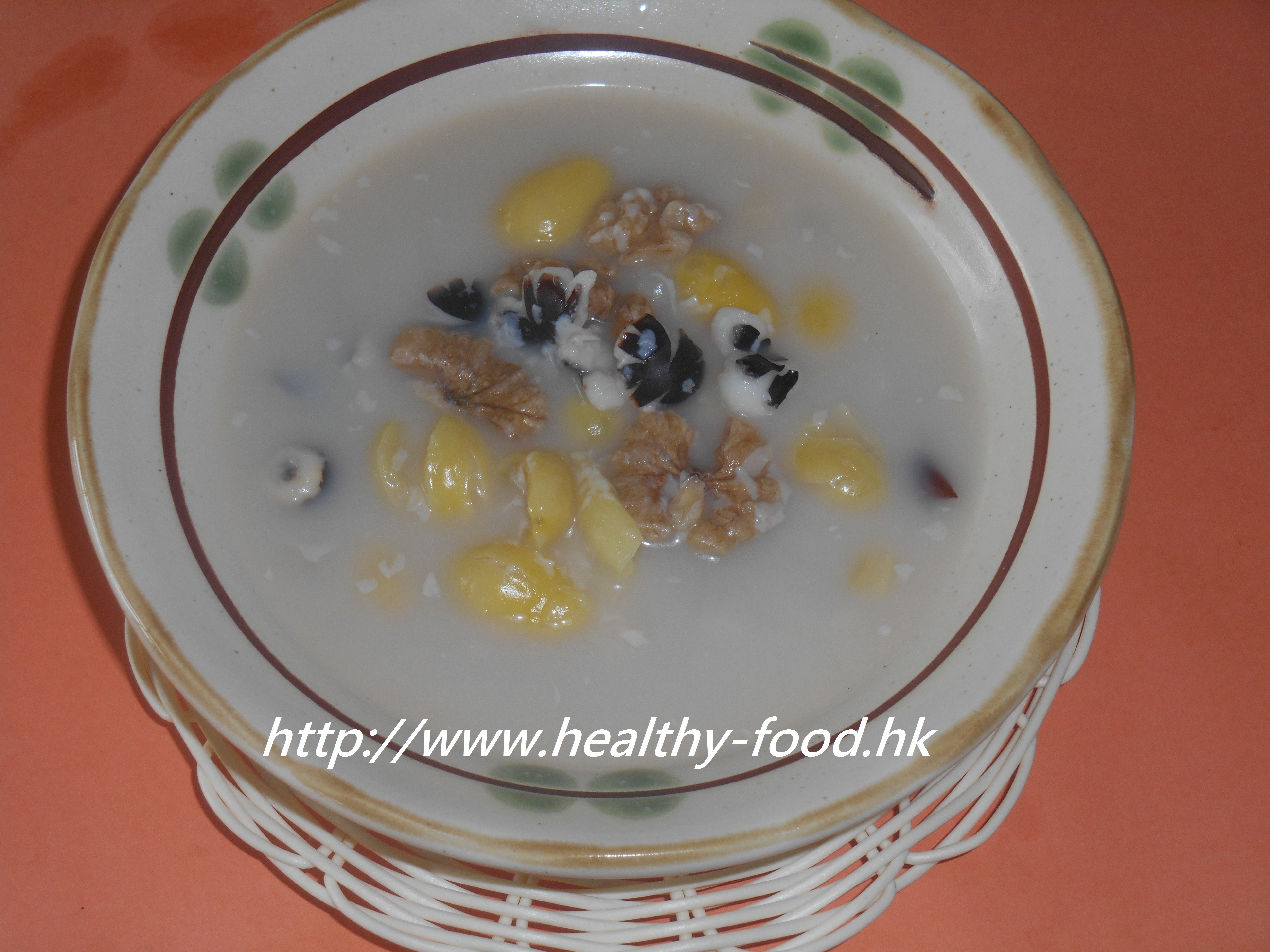
Ginkgo, Walnut and Apricot Kernel Pork Lung Soup
traditionally used to support lung qi, ease coughing, and nourish spleen, lung, and kidney during remission
In short: Ginkgo, Walnut and Apricot Kernel Pork Lung Soup is a soup that traditionally used to support lung qi, ease coughing, and nourish spleen, lung, and kidney during remission. It is most often made for respiratory & lung wellness, digestive wellness, children's wellness. Total time about 145 min. Key ingredients: walnuts, sweet and bitter apricot kernels, figs, dried scallops.
Why people make this soup
Asthma in children tends to flare when temperatures change suddenly or when the child’s constitution is running low. Traditional Cantonese food therapy focuses not on the acute episode — that is a job for the doctor — but on the quieter stretches in between: rebuilding the strength of the lungs, spleen, and kidneys so that flares come less often and recover more quickly. This warming soup was traditionally made for this purpose, combining three types of ingredients that address different aspects of respiratory vulnerability. It is also suitable for adults with chronic cough, weak lung qi, or recovering from respiratory illness.
During remission, avoiding known triggers is equally important: shrimp, crab, goose meat, and raw bamboo shoots are traditionally considered “reactive foods” that may aggravate an asthmatic constitution and are best limited.
Method
- Ask the butcher to flush the pork lung with water repeatedly until it is clean and pale. If doing it yourself, attach the lung to a tap and flush through the windpipe opening until the water runs clear. Cut into chunks and blanch in boiling water, then drain and rinse.
- Shell the ginkgo nuts and remove the green inner germ from each one.
- Rinse the walnut kernels, apricot kernels, dried figs, and dried scallops. Soak the dried scallops in a little water (reserve the soaking water).
- Combine all ingredients (including the scallop-soaking water) in a large pot with 3 L of water.
- Bring to the boil, then reduce heat and simmer for 2 hours.
- Drink the broth and eat the ingredients. The whole family can share this pot.
Nourilo’s Tips
This soup is warming and gentle — old and young alike can enjoy it. The butcher can help you flush and prepare the pork lung, which makes the job much easier. If you are cooking for a larger group, add some pork bones to the pot as well. If pork lung is something you or your family prefer not to eat, simply use pork rib bones or omit the pork entirely and add an extra rib on the side — the main therapeutic value comes from the other ingredients. Always remove the green germ from each ginkgo nut before cooking.
What studies say about the key ingredients
Traditional use is not the same as clinical proof. Here is the strongest human research we found for each ingredient, limitations included.
- Walnuts
Office systolic BP changed by -4.61 mm Hg with walnuts versus -0.59 mm Hg in controls (P=0.051); 24-hour ambulatory systolic BP difference was not significant (P=0.111). No diastolic BP changes were observed.Limitation: Only 236 of 305 participants (75%) completed the study, and the main between-group differences did not reach conventional significance.PubMed 30879358 · 2 more walnuts studies
From the Nourilo Research Library. Findings come from specific doses, extracts and populations and may not apply to a home-cooked recipe.
Safety first — read before you cook
This is a traditional food, not a treatment. Please check with your doctor or pharmacist before making it a regular part of your diet if you:
- are pregnant or breastfeeding, or are cooking for a young child;
- take regular medicines — especially blood thinners, blood-pressure, diabetes or immune-suppressing drugs;
- have a kidney, liver or heart condition, or a known food allergy.
Ingredient notes for this recipe
- Ginkgo nuts: Fresh ginkgo seeds are toxic, and serious side effects have occurred after eating roasted seeds. Always cook them thoroughly, keep to the small amount in the recipe, and take extra care when serving children. Source: NIH NCCIH — Ginkgo
- Apricot kernels: Raw apricot kernels contain amygdalin, which turns into cyanide after eating. EFSA estimates that half of one small raw kernel can exceed the safe level for a toddler. Use no more than the recipe states, never eat them raw, and do not serve them to young children. Source: European Food Safety Authority
Stop eating it and seek advice if you notice an allergic reaction or feel unwell. Safety notes reviewed 8 October 2026 · How we write safety notes
Comments
Join the conversation — sign in or create a free account to comment.
Continue with GoogleBy continuing with Google or email you confirm you are 16 or older and agree to our Terms of Use and Privacy Policy.
Loading comments…