Soups
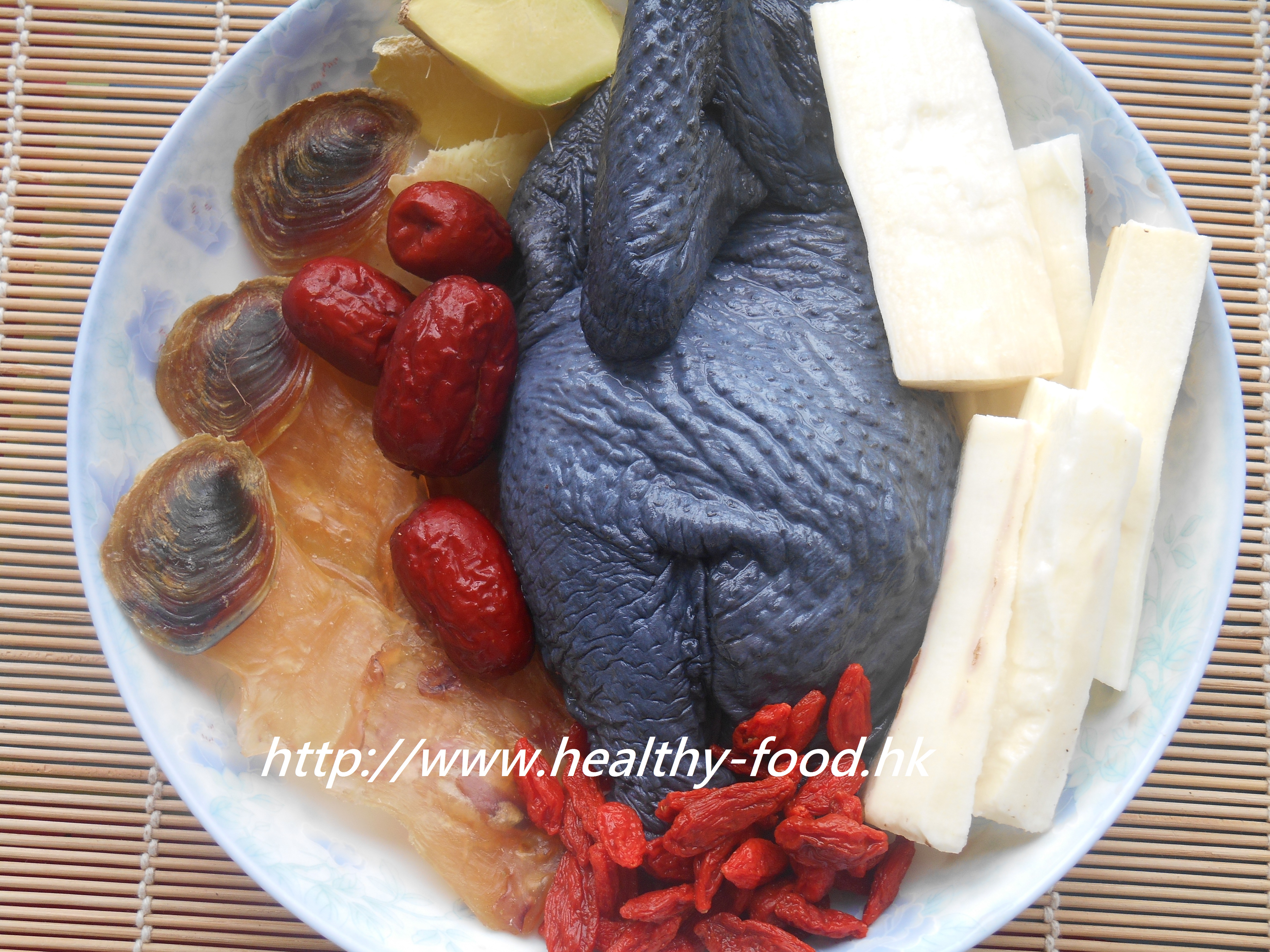
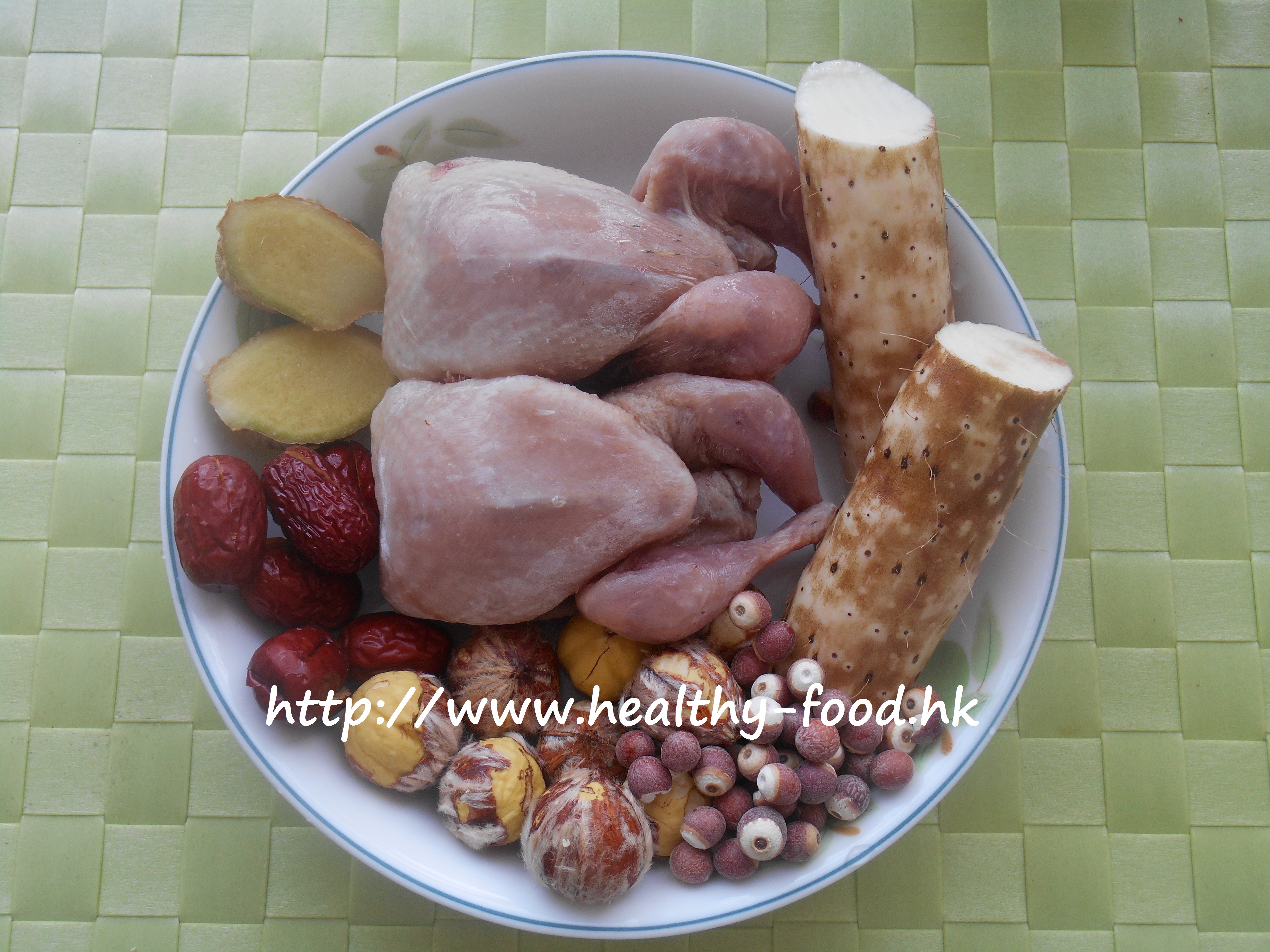
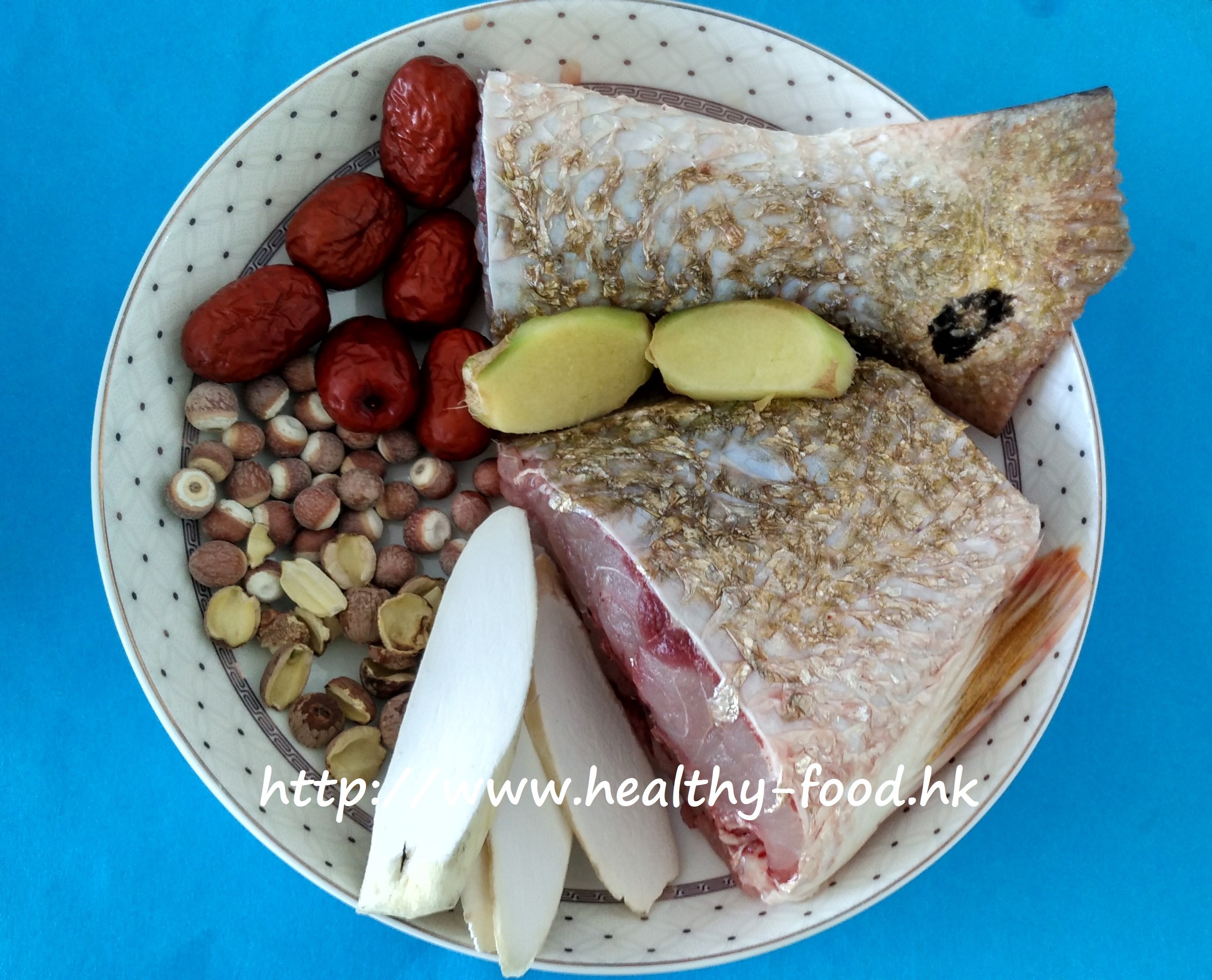
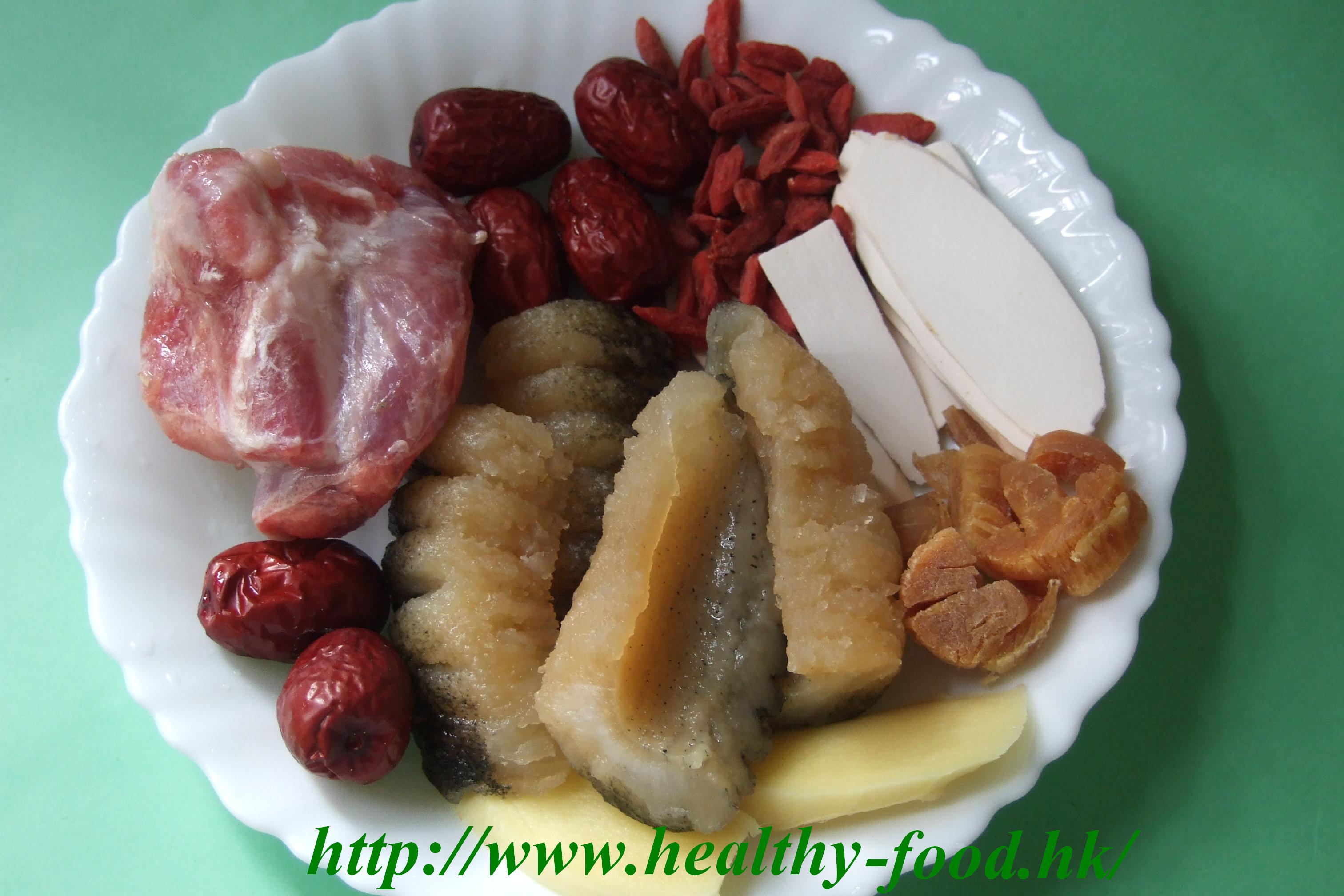
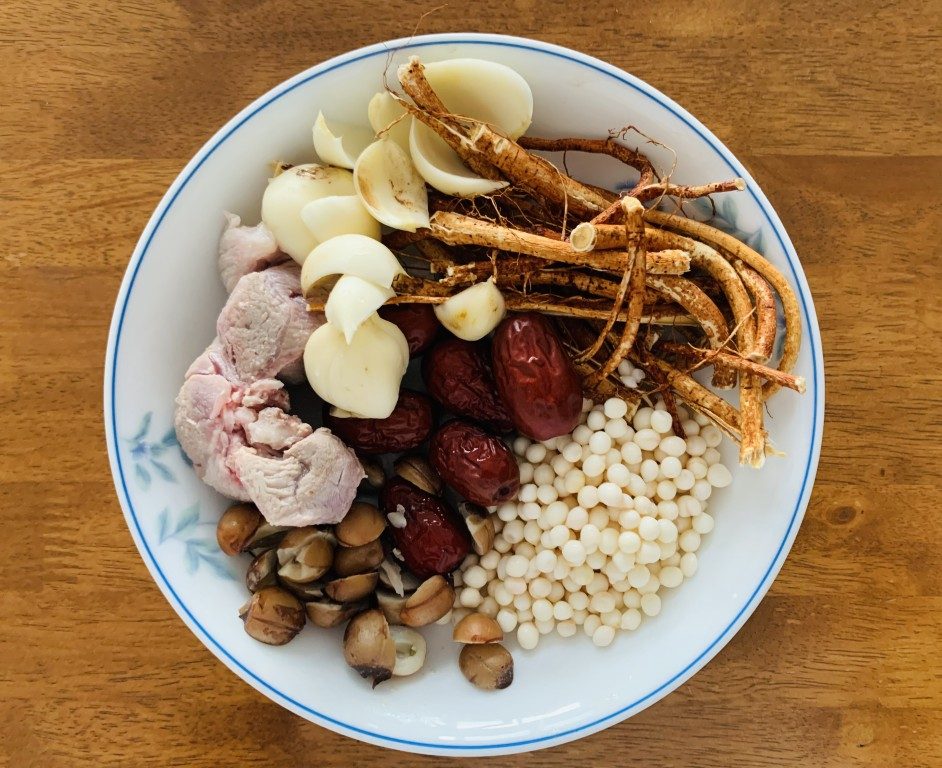
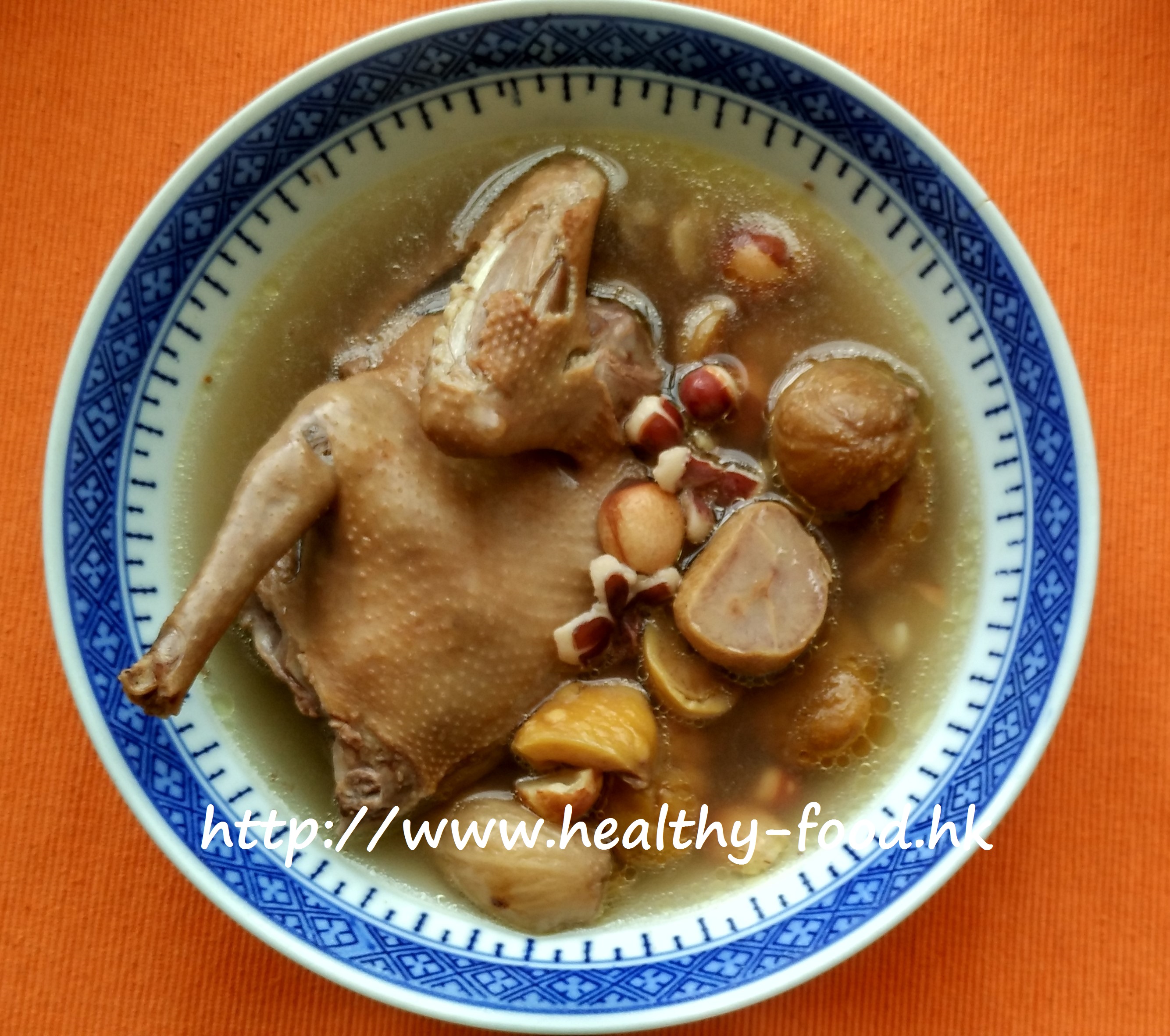
Silkie Chicken, Dried Conch, Chinese Yam, and Wolfberry Soup
traditionally associated with nourishing yin, supporting the spleen and kidneys, and easing fatigue, dry mouth, and poor sleep during pregnancy
In short: Silkie Chicken, Dried Conch, Chinese Yam, and Wolfberry Soup is a soup that traditionally associated with nourishing yin, supporting the spleen and kidneys, and easing fatigue, dry mouth, and poor sleep during pregnancy. It is most often made for digestive wellness, women's wellness, children's wellness. Total time about 2 hr 20 min. Key ingredients: chinese yam, ginger, red dates.
Why people make this soup
During pregnancy, the body’s demand for nourishment rises substantially — and in traditional Chinese food therapy, the guidance is to avoid hot, warming tonics and instead focus on foods that are cool-moistening and yin-nourishing. Rich warming herbs like ginseng and velvet antler are left for the postnatal period; pregnancy calls for gentler nourishment. Nourilo’s Silkie Chicken and Dried Conch Soup is built on exactly that principle. Silkie chicken (also called black-bone chicken) is a lean, deeply nourishing bird prized for centuries in Chinese food culture for its ability to supplement qi and blood without excessive heating. Dried conch adds mineral richness and a traditional association with yin nourishment. Together with fresh Chinese yam and wolfberries, this soup supports the energy, eye health, and restful sleep that can become strained during pregnancy.
It is a beautiful soup — golden-coloured, fragrant, and genuinely delicious — that the whole family can enjoy, not just the expectant mother.
Method
- Rinse the dried conch briefly. Chop the silkie chicken into pieces. Blanch both the chicken and conch together in boiling water for 2–3 minutes to remove impurities; rinse and set aside.
- Peel the fresh Chinese yam and slice into rounds or chunks. Rinse the wolfberries and soak briefly. Pit the red dates.
- Combine all ingredients in a large pot with 2.4 L of water.
- Bring to a boil over high heat, then reduce to a gentle simmer. Cook for 2 hours until the broth is rich, golden, and fragrant, and has reduced to approximately 1.2 L.
- Season lightly with salt if desired. Serve warm.
Nourilo’s Tips
The soup is beautiful as-is and suitable for all the family. For those who prefer to use regular chicken instead of silkie chicken, it works well — use the same quantity. If using dried Chinese yam instead of fresh, use about 38 g (38 g) of the dried slices. Young children’s servings should have the chicken skin removed, as chicken skin contains hormones and is too fatty for small children.
When selecting dried conch, look for pieces that are dry, firm, and carry a pleasant savoury aroma. American dried conch is generally yellow-fleshed; yellow-red flesh is also good. Avoid any that rattle loosely or smell off. Black beans can be added to this soup without issue for those who want extra kidney-nourishing support.
For pregnant women who want a gentle, nourishing preparation for the final months: try white lotus stamen (bai lian xu) simmered with egg and rock sugar — a traditional pre-birth tonic in Chinese food culture. Five qian of lotus stamen, steeped in 1.2 L of water for 20 minutes, then sweetened and combined with one beaten egg, makes a gentle weekly treat from months 6–8.
What studies say about the key ingredients
Traditional use is not the same as clinical proof. Here is the strongest human research we found for each ingredient, limitations included.
- Goji berries
Compared with placebo (n=80), the goji juice group (n=81) reported greater improvements in several self-rated symptoms, including stress, mental acuity, sleep quality and overall well-being, under a random effects model.Limitation: Outcomes were self-reported symptom questionnaires, and several symptoms showed significant heterogeneity across the four pooled trials of a single branded juice.PubMed 22897500 · 3 more goji berries studies - Ginger
Overall, acute and delayed nausea and vomiting did not differ significantly between ginger and control groups. A subgroup taking 1 g/day or less for over four days had less acute vomiting (OR 0.30).Limitation: Clinical heterogeneity between trials required subgroup analyses, and the authors state that sufficiently large, high-quality RCTs are still needed.PubMed 36501010 · 3 more ginger studies - Red dates
Jujube was associated with significantly lower BMI and triglycerides, and lower fasting blood sugar in people with type 2 diabetes. LDL and total cholesterol fell only in some subgroups. HDL, AST and ALT did not change significantly.Limitation: The authors state the overall quality of the evidence is limited, and results varied significantly by dose, treatment duration and disease type.PubMed 40399274 · 3 more red dates studies
From the Nourilo Research Library. Findings come from specific doses, extracts and populations and may not apply to a home-cooked recipe.
Safety first — read before you cook
This is a traditional food, not a treatment. Please check with your doctor or pharmacist before making it a regular part of your diet if you:
- are pregnant or breastfeeding, or are cooking for a young child;
- take regular medicines — especially blood thinners, blood-pressure, diabetes or immune-suppressing drugs;
- have a kidney, liver or heart condition, or a known food allergy.
Ingredient notes for this recipe
- Goji berries: A few cases of raised INR (a bleeding-risk marker) have been reported in people taking warfarin after drinking concentrated goji tea or wine. If you take a blood thinner, check with your doctor. Source: Memorial Sloan Kettering — Lycium
Stop eating it and seek advice if you notice an allergic reaction or feel unwell. Safety notes reviewed 8 October 2026 · How we write safety notes
Comments
Join the conversation — sign in or create a free account to comment.
Continue with GoogleBy continuing with Google or email you confirm you are 16 or older and agree to our Terms of Use and Privacy Policy.
Loading comments…