Soups
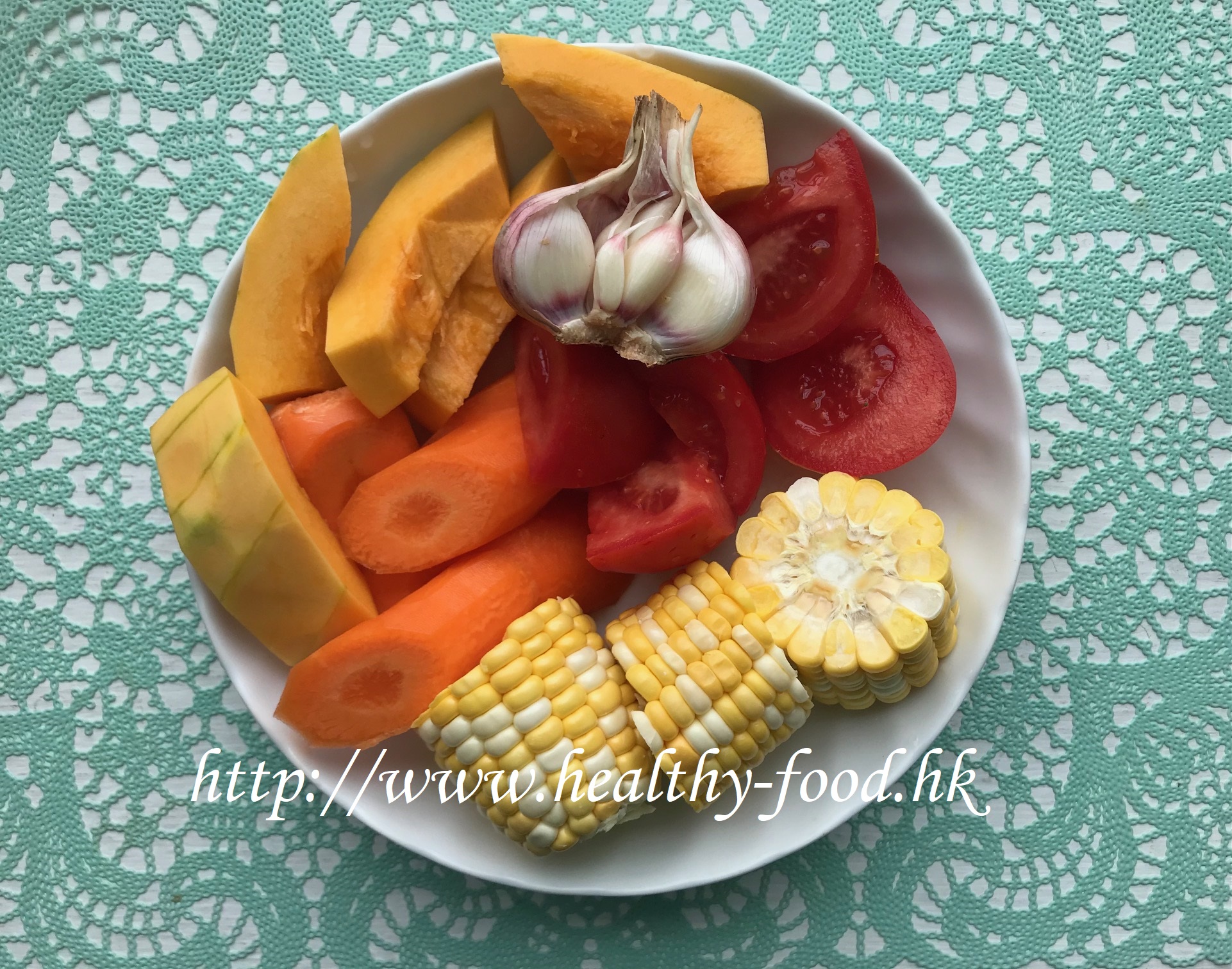
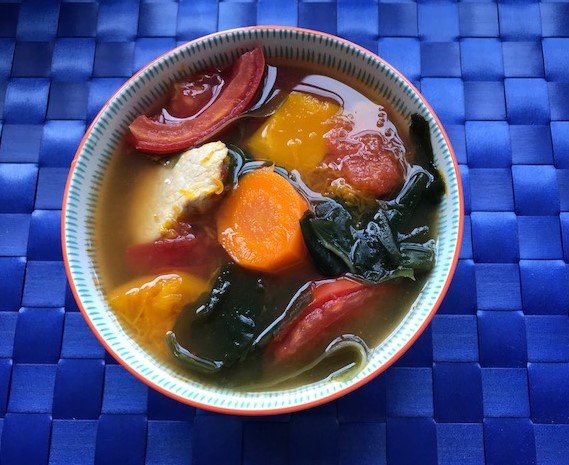
Pumpkin, Garlic and Mixed Vegetable Soup
traditionally used to support the body's natural cleansing processes, support liver health, support healthy blood sugar balance as part of a balanced diet, and brighten skin
In short: Pumpkin, Garlic and Mixed Vegetable Soup is a soup that traditionally used to support the body's natural cleansing processes, support liver health, support healthy blood sugar balance as part of a balanced diet, and brighten skin. It is most often made for cleansing & regularity, skin & natural beauty, blood sugar balance. Total time about 105 min. Key ingredients: pumpkin, tomato, carrot, corn.
Why people make this soup
Most people think of pumpkin primarily as a comfort food, but it is actually one of the more nutritionally interesting vegetables for people managing blood sugar. Not all pumpkins are equal here — the long, light-coloured variety (sometimes called spaghetti squash) has a notably lower sugar content than the round orange pumpkin, and is therefore a better choice for people with diabetes or metabolic concerns. Pumpkin’s pectin content is also remarkably high: pectin is a type of soluble fibre that binds to heavy metals (lead, mercury, cadmium), bacterial toxins, and other harmful residues in the digestive tract, essentially escorting them out of the body. Add to that the pectin in the tomatoes and carrots, the allicin in the garlic (traditionally associated with supporting the liver and immune function), and the mild diuretic action of the sweet corn — and this humble vegetable soup becomes a genuinely impressive everyday cleansing pot in the traditional sense of ‘clearing heat’.
Method
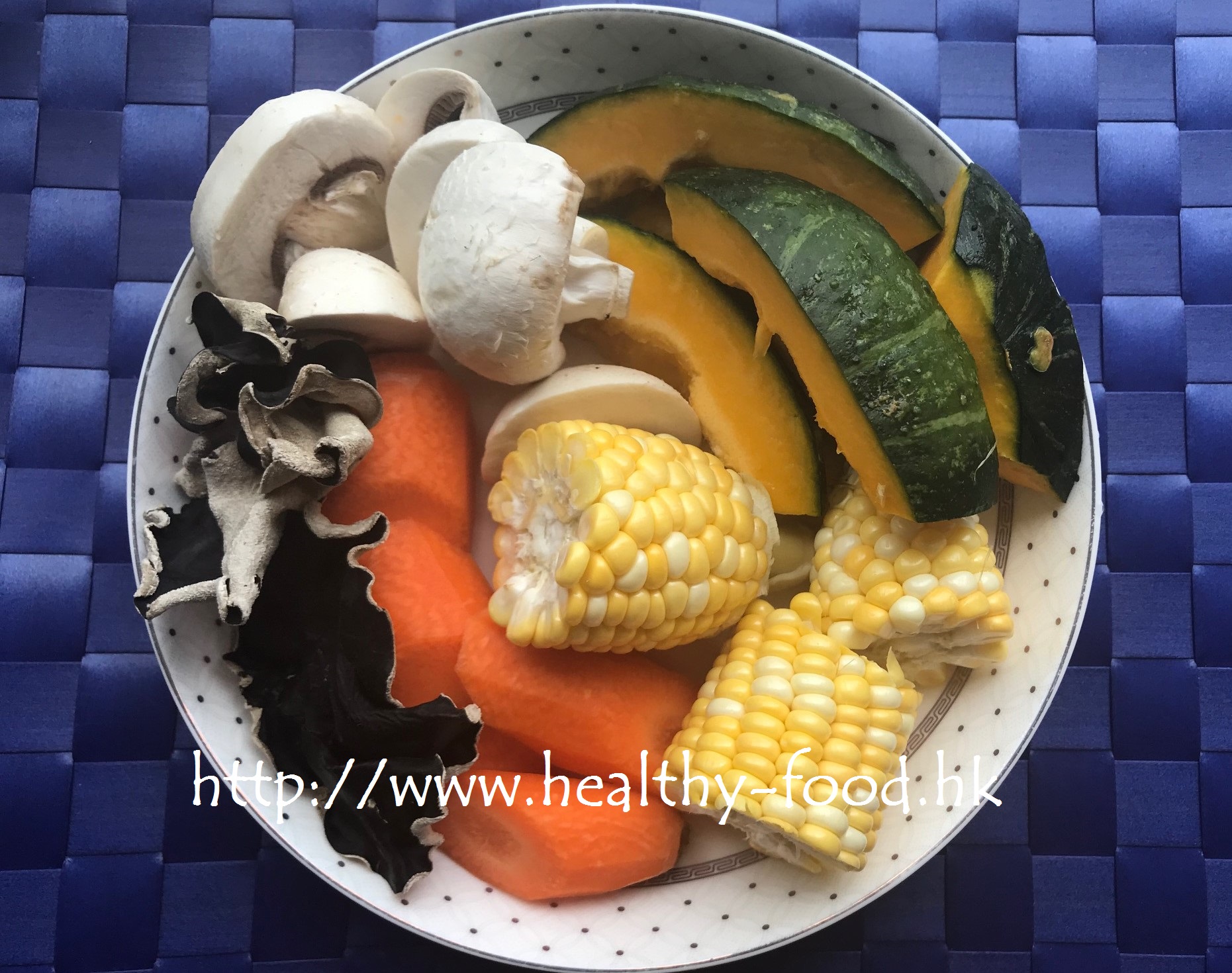
- Peel the pumpkin, tomatoes, and carrot; cut into chunks. Husk the corn and cut into sections. Remove the garlic skins, leaving cloves whole.
- Combine all ingredients in a pot with 2.4 L of water.
- Bring to a boil, then reduce to a gentle simmer for about 1.5 hours until the liquid reduces to 1.2–1.5 L.
- Serve and eat both the soup and the cooked ingredients.
Nourilo’s Tips
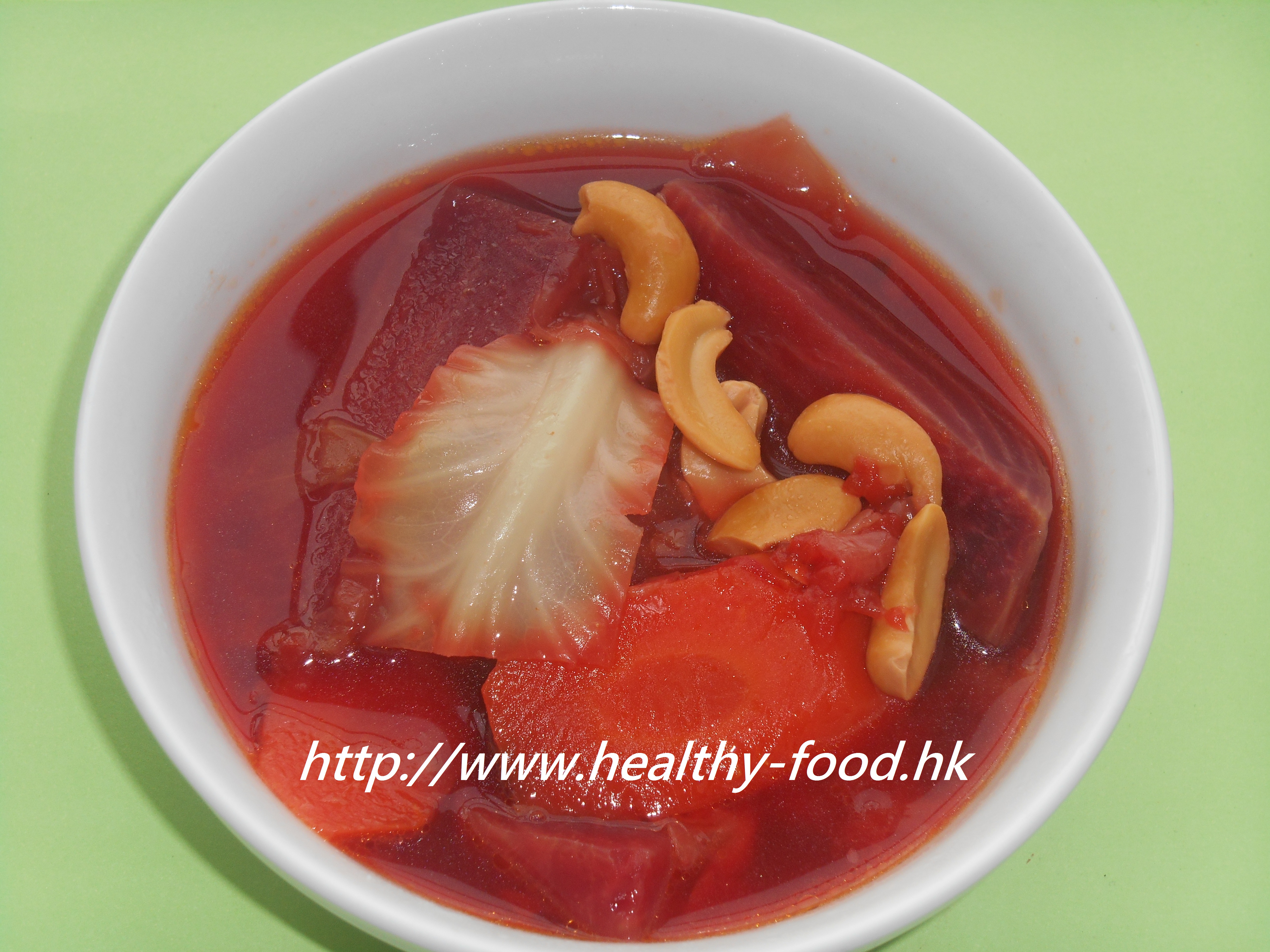
If you can find fresh purple-skinned garlic, use it — the allicin content is higher than in ordinary white garlic, making it a favoured choice for immune and liver support. The whole cooked garlic cloves in the finished soup are very mild in flavour (the pungency cooks off completely) and are pleasant to eat. Cashew nuts can also be added to the soup without any issue — a reader suggested this and Nourilo confirmed it works well.
What studies say about the key ingredients
Traditional use is not the same as clinical proof. Here is the strongest human research we found for each ingredient, limitations included.
- Garlic
Gamma-delta T and NK cells proliferated better and were more activated than with placebo. The number of illnesses did not differ significantly, but cold and flu severity and missed days were lower.Limitation: Cold and flu outcomes were self-reported in daily diaries, and the dose was a concentrated extract that is not comparable to dietary garlic.PubMed 26764332 · 2 more garlic studies
From the Nourilo Research Library. Findings come from specific doses, extracts and populations and may not apply to a home-cooked recipe.
Safety first — read before you cook
This is a traditional food, not a treatment. Please check with your doctor or pharmacist before making it a regular part of your diet if you:
- are pregnant or breastfeeding, or are cooking for a young child;
- take regular medicines — especially blood thinners, blood-pressure, diabetes or immune-suppressing drugs;
- have a kidney, liver or heart condition, or a known food allergy.
Stop eating it and seek advice if you notice an allergic reaction or feel unwell. Safety notes reviewed 8 October 2026 · How we write safety notes
Comments
Join the conversation — sign in or create a free account to comment.
Continue with GoogleBy continuing with Google or email you confirm you are 16 or older and agree to our Terms of Use and Privacy Policy.
Loading comments…