Soups
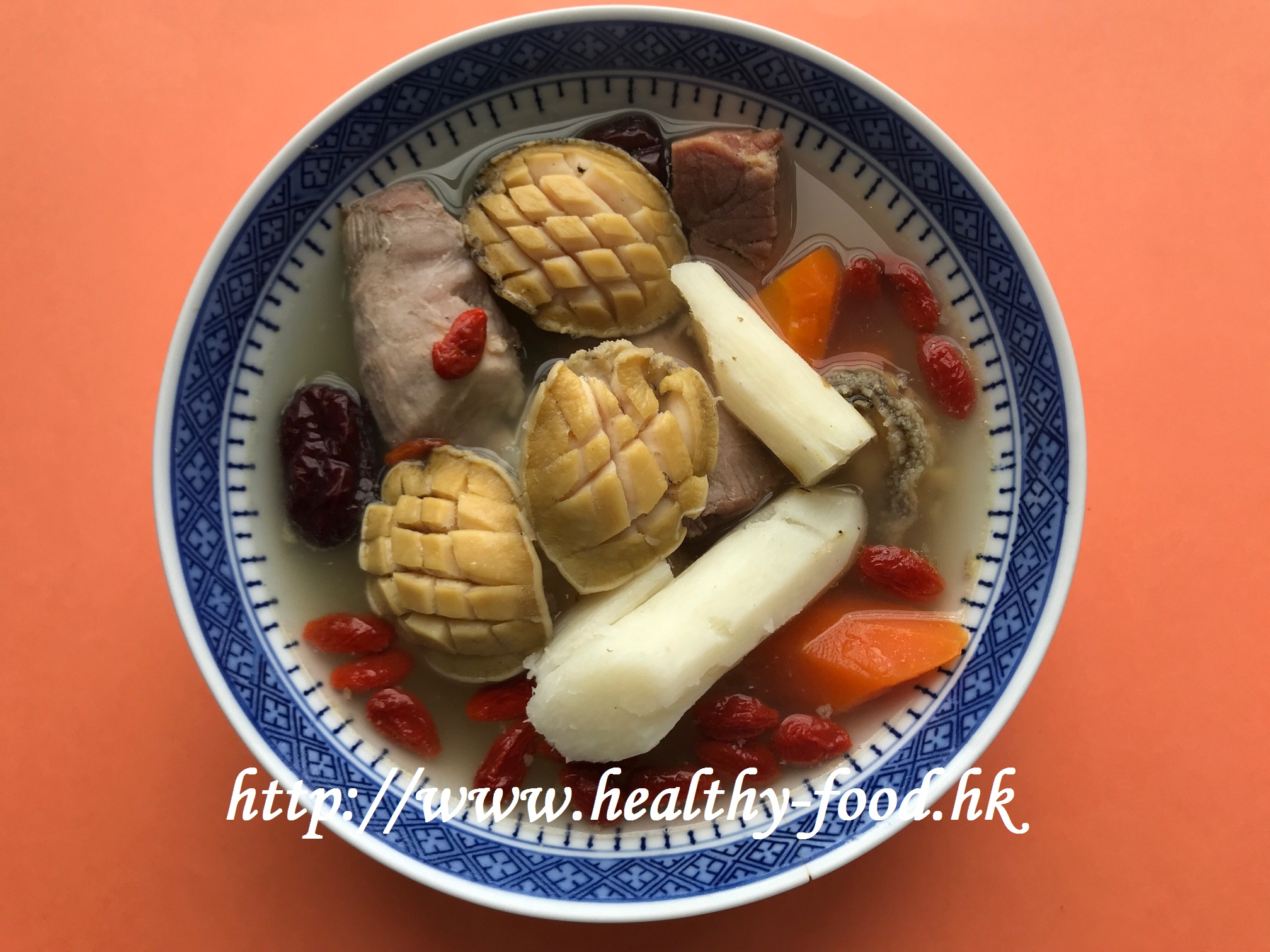
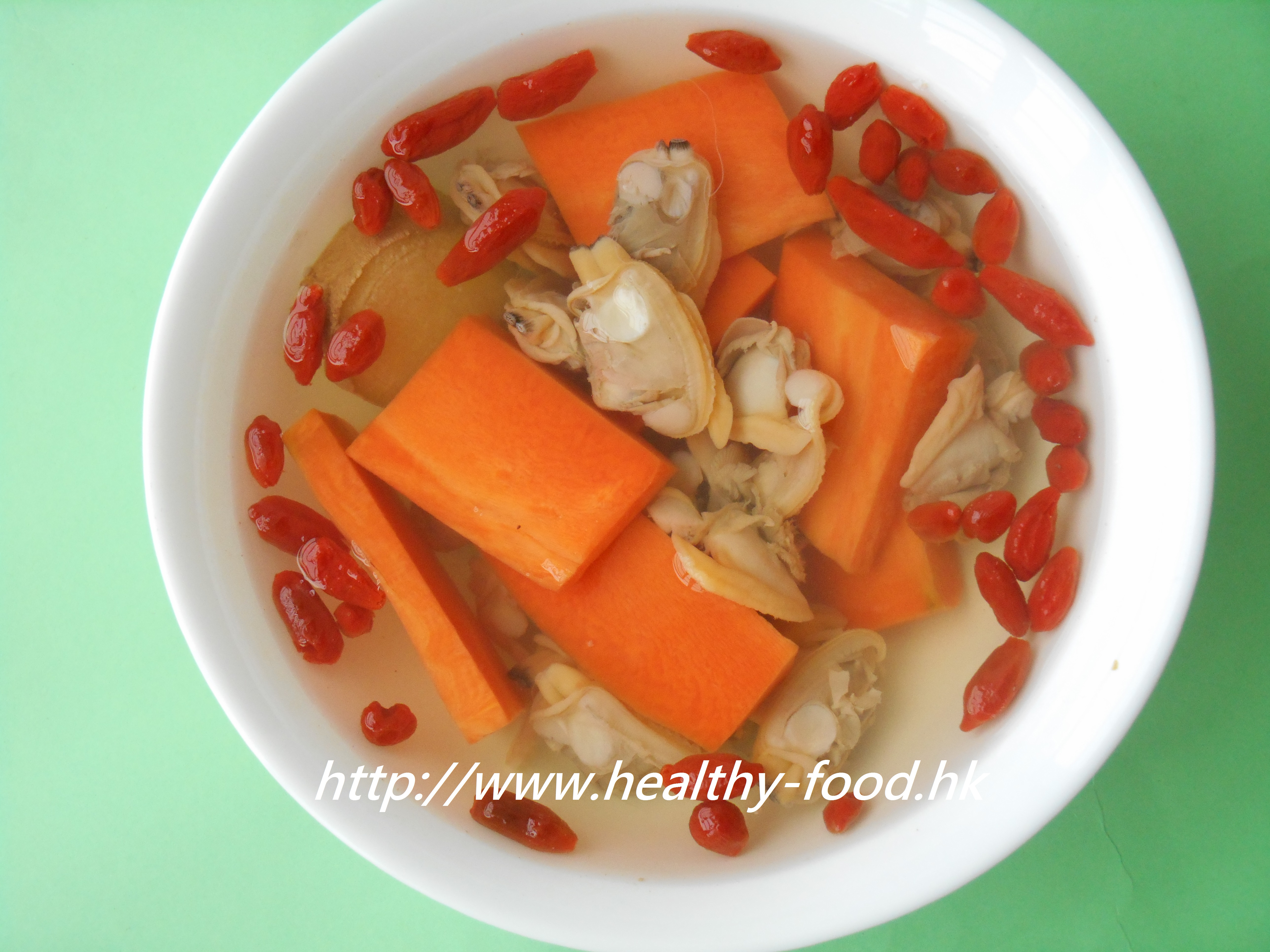
Fresh Yam, Goji and Abalone Soup
Traditionally nourishes the liver, brightens the eyes, supports complexion, and may help with blood pressure management
In short: Fresh Yam, Goji and Abalone Soup is a soup that Traditionally nourishes the liver, brightens the eyes, supports complexion, and may help with blood pressure management. It is most often made for skin & natural beauty, heart & circulation, liver wellness. Total time about 115 min. Key ingredients: chinese yam, goji berries, carrot, ginger.
Why people make this soup
Fresh abalone — particularly the small nine-hole variety (jiu kong xian bao) — is considered one of the most potent yin-nourishing, liver-supporting ingredients in Chinese food therapy. Its traditional association with eye health is so strong that it is sometimes called “the eye-brightening fish” (ming mu yu). Even the shell has a use: in traditional Chinese medicine, the cleaned abalone shell is called shi jue ming, and is used as a medicine to help calm liver yang, ease dizziness, and support blood pressure regulation.
Paired with fresh Chinese yam, goji berries, and sweet carrot, this soup is both deeply nourishing and naturally attractive in colour. The optional addition of a little Jinhua ham gives the broth remarkable depth of flavour without any heaviness.
Method
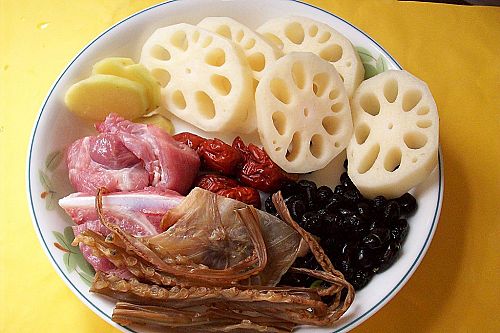
- Peel the fresh yam and carrot; cut into chunks.
- Rinse the goji berries briefly and soak in water.
- Pit the red dates.
- Blanch the lean pork and Jinhua ham together in boiling water; drain.
- Combine all ingredients (except goji berries if adding later) with 2.4 L of water.
- Bring to a boil, reduce heat, and simmer for 1.5 hours until reduced to about 1.2 L.
- Add goji berries in the final 10 minutes if you prefer them soft but intact.
- Serve with the soup solids.
Nourilo’s Tips
If you want the additional benefit for blood pressure, scrub the abalone shells thoroughly and add them to the pot together with the other ingredients — they will contribute their traditionally calming properties to the broth. This soup is gentle enough for the whole family and also suitable for people recovering from surgery. If Jinhua ham is unavailable, a small piece of dried scallop (yao zhu) gives a similar depth of flavour. This soup can also be slow-simmered in a clay pot or slow cooker for 2–3 hours.
What studies say about the key ingredients
Traditional use is not the same as clinical proof. Here is the strongest human research we found for each ingredient, limitations included.
- Goji berries
Compared with placebo (n=80), the goji juice group (n=81) reported greater improvements in several self-rated symptoms, including stress, mental acuity, sleep quality and overall well-being, under a random effects model.Limitation: Outcomes were self-reported symptom questionnaires, and several symptoms showed significant heterogeneity across the four pooled trials of a single branded juice.PubMed 22897500 · 3 more goji berries studies - Ginger
Overall, acute and delayed nausea and vomiting did not differ significantly between ginger and control groups. A subgroup taking 1 g/day or less for over four days had less acute vomiting (OR 0.30).Limitation: Clinical heterogeneity between trials required subgroup analyses, and the authors state that sufficiently large, high-quality RCTs are still needed.PubMed 36501010 · 3 more ginger studies - Red dates
Jujube was associated with significantly lower BMI and triglycerides, and lower fasting blood sugar in people with type 2 diabetes. LDL and total cholesterol fell only in some subgroups. HDL, AST and ALT did not change significantly.Limitation: The authors state the overall quality of the evidence is limited, and results varied significantly by dose, treatment duration and disease type.PubMed 40399274 · 3 more red dates studies
From the Nourilo Research Library. Findings come from specific doses, extracts and populations and may not apply to a home-cooked recipe.
Safety first — read before you cook
This is a traditional food, not a treatment. Please check with your doctor or pharmacist before making it a regular part of your diet if you:
- are pregnant or breastfeeding, or are cooking for a young child;
- take regular medicines — especially blood thinners, blood-pressure, diabetes or immune-suppressing drugs;
- have a kidney, liver or heart condition, or a known food allergy.
Ingredient notes for this recipe
- Goji berries: A few cases of raised INR (a bleeding-risk marker) have been reported in people taking warfarin after drinking concentrated goji tea or wine. If you take a blood thinner, check with your doctor. Source: Memorial Sloan Kettering — Lycium
Stop eating it and seek advice if you notice an allergic reaction or feel unwell. Safety notes reviewed 8 October 2026 · How we write safety notes

Comments
Join the conversation — sign in or create a free account to comment.
Continue with GoogleBy continuing with Google or email you confirm you are 16 or older and agree to our Terms of Use and Privacy Policy.
Loading comments…