Tonic Drinks & Waters
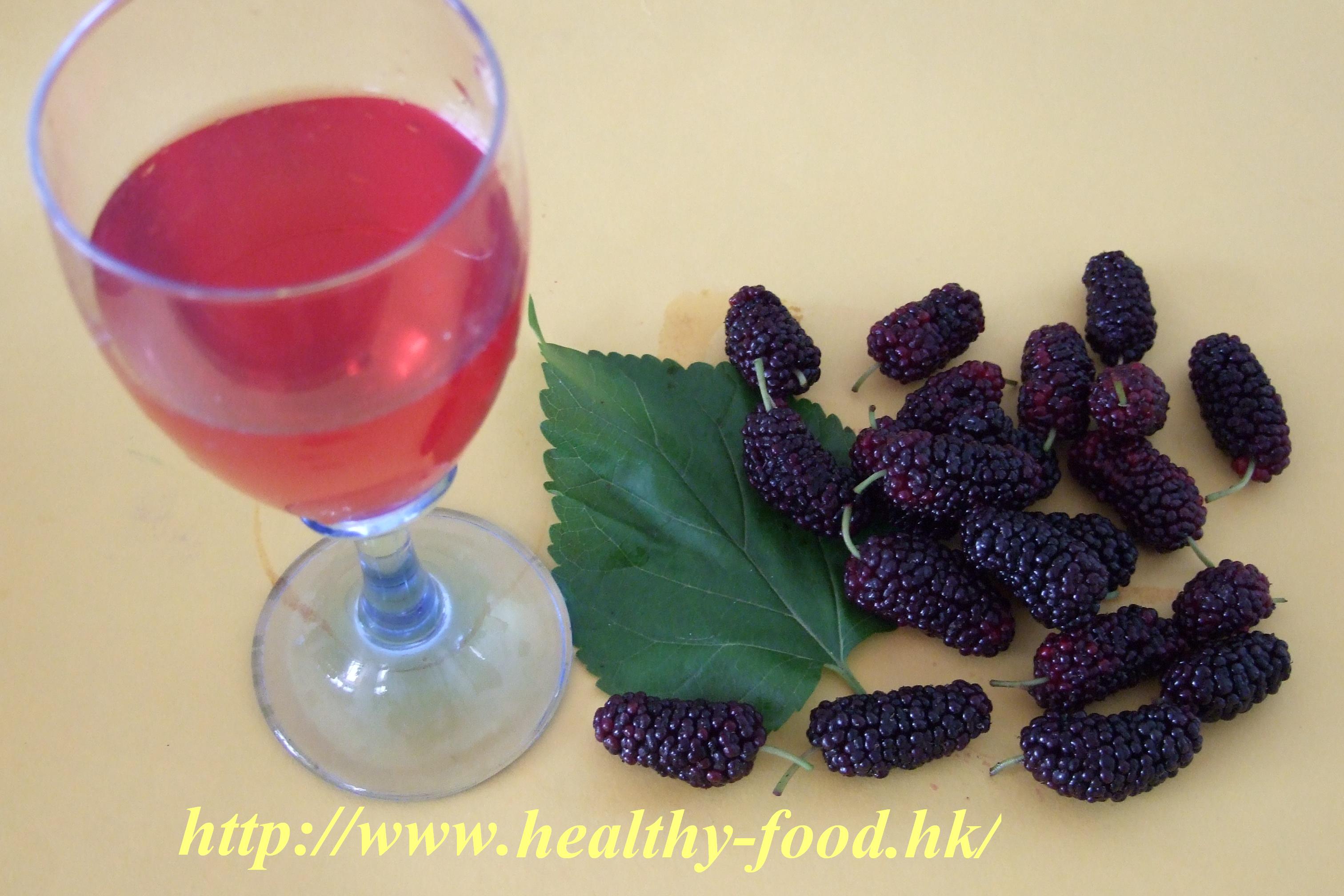
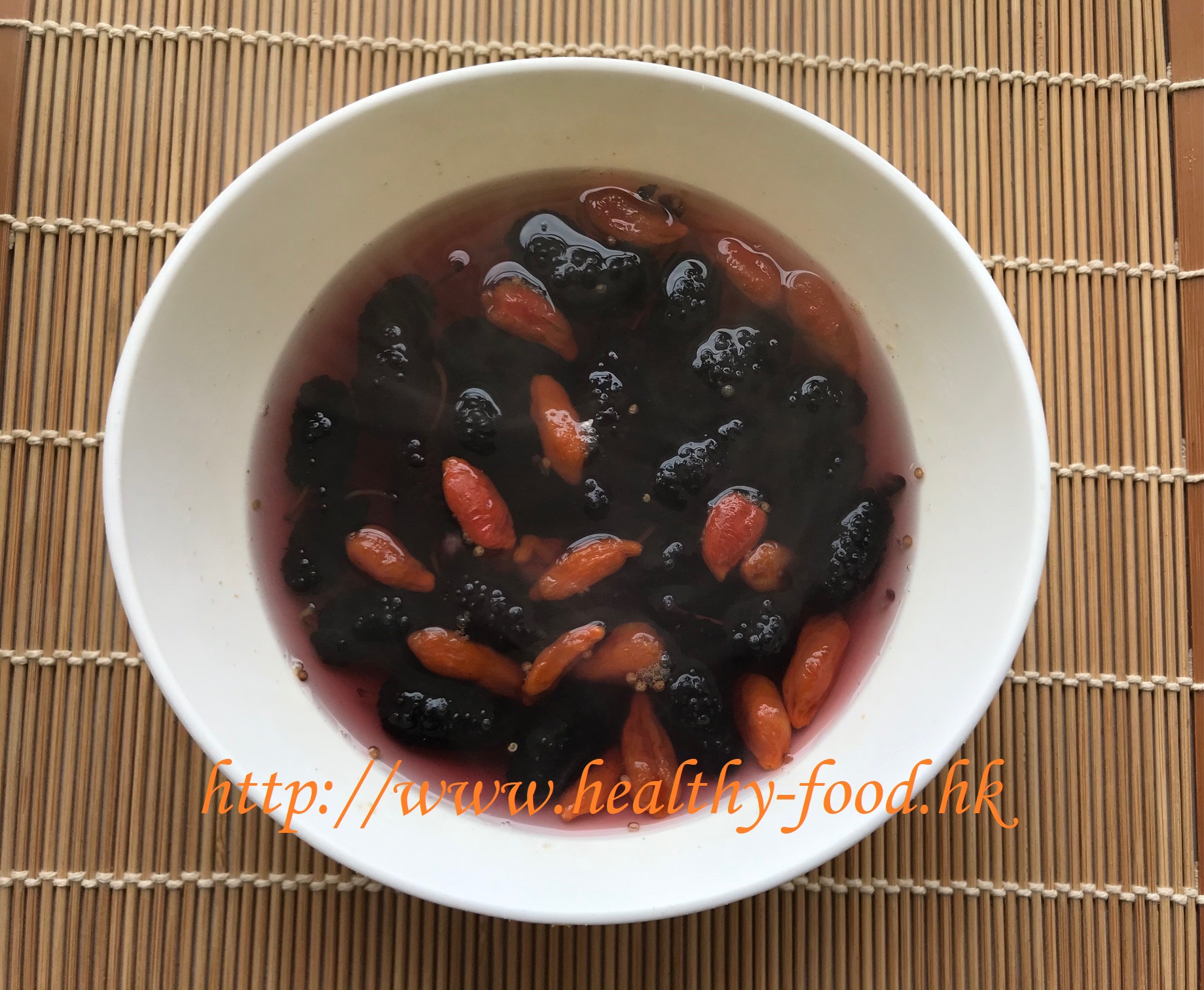
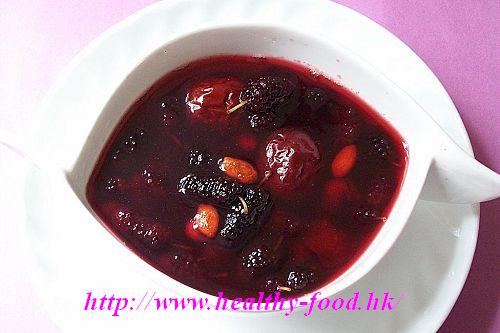
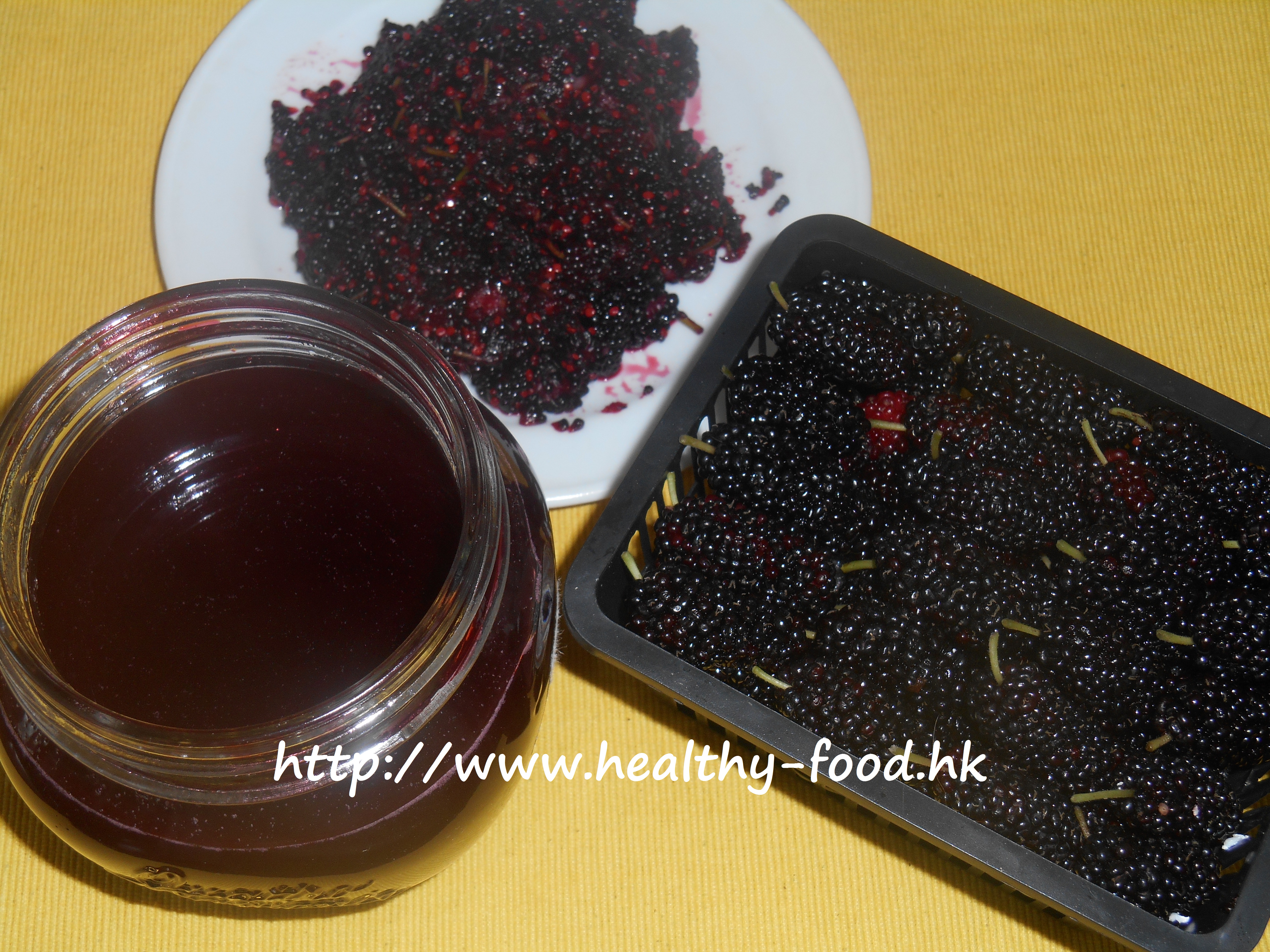
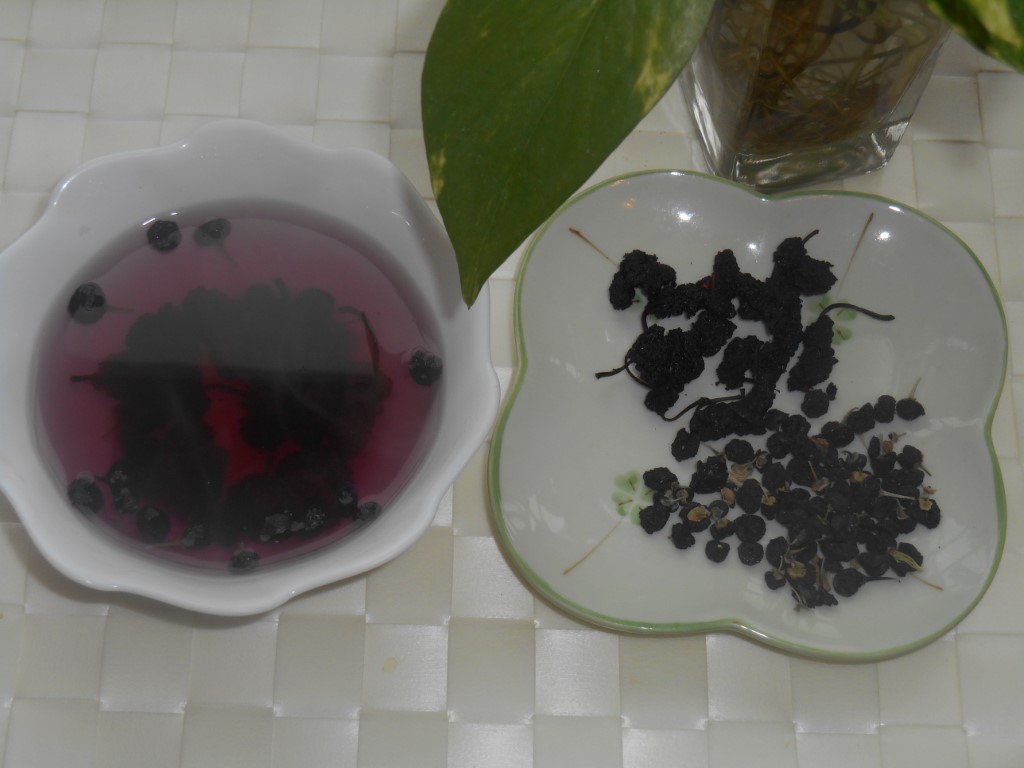
Fresh Mulberry Infused Wine
traditionally used to nourish the liver and kidneys, support vision, and promote dark hair
In short: Fresh Mulberry Infused Wine is a tonic drinks & water that traditionally used to nourish the liver and kidneys, support vision, and promote dark hair. It is most often made for children's wellness, skin & natural beauty, liver wellness. Key ingredients: mulberries.
Why people make this wine
Mulberries — the small, juicy dark fruits of the mulberry tree — ripen in late spring to early summer and are typically available at Chinese or Asian grocers during the season. Traditional Chinese medicine has long valued the mulberry fruit for its sweet, cool nature and its ability to nourish the blood and fluids of the body, particularly benefiting the liver and kidneys. Folk practice in China and among Chinese communities has for generations involved soaking ripe dark mulberries in rice wine as a home tonic — primarily drunk by middle-aged and older adults as a general vitality and eye-health tonic. Long-term moderate use is traditionally associated with helping the hair retain its colour.
Nourilo is clear that this is a tonic in very small amounts — 2 tablespoons at a time, twice daily. It is not a drink to sip freely; the point is the slow infusion of the fruit’s beneficial properties into the wine over two weeks.
Method
- Rinse the fresh mulberries gently with cooled boiled water (not tap water, to keep the jar environment clean). Drain thoroughly and pat dry — excess moisture can cause fermentation issues.
- Place the mulberries into a clean, dry glass jar.
- Pour in the rice wine (or grape wine) to cover the mulberries.
- If adding rock sugar, add the crushed pieces now. Seal the jar. Gently tilt or rotate the jar every day or two to help the sugar dissolve.
- Store in a cool, dark place for at least 2 weeks before drinking.
- Drink 2 tablespoons twice daily. Do not exceed this amount.
- Optional: after a few weeks, strain out the mulberries to extend the shelf life of the wine. The infused wine keeps well once strained.
Nourilo’s Tips
- Only use fully ripe, dark purple-black mulberries. Unripe or pale mulberries should not be used — they can cause digestive discomfort.
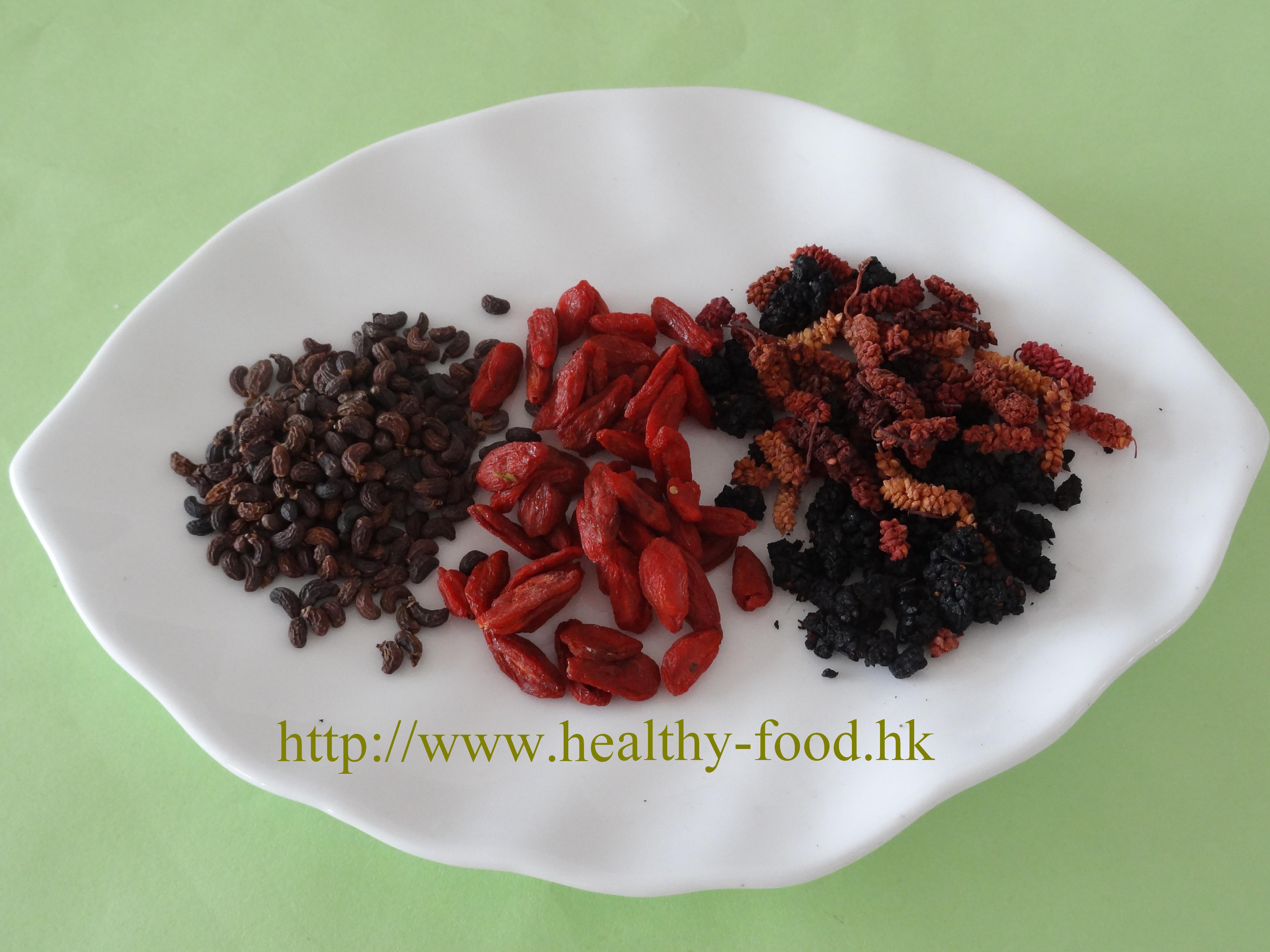
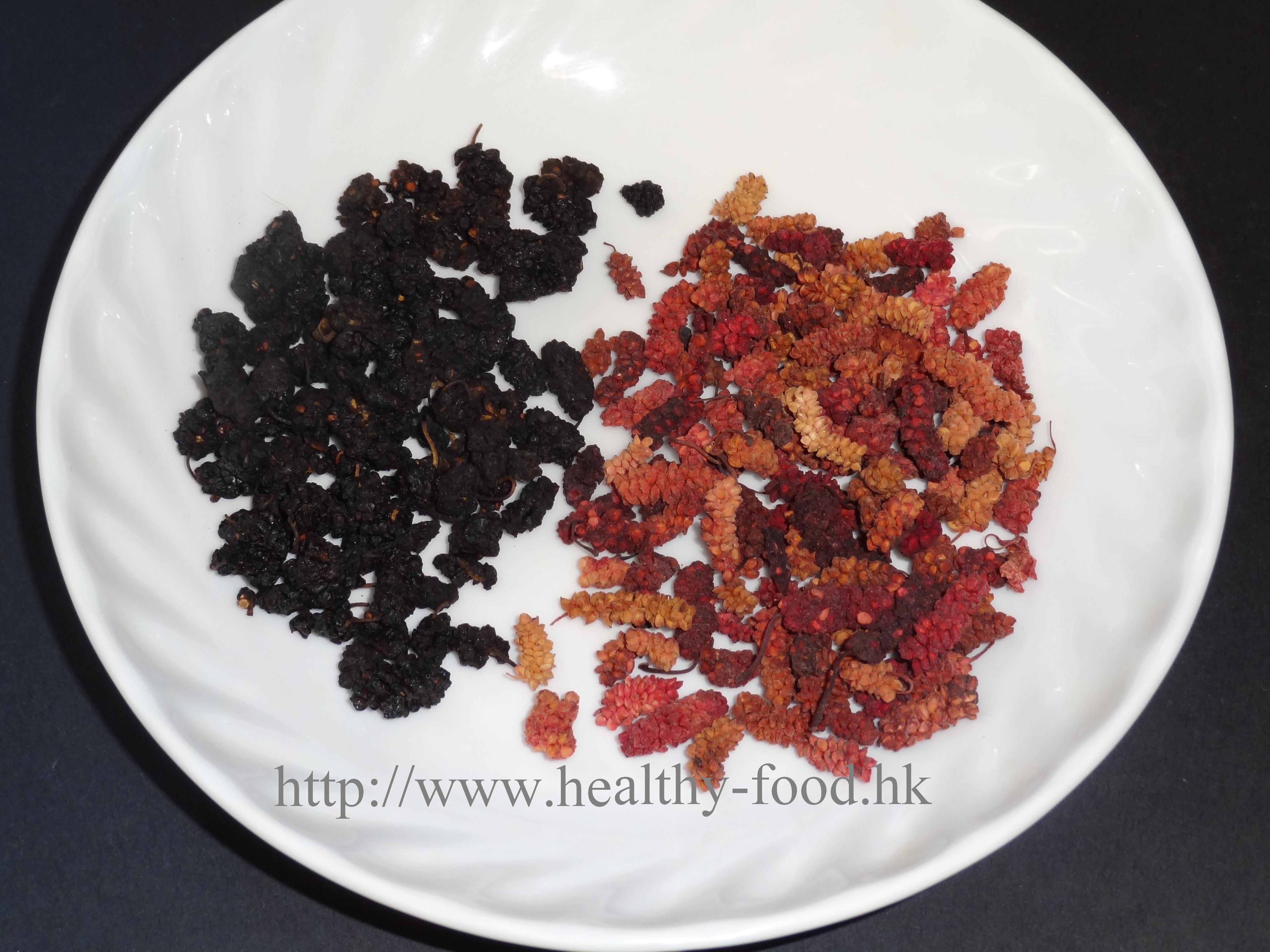
- Mulberry season is typically March to April. Fresh mulberries are available at Chinese or Asian grocers during the season; outside of season, you can use dried dark mulberries soaked in the wine, or even in osmanthus rice wine (gui hua chen jiu) for a flavourful variation.
- If you do not drink alcohol, Nourilo notes this wine is often used in cooking — a splash added to braised meat dishes brings excellent flavour.
- For a hair-darkening tonic using a non-alcoholic method, Nourilo has suggested buying readymade “He Shou Wu Black Sesame Paste” (首乌无糖黑芝麻霜) from health food stores and drinking a cup daily — useful for those who cannot or prefer not to drink wine.
- Rock sugar can be added to make the wine more palatable — about 75 g (75 g) for this quantity. Tilt the jar occasionally to help it dissolve.
What studies say about the key ingredients
Traditional use is not the same as clinical proof. Here is the strongest human research we found for each ingredient, limitations included.
- Mulberries
Post-prandial self-monitored glucose was lower than placebo (18.2%), but A1C did not differ between mulberry leaf extract and placebo. Serum creatinine rose about 15% in the extract group.Limitation: Small pilot: only 17 of 24 enrolled participants completed the study, limiting statistical power.PubMed 28619294 · 3 more mulberries studies
From the Nourilo Research Library. Findings come from specific doses, extracts and populations and may not apply to a home-cooked recipe.
Safety first — read before you cook
This is a traditional food, not a treatment. Please check with your doctor or pharmacist before making it a regular part of your diet if you:
- are pregnant or breastfeeding, or are cooking for a young child;
- take regular medicines — especially blood thinners, blood-pressure, diabetes or immune-suppressing drugs;
- have a kidney, liver or heart condition, or a known food allergy.
Ingredient notes for this recipe
- Rice wine / alcohol: This recipe contains alcohol. If you are pregnant or planning a pregnancy, the NHS recommends not drinking alcohol; leave it out or choose another recipe. Source: NHS — Alcohol in pregnancy
Stop eating it and seek advice if you notice an allergic reaction or feel unwell. Safety notes reviewed 8 October 2026 · How we write safety notes
Comments
Join the conversation — sign in or create a free account to comment.
Continue with GoogleBy continuing with Google or email you confirm you are 16 or older and agree to our Terms of Use and Privacy Policy.
Loading comments…