Soups
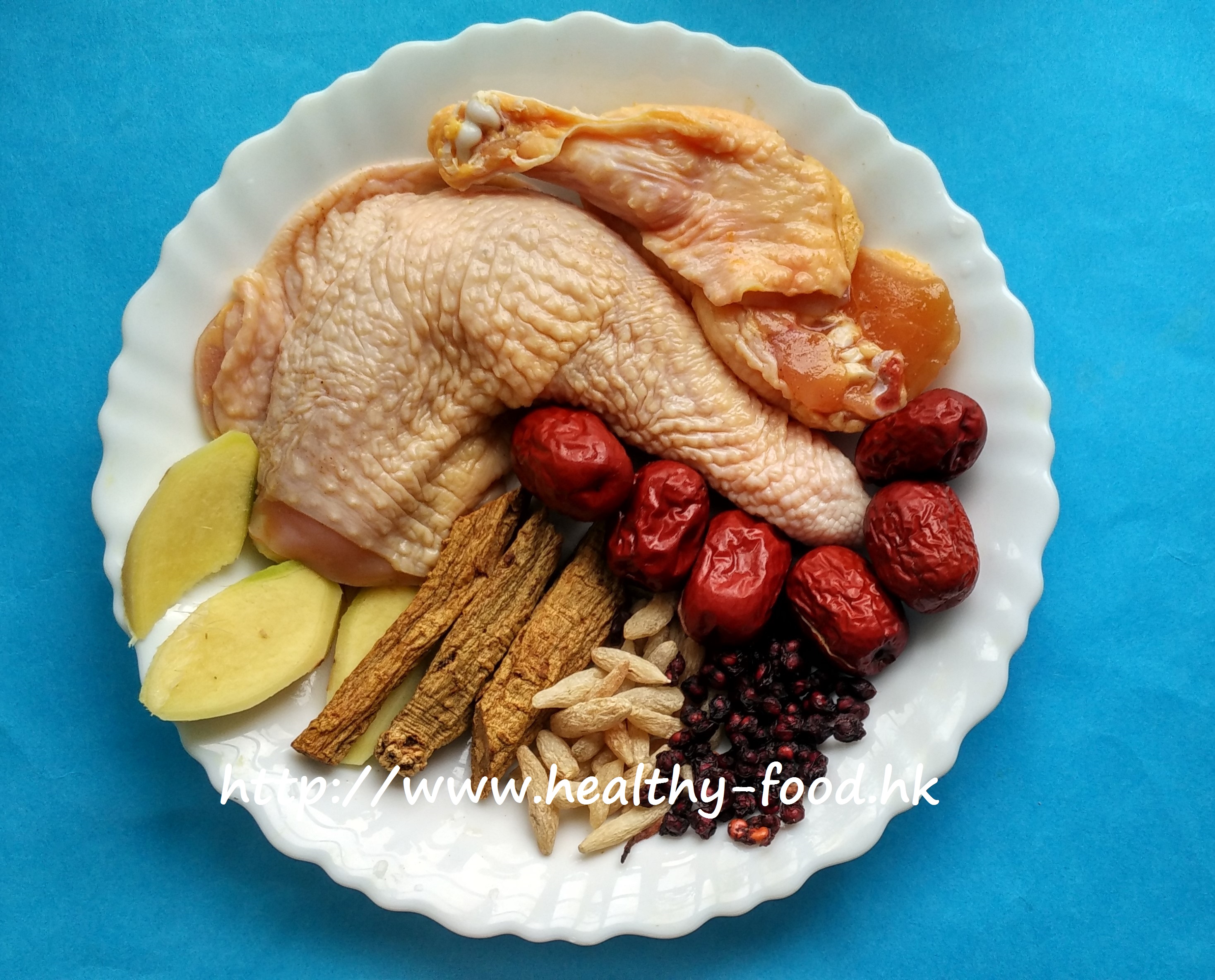
Codonopsis, Ophiopogon and Schisandra Berry Stewed Chicken (Sheng Mai San Chicken)
traditionally used to support cardiac qi, nourish yin, and ease mild palpitations and fatigue
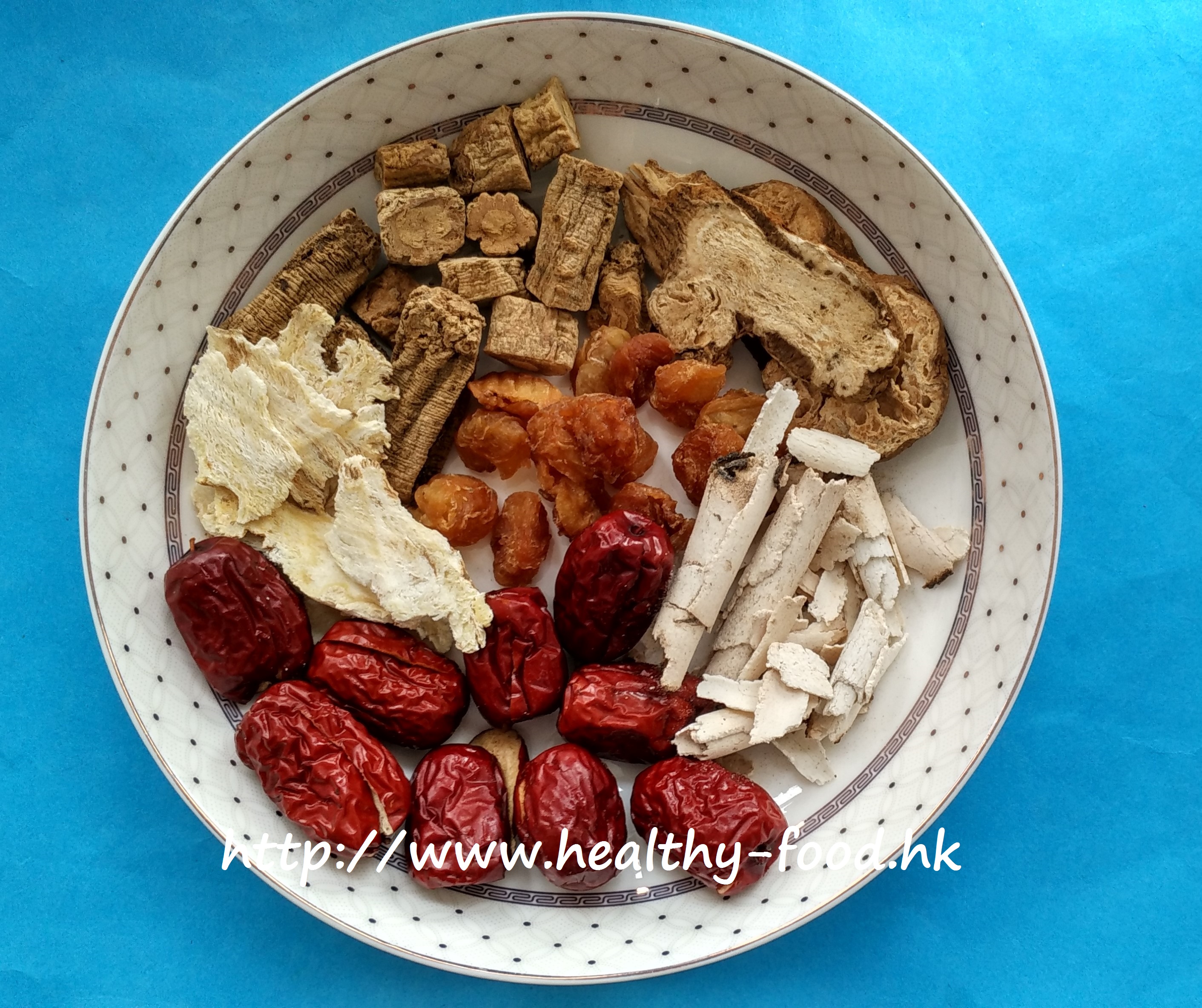
In short: Codonopsis, Ophiopogon and Schisandra Berry Stewed Chicken (Sheng Mai San Chicken) is a soup that traditionally used to support cardiac qi, nourish yin, and ease mild palpitations and fatigue. It is most often made for heart & circulation, energy & vitality, everyday balance. Total time about 200 min. Key ingredients: codonopsis root, ophiopogon root, schisandra berries, ginger.
Why people make this soup
The classical Chinese herbal formula behind this soup is called Sheng Mai San — “Generate the Pulse Powder” — a three-herb combination that has been used in Chinese medicine for centuries. Its aim is to replenish the heart’s energy and nourish its yin so the heart can beat steadily and the pulse remains strong.
In modern terms, mild palpitations and arrhythmia can arise from various causes: coronary disease, hypertension, stress, or simply the gradual depletion that comes with ageing, illness, chronic dieting, or overwork. Nourilo notes that some people develop palpitations not from structural heart disease but from a sustained blood and qi deficiency — perhaps a woman who has eaten very little for years in an attempt to stay thin, surviving on cold drinks and raw vegetables until her circulatory system simply becomes underpowered.
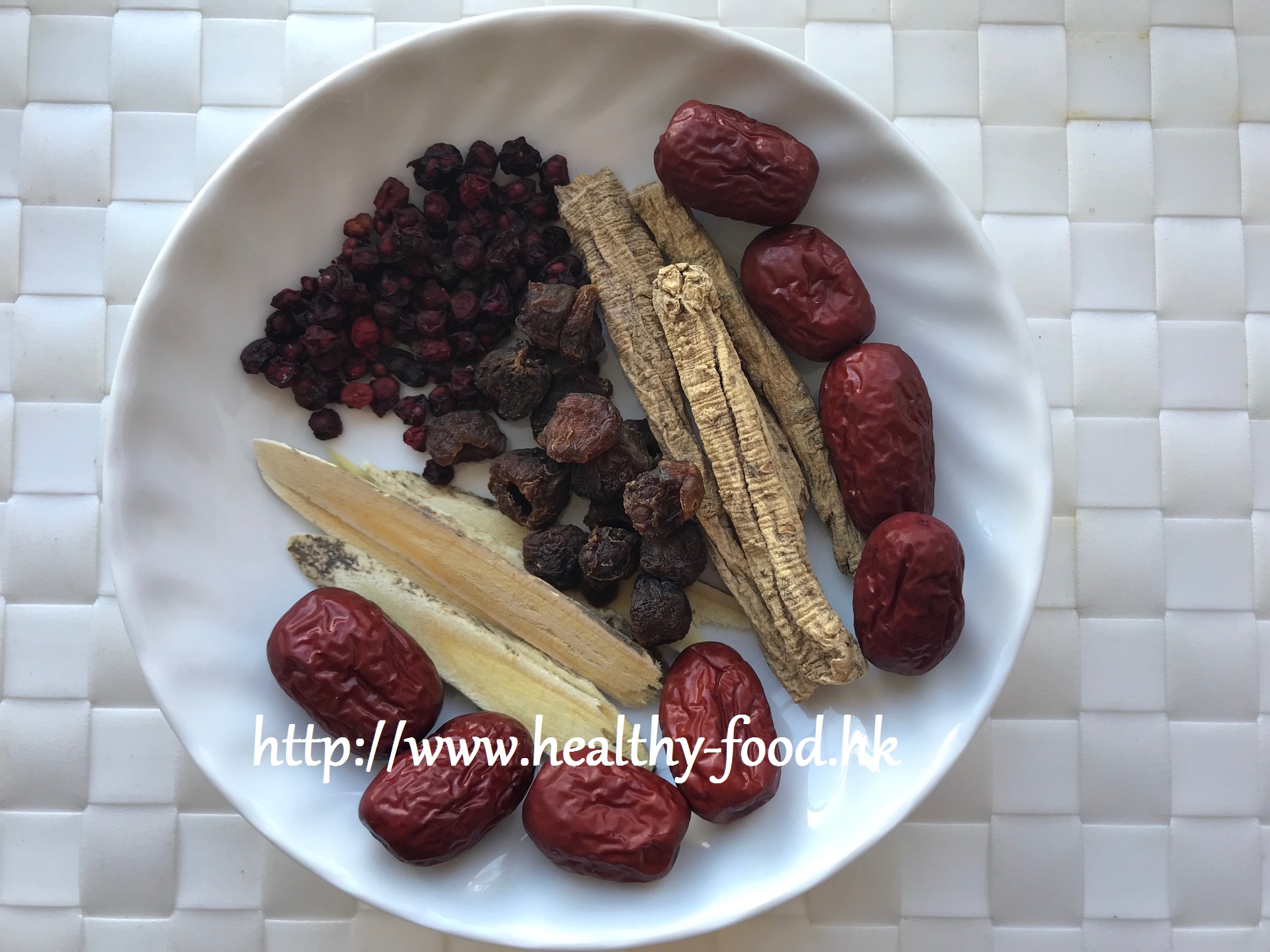
The original Sheng Mai San uses ginseng as the primary herb. Nourilo substitutes codonopsis (dang shen) here, because ginseng is more forceful and better suited to acute, severe deficiency, whereas codonopsis is gentler — better matched to the mild, chronic fatigue and deficiency that everyday life tends to produce. Codonopsis is also associated in research with increasing red blood cell count and haemoglobin, so it both nourishes qi and supports blood.
Method
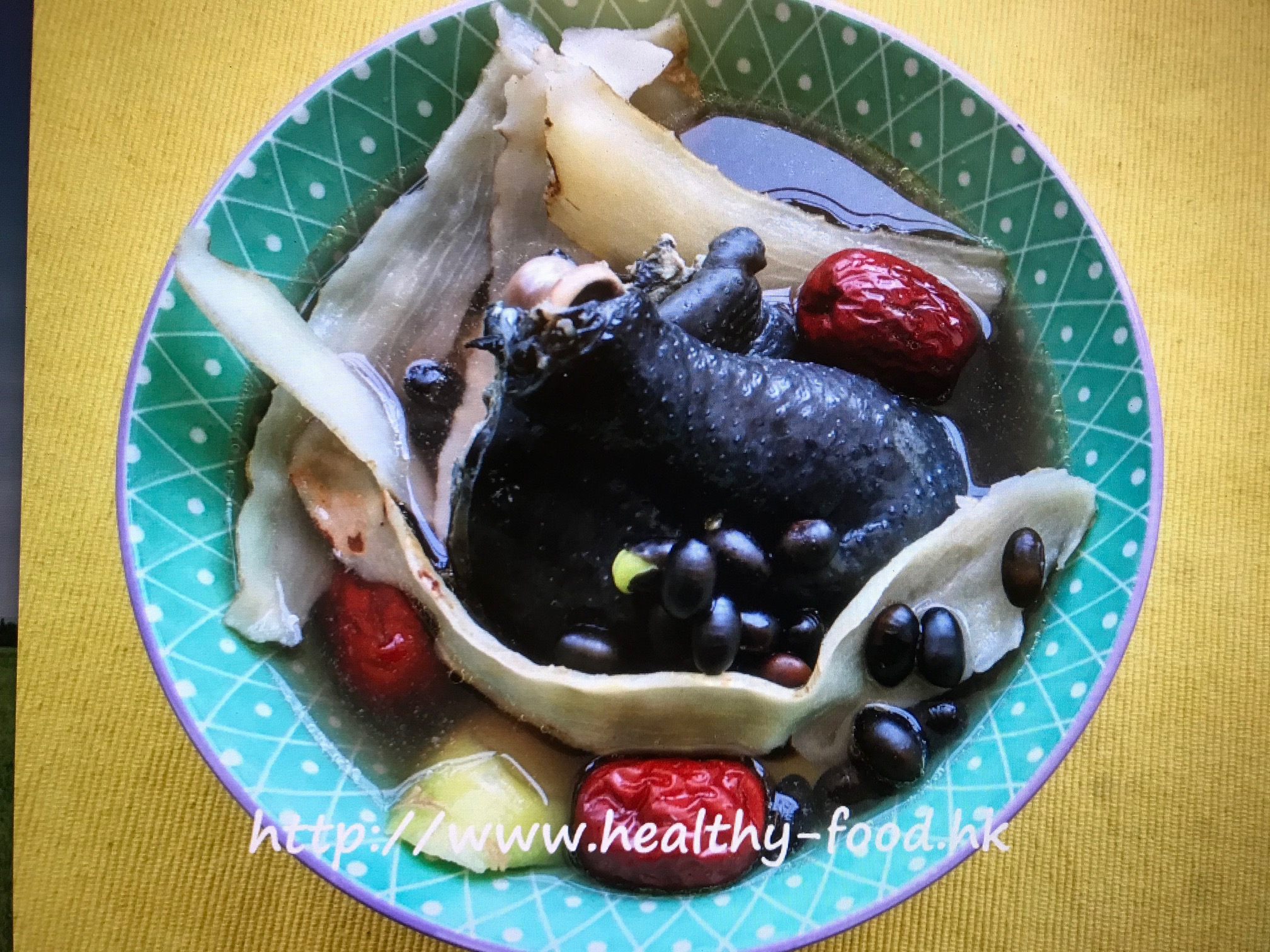
- Wash and cut the chicken into pieces. Blanch briefly in boiling water to remove impurities, then rinse.
- Pit the red dates.
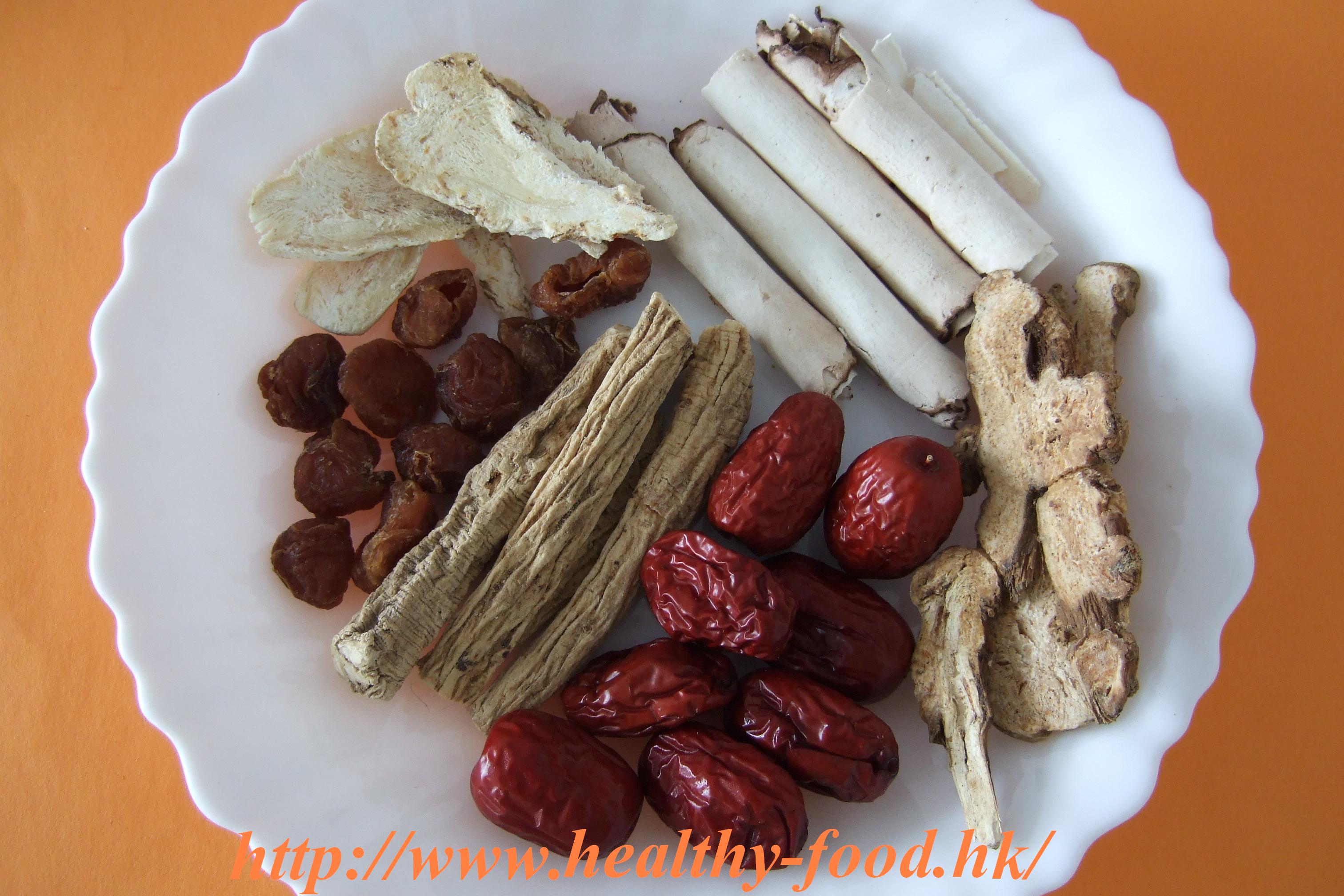
- Rinse the codonopsis, ophiopogon root, and schisandra berries; soak briefly.
- Place all ingredients in a stewing pot (a ceramic or clay double-boiler insert works well). Pour in 600 ml of boiling water.
- Set the stewing pot inside a larger pot of water (double boiler). Steam-stew for 3 hours.
- Serve the broth and eat the chicken. Consume over the course of one day.
Nourilo’s Tips
This soup supports the nervous system and is associated in Chinese medicine with regulating the heartbeat and calming the spirit. However, food therapy is only a supportive measure — anyone with a diagnosed cardiac condition must see a doctor and follow prescribed treatment. Do not rely on this soup alone.
If you have a cough but no fever, you can still drink this soup. If you are on heart medication, leave at least a 2-hour gap between the medication and the soup.
What studies say about the key ingredients
Traditional use is not the same as clinical proof. Here is the strongest human research we found for each ingredient, limitations included.
- Schisandra berries
Compared with placebo, the extract group had a higher increase in right knee extensor strength (10.2 Nm) and left knee extensor strength (6.7 Nm). No group differences were found in muscle mass, inflammatory or antioxidative markers.Limitation: Small sample over 12 weeks, with an extract dose not comparable to eating the whole berry; muscle mass and blood markers did not differ.PubMed 33710261 · 2 more schisandra berries studies - Ginger
Overall, acute and delayed nausea and vomiting did not differ significantly between ginger and control groups. A subgroup taking 1 g/day or less for over four days had less acute vomiting (OR 0.30).Limitation: Clinical heterogeneity between trials required subgroup analyses, and the authors state that sufficiently large, high-quality RCTs are still needed.PubMed 36501010 · 3 more ginger studies - Red dates
Jujube was associated with significantly lower BMI and triglycerides, and lower fasting blood sugar in people with type 2 diabetes. LDL and total cholesterol fell only in some subgroups. HDL, AST and ALT did not change significantly.Limitation: The authors state the overall quality of the evidence is limited, and results varied significantly by dose, treatment duration and disease type.PubMed 40399274 · 3 more red dates studies
From the Nourilo Research Library. Findings come from specific doses, extracts and populations and may not apply to a home-cooked recipe.
Safety first — read before you cook
This is a traditional food, not a treatment. Please check with your doctor or pharmacist before making it a regular part of your diet if you:
- are pregnant or breastfeeding, or are cooking for a young child;
- take regular medicines — especially blood thinners, blood-pressure, diabetes or immune-suppressing drugs;
- have a kidney, liver or heart condition, or a known food allergy.
Stop eating it and seek advice if you notice an allergic reaction or feel unwell. Safety notes reviewed 8 October 2026 · How we write safety notes
Comments
Join the conversation — sign in or create a free account to comment.
Continue with GoogleBy continuing with Google or email you confirm you are 16 or older and agree to our Terms of Use and Privacy Policy.
Loading comments…