Soups
American Ginseng, Ophiopogon & Lotus Seed Pork Soup
traditionally used to nourish heart yin and calm the mind during hyperthyroidism recovery
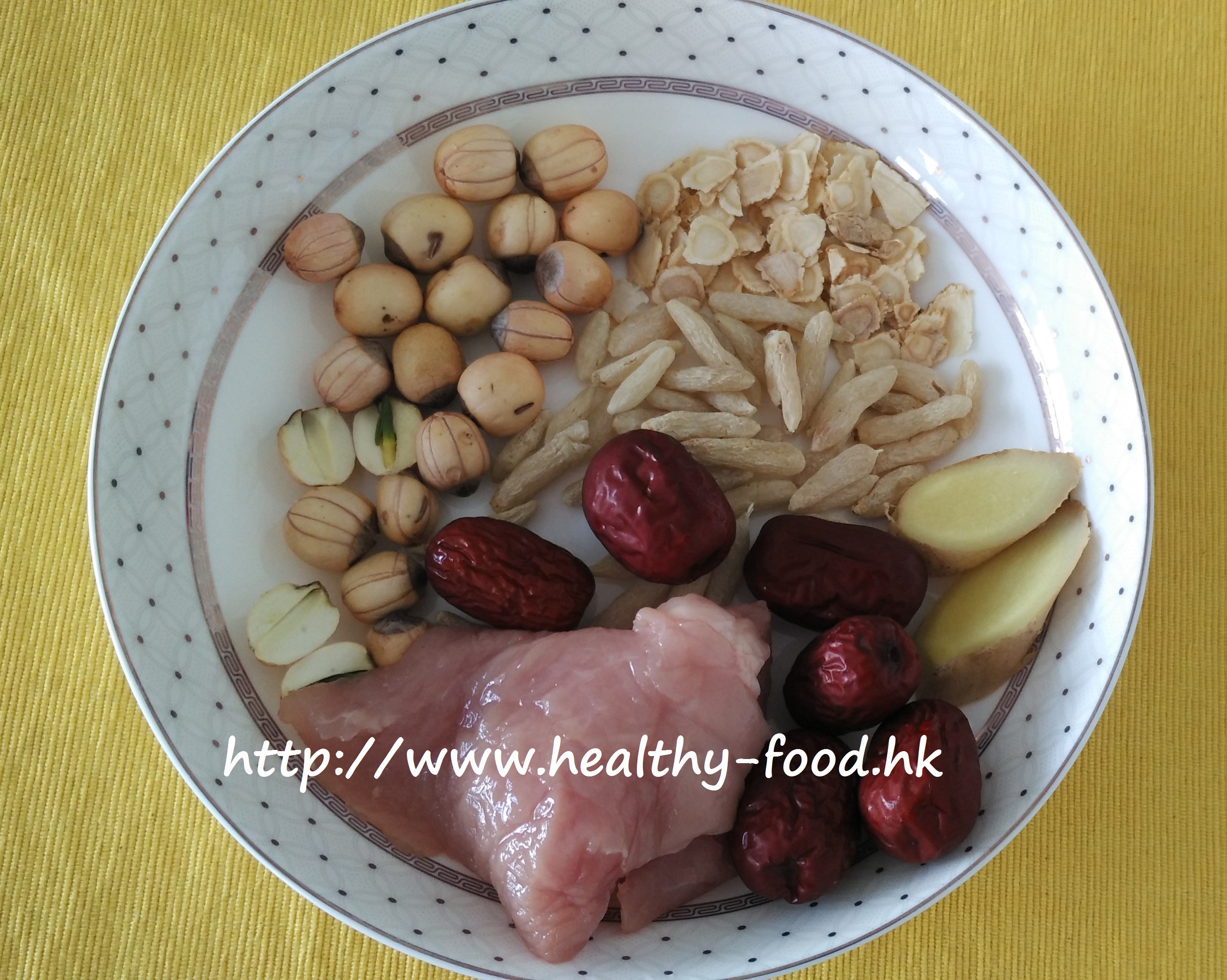
In short: American Ginseng, Ophiopogon & Lotus Seed Pork Soup is a soup that traditionally used to nourish heart yin and calm the mind during hyperthyroidism recovery. It is most often made for heart & circulation, sleep & calm, energy & vitality. Total time about 70 min. Key ingredients: american ginseng, ophiopogon root, ginger, red dates.
Why people make this soup
In traditional Chinese food therapy, the early stage of hyperthyroidism is thought to involve excess liver fire, and over time this heat is said to deplete yin — the body’s cooling, moistening energy. When heart yin is drained, the classic signs appear: a racing or irregular heart, a sense of fluttering in the chest, restlessness, and poor sleep. This soup brings together a few ingredients that generations of Cantonese households have turned to for exactly that kind of inner restlessness — something warming in spirit but cooling in effect, gentle enough to share with the whole family.
Method
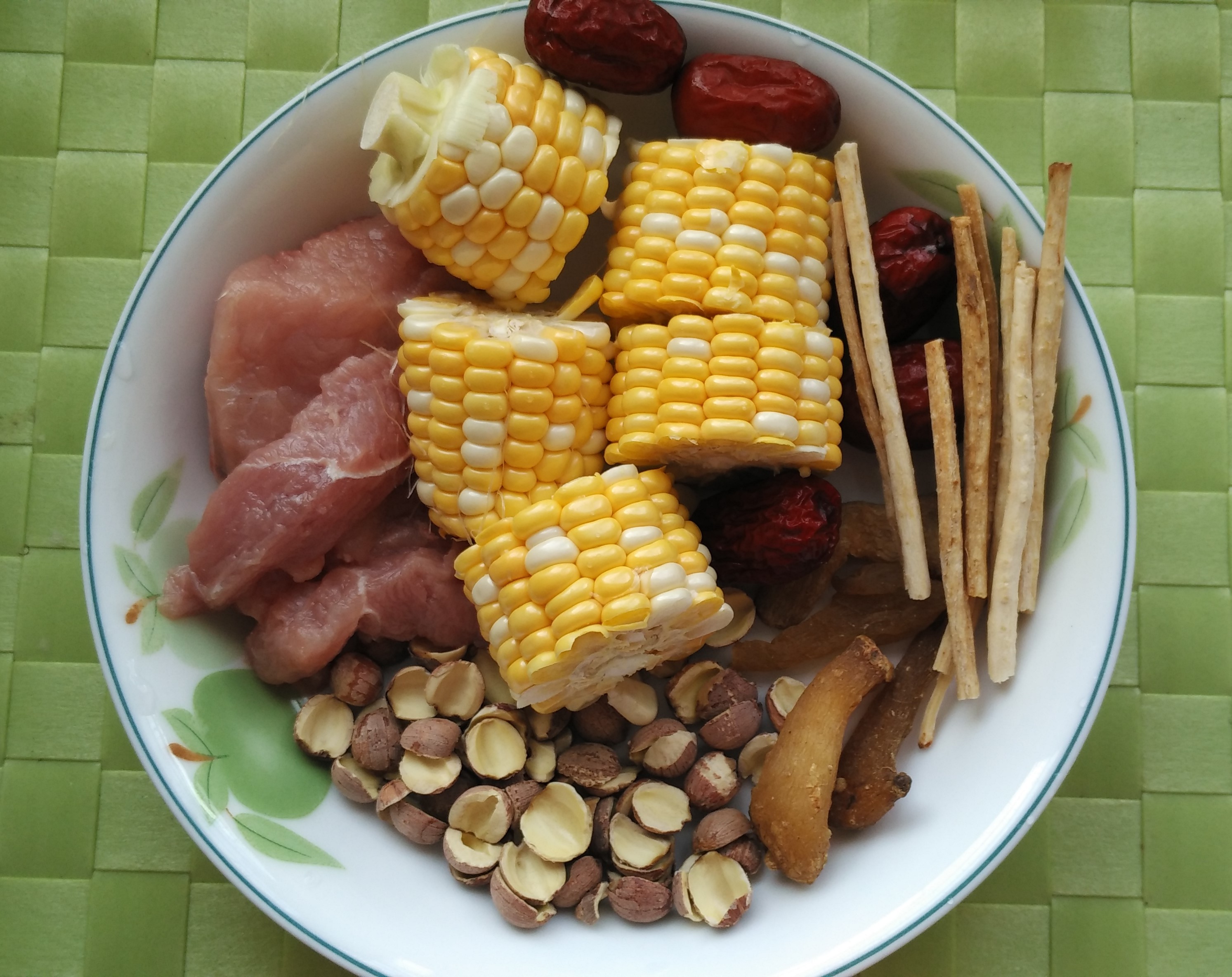
- Rinse the fresh lotus seeds and set aside; briefly soak and rinse the ophiopogon root; pit the red dates; blanch the lean pork in boiling water for a minute or two, drain.
- Bring 2.1 L of water to a boil in a pot. Add the lotus seeds, ophiopogon, ginger, red dates, and pork.
- Simmer over medium-low heat for 50 minutes.
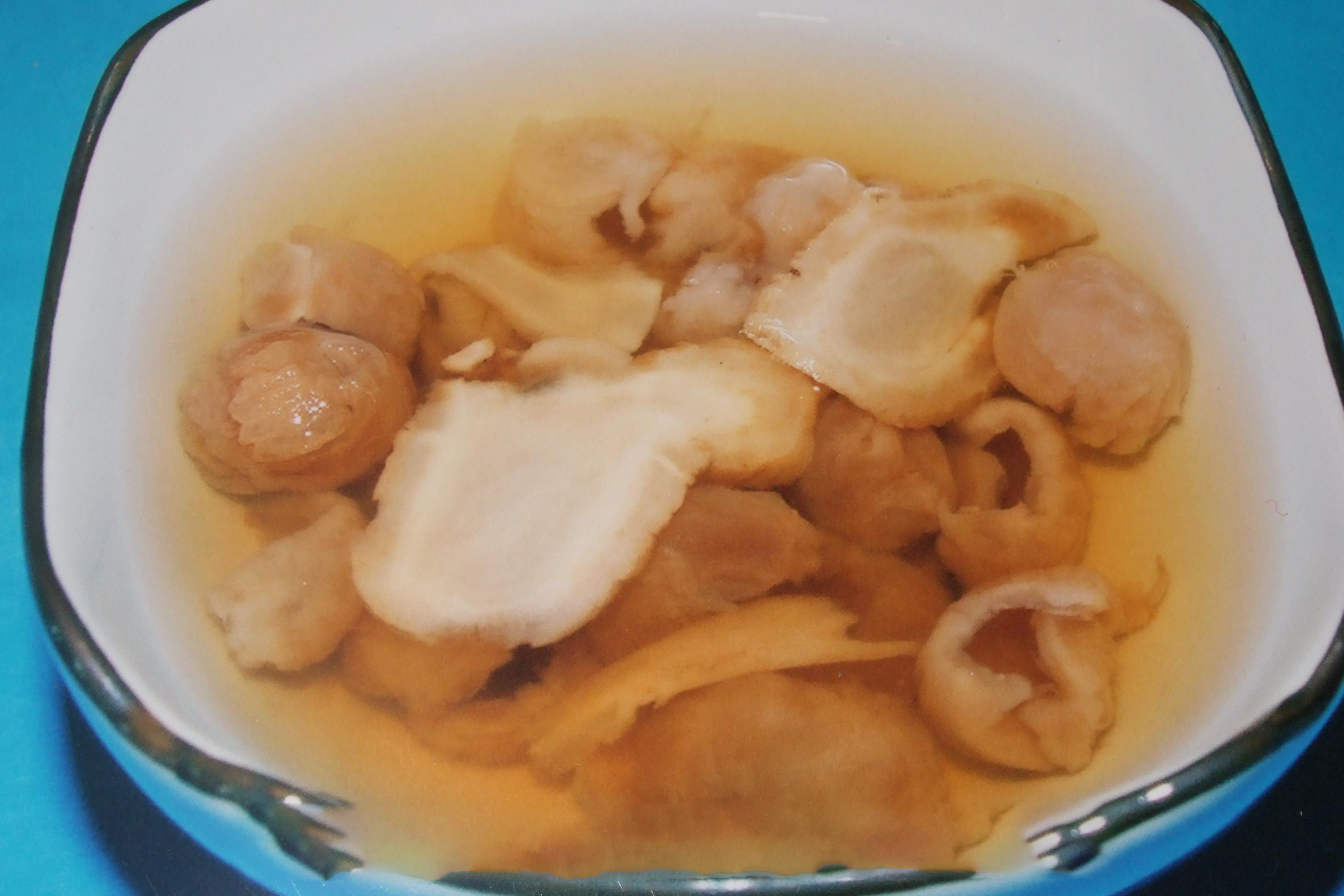
- Slice the American ginseng thinly and add it to the pot. Simmer for a further 5 minutes only, then turn off the heat. Serve.
Nourilo’s Tips
Fresh lotus seeds with the core intact give the best results. If you cannot find fresh lotus seeds, substitute dried lotus seeds with the core still attached (you wu xin lian zi) — use about 40 g (38 g). You can also add 40 g of dried lily bulb (bai he) to the pot; it deepens the calming, heart-nourishing effect.
American ginseng should always go in last and cook only briefly — prolonged boiling destroys some of its beneficial compounds.
What studies say about the key ingredients
Traditional use is not the same as clinical proof. Here is the strongest human research we found for each ingredient, limitations included.
- American ginseng
The change in the general fatigue score was not significantly different from placebo at 4 weeks (P = .07). At 8 weeks, the ginseng group improved more than placebo (20 vs 10.3, P = .003). Toxicities did not differ between arms.Limitation: The primary endpoint at 4 weeks was not statistically significant, and fatigue was self-reported. Benefit appeared greater in people still receiving cancer treatment.PubMed 23853057 · 1 more american ginseng study - Lotus seeds
Lotus seed meals had a low glycemic index (GI 21–51 across the lotus seed and adzuki bean meals), while several other starchy foods did not differ significantly from rice. Lotus seed's in vitro hydrolysis index was also lower than that of other test foods.Limitation: Only ten healthy participants and acute single-meal tests, so findings may not apply to people with diabetes or to long-term intake.PubMed 30875961 - Ginger
Overall, acute and delayed nausea and vomiting did not differ significantly between ginger and control groups. A subgroup taking 1 g/day or less for over four days had less acute vomiting (OR 0.30).Limitation: Clinical heterogeneity between trials required subgroup analyses, and the authors state that sufficiently large, high-quality RCTs are still needed.PubMed 36501010 · 3 more ginger studies
From the Nourilo Research Library. Findings come from specific doses, extracts and populations and may not apply to a home-cooked recipe.
Safety first — read before you cook
This is a traditional food, not a treatment. Please check with your doctor or pharmacist before making it a regular part of your diet if you:
- are pregnant or breastfeeding, or are cooking for a young child;
- take regular medicines — especially blood thinners, blood-pressure, diabetes or immune-suppressing drugs;
- have a kidney, liver or heart condition, or a known food allergy.
Ingredient notes for this recipe
- American ginseng: Has been shown to weaken the effect of warfarin and may lower blood sugar. Talk to your doctor first if you take blood thinners or diabetes medicines. Source: Memorial Sloan Kettering — American Ginseng
Stop eating it and seek advice if you notice an allergic reaction or feel unwell. Safety notes reviewed 8 October 2026 · How we write safety notes
Comments
Join the conversation — sign in or create a free account to comment.
Continue with GoogleBy continuing with Google or email you confirm you are 16 or older and agree to our Terms of Use and Privacy Policy.
Loading comments…