Soups
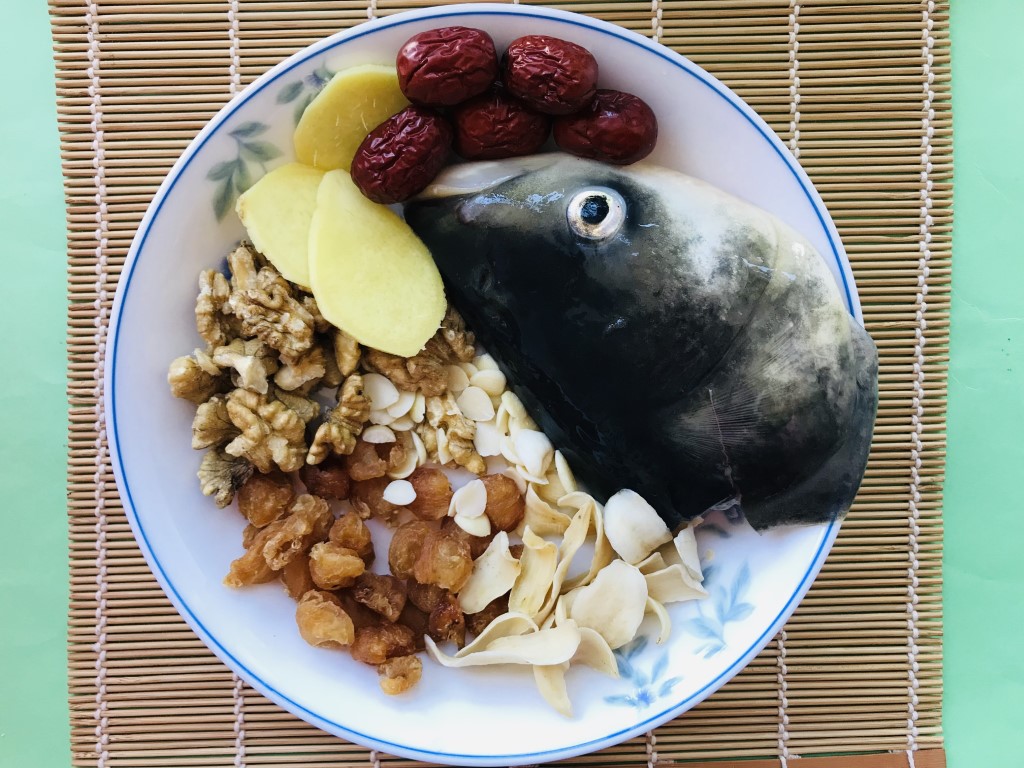
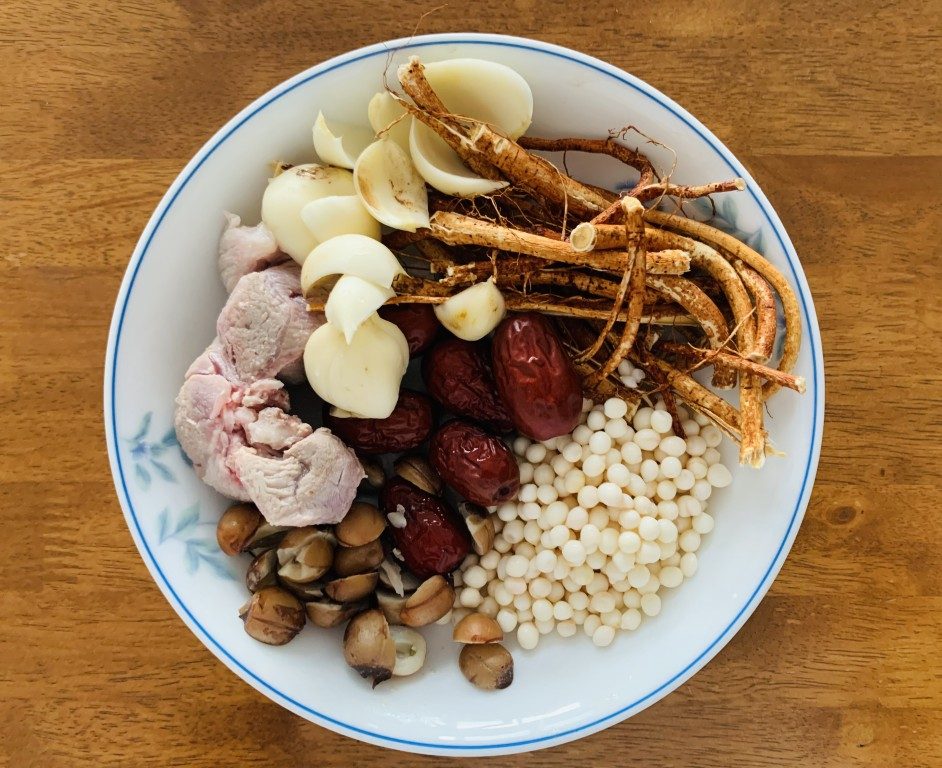
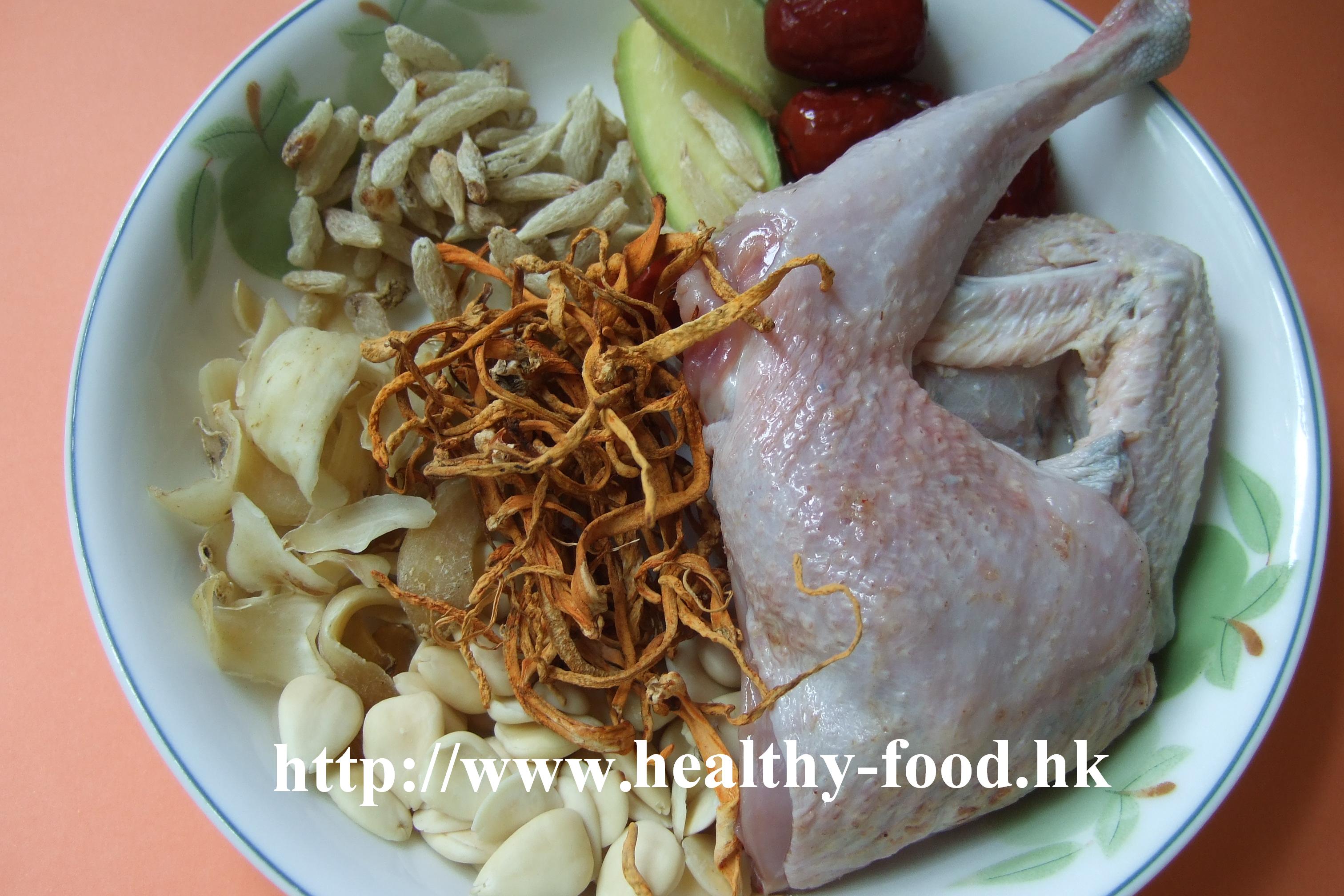
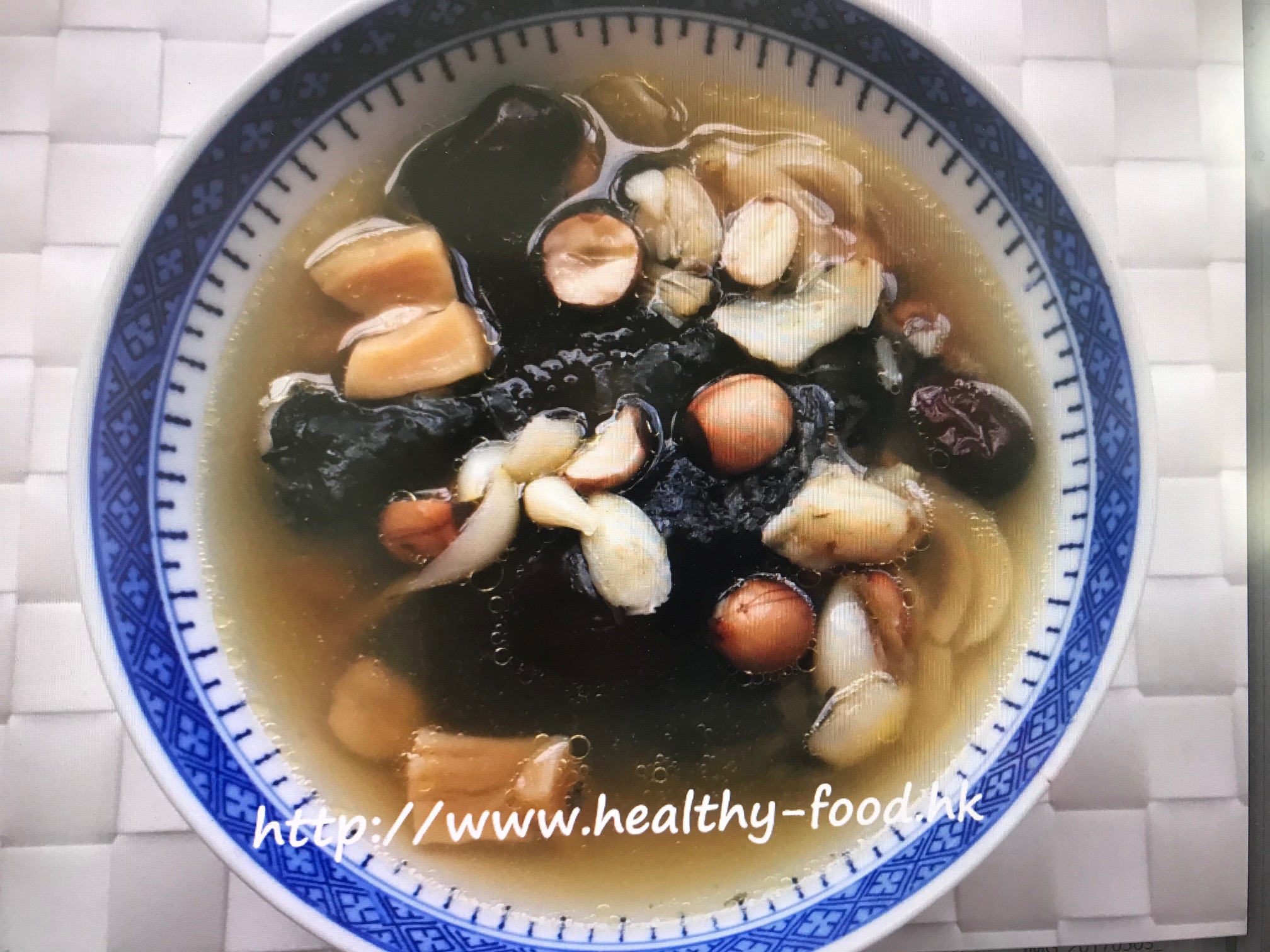
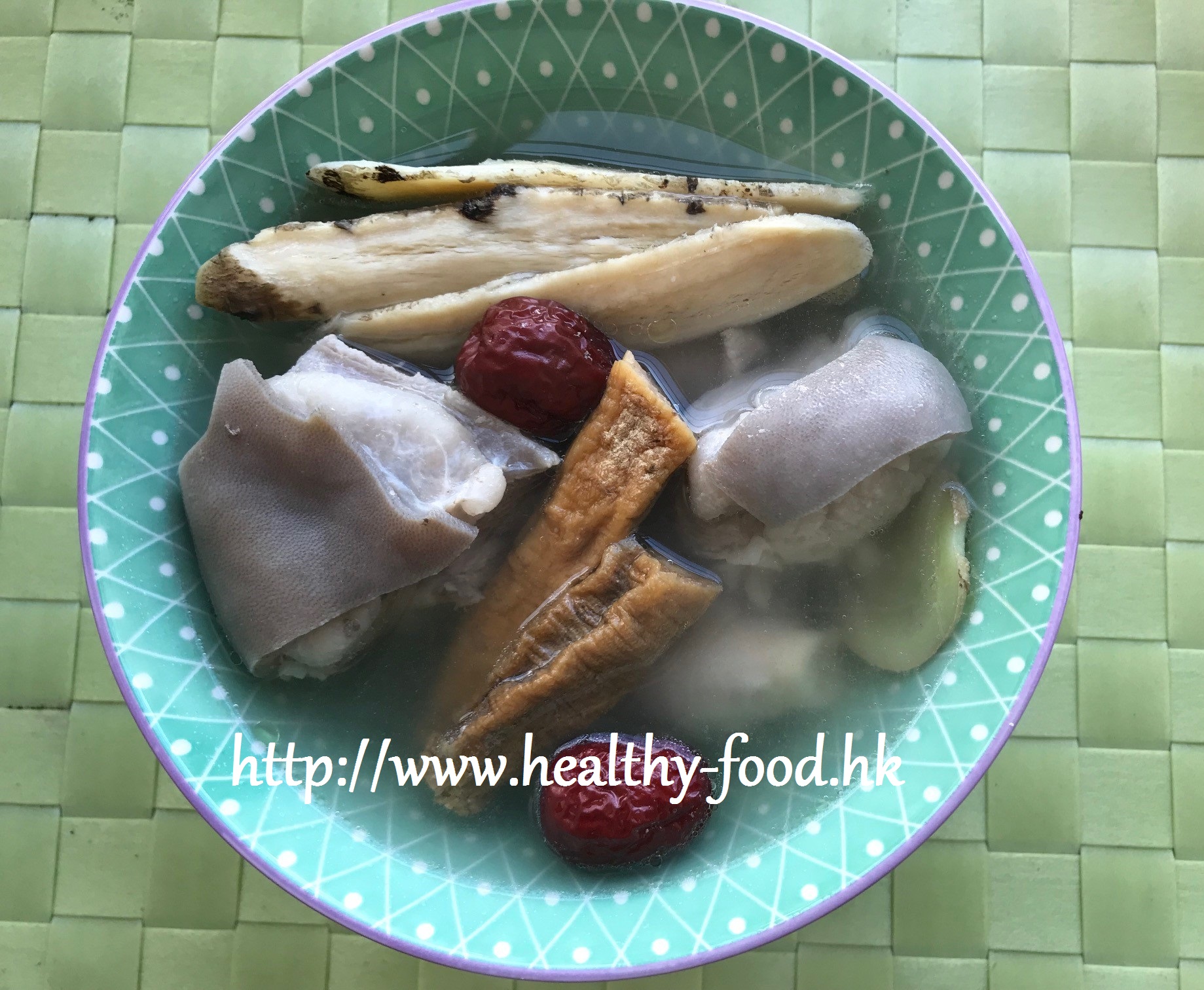
Walnut, Apricot Kernel, Longan, Lily Bulb and Large Fish Head Soup
Traditionally associated with nourishing the heart, calming the mind, and supporting cognitive clarity
In short: Walnut, Apricot Kernel, Longan, Lily Bulb and Large Fish Head Soup is a soup that Traditionally associated with nourishing the heart, calming the mind, and supporting cognitive clarity. It is most often made for respiratory & lung wellness, children's wellness, heart & circulation. Total time about 1 hr 20 min. Key ingredients: walnuts, sweet and bitter apricot kernels, longan flesh, lily bulb.
Why people make this soup
Brain fog — that frustrating state of mental fuzziness, poor concentration, forgetfulness, and mental fatigue — has become one of the most commonly reported long COVID symptoms. Children who have had COVID may seem slower to focus, more easily irritable, or less sharp than before. Adults often report anxiety, poor sleep, and emotional instability on top of the cognitive difficulty. Nourilo recommends building a recovery routine that includes plenty of brain-supporting nutrients from food: walnuts, pistachios, hazelnuts, pine nuts, deep green leafy vegetables, salmon, omega-3 fish oil, bananas, and blueberries all deserve a place on the plate. This soup takes that idea into Cantonese broth form. The fish head is more than just flavour — Chinese food therapy holds to the idea that like nourishes like, and the brain-supporting qualities of a rich fish head broth have been valued in Cantonese cooking for generations. Longan and lily bulb are heart- and mind-calming ingredients; walnut and apricot kernels support lung and brain function.
Method
- Soak and rinse the apricot kernels, lily bulb, and longan flesh. Rinse the walnut kernels and red dates; pit the dates.
- Rinse and halve the fish head; pan-fry in a little oil until lightly golden on both sides (this removes the fishy smell and enriches the broth).
- Combine all ingredients in a pot with 2.1 L of water.
- Bring to a boil, then reduce heat and simmer for 1 hour until reduced to 0.9–1.2 L.
- Serve; eat the soup, fish head, and soft solids together.
Nourilo’s Tips
Traditional Chinese medicine holds the principle of “like nourishes like” — using a large fish head in this soup is not just about flavour. It is deeply valued for the brain and nervous system. You can substitute a salmon head if preferred; the nourishing benefit is equally good. For walnut kernels, choose the skinless variety (qu pi he tao) to avoid the bitter taste that comes from the inner skin.
What studies say about the key ingredients
Traditional use is not the same as clinical proof. Here is the strongest human research we found for each ingredient, limitations included.
- Walnuts
Office systolic BP changed by -4.61 mm Hg with walnuts versus -0.59 mm Hg in controls (P=0.051); 24-hour ambulatory systolic BP difference was not significant (P=0.111). No diastolic BP changes were observed.Limitation: Only 236 of 305 participants (75%) completed the study, and the main between-group differences did not reach conventional significance.PubMed 30879358 · 2 more walnuts studies - Red dates
Jujube was associated with significantly lower BMI and triglycerides, and lower fasting blood sugar in people with type 2 diabetes. LDL and total cholesterol fell only in some subgroups. HDL, AST and ALT did not change significantly.Limitation: The authors state the overall quality of the evidence is limited, and results varied significantly by dose, treatment duration and disease type.PubMed 40399274 · 3 more red dates studies - Ginger
Overall, acute and delayed nausea and vomiting did not differ significantly between ginger and control groups. A subgroup taking 1 g/day or less for over four days had less acute vomiting (OR 0.30).Limitation: Clinical heterogeneity between trials required subgroup analyses, and the authors state that sufficiently large, high-quality RCTs are still needed.PubMed 36501010 · 3 more ginger studies
From the Nourilo Research Library. Findings come from specific doses, extracts and populations and may not apply to a home-cooked recipe.
Safety first — read before you cook
This is a traditional food, not a treatment. Please check with your doctor or pharmacist before making it a regular part of your diet if you:
- are pregnant or breastfeeding, or are cooking for a young child;
- take regular medicines — especially blood thinners, blood-pressure, diabetes or immune-suppressing drugs;
- have a kidney, liver or heart condition, or a known food allergy.
Ingredient notes for this recipe
- Apricot kernels: Raw apricot kernels contain amygdalin, which turns into cyanide after eating. EFSA estimates that half of one small raw kernel can exceed the safe level for a toddler. Use no more than the recipe states, never eat them raw, and do not serve them to young children. Source: European Food Safety Authority
Stop eating it and seek advice if you notice an allergic reaction or feel unwell. Safety notes reviewed 8 October 2026 · How we write safety notes
Comments
Join the conversation — sign in or create a free account to comment.
Continue with GoogleBy continuing with Google or email you confirm you are 16 or older and agree to our Terms of Use and Privacy Policy.
Loading comments…