Herbal & Flower Teas
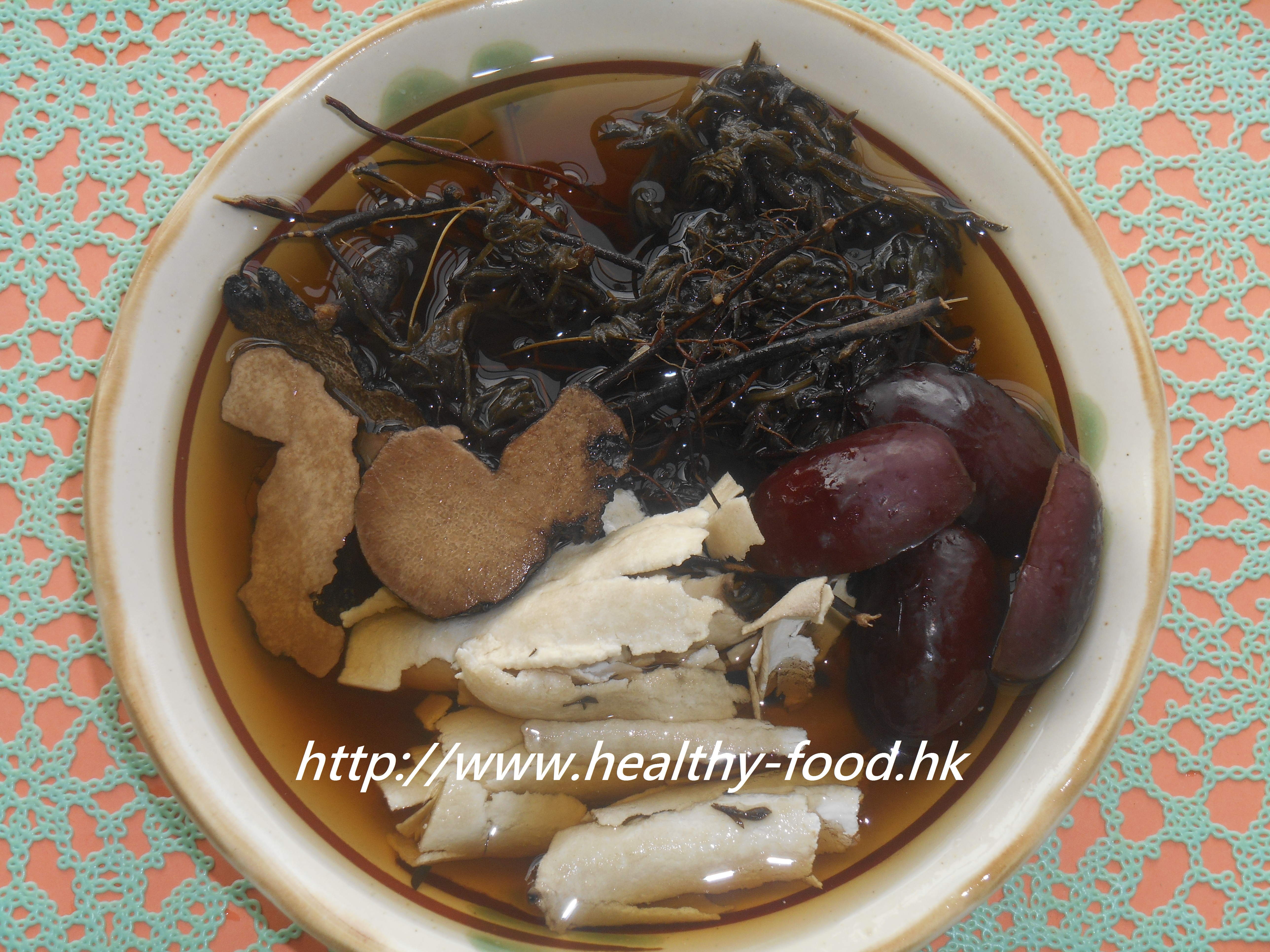
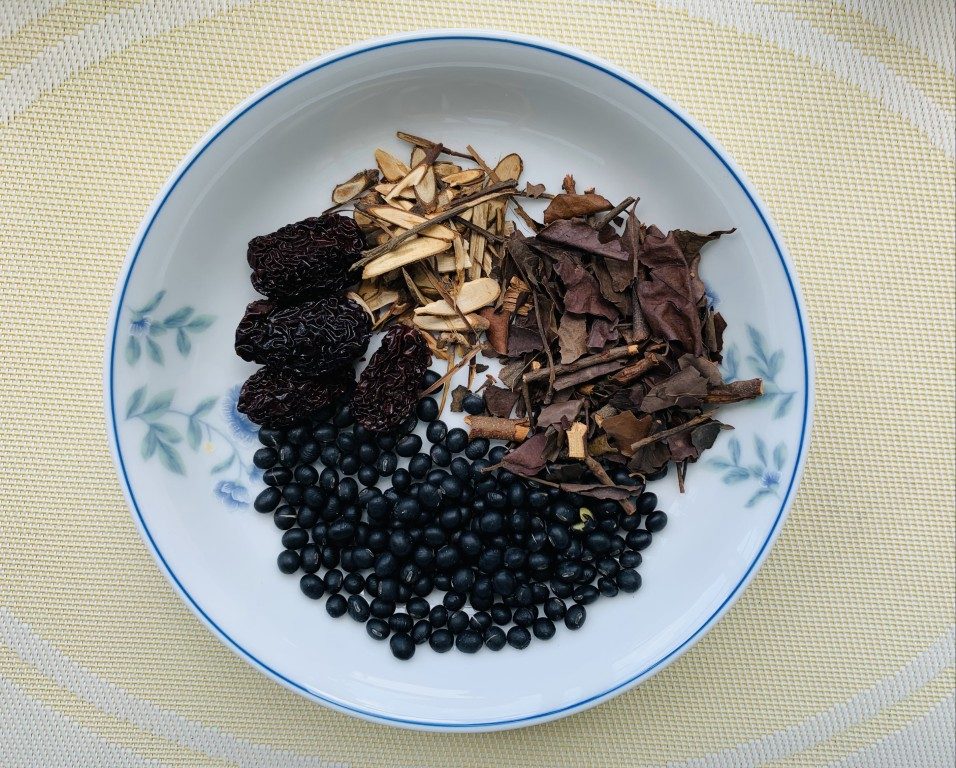
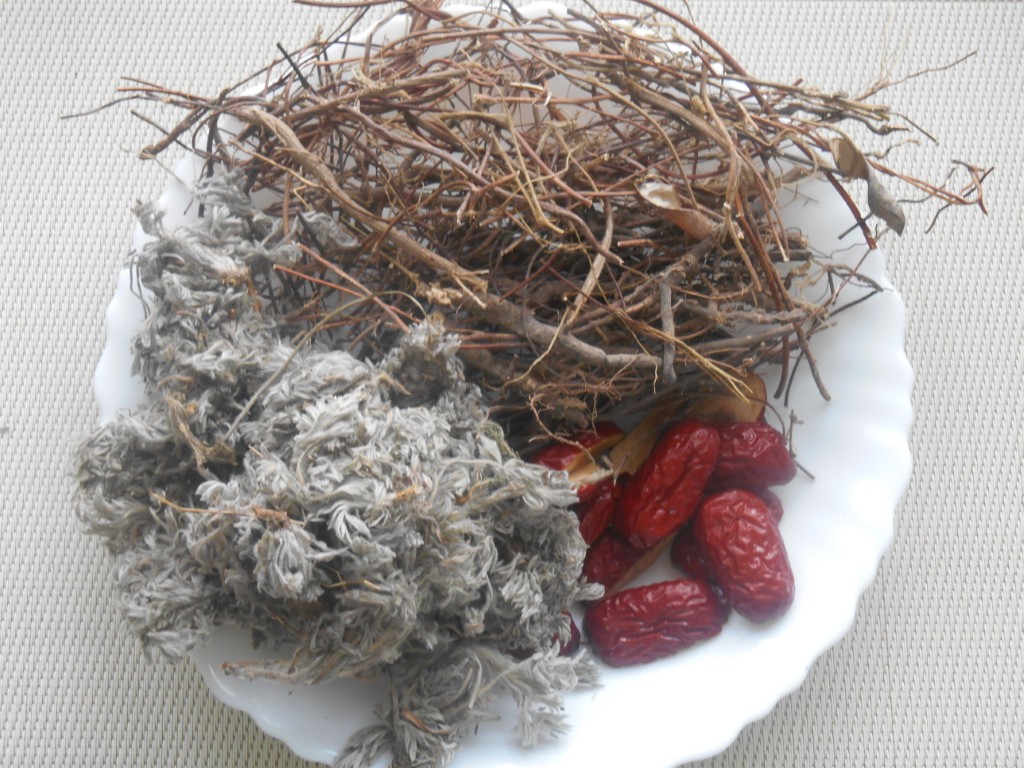
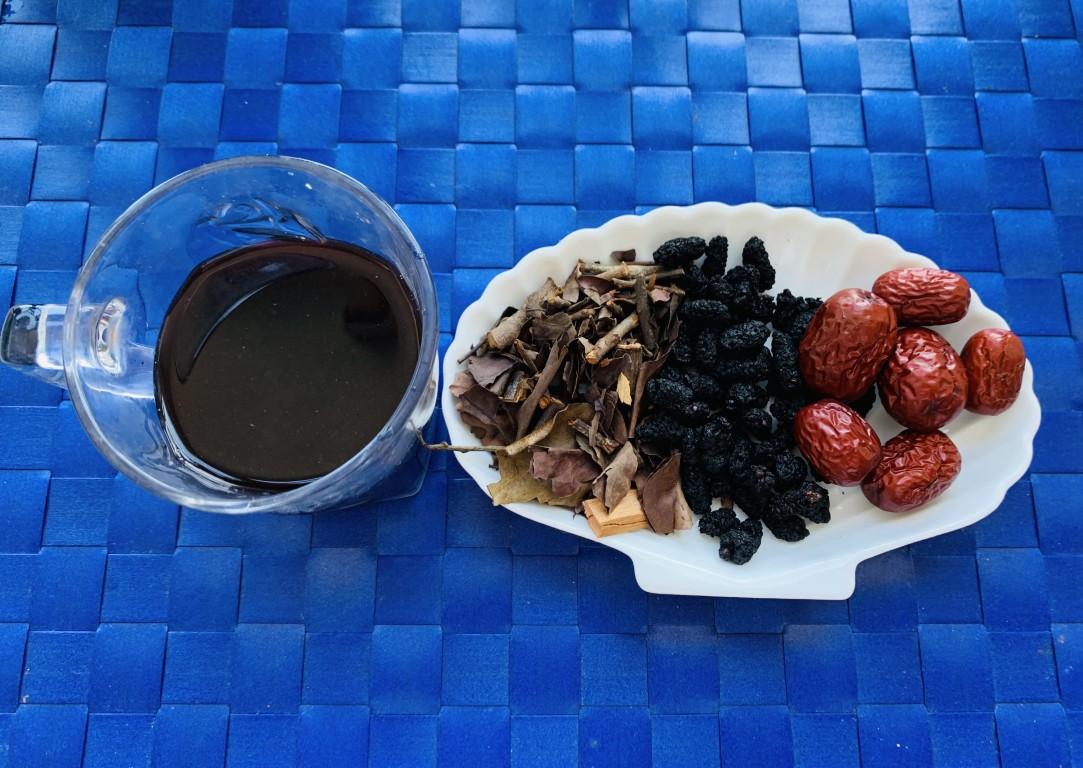
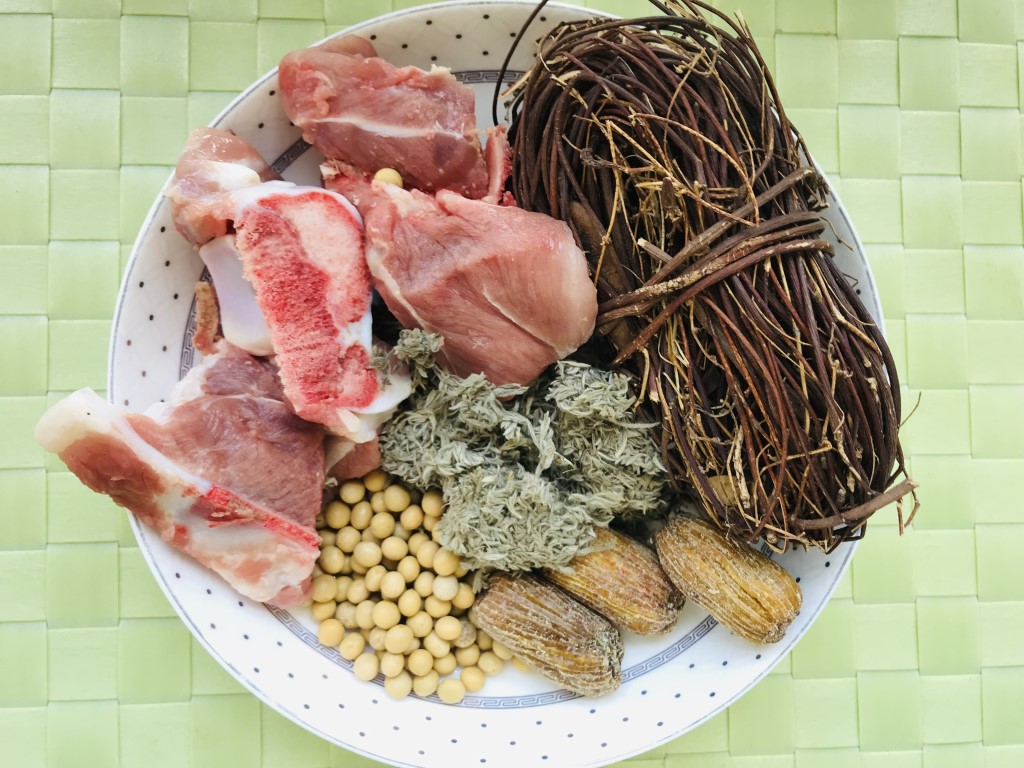
Chicken Bone Grass, Capillary Wormwood, Poria and Red Date Tea (Ji Gu Cao Yin Chen Qu Shi Cha)
traditionally used to support liver and gallbladder health, clear heat and dampness, and promote healthy urinary flow
In short: Chicken Bone Grass, Capillary Wormwood, Poria and Red Date Tea (Ji Gu Cao Yin Chen Qu Shi Cha) is a herbal & flower tea that traditionally used to support liver and gallbladder health, clear heat and dampness, and promote healthy urinary flow. It is most often made for cleansing & regularity, cooling & summer heat, liver wellness. Total time about 135 min. Key ingredients: poria, red dates.
Why people make this tea
In Cantonese households, making a pot of chicken bone grass (ji gu cao) tea during the spring and summer months is as routine as making stock. It is considered a gentle, ongoing protective habit for the liver and gallbladder — clearing heat, supporting bile flow, and helping the body cope with the heat and humidity that characterise the subtropical climate.
There is a beautifully practical saying in Chinese herbalism: “Yin chen in March, wormwood in April, and by May it is only good for firewood.” This refers to the fact that capillary wormwood (yin chen) and mugwort/qing hao are the same plant at different stages of growth — when young and tender it is yin chen, prized for liver and jaundice support; as it matures it becomes qing hao, traditionally used for fever and malaria; and by the time it is fully grown, it is only useful as kindling. This kind of pragmatic, seasonal knowledge is at the heart of traditional Chinese herbal cooking.
Combining ji gu cao and yin chen with poria and polyporus mushrooms creates a tea that is more effective at clearing dampness and supporting urinary flow than either herb alone. The red dates are added partly for sweetness — making the tea pleasant to drink — and partly to moderate the cooling nature of the herbs so the formula is not too harsh on the stomach.
Method
- Soak all the herbal ingredients in water for 15 minutes, then rinse. Pit the red dates.
- Place all ingredients in a pot with 2.4 L of water.
- Bring to a boil, then reduce to a gentle simmer. Cook on low-medium heat for 2 hours, until the liquid reduces to about 1.2 L.
- Strain and serve warm. The tea has a slightly bitter, earthy flavour balanced by the sweetness of the dates.
Nourilo’s Tips
Adding polyporus and poria mushrooms strengthens the diuretic and dampness-clearing action considerably — and polyporus polysaccharides have been noted in traditional practice for additional immune and anti-hepatitis support. The red dates also serve the practical purpose of reducing the cold nature of the formula so it is gentler on the stomach. This is a tea the whole family can enjoy in summer — but those with a genuinely cold, deficient constitution (no signs of dampness or heat) should drink it cautiously or skip it. If polyporus mushroom is unavailable, simply double the quantity of poria (use 30 g of fu ling instead).
During menstruation, it is better to wait until your period is over before drinking cooling herbal teas like this one.
What studies say about the key ingredients
Traditional use is not the same as clinical proof. Here is the strongest human research we found for each ingredient, limitations included.
- Red dates
Jujube was associated with significantly lower BMI and triglycerides, and lower fasting blood sugar in people with type 2 diabetes. LDL and total cholesterol fell only in some subgroups. HDL, AST and ALT did not change significantly.Limitation: The authors state the overall quality of the evidence is limited, and results varied significantly by dose, treatment duration and disease type.PubMed 40399274 · 3 more red dates studies
From the Nourilo Research Library. Findings come from specific doses, extracts and populations and may not apply to a home-cooked recipe.
Safety first — read before you cook
This is a traditional food, not a treatment. Please check with your doctor or pharmacist before making it a regular part of your diet if you:
- are pregnant or breastfeeding, or are cooking for a young child;
- take regular medicines — especially blood thinners, blood-pressure, diabetes or immune-suppressing drugs;
- have a kidney, liver or heart condition, or a known food allergy.
Stop eating it and seek advice if you notice an allergic reaction or feel unwell. Safety notes reviewed 8 October 2026 · How we write safety notes

Comments
Join the conversation — sign in or create a free account to comment.
Continue with GoogleBy continuing with Google or email you confirm you are 16 or older and agree to our Terms of Use and Privacy Policy.
Loading comments…