Soups
Processed Mulberry Mistletoe, Black Bean and Longan Soup
Traditionally used to nourish blood, brighten a pale complexion, and support liver-kidney health
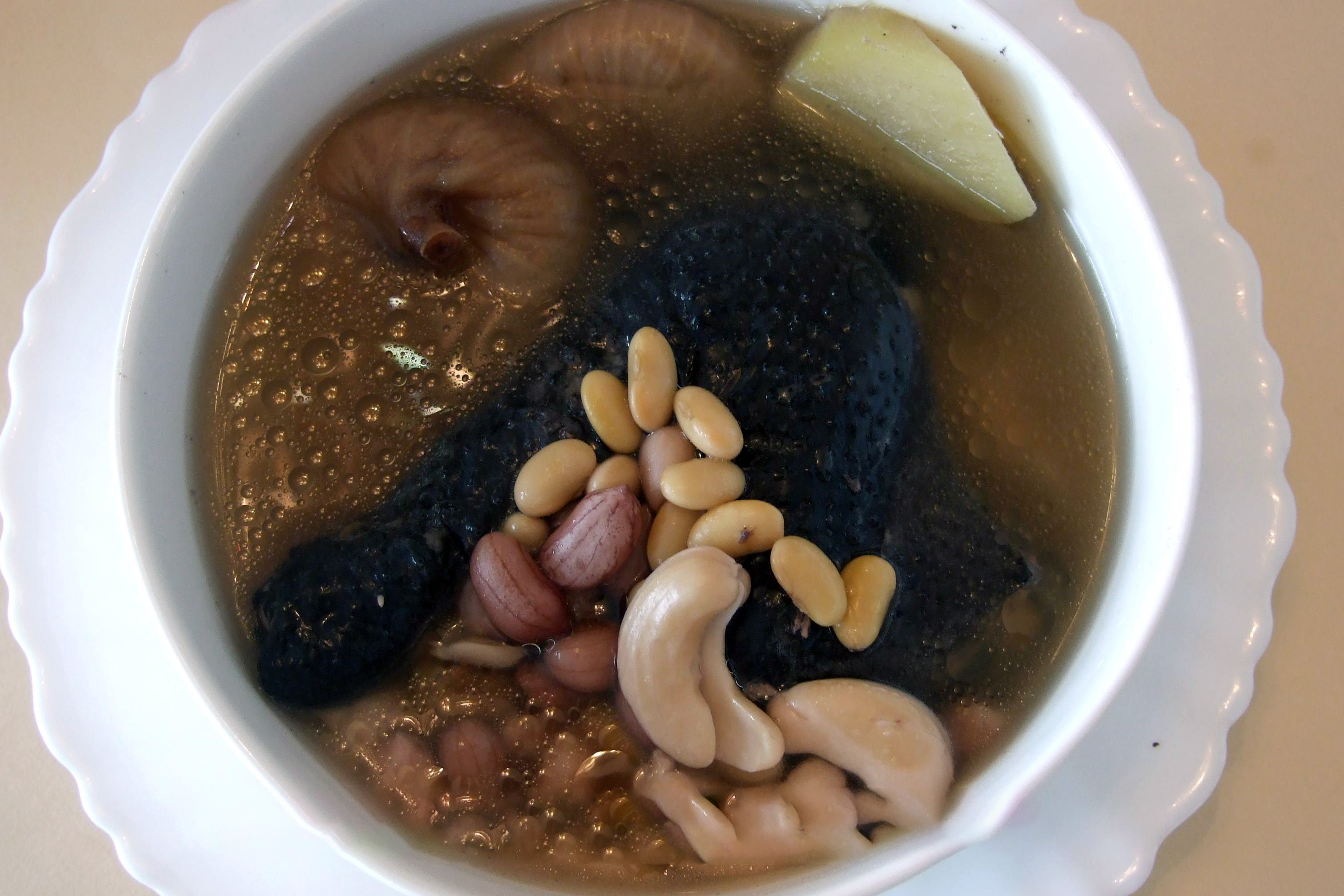
In short: Processed Mulberry Mistletoe, Black Bean and Longan Soup is a soup that Traditionally used to nourish blood, brighten a pale complexion, and support liver-kidney health. It is most often made for women's wellness, children's wellness, skin & natural beauty. Total time about 1 hr 15 min. Key ingredients: green-kernel black soybeans, red dates.
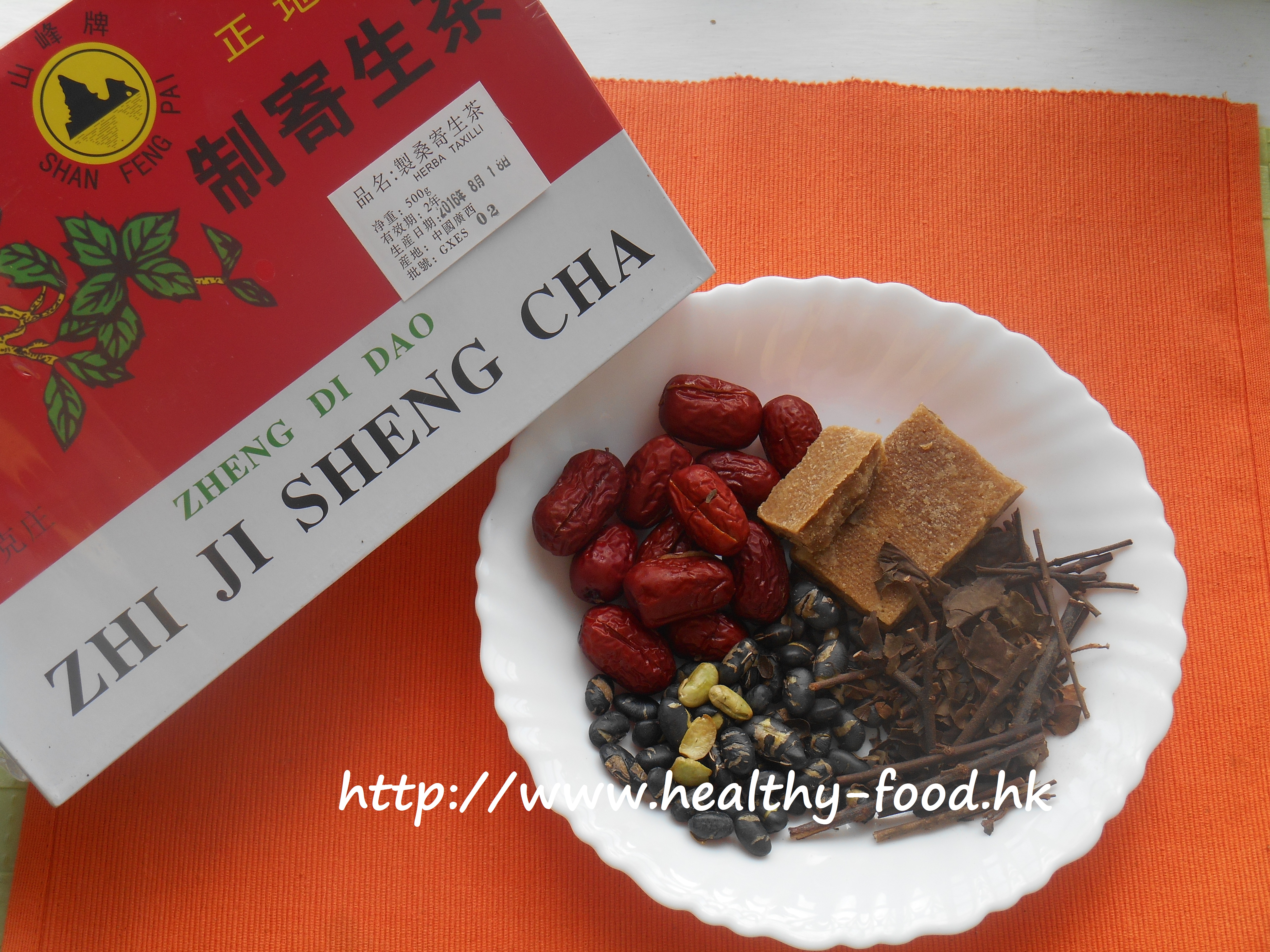
Why people make this soup
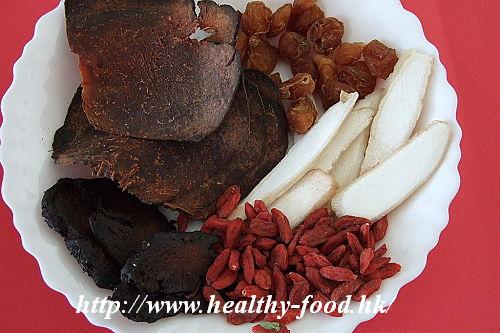
A complexion that is pale, slightly bluish-grey, and lacking any warmth — what Cantonese food therapy describes as “qing bai” — is often the result of qi and blood not reaching the face properly. It can stem from crash dieting, long-term emotional suppression that impairs the flow of liver qi, or simply insufficient blood nourishment. This tong shui (sweet herbal soup) uses processed mulberry mistletoe (zhi sang ji sheng), a processed form of the herb that gives it a sweeter, smoother flavour with less of the astringency found in unprocessed varieties.
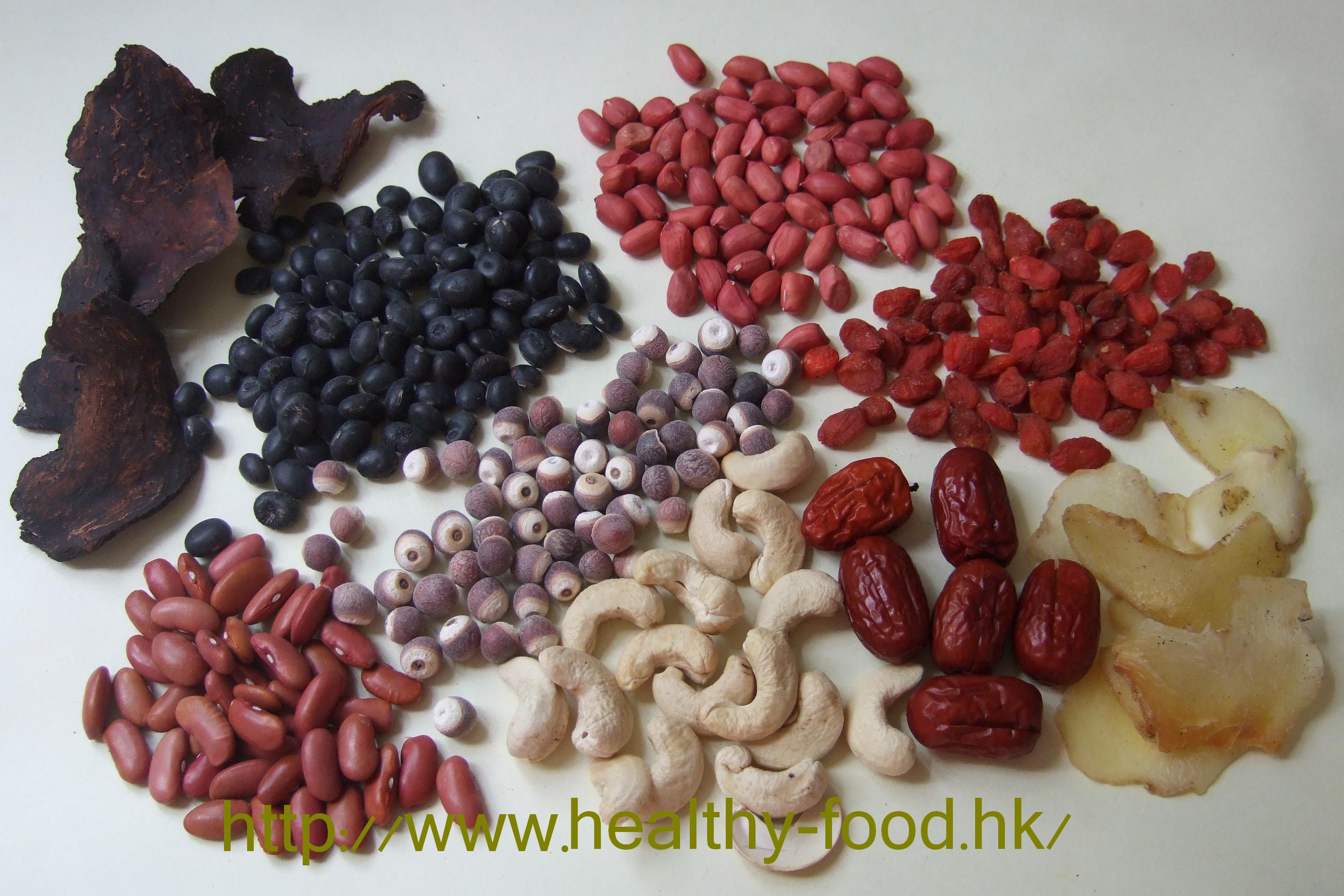
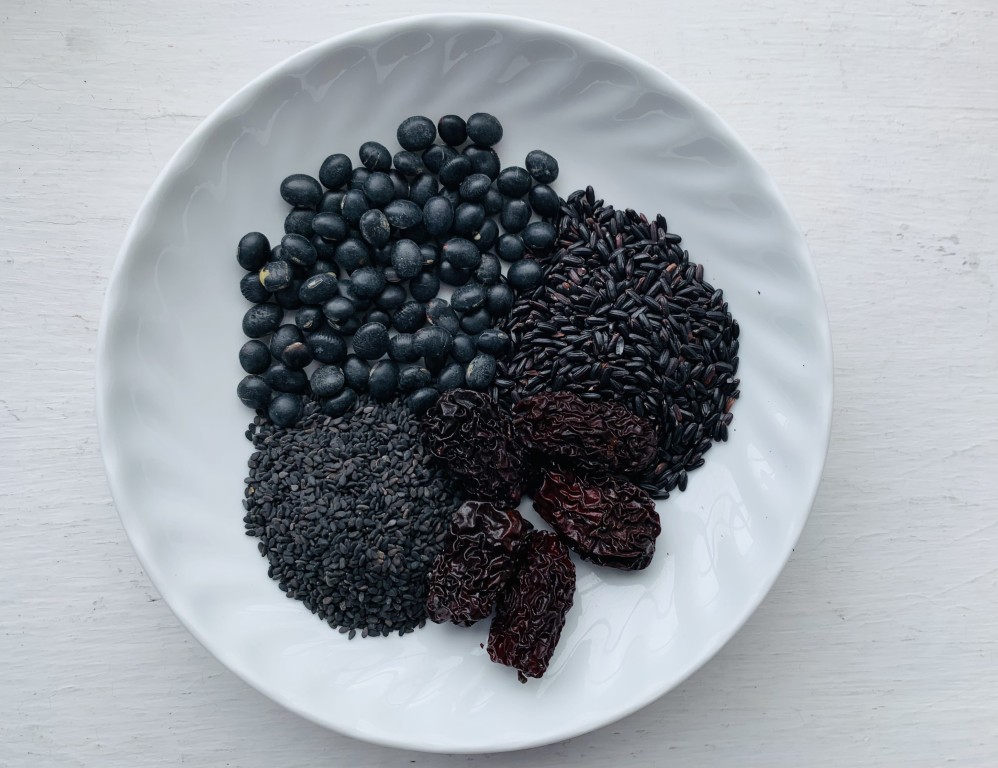
Nourilo pairs it with green-kernel black soybeans — darker and richer in anthocyanins than ordinary soybeans — and red dates, creating a sweet, deeply nourishing bowl that can be taken as a daily tonic or postpartum recovery drink. Regular consumption is traditionally associated with bringing colour back to a pale face and improving overall vitality.
Method
- Soak and rinse the mulberry mistletoe and black soybeans separately; drain.
- Pit the red dates.
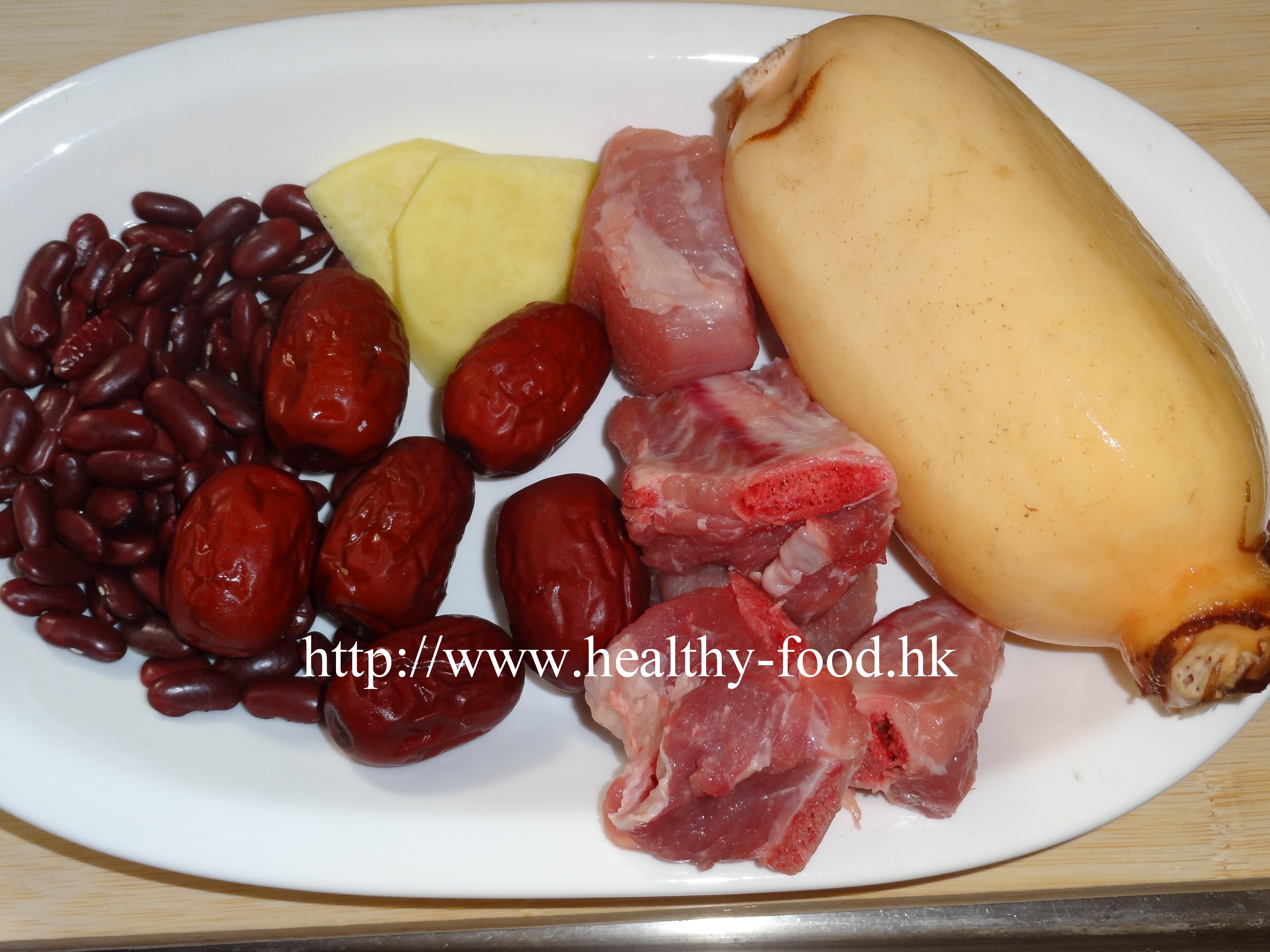
- Place mistletoe, soybeans, and red dates in a pot with 2.1 L of water.
- Bring to a boil, then reduce to a gentle simmer for 1 hour until the liquid reduces to 0.9–1.2 L.
- Add brown slab sugar to taste and stir until dissolved.
- Serve warm; drink the broth and eat the beans and dates.
Nourilo’s Tips
- For everyday use as a general tonic, lean pork can be added to make this a savoury version.
- When choosing mulberry mistletoe, look for the “processed” (zhi) variety — available in boxed form at Chinese herbal medicine shops. It has better flavour and more pronounced effects.
- If you find a box without the character “zhi” (制) on the label, it is likely unprocessed — still usable, but the soup may taste slightly astringent.
- Regular consumption gradually brightens complexion — patient, consistent use is key.
What studies say about the key ingredients
Traditional use is not the same as clinical proof. Here is the strongest human research we found for each ingredient, limitations included.
- Mulberries
Post-prandial self-monitored glucose was lower than placebo (18.2%), but A1C did not differ between mulberry leaf extract and placebo. Serum creatinine rose about 15% in the extract group.Limitation: Small pilot: only 17 of 24 enrolled participants completed the study, limiting statistical power.PubMed 28619294 · 3 more mulberries studies - Black soybeans
Systolic blood pressure fell more in the black soy peptide group (-9.69 mm Hg) than in the placebo group (-2.91 mm Hg) after baseline adjustment. Plasma malondialdehyde decreased and superoxide dismutase activity increased compared with placebo.Limitation: Used an isolated peptide supplement rather than whole black soybeans, and followed participants for only 8 weeks, so the results may not apply to food intake.PubMed 23924691 - Red dates
Jujube was associated with significantly lower BMI and triglycerides, and lower fasting blood sugar in people with type 2 diabetes. LDL and total cholesterol fell only in some subgroups. HDL, AST and ALT did not change significantly.Limitation: The authors state the overall quality of the evidence is limited, and results varied significantly by dose, treatment duration and disease type.PubMed 40399274 · 3 more red dates studies
From the Nourilo Research Library. Findings come from specific doses, extracts and populations and may not apply to a home-cooked recipe.
Safety first — read before you cook
This is a traditional food, not a treatment. Please check with your doctor or pharmacist before making it a regular part of your diet if you:
- are pregnant or breastfeeding, or are cooking for a young child;
- take regular medicines — especially blood thinners, blood-pressure, diabetes or immune-suppressing drugs;
- have a kidney, liver or heart condition, or a known food allergy.
Stop eating it and seek advice if you notice an allergic reaction or feel unwell. Safety notes reviewed 8 October 2026 · How we write safety notes
Comments
Join the conversation — sign in or create a free account to comment.
Continue with GoogleBy continuing with Google or email you confirm you are 16 or older and agree to our Terms of Use and Privacy Policy.
Loading comments…