Soups
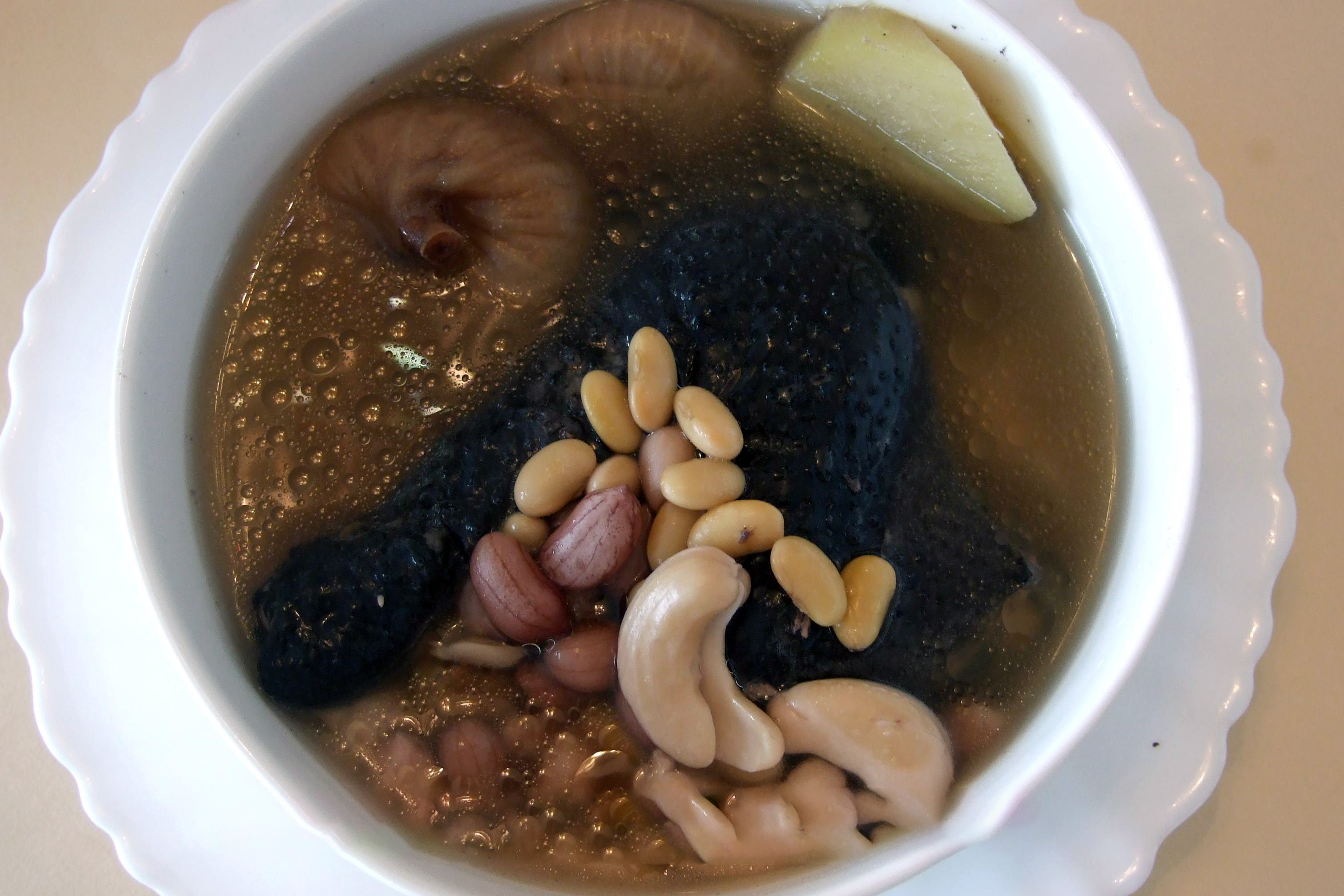
Peanut, Cashew and Black Chicken Soup
traditionally used to nourish liver and kidney, support blood, and encourage breast milk production after childbirth
In short: Peanut, Cashew and Black Chicken Soup is a soup that traditionally used to nourish liver and kidney, support blood, and encourage breast milk production after childbirth. It is most often made for women's wellness, children's wellness, liver wellness. Total time about 195 min. Key ingredients: soybeans, cashews, figs, ginger.
Why people make this soup
Insufficient breast milk after childbirth is a common challenge, often related to blood and qi deficiency after the exertion of labour, or to emotional tension causing qi stagnation. Cantonese food therapy has a long tradition of supporting new mothers through carefully chosen ingredients rather than medications. Peanuts, soybeans, and sesame are all well-known traditional supports for breast milk production. Cashews and figs are less commonly discussed but equally valued: cashews are considered to support postpartum women’s skin and vitality, while figs (wu hua guo) have a traditional reputation for stimulating milk production. Black-boned chicken (silkie chicken) is prized above regular chicken in this context because its yin-nourishing, blood-supporting qualities are considered superior. The resulting soup is rich in protein, healthy fats, and gentle nourishment — and tasty enough for the whole family to enjoy.
Method
- Rinse and soak the soybeans, peanuts, and cashews.
- Clean the black-boned chicken, chop into pieces, and blanch briefly in boiling water to remove impurities. Drain and set aside.
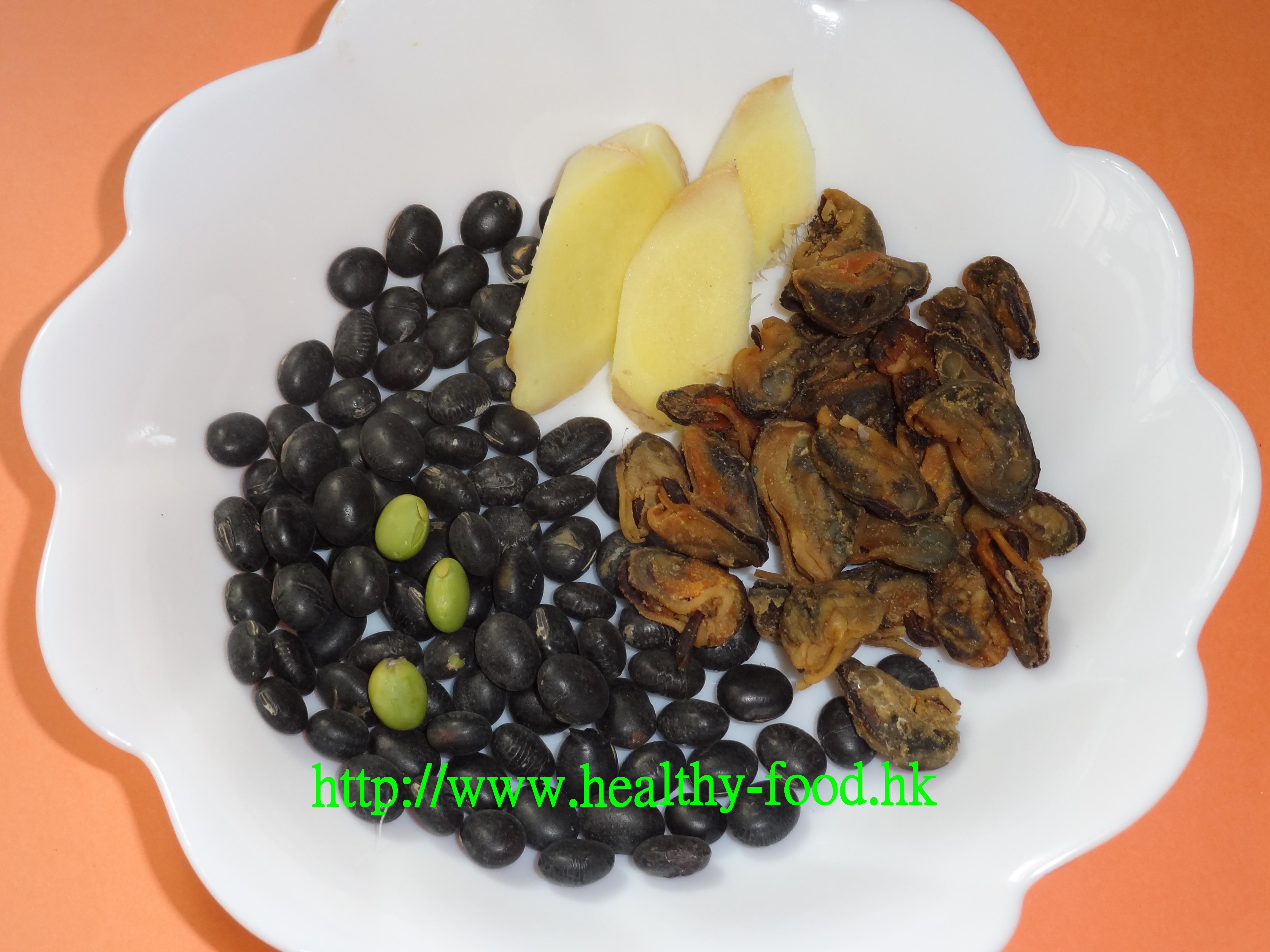
- Place all ingredients — chicken, soybeans, peanuts, cashews, dried figs, and ginger — in a large pot.
- Add 3 L of water.
- Bring to a boil over high heat, then reduce to medium-low heat and simmer for about 3 hours, until the liquid reduces to approximately 1.2 L.
- Season lightly and serve. Eat the soup with the chicken and nut-soy ingredients for full benefit.
Nourilo’s Tips
This soup is delicious and naturally sweet. Regular consumption is said to brighten the complexion and support overall vitality — so the whole family can enjoy it, not just new mothers. If the mother has a peanut sensitivity, simply increase the quantity of dried figs instead. For those who cannot find or do not want to use black-boned chicken, lean pork (zhu zhan or shank) can substitute — it will be less potent as a liver-kidney tonic but still a nourishing soup.
What studies say about the key ingredients
Traditional use is not the same as clinical proof. Here is the strongest human research we found for each ingredient, limitations included.
- Ginger
Overall, acute and delayed nausea and vomiting did not differ significantly between ginger and control groups. A subgroup taking 1 g/day or less for over four days had less acute vomiting (OR 0.30).Limitation: Clinical heterogeneity between trials required subgroup analyses, and the authors state that sufficiently large, high-quality RCTs are still needed.PubMed 36501010 · 3 more ginger studies
From the Nourilo Research Library. Findings come from specific doses, extracts and populations and may not apply to a home-cooked recipe.
Safety first — read before you cook
This is a traditional food, not a treatment. Please check with your doctor or pharmacist before making it a regular part of your diet if you:
- are pregnant or breastfeeding, or are cooking for a young child;
- take regular medicines — especially blood thinners, blood-pressure, diabetes or immune-suppressing drugs;
- have a kidney, liver or heart condition, or a known food allergy.
Stop eating it and seek advice if you notice an allergic reaction or feel unwell. Safety notes reviewed 8 October 2026 · How we write safety notes
Comments
Join the conversation — sign in or create a free account to comment.
Continue with GoogleBy continuing with Google or email you confirm you are 16 or older and agree to our Terms of Use and Privacy Policy.
Loading comments…