Home-Style Dishes
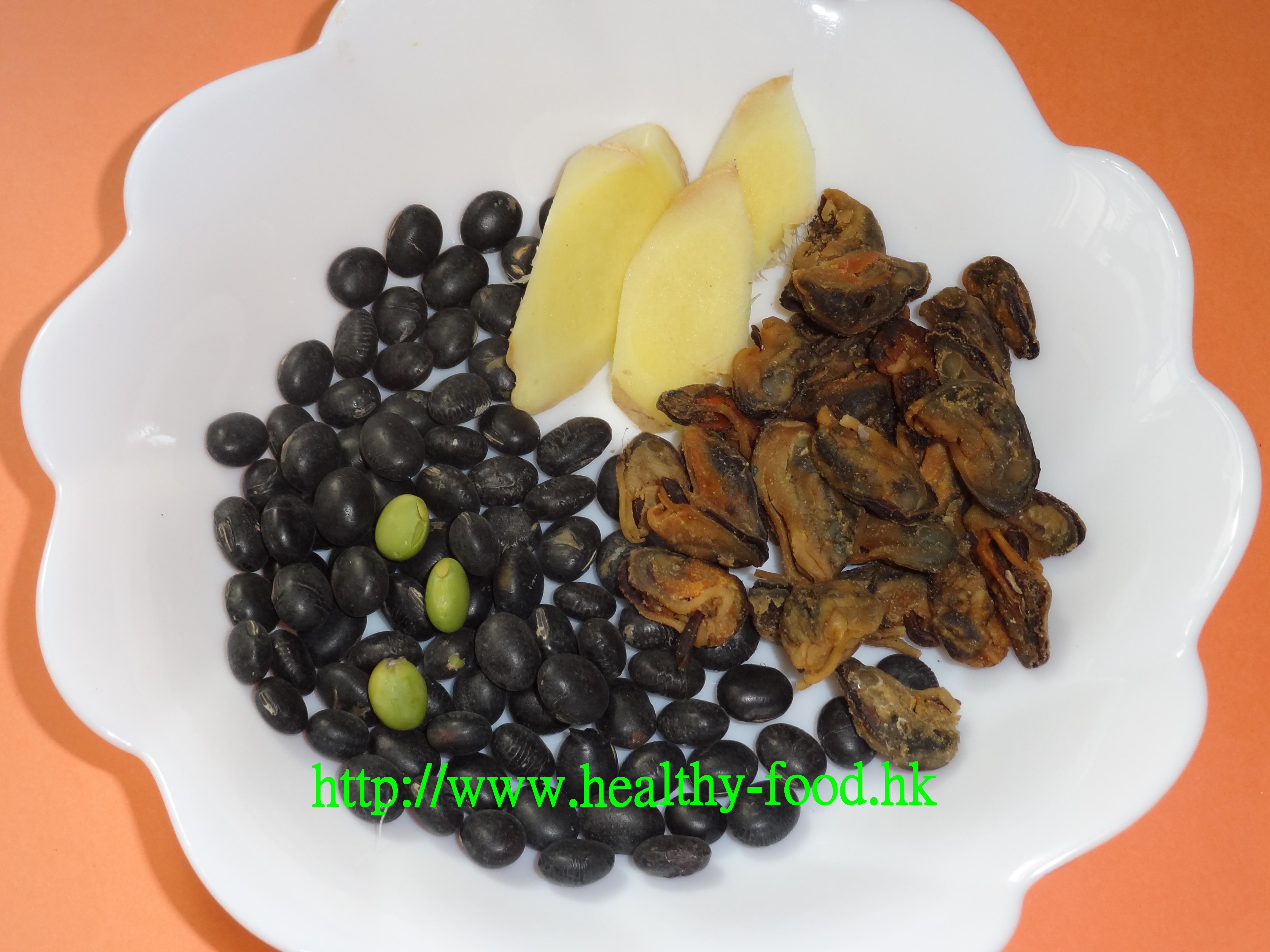
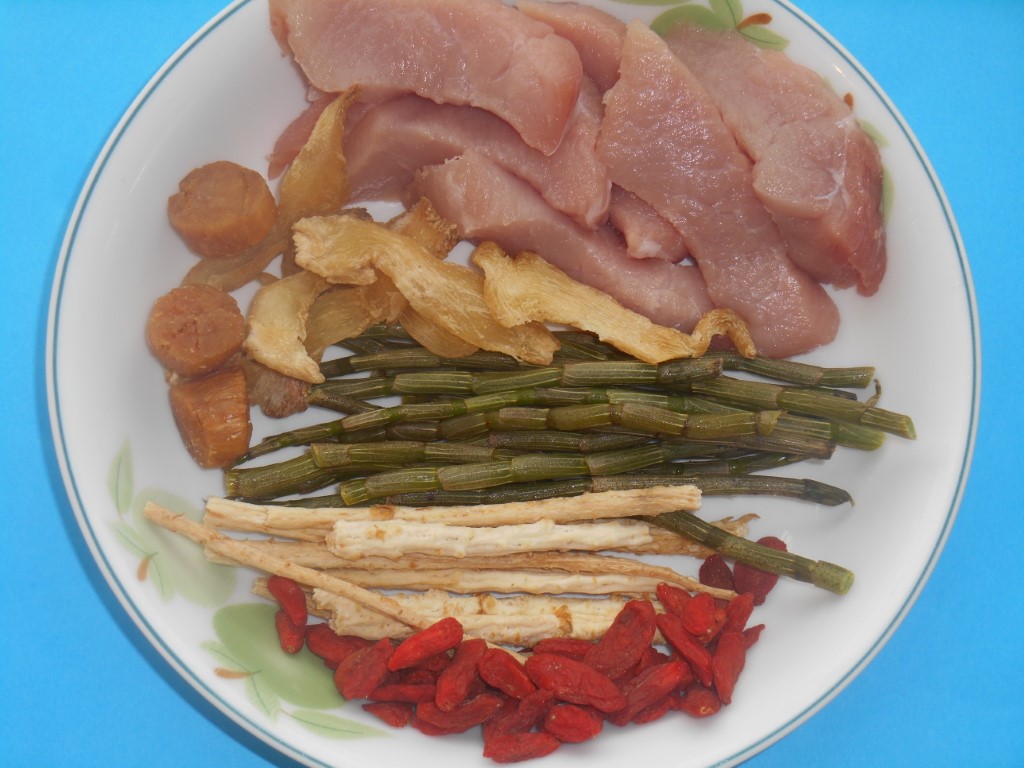
Dried Mussel, Ginger and Stir-Fried Black Bean
traditionally used to nourish liver and kidney, support blood, and ease the cold fatigue associated with heavy menstruation
In short: Dried Mussel, Ginger and Stir-Fried Black Bean is a home-style dishe that traditionally used to nourish liver and kidney, support blood, and ease the cold fatigue associated with heavy menstruation. It is most often made for respiratory & lung wellness, women's wellness, children's wellness. Total time about 1 hr 5 min. Key ingredients: mussels, ginger.
Why people make this dish
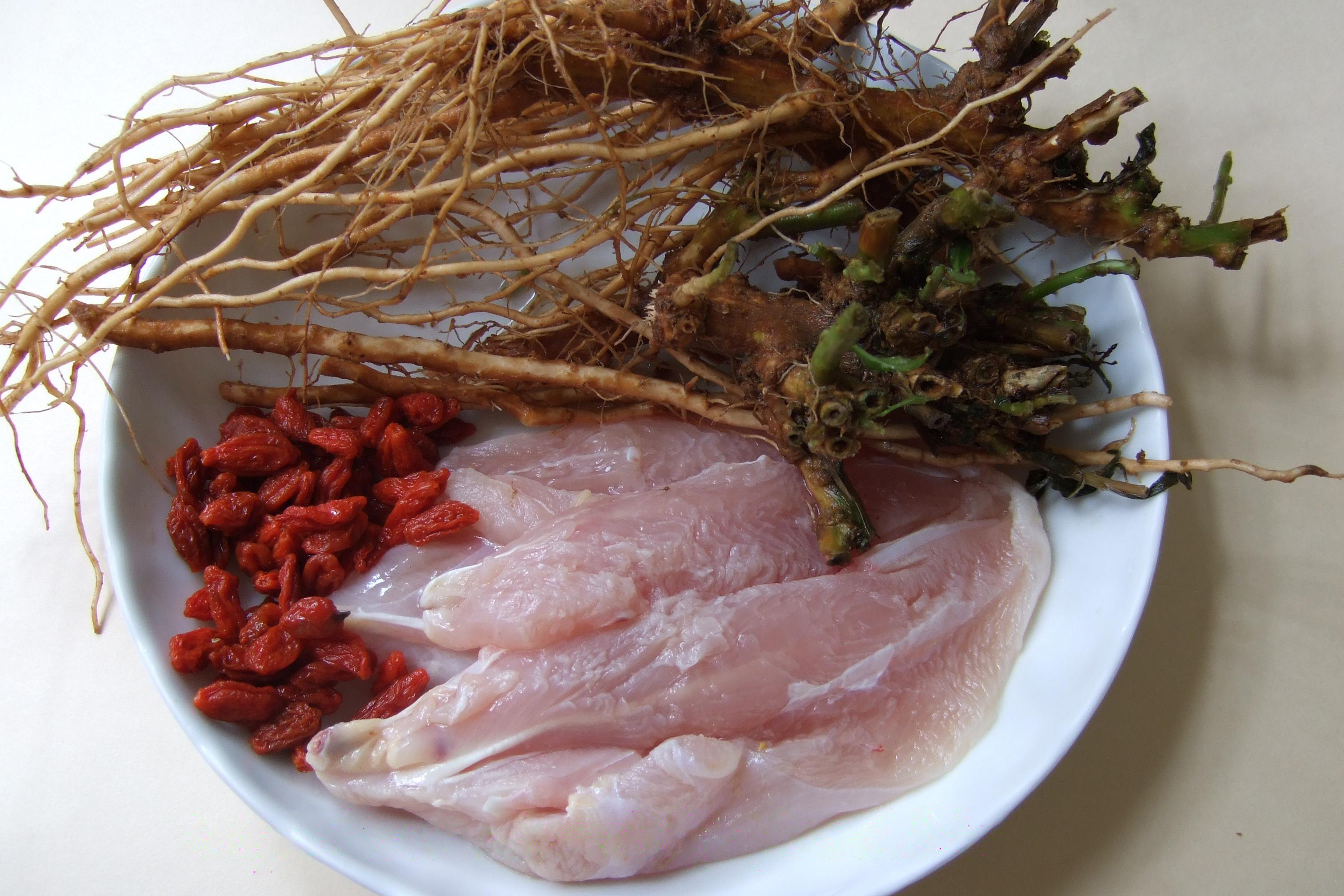
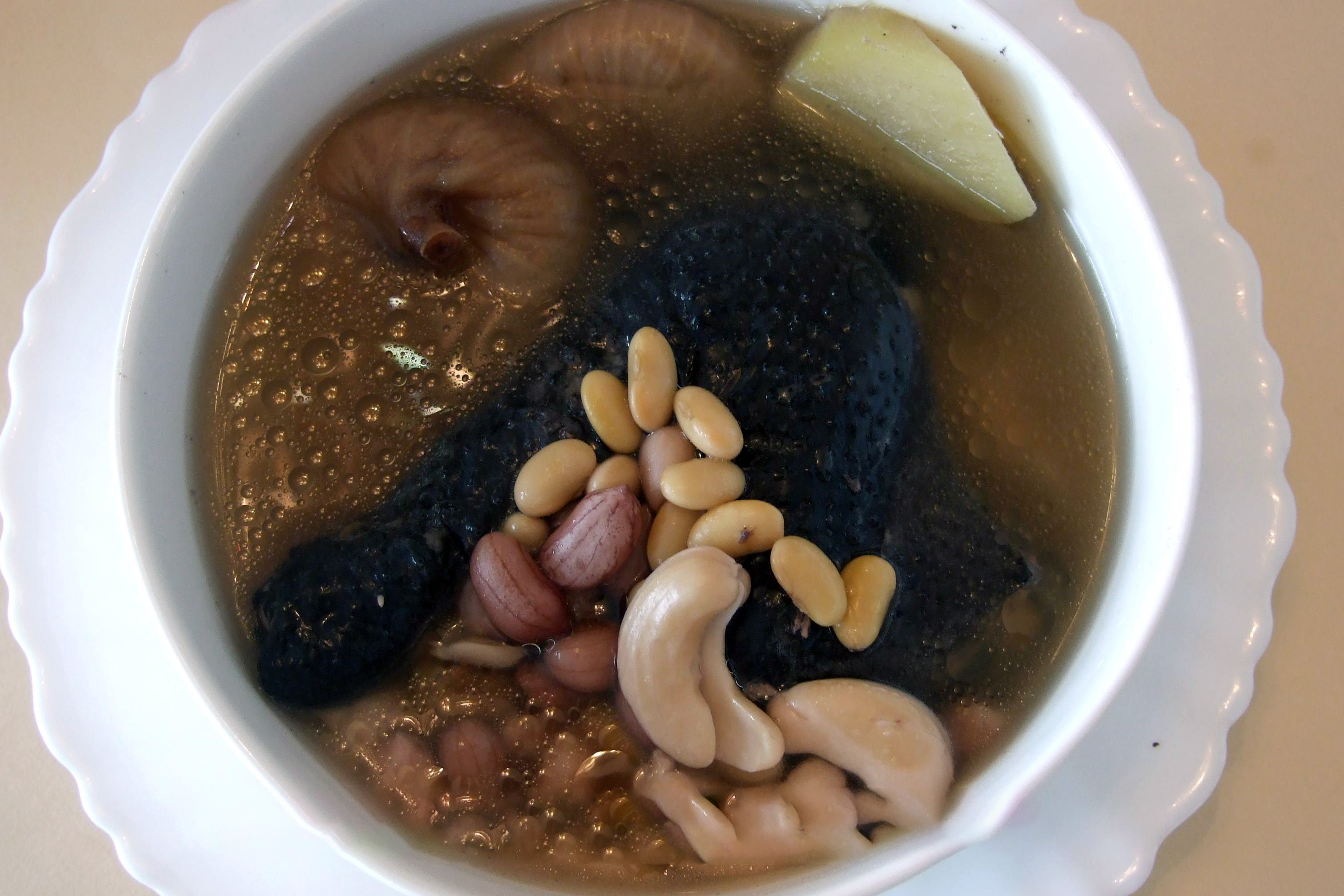
Dried mussels — known in Cantonese seafood shops as wang cai (prosperity greens), since no shopkeeper wants the character for “bland” — are actually one of the most nourishing shellfish in the traditional Chinese pantry. Classical medical texts note that among all sea products, only the mussel has a naturally mild flavour, hence the name. Nourilo uses them here as the centrepiece of a warming, blood-nourishing dish for women whose periods are consistently heavy, leaving them feeling cold, pale, and depleted. Ginger warms the middle and improves circulation; stir-frying the green-kernel black beans activates their kidney-nourishing properties; a splash of rice wine carries the warmth inward.
Method
- Soak the dried mussels in clean water for about 30 minutes; rinse well.
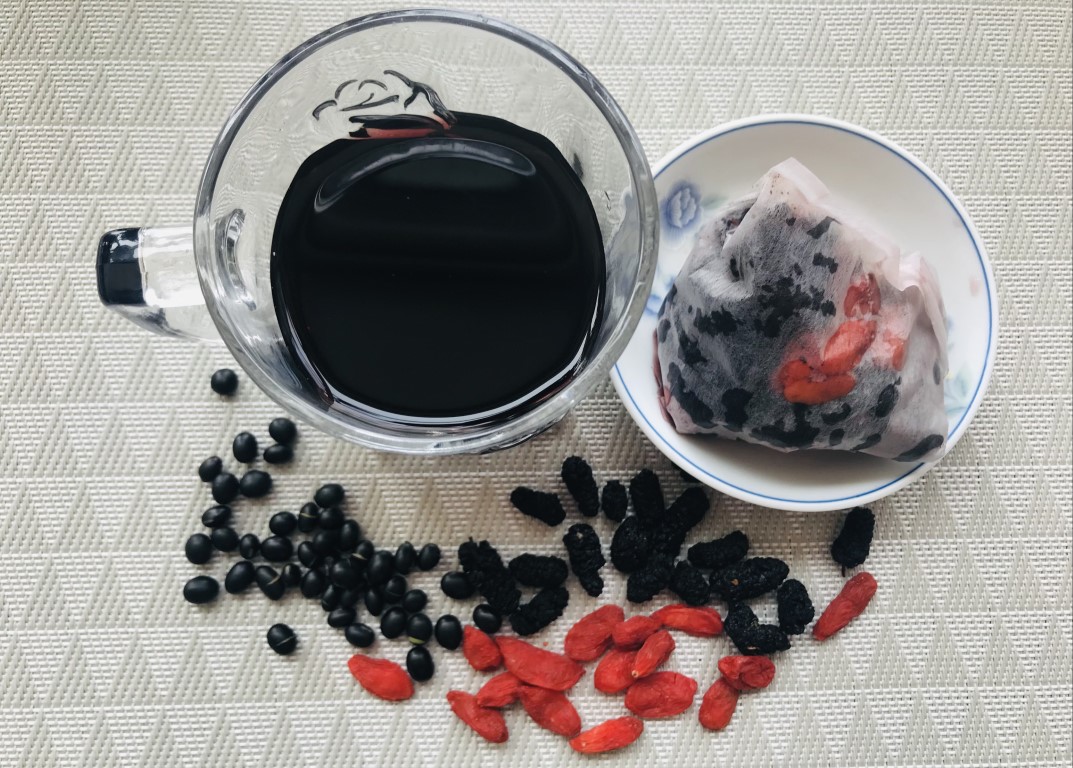
- Dry-fry (without oil) the black beans in a clean wok over medium heat, stirring frequently, until the outer skin begins to crack and they smell toasty — about 8–10 minutes. The inner kernel should be green, not white.
- Add the ginger slices to the wok with the black beans. Add the soaked mussels and stir-fry together briefly.
- Add the rice wine; stir for 30 seconds.
- Add about 900 ml of water. Bring to a boil, then reduce to a simmer.
- Cook for about 30 minutes until the liquid is mostly reduced (nearly dry). Eat the mussels, beans, and ginger.
Nourilo’s Tips
The key to this dish is using green-kernel black beans (qing ren hei dou) — when you bite one open, the inner kernel should be green, not white. Dry-frying them in a clean, oil-free wok enhances their warming and kidney-nourishing effect. This food therapy is also helpful for frequent night urination, lower back ache, and children with cold constitution and pale complexion.
What studies say about the key ingredients
Traditional use is not the same as clinical proof. Here is the strongest human research we found for each ingredient, limitations included.
- Ginger
Overall, acute and delayed nausea and vomiting did not differ significantly between ginger and control groups. A subgroup taking 1 g/day or less for over four days had less acute vomiting (OR 0.30).Limitation: Clinical heterogeneity between trials required subgroup analyses, and the authors state that sufficiently large, high-quality RCTs are still needed.PubMed 36501010 · 3 more ginger studies - Black soybeans
Systolic blood pressure fell more in the black soy peptide group (-9.69 mm Hg) than in the placebo group (-2.91 mm Hg) after baseline adjustment. Plasma malondialdehyde decreased and superoxide dismutase activity increased compared with placebo.Limitation: Used an isolated peptide supplement rather than whole black soybeans, and followed participants for only 8 weeks, so the results may not apply to food intake.PubMed 23924691
From the Nourilo Research Library. Findings come from specific doses, extracts and populations and may not apply to a home-cooked recipe.
Safety first — read before you cook
This is a traditional food, not a treatment. Please check with your doctor or pharmacist before making it a regular part of your diet if you:
- are pregnant or breastfeeding, or are cooking for a young child;
- take regular medicines — especially blood thinners, blood-pressure, diabetes or immune-suppressing drugs;
- have a kidney, liver or heart condition, or a known food allergy.
Ingredient notes for this recipe
- Rice wine / alcohol: This recipe contains alcohol. If you are pregnant or planning a pregnancy, the NHS recommends not drinking alcohol; leave it out or choose another recipe. Source: NHS — Alcohol in pregnancy
Stop eating it and seek advice if you notice an allergic reaction or feel unwell. Safety notes reviewed 8 October 2026 · How we write safety notes
Comments
Join the conversation — sign in or create a free account to comment.
Continue with GoogleBy continuing with Google or email you confirm you are 16 or older and agree to our Terms of Use and Privacy Policy.
Loading comments…