Soups
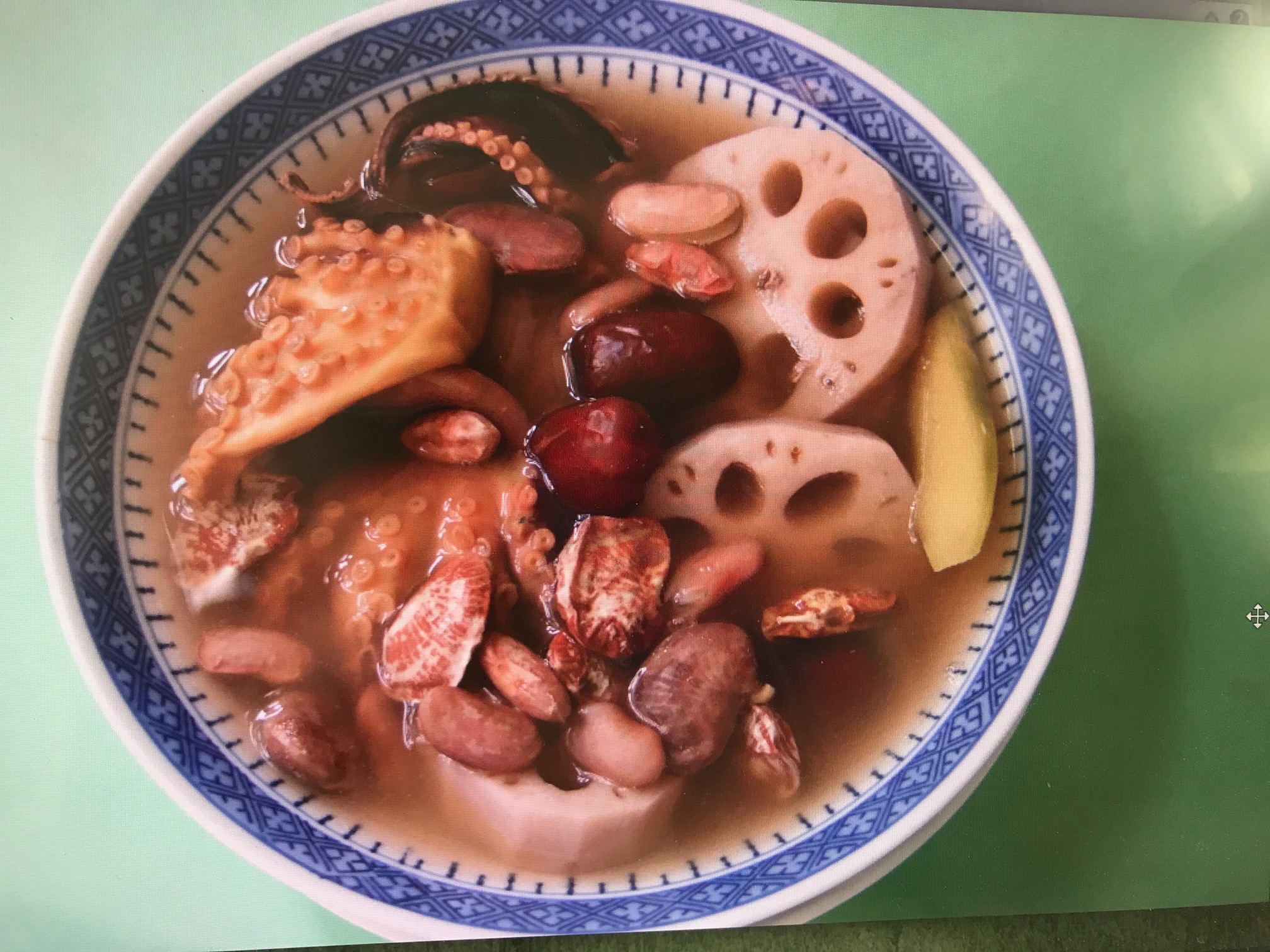
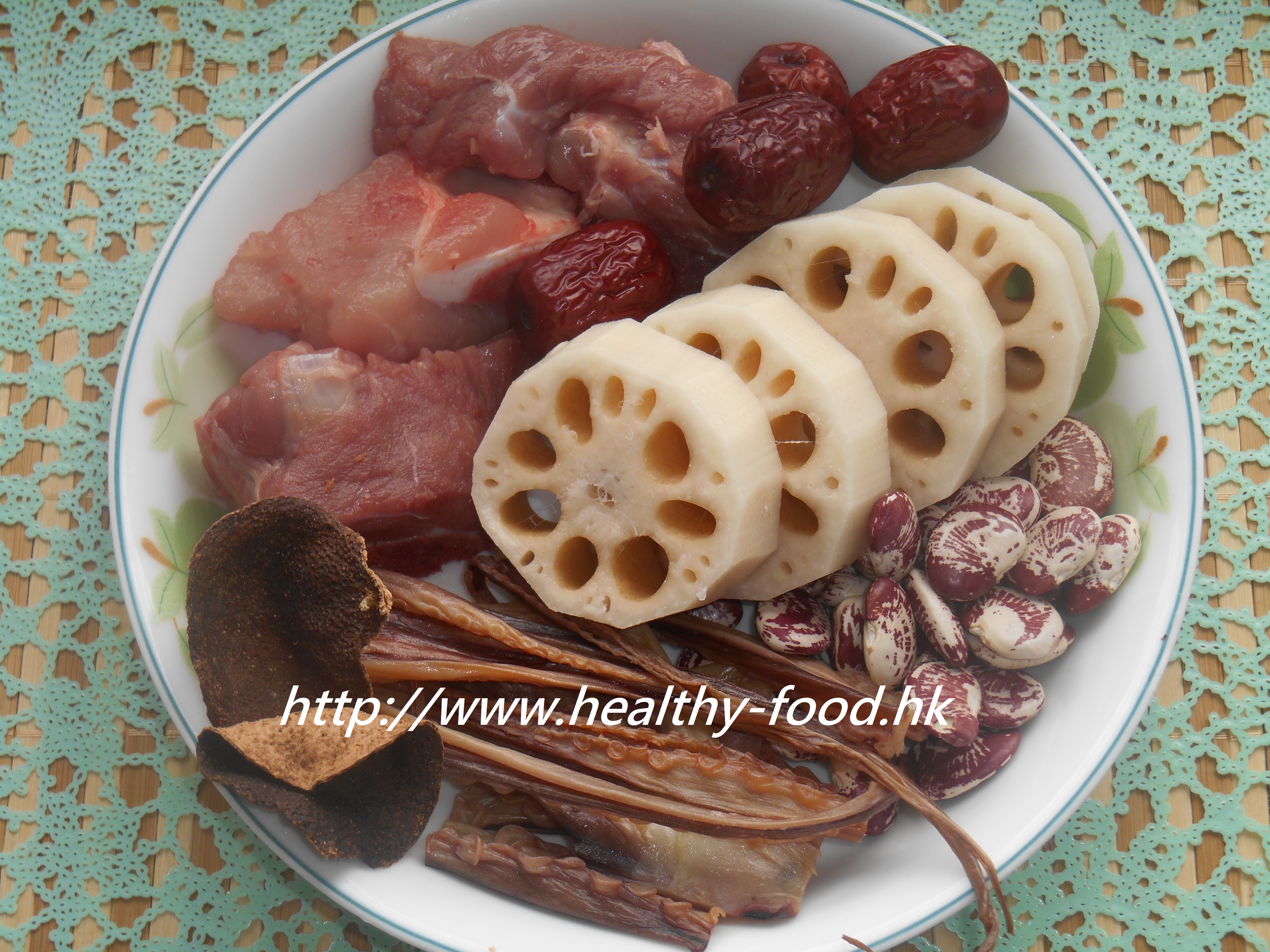
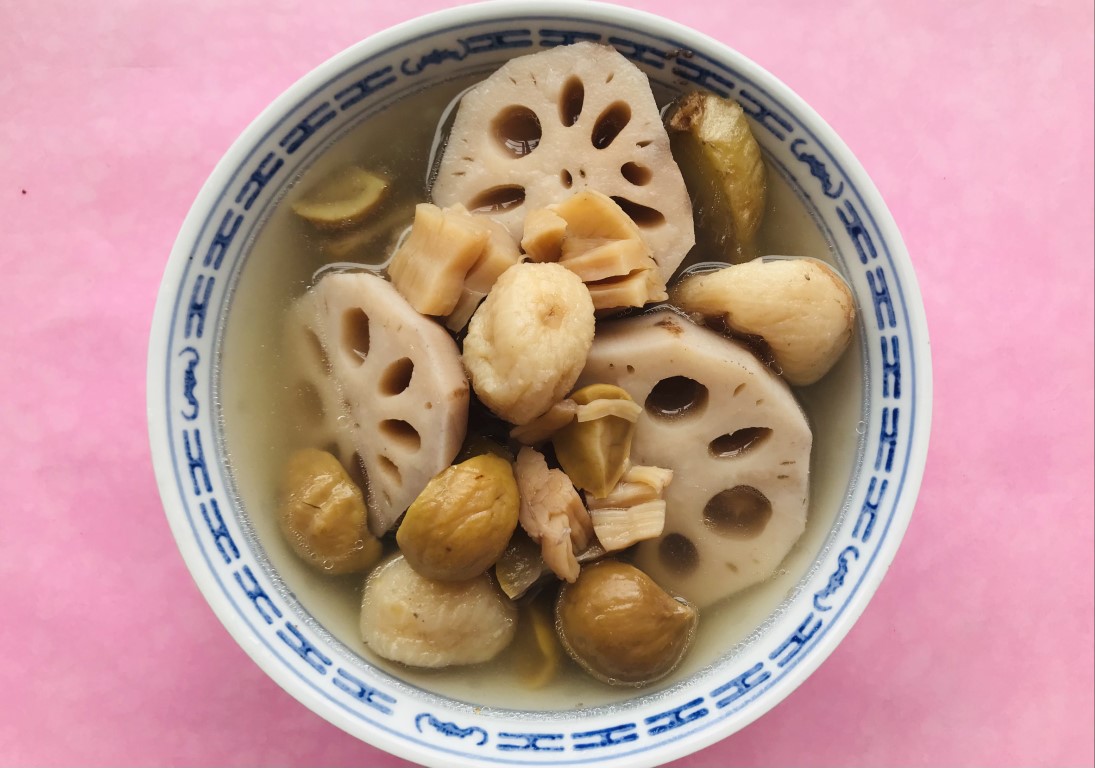
Lotus Root, Peanut, Flower Bean and Dried Octopus Soup
traditionally associated with nourishing the blood and supporting lactation after childbirth
In short: Lotus Root, Peanut, Flower Bean and Dried Octopus Soup is a soup that traditionally associated with nourishing the blood and supporting lactation after childbirth. It is most often made for women's wellness, children's wellness, energy & vitality. Total time about 140 min. Key ingredients: lotus root, peanuts, figs, ginger.
Why people make this soup
The first week after giving birth is a critical time. Well-meaning family members often arrive with rich chicken broth, fish maw and sea cucumber — but Nourilo advises caution: when milk flow has not yet established itself, eating very high-fat and high-protein foods can thicken the milk and block the ducts, actually making milk supply worse. The first week is better spent eating lightly, letting the body recover and the milk flow open naturally.
This soup is a wonderful choice from the second week onward, when the body is ready to receive more nourishment. In-season lotus root — especially older, fatter root — supports the spleen and replenishes blood. Peanuts are a classic lactation-support food in Chinese tradition, while flower beans and dried octopus add protein and depth. The result is a fragrant, richly flavoured soup that is both satisfying and genuinely supportive.
Method
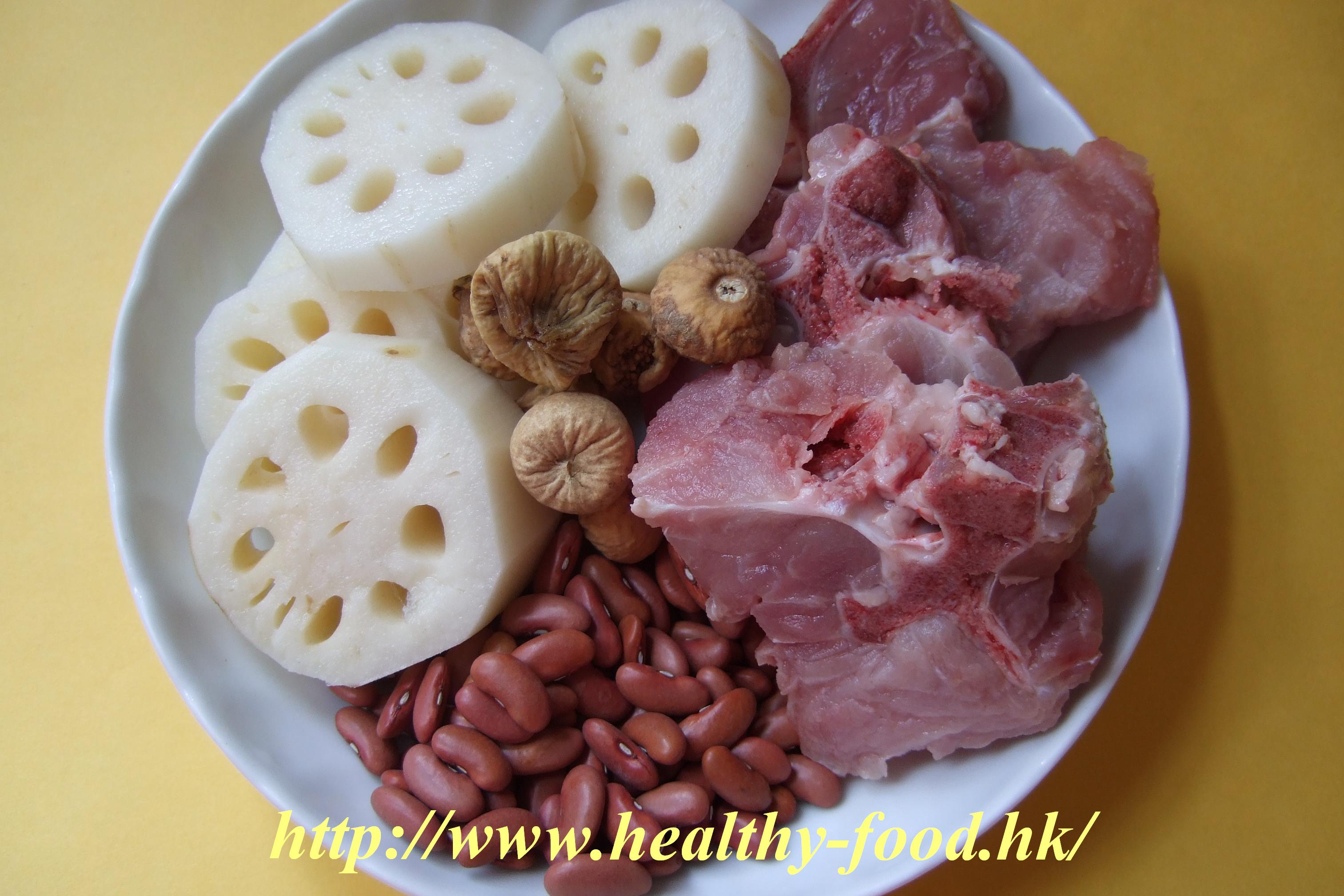
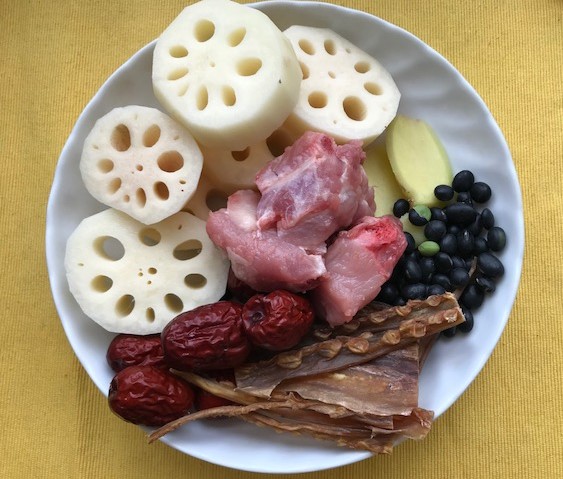
- Soak peanuts and flower beans in water for 1–2 hours, then discard the soaking water.
- Peel the lotus root, wash, and slice into pieces.
- Soak the dried octopus until softened, then blanch briefly in boiling water.
- Place all ingredients into a clay or glass pot (do not use iron or metal pots).
- Add 2.4 L of water. Bring to a boil over high heat, then reduce to a low simmer for about 2 hours until the liquid reduces to about 1.2 L.
- Serve with both the soup and the solid ingredients — all are nutritious and delicious.
Nourilo’s Tips
Lotus root reacts with iron and metal surfaces and will turn grey — always cook it in an earthenware (clay) pot or a glass pot. Vacuum cookers also cause the soup to turn grey, so they are best avoided for this recipe. If you must use a vacuum cooker, boil the soup in an open pot for at least 15–20 minutes before sealing.
What studies say about the key ingredients
Traditional use is not the same as clinical proof. Here is the strongest human research we found for each ingredient, limitations included.
- Ginger
Overall, acute and delayed nausea and vomiting did not differ significantly between ginger and control groups. A subgroup taking 1 g/day or less for over four days had less acute vomiting (OR 0.30).Limitation: Clinical heterogeneity between trials required subgroup analyses, and the authors state that sufficiently large, high-quality RCTs are still needed.PubMed 36501010 · 3 more ginger studies
From the Nourilo Research Library. Findings come from specific doses, extracts and populations and may not apply to a home-cooked recipe.
Safety first — read before you cook
This is a traditional food, not a treatment. Please check with your doctor or pharmacist before making it a regular part of your diet if you:
- are pregnant or breastfeeding, or are cooking for a young child;
- take regular medicines — especially blood thinners, blood-pressure, diabetes or immune-suppressing drugs;
- have a kidney, liver or heart condition, or a known food allergy.
Stop eating it and seek advice if you notice an allergic reaction or feel unwell. Safety notes reviewed 8 October 2026 · How we write safety notes
Comments
Join the conversation — sign in or create a free account to comment.
Continue with GoogleBy continuing with Google or email you confirm you are 16 or older and agree to our Terms of Use and Privacy Policy.
Loading comments…