Soups
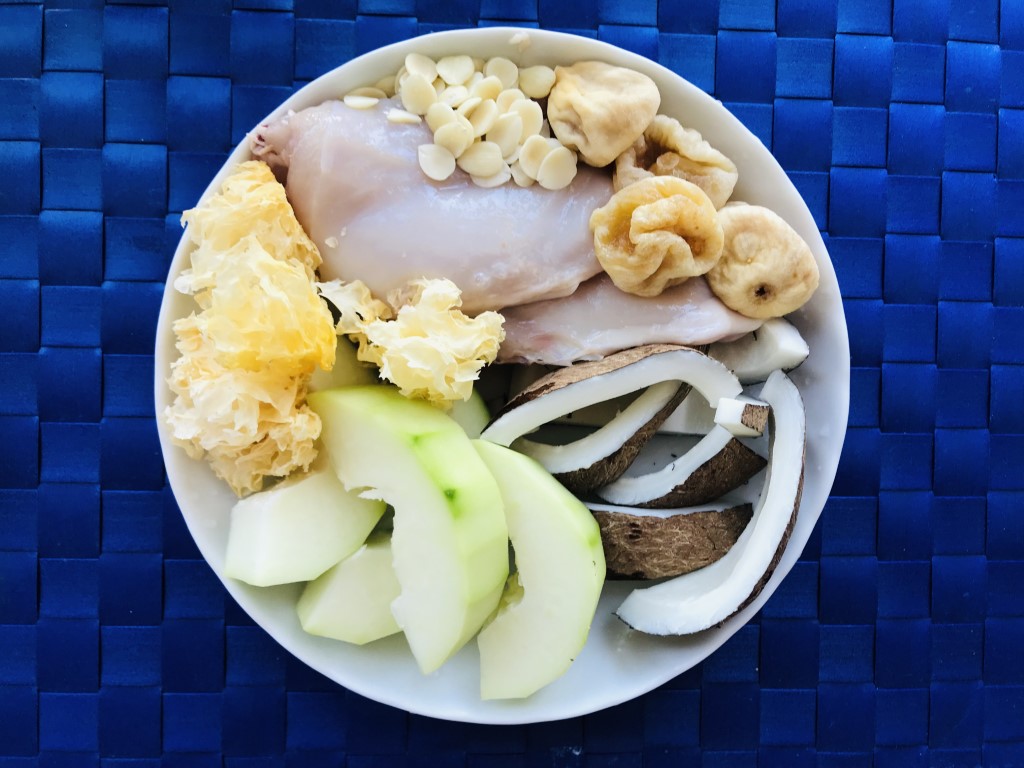
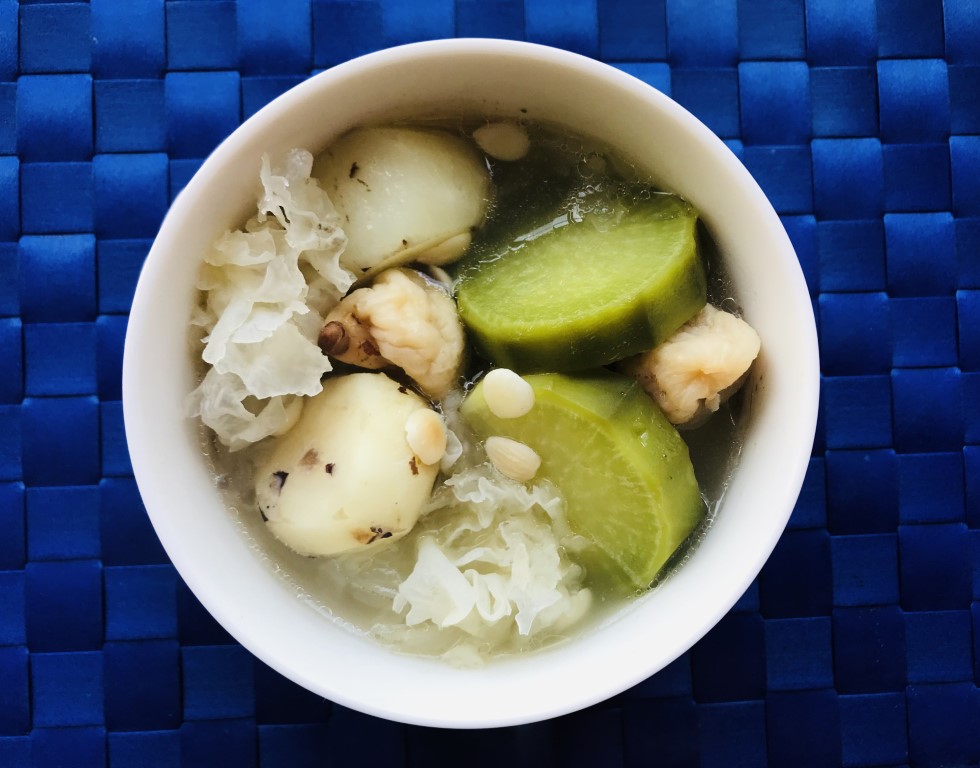
Lung-Qi Tonic Soup with African Sea Coconut, Tiger Milk Mushroom, and Snow Fungus
traditionally strengthens lung qi, supports respiratory health, and helps the body resist colds and flu
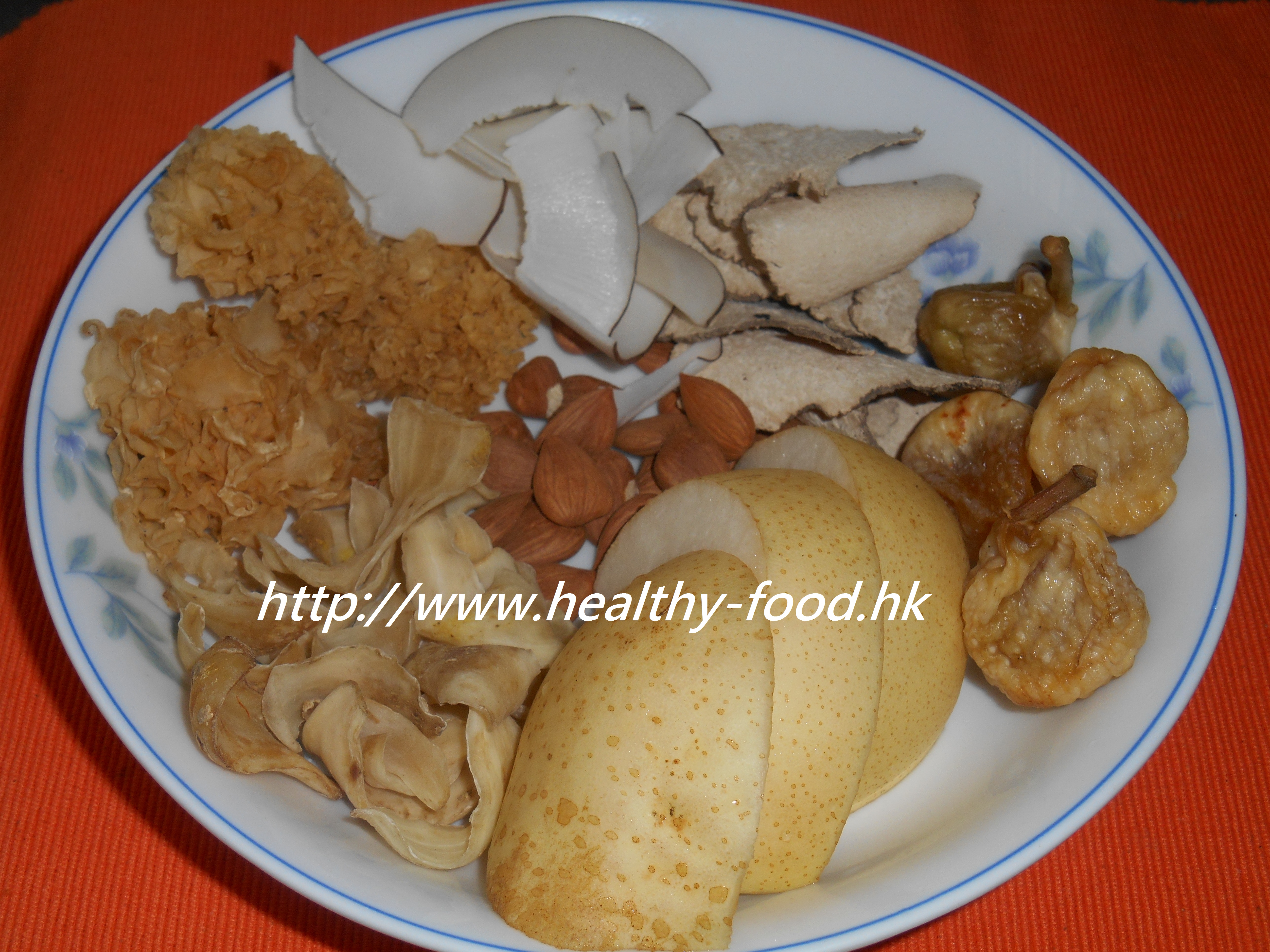
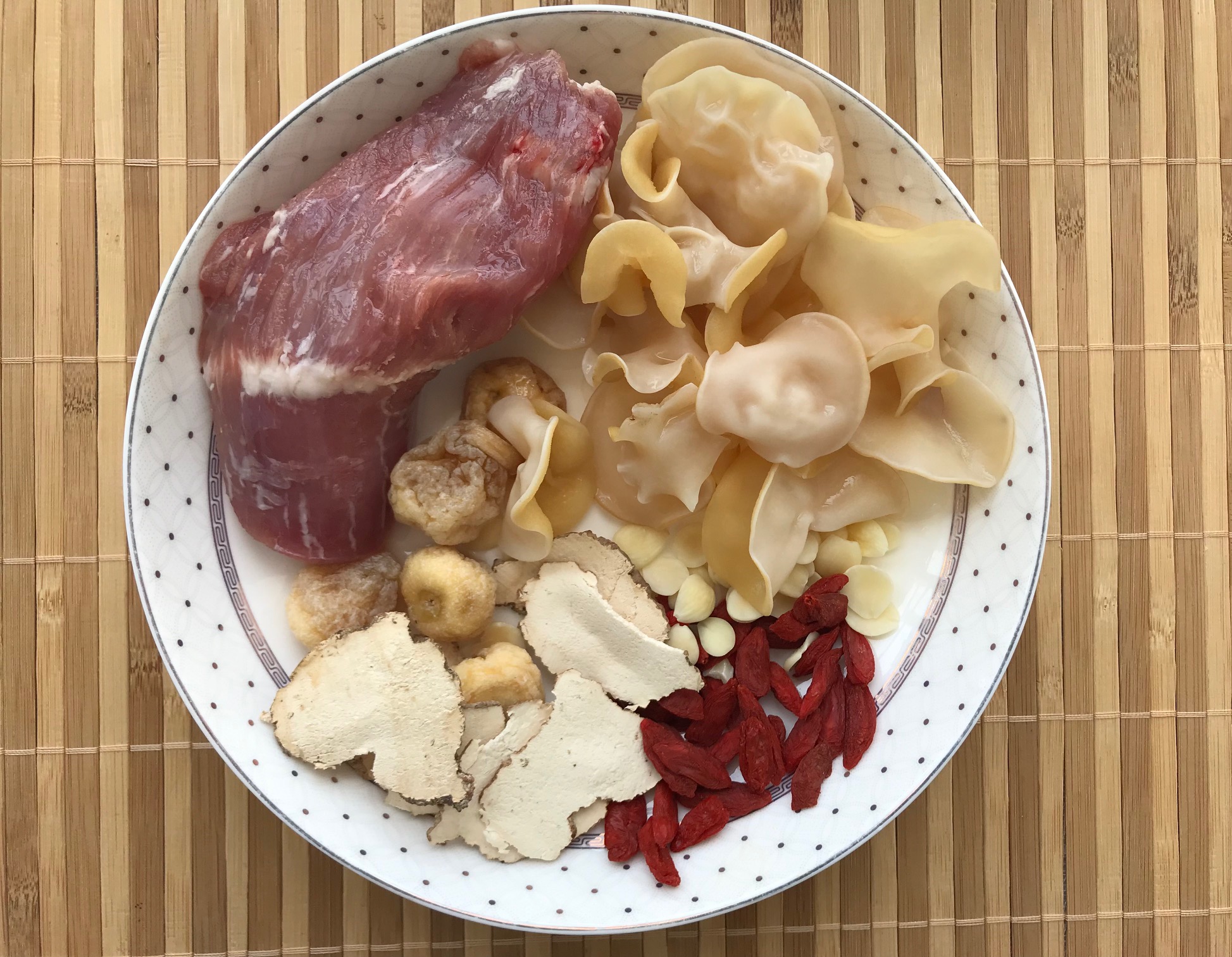
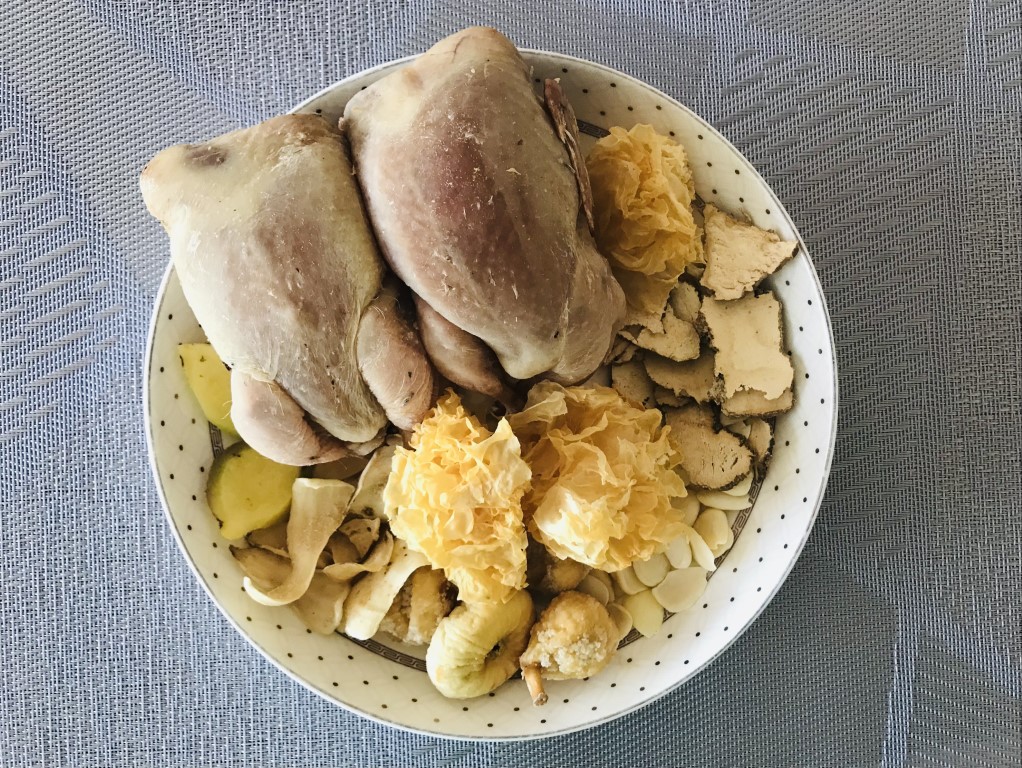
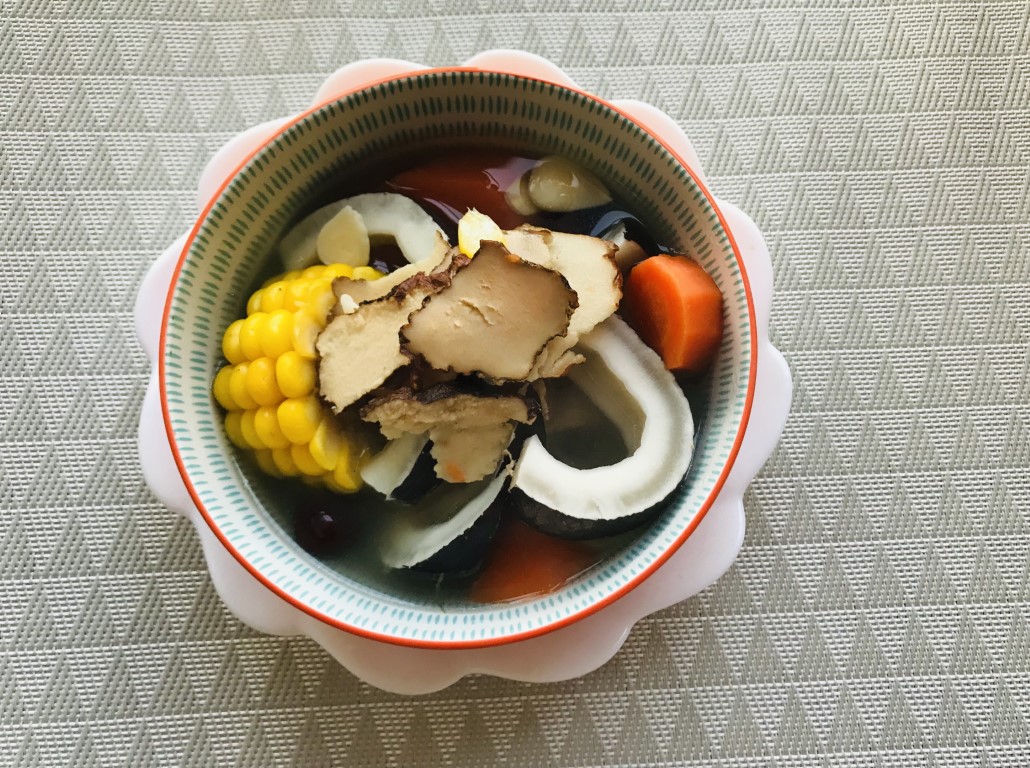
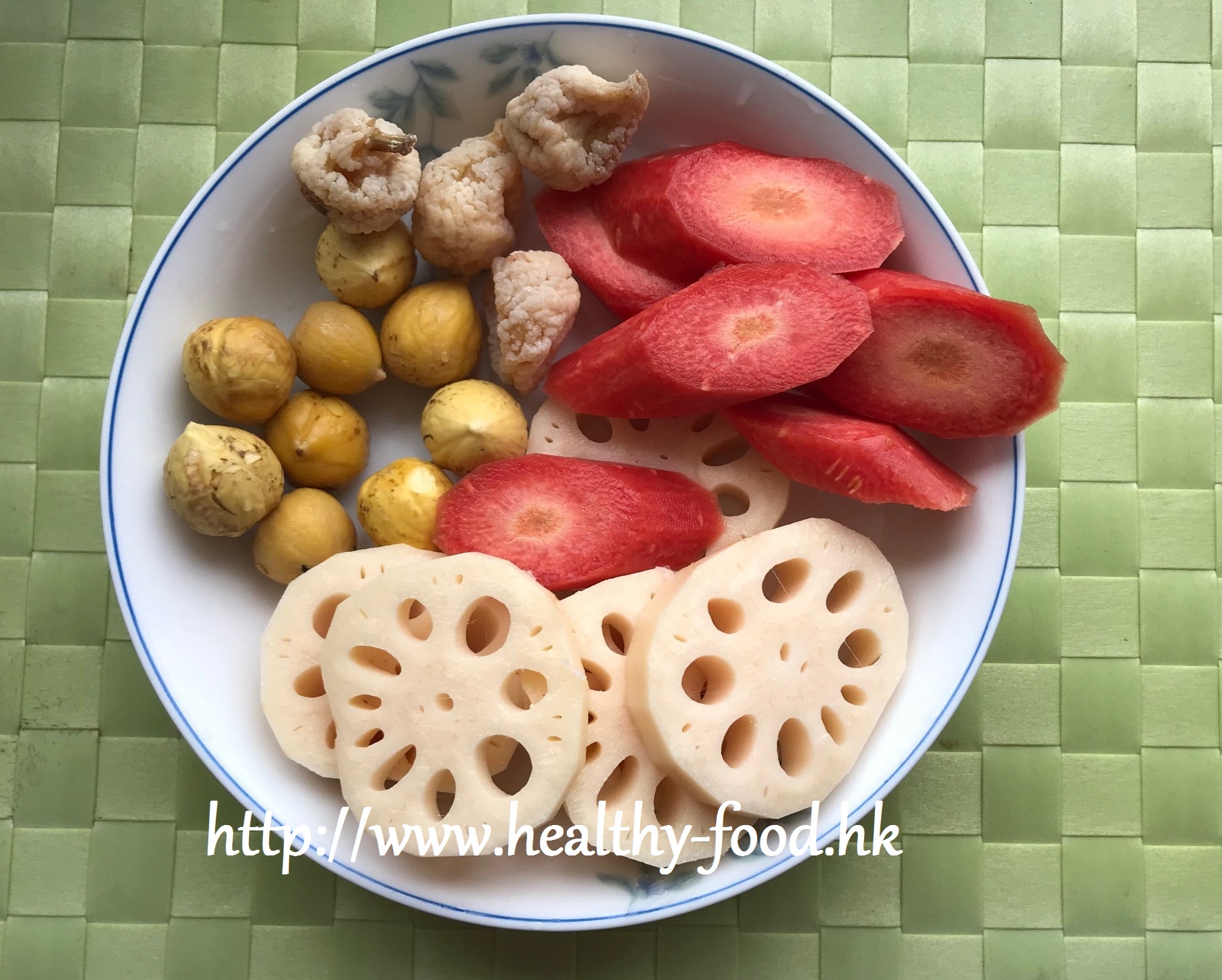
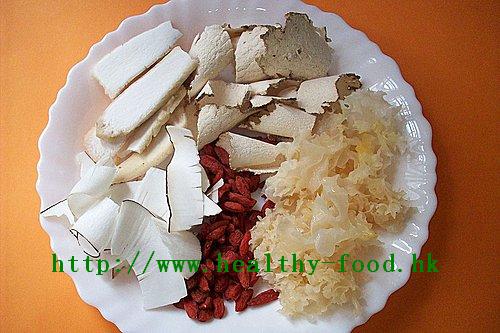
In short: Lung-Qi Tonic Soup with African Sea Coconut, Tiger Milk Mushroom, and Snow Fungus is a soup that traditionally strengthens lung qi, supports respiratory health, and helps the body resist colds and flu. It is most often made for respiratory & lung wellness, energy & vitality, immune support. Total time about 75 min. Key ingredients: tiger milk mushroom, snow fungus, lily bulb, figs.
Why people make this soup
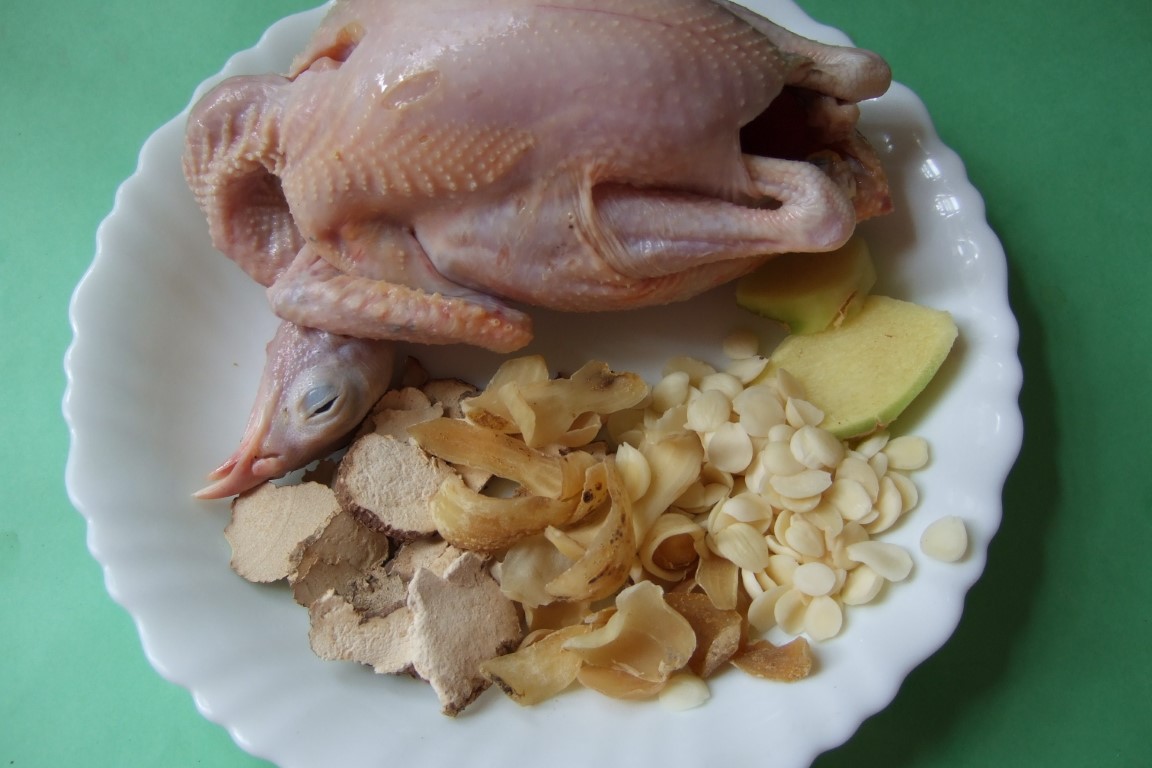
During a flu outbreak, beyond washing hands and avoiding crowded places, building up the body’s internal resistance is one of the most sensible things you can do. This soup is designed for exactly that: a gentle but effective lung-tonifying brew that Nourilo recommends especially for children who get sick often and for elderly people with weaker constitutions. The two signature ingredients are African sea coconut — a real sea coconut from a specific African species, quite different from the common dessert coconut — and tiger milk mushroom (hu ru ling zhi), a prized medicinal mushroom from Southeast Asia. Both are well-regarded in traditional Cantonese food therapy for their ability to strengthen lung qi, ease coughs, and help clear phlegm. Together with snow fungus, lily bulb, apricot kernels, figs, and pear, the soup is soothing, mildly sweet, and nourishing.
What studies say about the key ingredients
Traditional use is not the same as clinical proof. Here is the strongest human research we found for each ingredient, limitations included.
- Snow fungus
The Tremella fuciformis groups showed greater improvements than placebo in subjective memory complaint scores, short-term memory and executive function tests. Adverse event frequency was similar across high-dose, low-dose and placebo groups.Limitation: Small sample with only 15 people in the placebo group and a short 8-week duration; the brain imaging findings were exploratory.PubMed 29319408
From the Nourilo Research Library. Findings come from specific doses, extracts and populations and may not apply to a home-cooked recipe.
Safety first — read before you cook
This is a traditional food, not a treatment. Please check with your doctor or pharmacist before making it a regular part of your diet if you:
- are pregnant or breastfeeding, or are cooking for a young child;
- take regular medicines — especially blood thinners, blood-pressure, diabetes or immune-suppressing drugs;
- have a kidney, liver or heart condition, or a known food allergy.
Ingredient notes for this recipe
- Apricot kernels: Raw apricot kernels contain amygdalin, which turns into cyanide after eating. EFSA estimates that half of one small raw kernel can exceed the safe level for a toddler. Use no more than the recipe states, never eat them raw, and do not serve them to young children. Source: European Food Safety Authority
Stop eating it and seek advice if you notice an allergic reaction or feel unwell. Safety notes reviewed 8 October 2026 · How we write safety notes
Members only
Unlock the full method & Nourilo's tips
One payment, lifetime access to every one of our 2,344 recipes — step-by-step methods, preparation tips and serving notes.
- Full step-by-step method for this and all 2,344 recipes
- Nourilo's Tips — sourcing, substitutions and serving notes
- One-time payment · card, Apple Pay or Google Pay · no subscription, no renewals
Checking your access…
$59.99 one-time · all recipes
Sign in or create a free account, then pay once by card, Apple Pay or Google Pay.
Continue with GoogleBy continuing with Google or email you confirm you are 16 or older and agree to our Terms of Use and Privacy Policy.
$59.99 one-time · all recipes
Signed in as ·
Secure checkout by Stripe. One-time payment, no renewals. Access is linked to your Nourilo account and never expires. By paying you agree to our Terms of Use; you can get a full refund within 14 days (refund policy).
Comments
Join the conversation — sign in or create a free account to comment.
Continue with GoogleBy continuing with Google or email you confirm you are 16 or older and agree to our Terms of Use and Privacy Policy.
Loading comments…