Soups
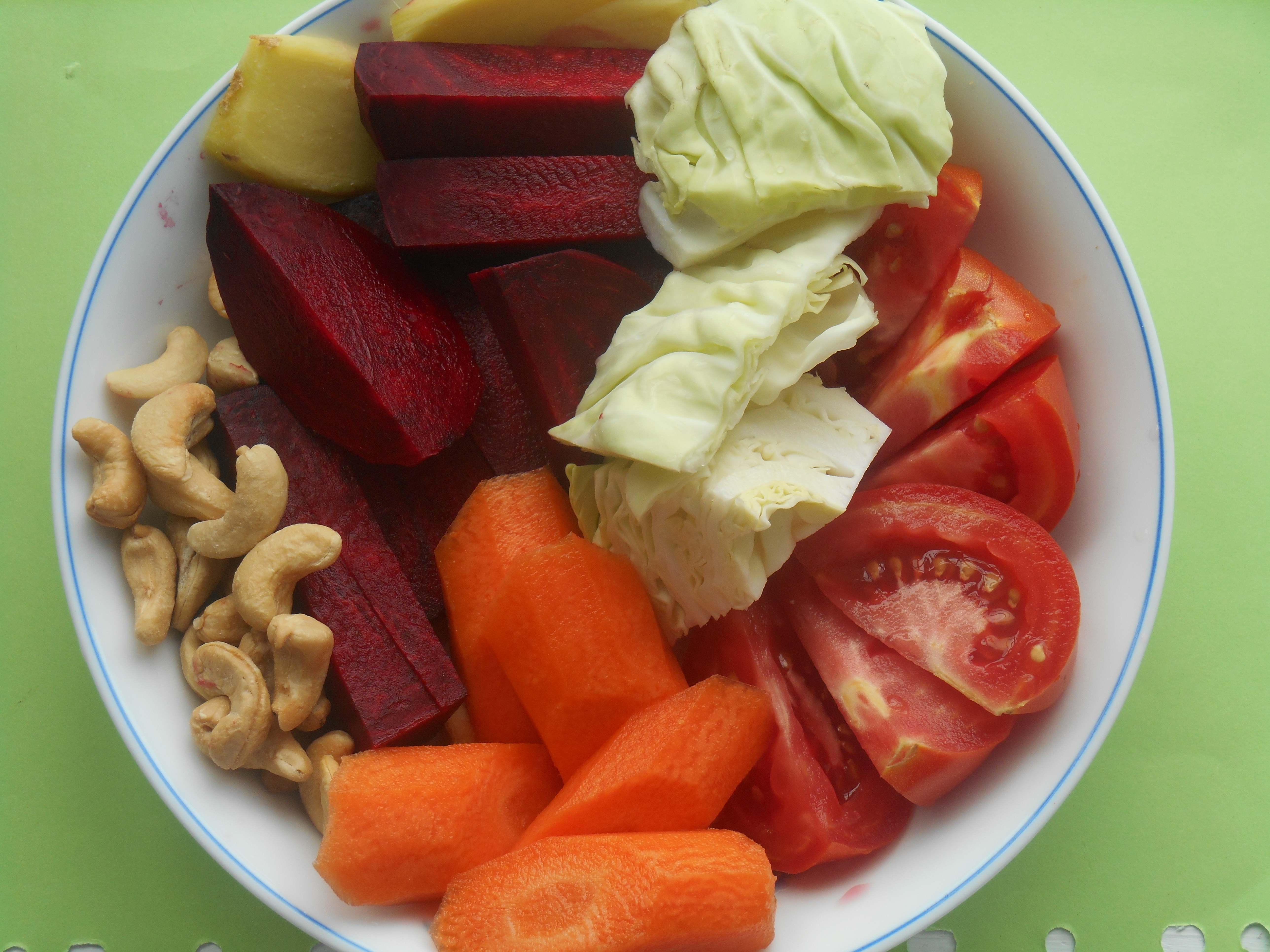
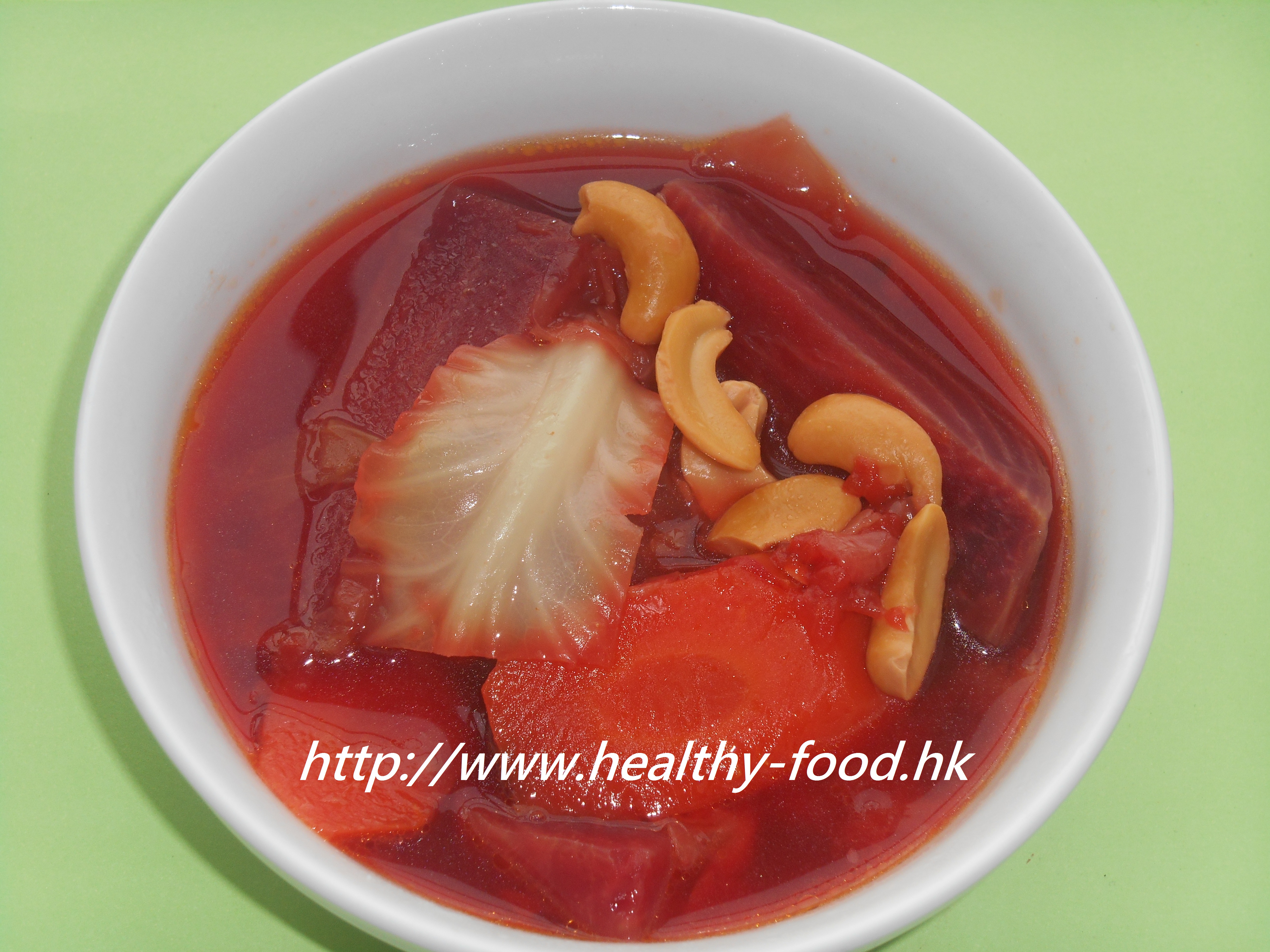
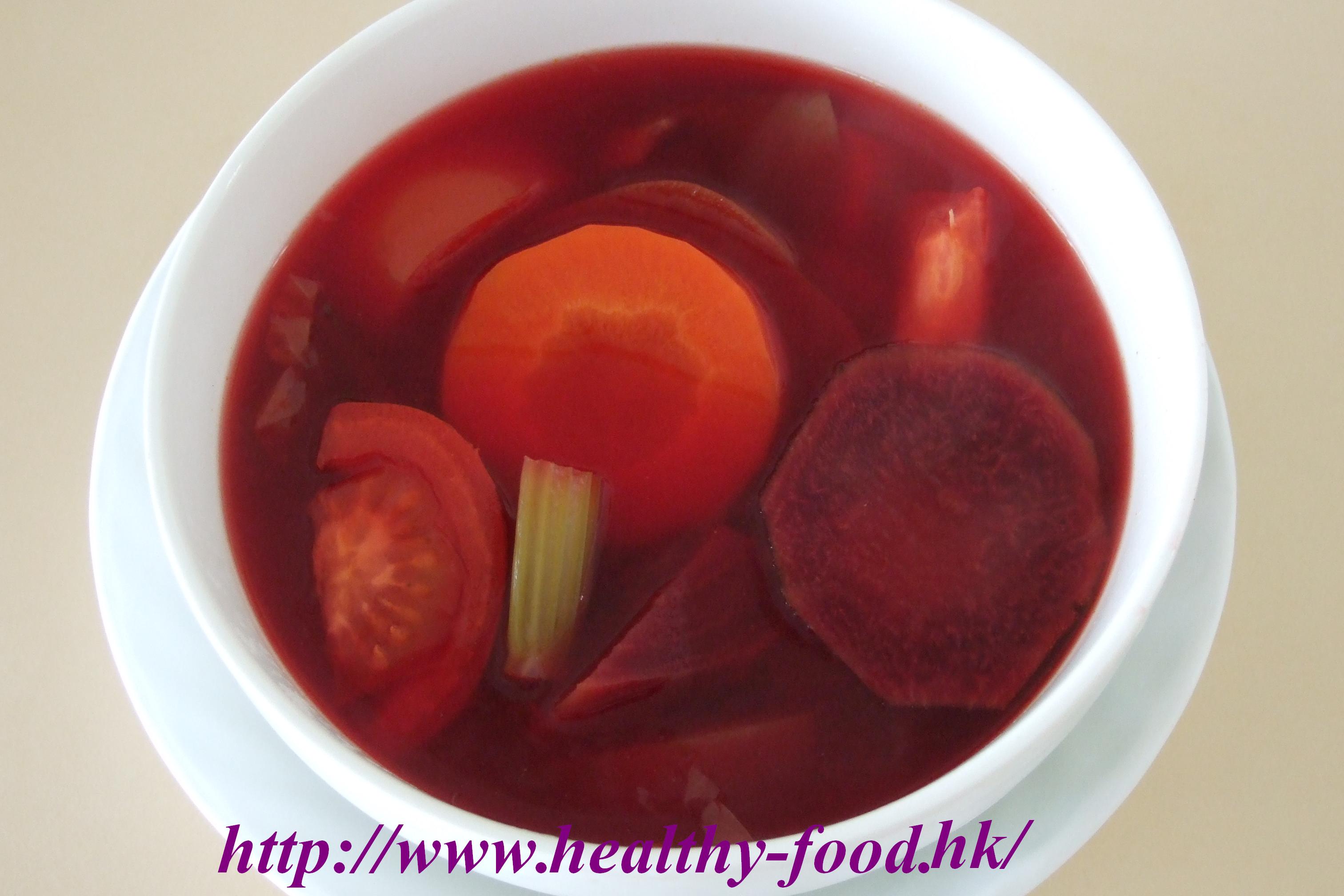
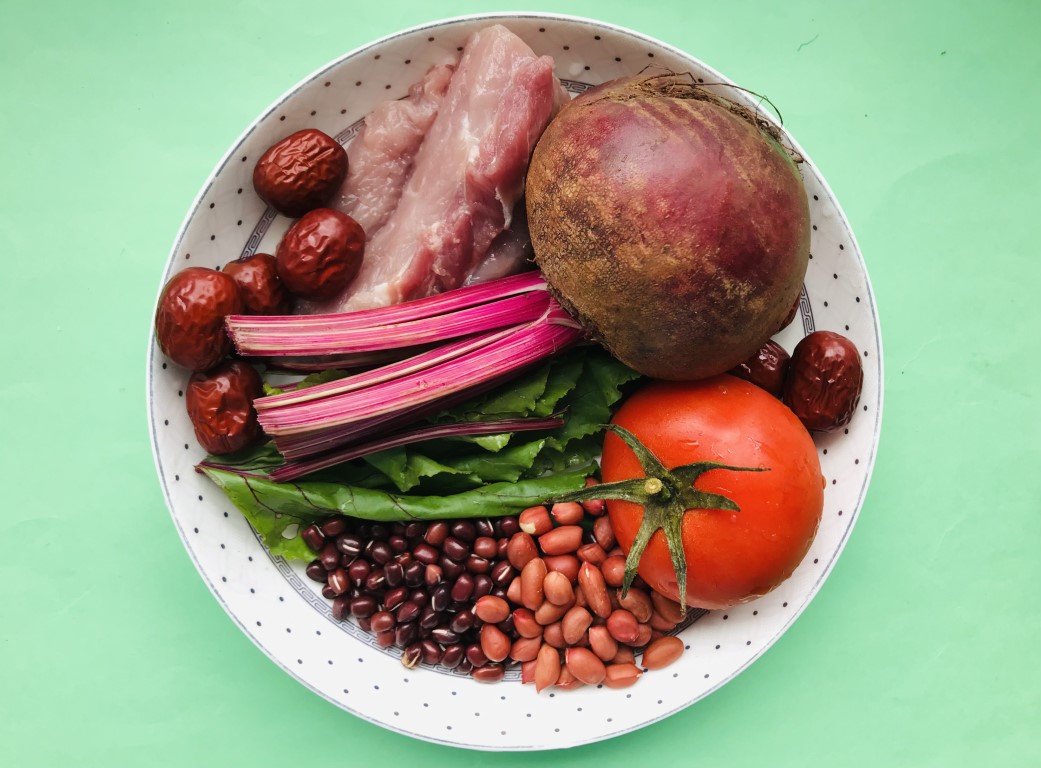
Beetroot, Tomato & Cashew Soup
traditionally associated with promoting liver fat metabolism, nourishing blood, and supporting cardiovascular health
In short: Beetroot, Tomato & Cashew Soup is a soup that traditionally associated with promoting liver fat metabolism, nourishing blood, and supporting cardiovascular health. It is most often made for weight & metabolism, heart & circulation, liver wellness. Total time about 105 min. Key ingredients: beetroot, tomato, cashews, ginger.
Why people make this soup
At a food-therapy talk Nourilo gave for a law firm in Hong Kong, the subject came up that nourishing the blood and supporting qi doesn’t require expensive dried seafood or exotic herbs. Many everyday foods do the job beautifully. Beetroot is perhaps the best example: its vivid red color is a visible signal of its nutritional richness, and it has been used across many cultures — not just Chinese food therapy — as a traditional tonic food.
What makes this soup particularly appealing to a modern audience is that it contains no meat, yet feels substantial and satisfying. The cashews provide protein and healthy fats; the tomatoes contribute lycopene and acidity; the cabbage adds bulk and sweetness; and the ginger keeps the whole thing from being too cold in nature. A bowl of this looks dramatic and tastes far more complex than its short ingredient list suggests.
Method
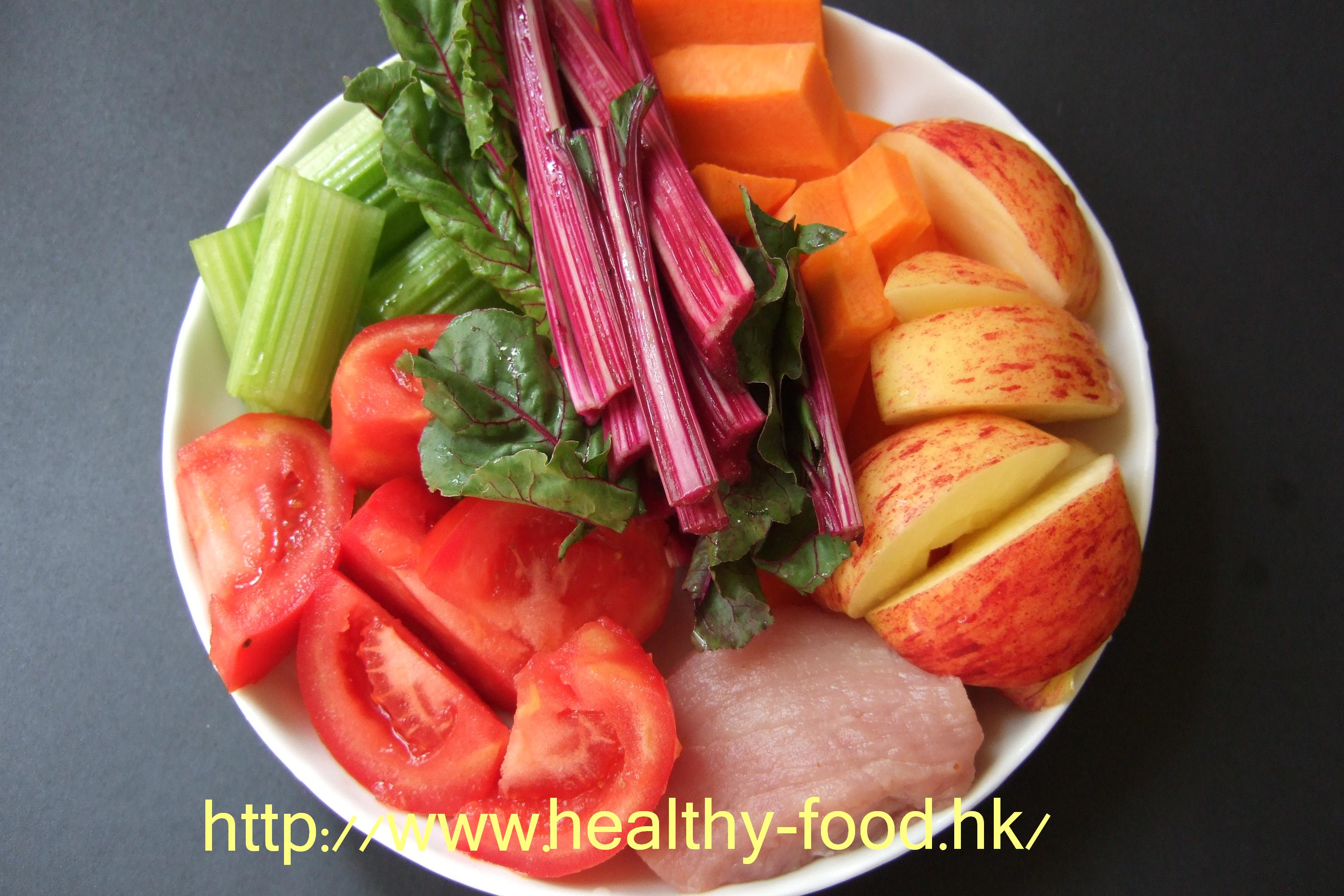
- Peel the beetroot and tomatoes and cut into chunks. Wash and cut the cabbage into pieces. Rinse the cashews.
- Combine all ingredients in a pot with 2.1–2.4 L of water.
- Bring to a boil over high heat, then reduce to a medium-low simmer. Cook for 1 hour 30 minutes.
- Serve — eat the soup and the solid ingredients together.
Nourilo’s Tips
This soup is traditionally said to support liver fat metabolism and liver health, and to nourish qi and blood. It is also associated with supporting vision and cardiovascular health. Being meatless, it is lighter and easier to digest than most Cantonese soups.
Leftovers can be stored in the fridge — keep the solid ingredients in a separate container from the broth to extend storage life. The beetroot tends to continue “cooking” and softening as it sits.
Beetroot is very versatile: try it sliced and stir-fried with beef or pork, or cooked into pasta sauce — it turns the pasta a gorgeous red.
What studies say about the key ingredients
Traditional use is not the same as clinical proof. Here is the strongest human research we found for each ingredient, limitations included.
- Ginger
Overall, acute and delayed nausea and vomiting did not differ significantly between ginger and control groups. A subgroup taking 1 g/day or less for over four days had less acute vomiting (OR 0.30).Limitation: Clinical heterogeneity between trials required subgroup analyses, and the authors state that sufficiently large, high-quality RCTs are still needed.PubMed 36501010 · 3 more ginger studies
From the Nourilo Research Library. Findings come from specific doses, extracts and populations and may not apply to a home-cooked recipe.
Safety first — read before you cook
This is a traditional food, not a treatment. Please check with your doctor or pharmacist before making it a regular part of your diet if you:
- are pregnant or breastfeeding, or are cooking for a young child;
- take regular medicines — especially blood thinners, blood-pressure, diabetes or immune-suppressing drugs;
- have a kidney, liver or heart condition, or a known food allergy.
Stop eating it and seek advice if you notice an allergic reaction or feel unwell. Safety notes reviewed 8 October 2026 · How we write safety notes
Comments
Join the conversation — sign in or create a free account to comment.
Continue with GoogleBy continuing with Google or email you confirm you are 16 or older and agree to our Terms of Use and Privacy Policy.
Loading comments…