Soups
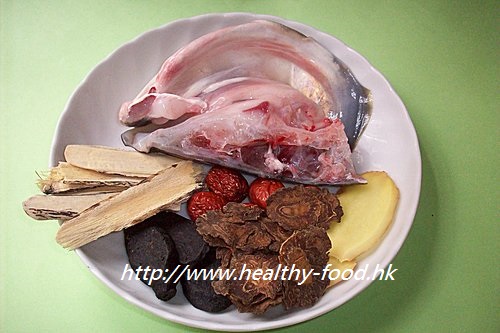
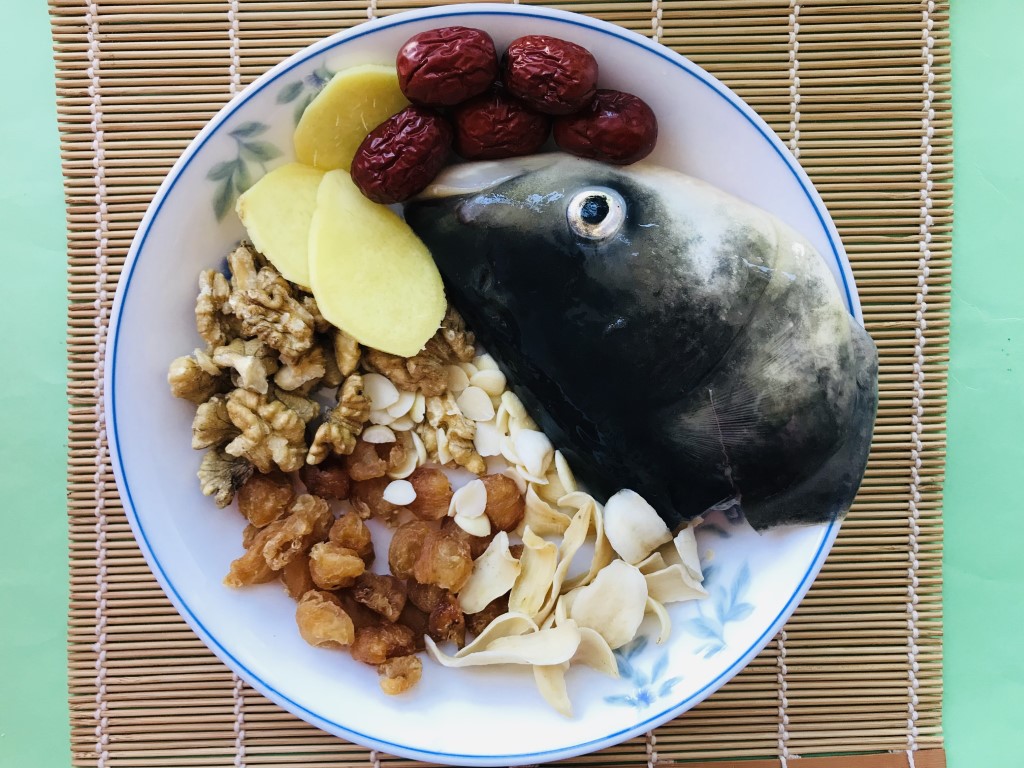
Astragalus, Ligusticum and Fish Head Soup
traditionally used to nourish qi and blood, support mental clarity, and promote a calm mind
In short: Astragalus, Ligusticum and Fish Head Soup is a soup that traditionally used to nourish qi and blood, support mental clarity, and promote a calm mind. It is most often made for sleep & calm, energy & vitality, blood nourishment. Total time about 1 hr 15 min. Key ingredients: large fish head, astragalus root, ginger, red dates.
Why people make this soup
We often think of brain-boosting foods as being just for students during exam season — but Nourilo points out that older adults need them just as much, if not more. Keeping the mind active and well-nourished is one of the most important things we can do as we age. Beyond hobbies and puzzles, Chinese food therapy has long offered herbal soups designed to nourish the blood and calm the mind. This fish head soup is one of Nourilo’s favourites: the pan-fried fish head creates a rich, fragrant broth, and the combination of astragalus (for qi), ligusticum (for circulation), He Shou Wu (for liver and kidney nourishment), ginger, and red dates makes a soup that is flavourful, warming, and easy on the stomach.
Method
- Clean and halve the fish head. Heat a little oil in a frying pan and pan-fry the fish head until lightly golden on both sides — this step creates a richer, milkier broth and removes any fishy odour.
- Rinse all the herbs and dates.
- Transfer the pan-fried fish head to a pot. Add all the remaining ingredients and 1.5 L of water.
- Bring to a boil, then reduce to a simmer and cook for about 1 hour.
- Season lightly with salt and serve.
Nourilo’s Tips
This soup is particularly helpful for those who feel qi-deficient and blood-poor: persistent mild dizziness, easy blurring of the eyes, and a sense of mental dullness are signs this soup may suit you. You can also add walnut meat (he tao rou) and gastrodia rhizome (tian ma) to strengthen the wind-dispelling and pain-relieving effects. Salmon head works well as a substitute if large carp head is not available.
What studies say about the key ingredients
Traditional use is not the same as clinical proof. Here is the strongest human research we found for each ingredient, limitations included.
- Astragalus root
TA-65 was associated with longer leukocyte telomeres compared with controls, but the meta-analysis found no significant improvement in frailty measures or inflammatory markers (CRP/IL-6). Mild gastrointestinal effects were reported.Limitation: Industry-funded trials reported larger effects than others, and the compound is a purified extract at doses not comparable to eating Astragalus root.PubMed 41286474 · 3 more astragalus root studies - Ginger
Overall, acute and delayed nausea and vomiting did not differ significantly between ginger and control groups. A subgroup taking 1 g/day or less for over four days had less acute vomiting (OR 0.30).Limitation: Clinical heterogeneity between trials required subgroup analyses, and the authors state that sufficiently large, high-quality RCTs are still needed.PubMed 36501010 · 3 more ginger studies - Red dates
Jujube was associated with significantly lower BMI and triglycerides, and lower fasting blood sugar in people with type 2 diabetes. LDL and total cholesterol fell only in some subgroups. HDL, AST and ALT did not change significantly.Limitation: The authors state the overall quality of the evidence is limited, and results varied significantly by dose, treatment duration and disease type.PubMed 40399274 · 3 more red dates studies
From the Nourilo Research Library. Findings come from specific doses, extracts and populations and may not apply to a home-cooked recipe.
Safety first — read before you cook
This is a traditional food, not a treatment. Please check with your doctor or pharmacist before making it a regular part of your diet if you:
- are pregnant or breastfeeding, or are cooking for a young child;
- take regular medicines — especially blood thinners, blood-pressure, diabetes or immune-suppressing drugs;
- have a kidney, liver or heart condition, or a known food allergy.
Ingredient notes for this recipe
- Astragalus: May interact with medicines that suppress the immune system. A thorough safety evaluation has not been done, and little is known about its safety in pregnancy or breastfeeding. Source: NIH NCCIH — Astragalus
Stop eating it and seek advice if you notice an allergic reaction or feel unwell. Safety notes reviewed 8 October 2026 · How we write safety notes
Comments
Join the conversation — sign in or create a free account to comment.
Continue with GoogleBy continuing with Google or email you confirm you are 16 or older and agree to our Terms of Use and Privacy Policy.
Loading comments…