Soups
Nourishing Vegetable Soup with Seaweed
traditionally associated with reducing inflammation and supporting immune defense
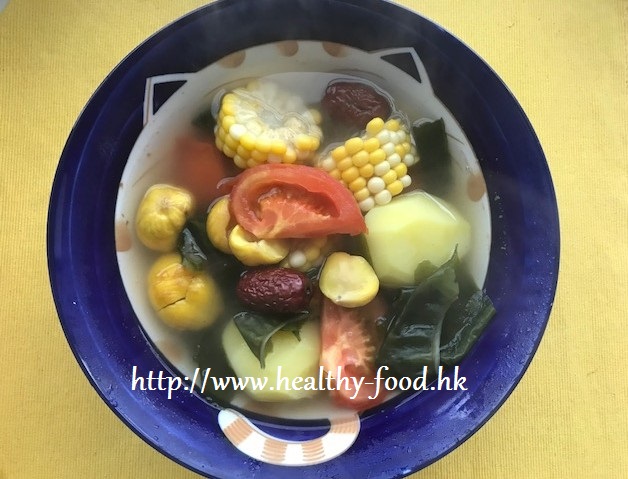
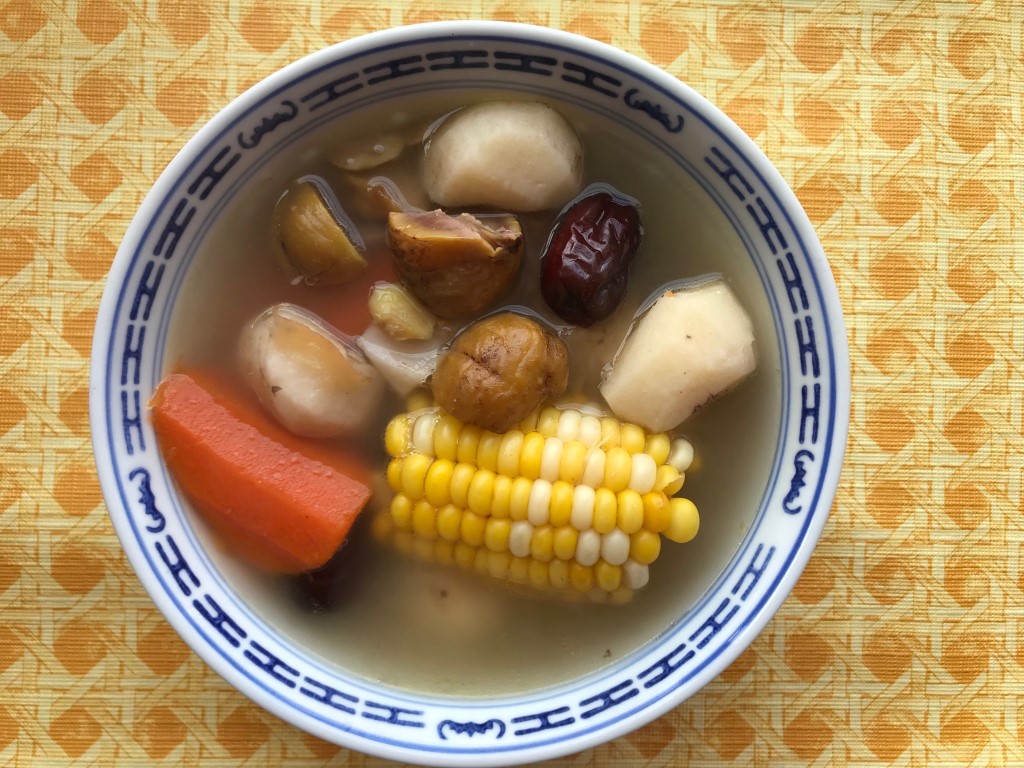
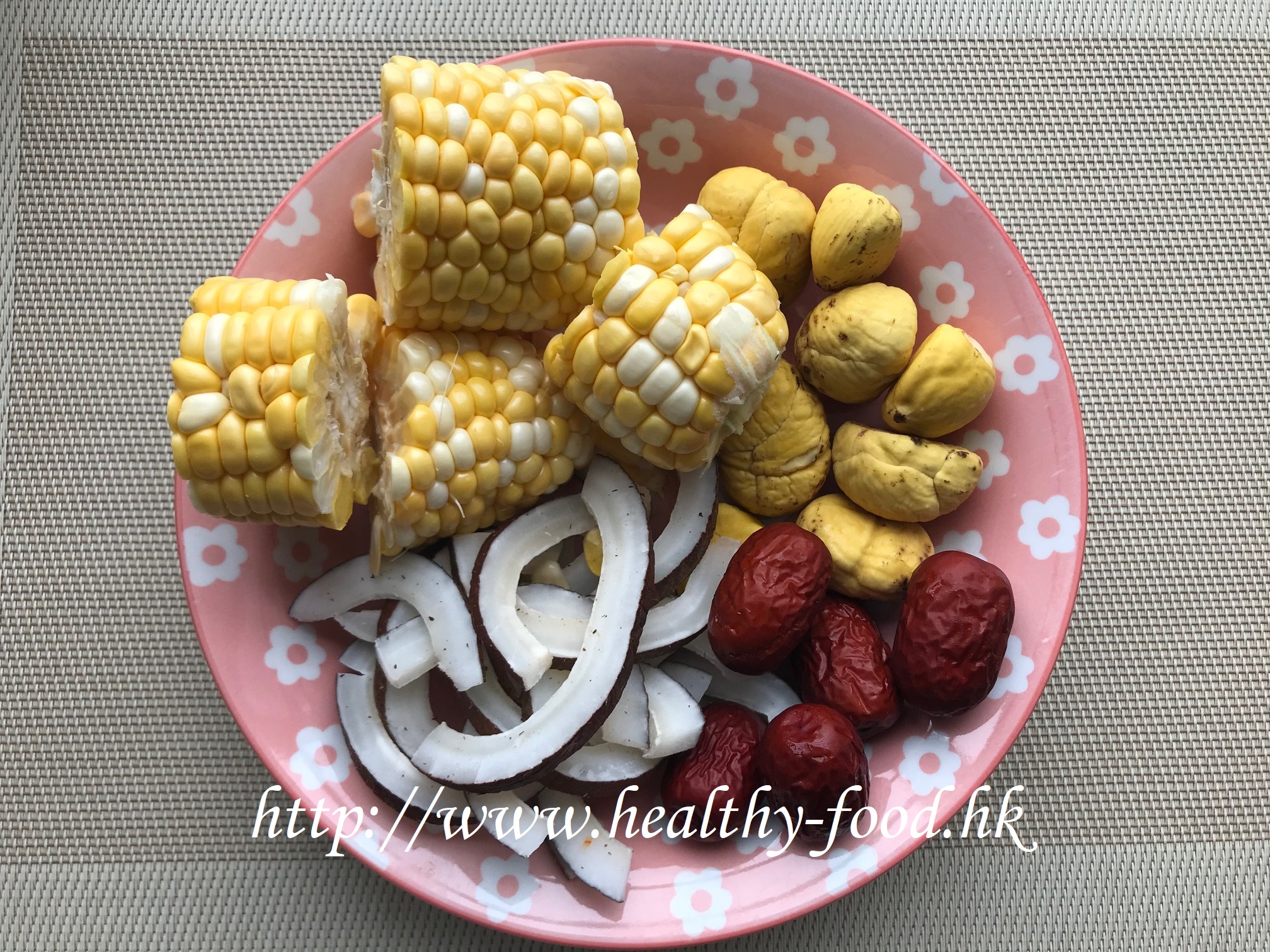
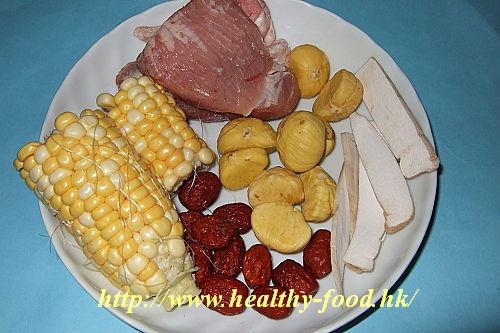
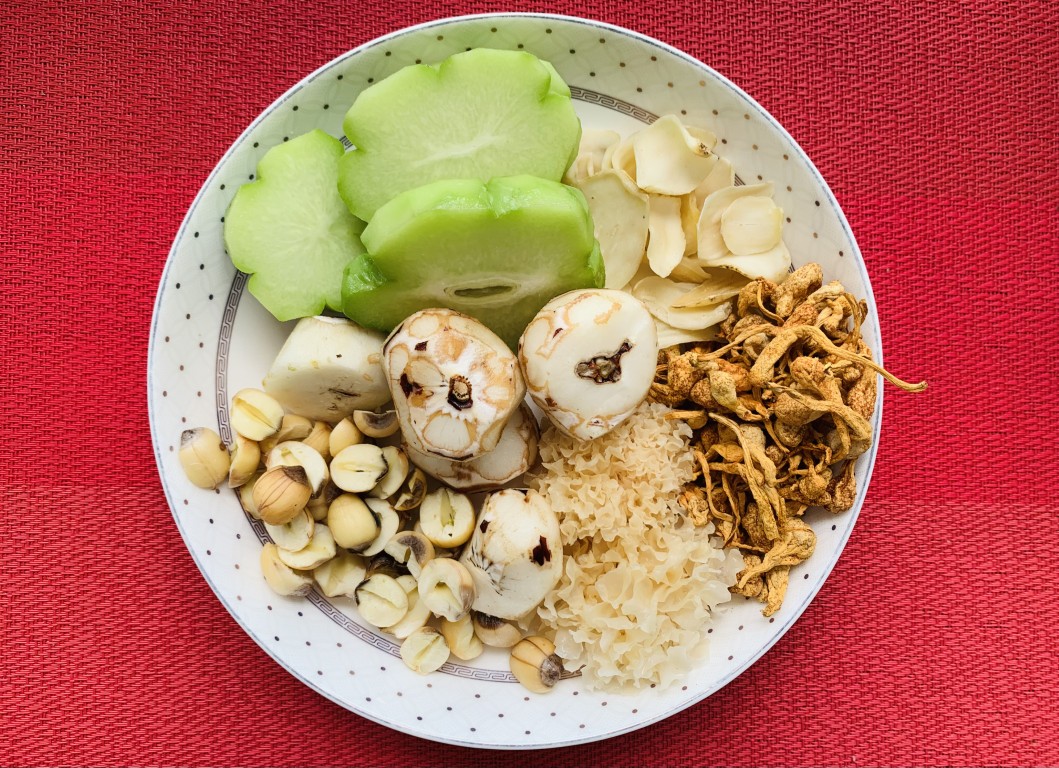
In short: Nourishing Vegetable Soup with Seaweed is a soup that traditionally associated with reducing inflammation and supporting immune defense. It is most often made for immune support, everyday balance. Total time about 60 min. Key ingredients: tomato, potato, corn, chestnuts.
Why people make this soup
Research has consistently shown that colourful vegetables, legumes, and whole grains tend to be associated with lower levels of chronic inflammation — and traditional Cantonese food-therapy arrived at similar conclusions a long time ago. Nourilo put together this simple, hearty vegetable soup during a period when many people were focused on supporting their bodies’ natural defences. The addition of seaweed brings a wealth of trace minerals — iron, calcium, iodine, and more — that many of us do not get enough of from ordinary vegetables.
Method
- Soak the seaweed in water for 10 minutes; rinse gently. Set soaking water aside.
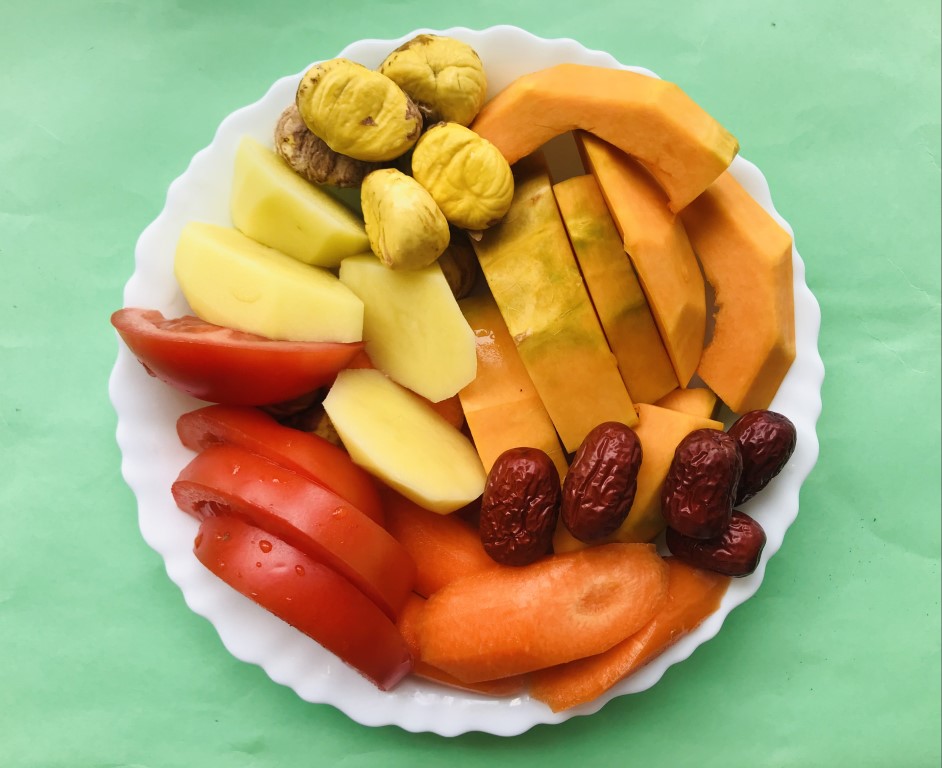
- Peel and cut the tomatoes and potato into rough chunks. Husk the corn and cut into sections. Pit the red dates.
- Combine all ingredients (including seaweed soaking water if using) with 2.1 L of water in a pot.
- Bring to a boil, then reduce to a simmer and cook for 45 minutes until the liquid reduces to about 1.2 L.
- Serve immediately, eating the soup along with all the vegetables for maximum nutrition.
Nourilo’s Tips
Seaweed contains an impressive array of natural minerals that ordinary vegetables simply cannot match. To avoid losing the iodine and other beneficial compounds, Nourilo recommends using the seaweed soaking water directly in the soup rather than discarding it. Good-quality seaweed is available at major supermarkets; ordinary varieties are also sold at Chinese grocery and herbal stores.
What studies say about the key ingredients
Traditional use is not the same as clinical proof. Here is the strongest human research we found for each ingredient, limitations included.
- Red dates
Jujube was associated with significantly lower BMI and triglycerides, and lower fasting blood sugar in people with type 2 diabetes. LDL and total cholesterol fell only in some subgroups. HDL, AST and ALT did not change significantly.Limitation: The authors state the overall quality of the evidence is limited, and results varied significantly by dose, treatment duration and disease type.PubMed 40399274 · 3 more red dates studies
From the Nourilo Research Library. Findings come from specific doses, extracts and populations and may not apply to a home-cooked recipe.
Safety first — read before you cook
This is a traditional food, not a treatment. Please check with your doctor or pharmacist before making it a regular part of your diet if you:
- are pregnant or breastfeeding, or are cooking for a young child;
- take regular medicines — especially blood thinners, blood-pressure, diabetes or immune-suppressing drugs;
- have a kidney, liver or heart condition, or a known food allergy.
Stop eating it and seek advice if you notice an allergic reaction or feel unwell. Safety notes reviewed 8 October 2026 · How we write safety notes
Comments
Join the conversation — sign in or create a free account to comment.
Continue with GoogleBy continuing with Google or email you confirm you are 16 or older and agree to our Terms of Use and Privacy Policy.
Loading comments…