Herbal & Flower Teas
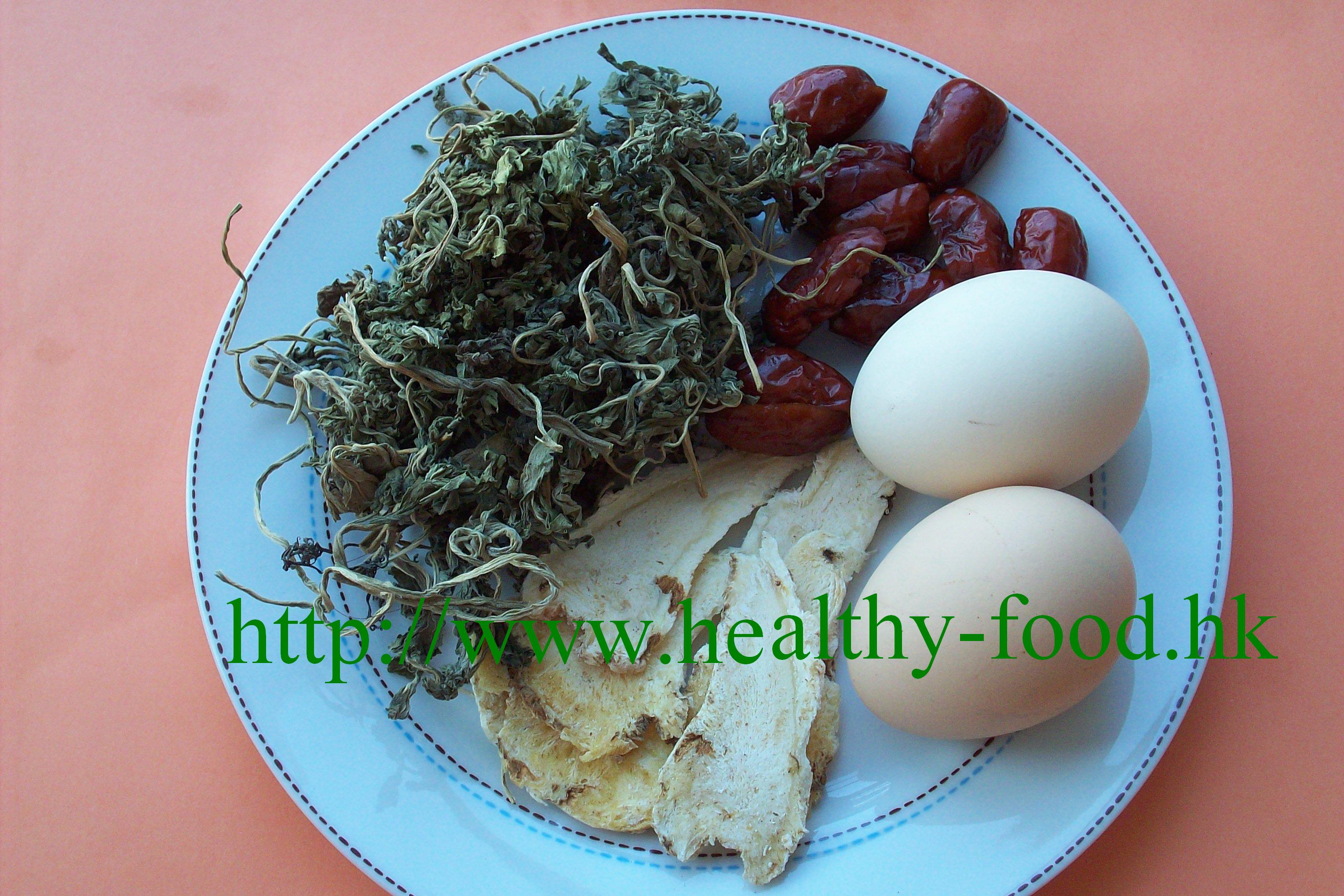
Angelica and Motherwort Egg Tea
traditionally used to invigorate blood, regulate menstruation, and support fading of postpartum skin spots
In short: Angelica and Motherwort Egg Tea is a herbal & flower tea that traditionally used to invigorate blood, regulate menstruation, and support fading of postpartum skin spots. It is most often made for women's wellness, skin & natural beauty. Total time about 1 hr 5 min. Key ingredients: red dates.
Why people make this tea
After childbirth, some women notice brownish patches appearing on their cheeks — a form of skin pigmentation called chloasma or melasma. In traditional Chinese food therapy, this is often linked to qi stagnation and blood stasis in the liver: the body’s circulatory energy has been disturbed by the physical demands of pregnancy and delivery, and the resulting sluggishness in blood flow shows up on the face. The same pattern can show up as moodiness, chest tightness, irregular periods, and a general sense of emotional heaviness. Motherwort (yi mu cao) is one of the most highly regarded herbs for women’s health in Chinese tradition — it moves blood, reduces water retention, and supports uterine recovery. Paired with angelica (dang gui), which nourishes and moves blood simultaneously, and red dates for gentle nourishment, this tea works on the underlying circulation rather than just the surface appearance. Fresh motherwort is available at Chinese or Asian grocers when in season; dried motherwort is available year-round at Chinese herb shops and online.
What studies say about the key ingredients
Traditional use is not the same as clinical proof. Here is the strongest human research we found for each ingredient, limitations included.
- Red dates
Jujube was associated with significantly lower BMI and triglycerides, and lower fasting blood sugar in people with type 2 diabetes. LDL and total cholesterol fell only in some subgroups. HDL, AST and ALT did not change significantly.Limitation: The authors state the overall quality of the evidence is limited, and results varied significantly by dose, treatment duration and disease type.PubMed 40399274 · 3 more red dates studies
From the Nourilo Research Library. Findings come from specific doses, extracts and populations and may not apply to a home-cooked recipe.
Safety first — read before you cook
This is a traditional food, not a treatment. Please check with your doctor or pharmacist before making it a regular part of your diet if you:
- are pregnant or breastfeeding, or are cooking for a young child;
- take regular medicines — especially blood thinners, blood-pressure, diabetes or immune-suppressing drugs;
- have a kidney, liver or heart condition, or a known food allergy.
Stop eating it and seek advice if you notice an allergic reaction or feel unwell. Safety notes reviewed 8 October 2026 · How we write safety notes
Members only
Unlock the full method & Nourilo's tips
One payment, lifetime access to every one of our 2,344 recipes — step-by-step methods, preparation tips and serving notes.
- Full step-by-step method for this and all 2,344 recipes
- Nourilo's Tips — sourcing, substitutions and serving notes
- One-time payment · card, Apple Pay or Google Pay · no subscription, no renewals
Checking your access…
$59.99 one-time · all recipes
Sign in or create a free account, then pay once by card, Apple Pay or Google Pay.
Continue with GoogleBy continuing with Google or email you confirm you are 16 or older and agree to our Terms of Use and Privacy Policy.
$59.99 one-time · all recipes
Signed in as ·
Secure checkout by Stripe. One-time payment, no renewals. Access is linked to your Nourilo account and never expires. By paying you agree to our Terms of Use; you can get a full refund within 14 days (refund policy).
Comments
Join the conversation — sign in or create a free account to comment.
Continue with GoogleBy continuing with Google or email you confirm you are 16 or older and agree to our Terms of Use and Privacy Policy.
Loading comments…