Soups
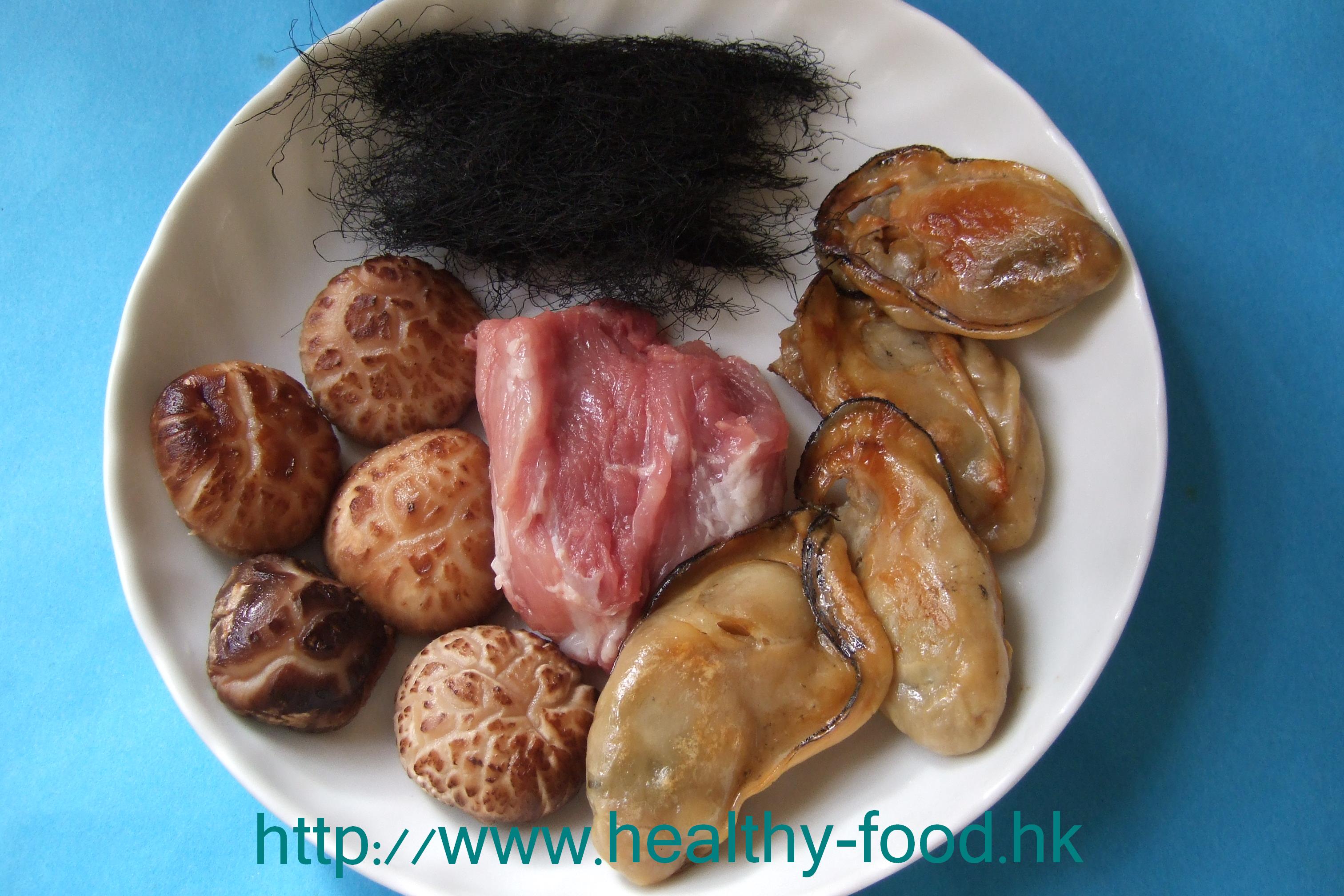
Shiitake, Sea Cucumber and Silkie Chicken Soup
traditionally used to nourish yin, support blood health, and benefit those with cardiovascular risk factors
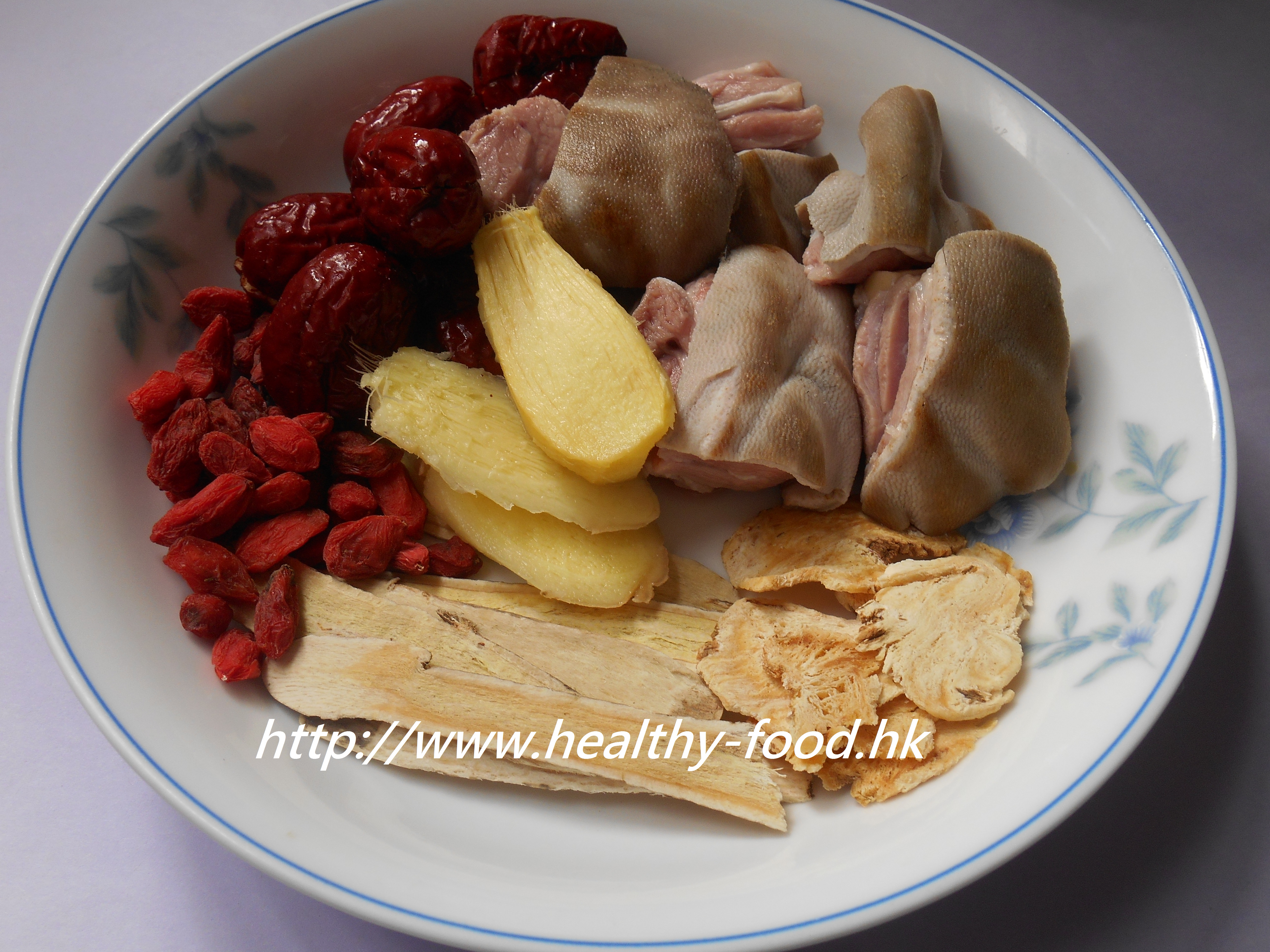
In short: Shiitake, Sea Cucumber and Silkie Chicken Soup is a soup that traditionally used to nourish yin, support blood health, and benefit those with cardiovascular risk factors. It is most often made for heart & circulation, blood nourishment, everyday balance. Total time about 2 hr 30 min. Key ingredients: shiitake mushrooms, rehydrated sea cucumber, silkie chicken (black chicken), red dates.
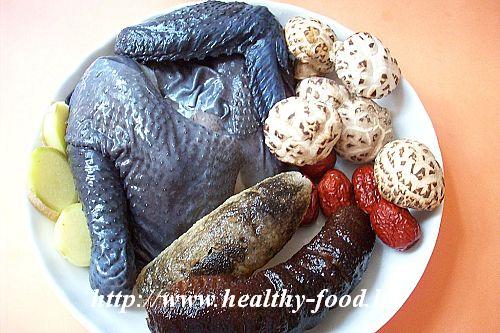
Why people make this soup
Stroke sits at the serious end of a spectrum that often begins with high blood pressure, elevated cholesterol, and blood that flows less freely than it should. In Chinese food-therapy tradition, the advice for supporting cardiovascular health has long centred on eating lightly — low in salt, low in sugar — and including foods that nourish yin and keep the blood fluid. Mushrooms have a strong reputation in Chinese wellness culture for supporting healthy blood lipids, and iodine-rich seafoods like sea cucumber and sea kelp are traditionally believed to discourage calcium from depositing in artery walls. This soup brings shiitake mushrooms and sea cucumber together with silkie chicken — a variety prized for its particularly yin-nourishing qualities — to make a richly flavoured, deeply nourishing broth for those who are physically weak or managing cardiovascular risk.
Method
- Soak the dried shiitake mushrooms in water until soft; remove and discard the stems, reserving the soaking water if it is clean.
- Blanch the rehydrated sea cucumber in boiling water briefly; drain and rinse.
- Cut the silkie chicken into large pieces and blanch in boiling water to remove impurities; drain and rinse.
- Place all ingredients into a pot with enough water to cover generously.
- Bring to a boil over high heat, then reduce to a medium-low simmer for approximately 2 hours.
- Serve warm. This soup is suitable for those with high blood pressure or diabetes.
Nourilo’s Tips
When buying pre-rehydrated sea cucumber, quality is worth checking. A simple test: good-quality naturally prepared sea cucumber will shrink a little — maybe 20% — after it is blanched in boiling water. If the sea cucumber stays exactly the same size after blanching, it has likely been expanded with harsh chemical agents that can irritate the stomach lining. Such sea cucumber will also lack the characteristic pleasant aroma of real sea cucumber, and will dissolve if cooked too long rather than holding its shape. If you cannot find sea cucumber or prefer a variation, fresh burdock root (150 g) makes a useful substitute and is itself traditionally associated with healthy circulation in Chinese food-therapy. If you wish to make this without the chicken, shiitake and sea cucumber alone in broth is also perfectly suitable.
What studies say about the key ingredients
Traditional use is not the same as clinical proof. Here is the strongest human research we found for each ingredient, limitations included.
- Shiitake mushrooms
Daily shiitake intake was associated with increased ex vivo proliferation of γδ-T and NK-T cells, higher salivary sIgA and lower serum CRP, along with changes in cytokine patterns. The comparison was before versus after intake in two dose groups.Limitation: Parallel 5 g and 10 g dose groups with no placebo or non-mushroom control. Short 4-week study in healthy young adults, with mostly ex vivo immune markers.PubMed 25866155 · 2 more shiitake mushrooms studies - Red dates
Jujube was associated with significantly lower BMI and triglycerides, and lower fasting blood sugar in people with type 2 diabetes. LDL and total cholesterol fell only in some subgroups. HDL, AST and ALT did not change significantly.Limitation: The authors state the overall quality of the evidence is limited, and results varied significantly by dose, treatment duration and disease type.PubMed 40399274 · 3 more red dates studies - Ginger
Overall, acute and delayed nausea and vomiting did not differ significantly between ginger and control groups. A subgroup taking 1 g/day or less for over four days had less acute vomiting (OR 0.30).Limitation: Clinical heterogeneity between trials required subgroup analyses, and the authors state that sufficiently large, high-quality RCTs are still needed.PubMed 36501010 · 3 more ginger studies
From the Nourilo Research Library. Findings come from specific doses, extracts and populations and may not apply to a home-cooked recipe.
Safety first — read before you cook
This is a traditional food, not a treatment. Please check with your doctor or pharmacist before making it a regular part of your diet if you:
- are pregnant or breastfeeding, or are cooking for a young child;
- take regular medicines — especially blood thinners, blood-pressure, diabetes or immune-suppressing drugs;
- have a kidney, liver or heart condition, or a known food allergy.
Stop eating it and seek advice if you notice an allergic reaction or feel unwell. Safety notes reviewed 8 October 2026 · How we write safety notes
Comments
Join the conversation — sign in or create a free account to comment.
Continue with GoogleBy continuing with Google or email you confirm you are 16 or older and agree to our Terms of Use and Privacy Policy.
Loading comments…