Herbal & Flower Teas
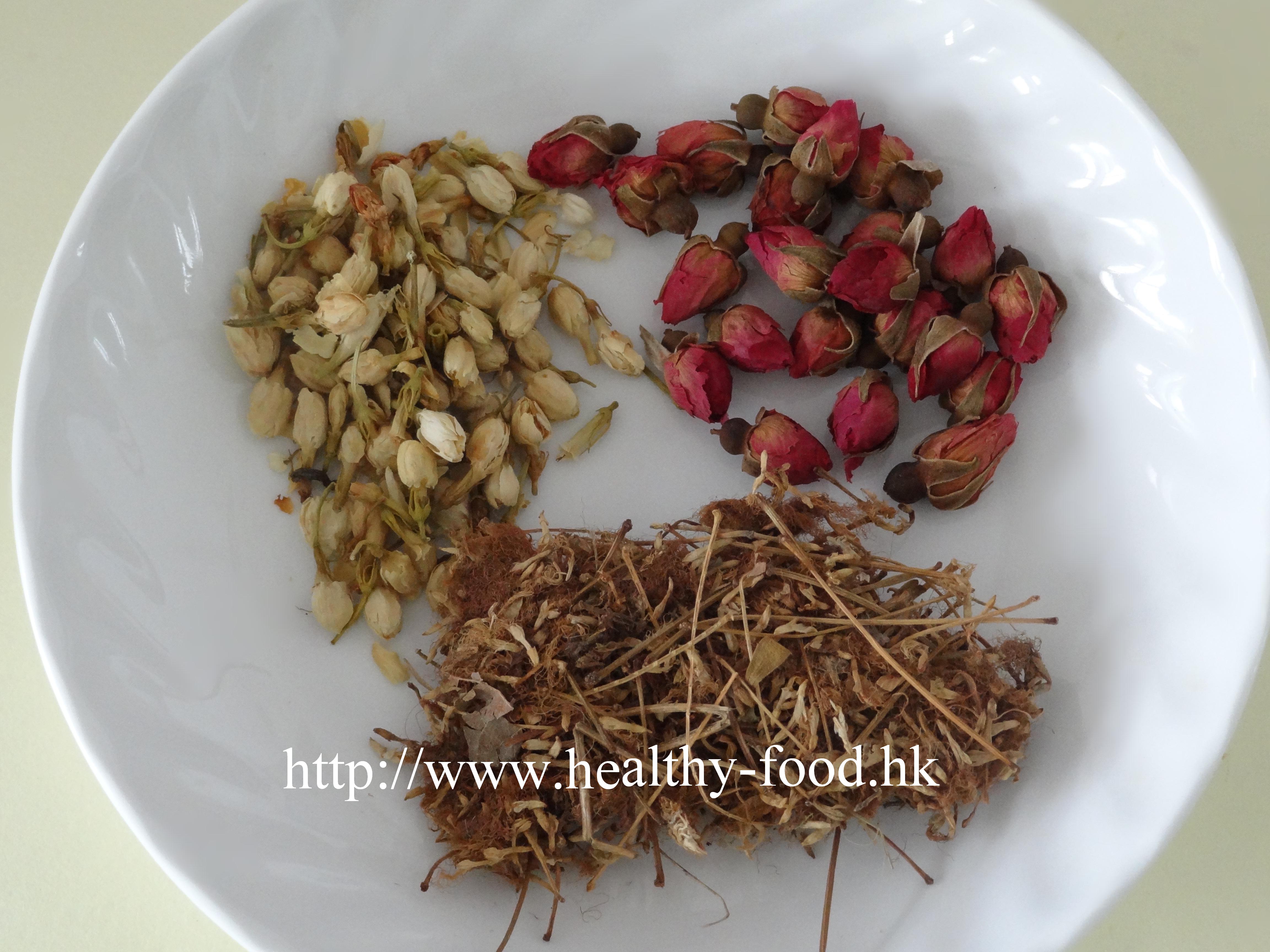
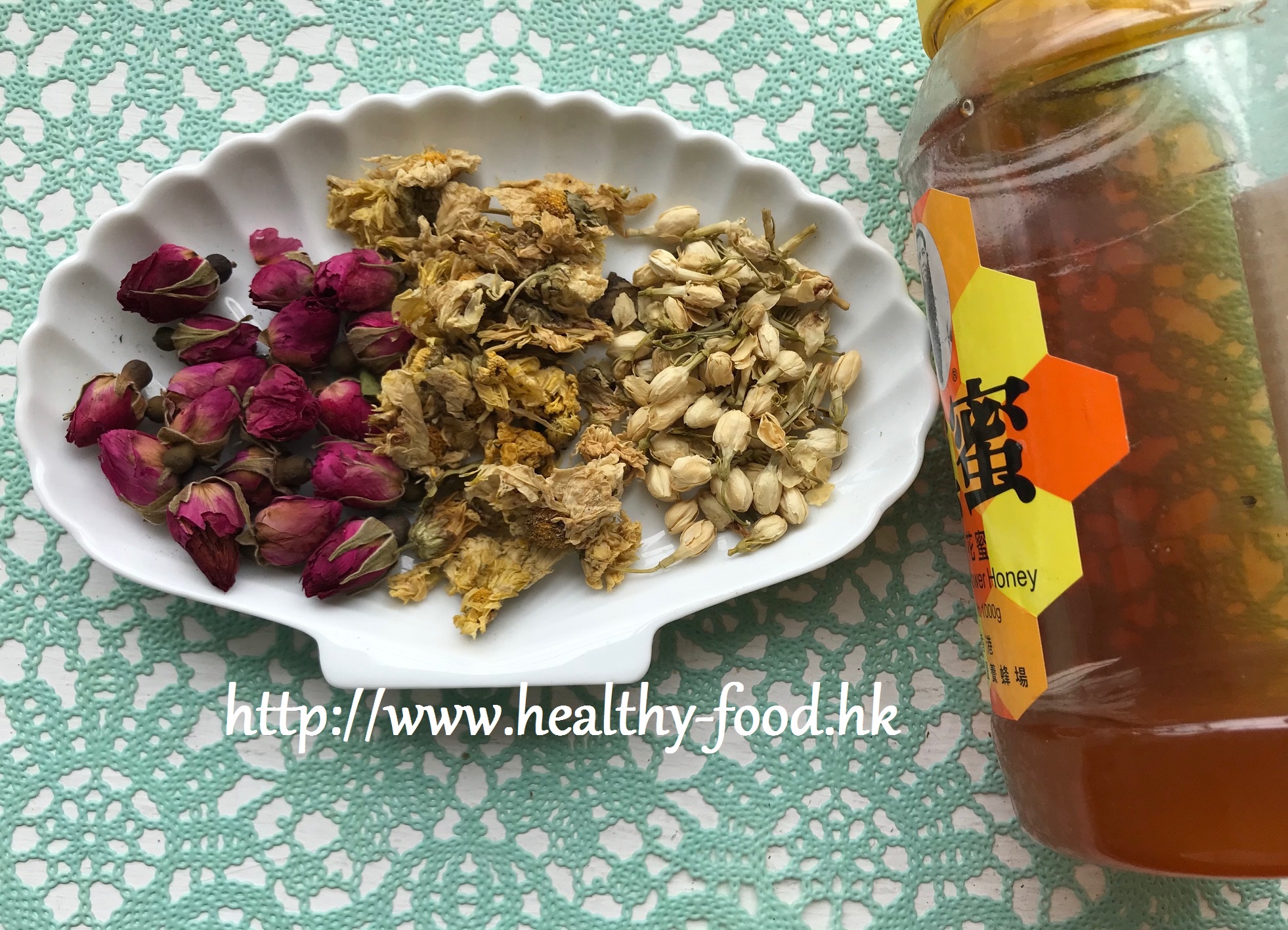
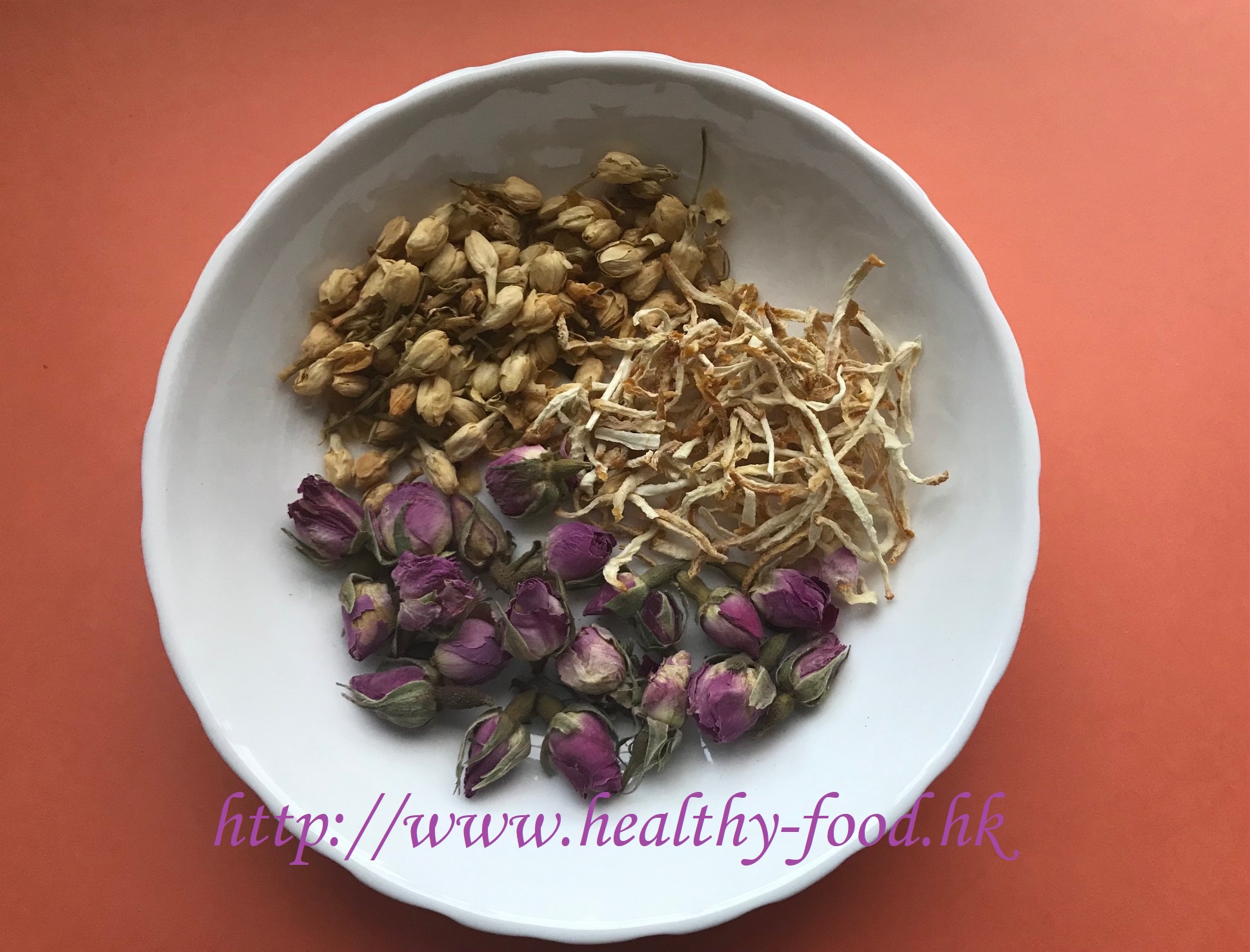
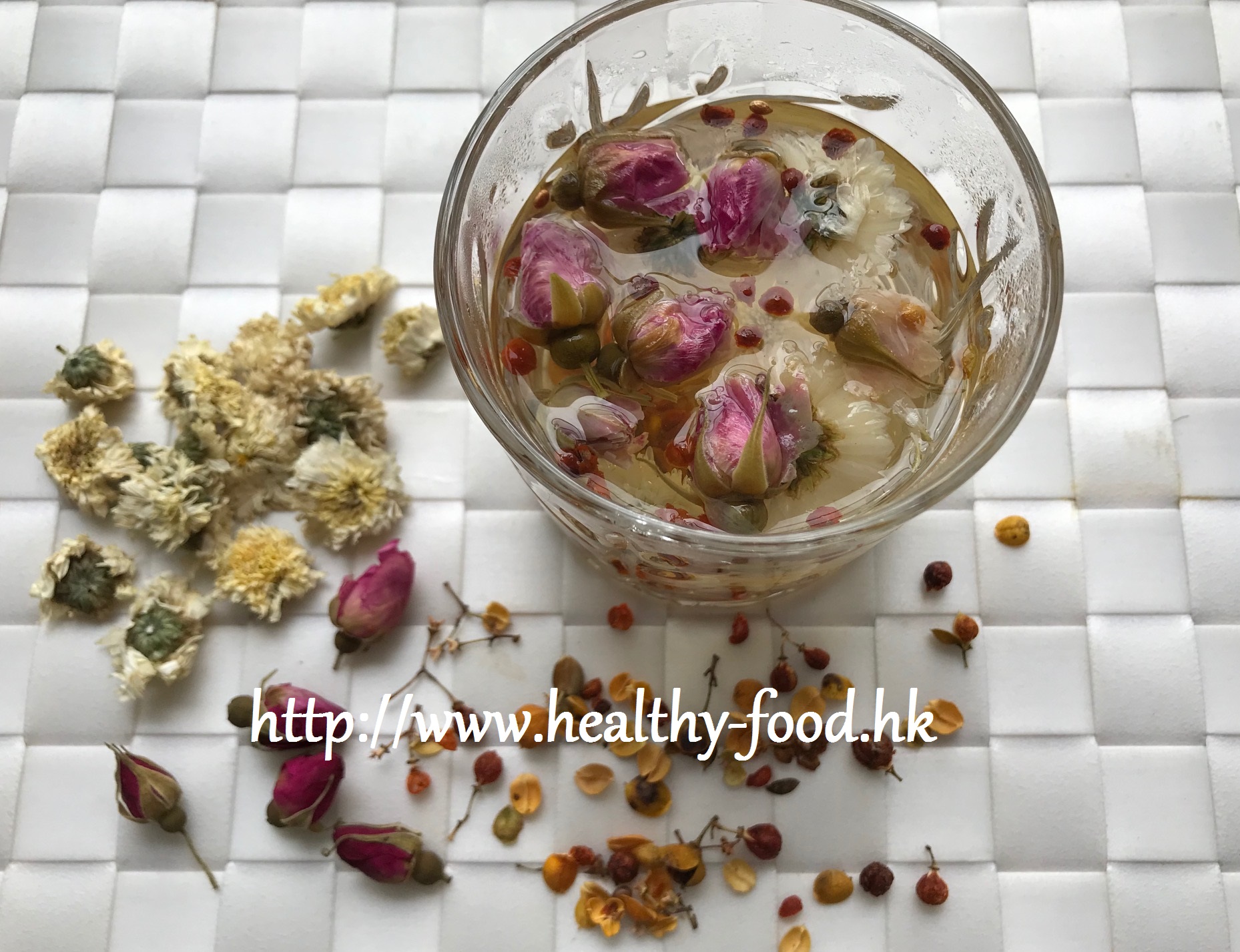
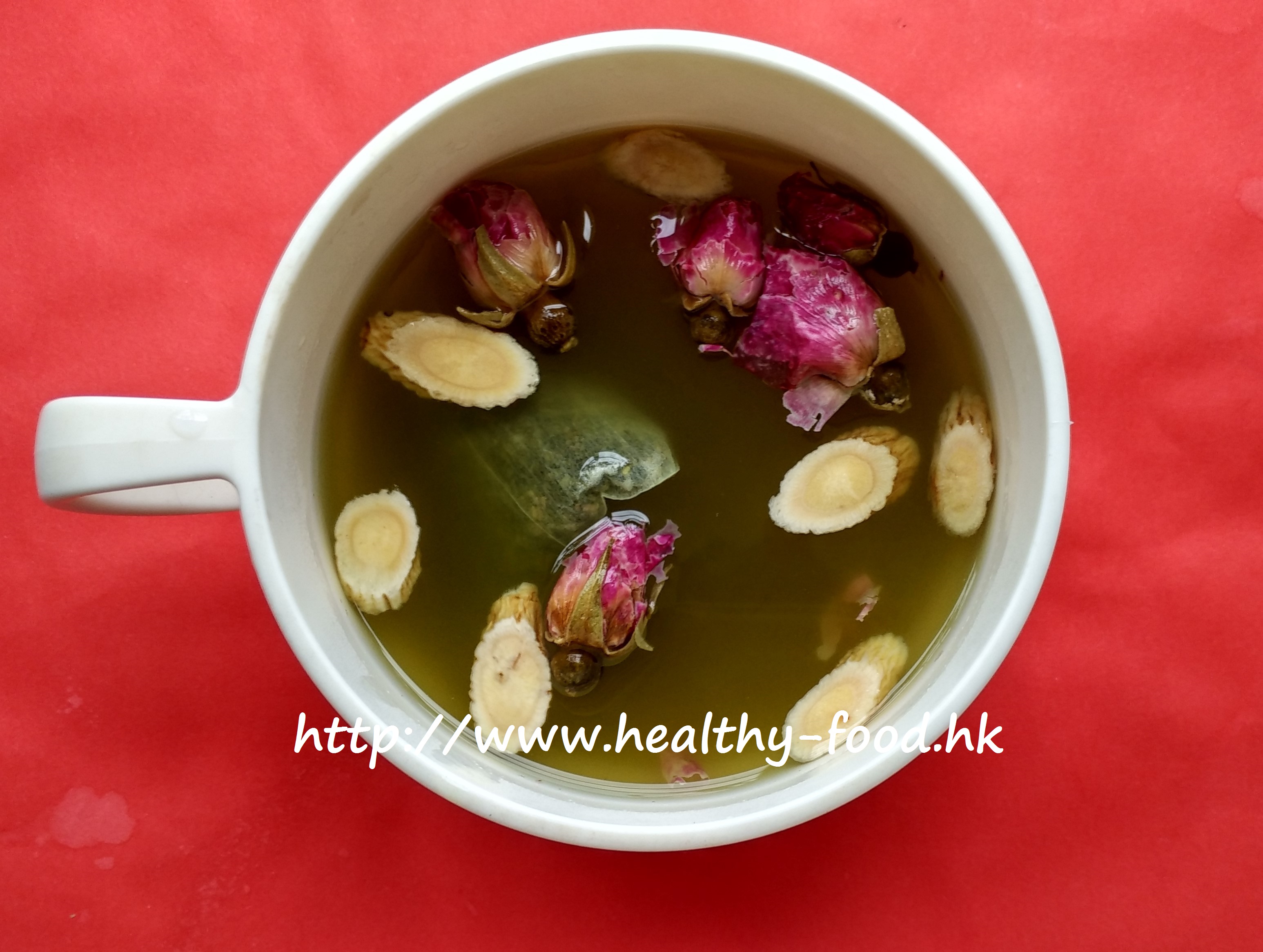
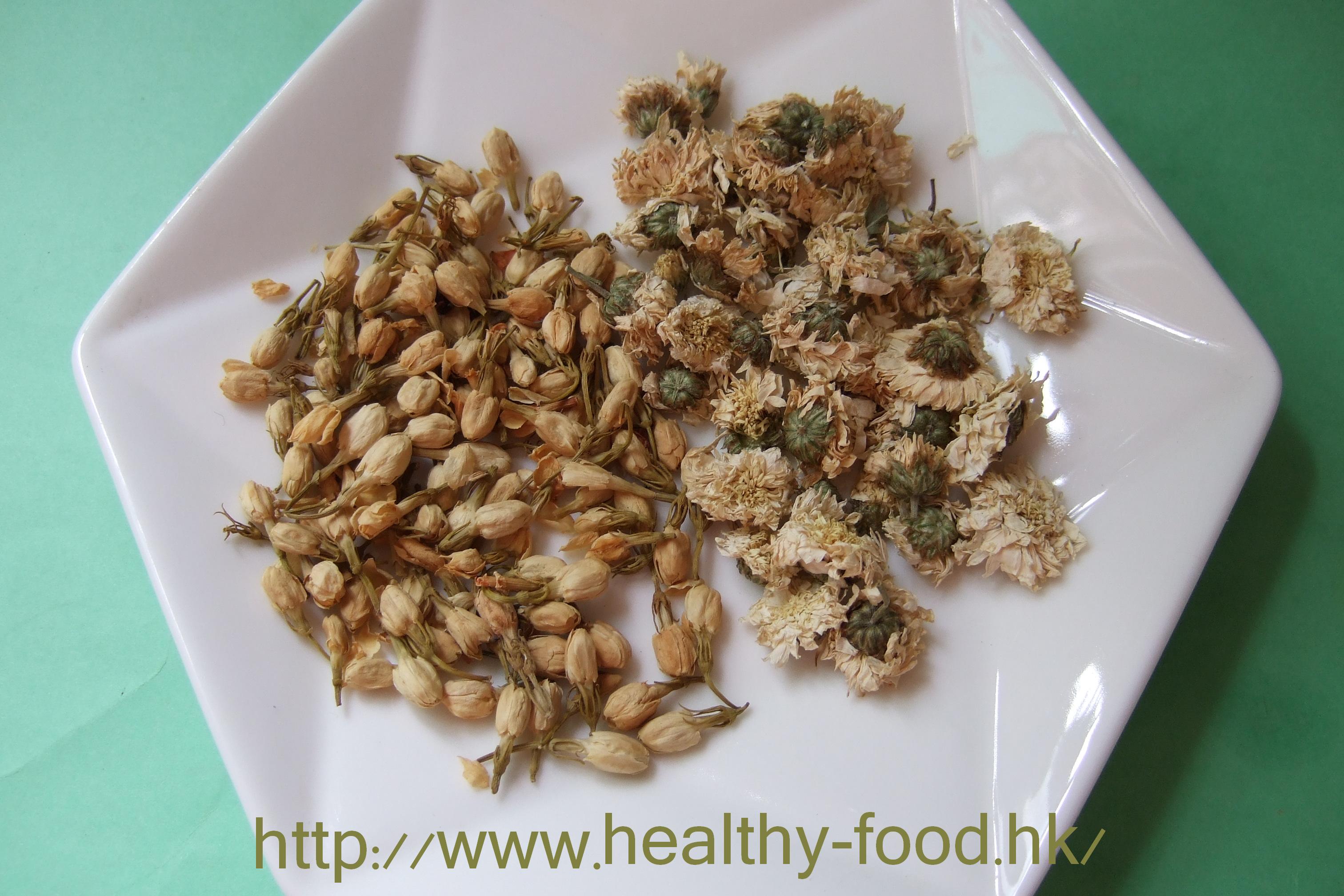
Rose, Jasmine, and Silk Tree Flower Tea
Traditionally used to ease emotional tension, lift mood, and support healthy liver qi flow
In short: Rose, Jasmine, and Silk Tree Flower Tea is a herbal & flower tea that Traditionally used to ease emotional tension, lift mood, and support healthy liver qi flow. It is most often made for liver wellness, sleep & calm, energy & vitality. Total time about 10 min. Key ingredients: rose petals, jasmine flowers, honey.
Why people make this tea
Urban life has a way of drawing people tight, like a rubber band pulled to its limit. Nourilo observes that when stress is chronic — work pressure, poor sleep, emotional frustration — the body gives signals: a tight chest, irritability, irregular cycles, a sense of being perpetually on edge. In Chinese food therapy, this cluster of symptoms is often linked to the liver’s role in keeping energy (qi) flowing smoothly. Aromatic flowers are among the gentlest and most pleasant remedies for this: their fragrance alone has a measurable relaxing effect, and their traditional properties reinforce it. This three-flower tea is something Nourilo recommends keeping on hand as an everyday drink — simple enough to prepare in a travel mug for work, pleasant enough to enjoy as a moment of calm during a busy day.
Method
- Place all three dried flowers into a teapot or steeping mug.
- Rinse once with boiling water, then discard the rinse water.
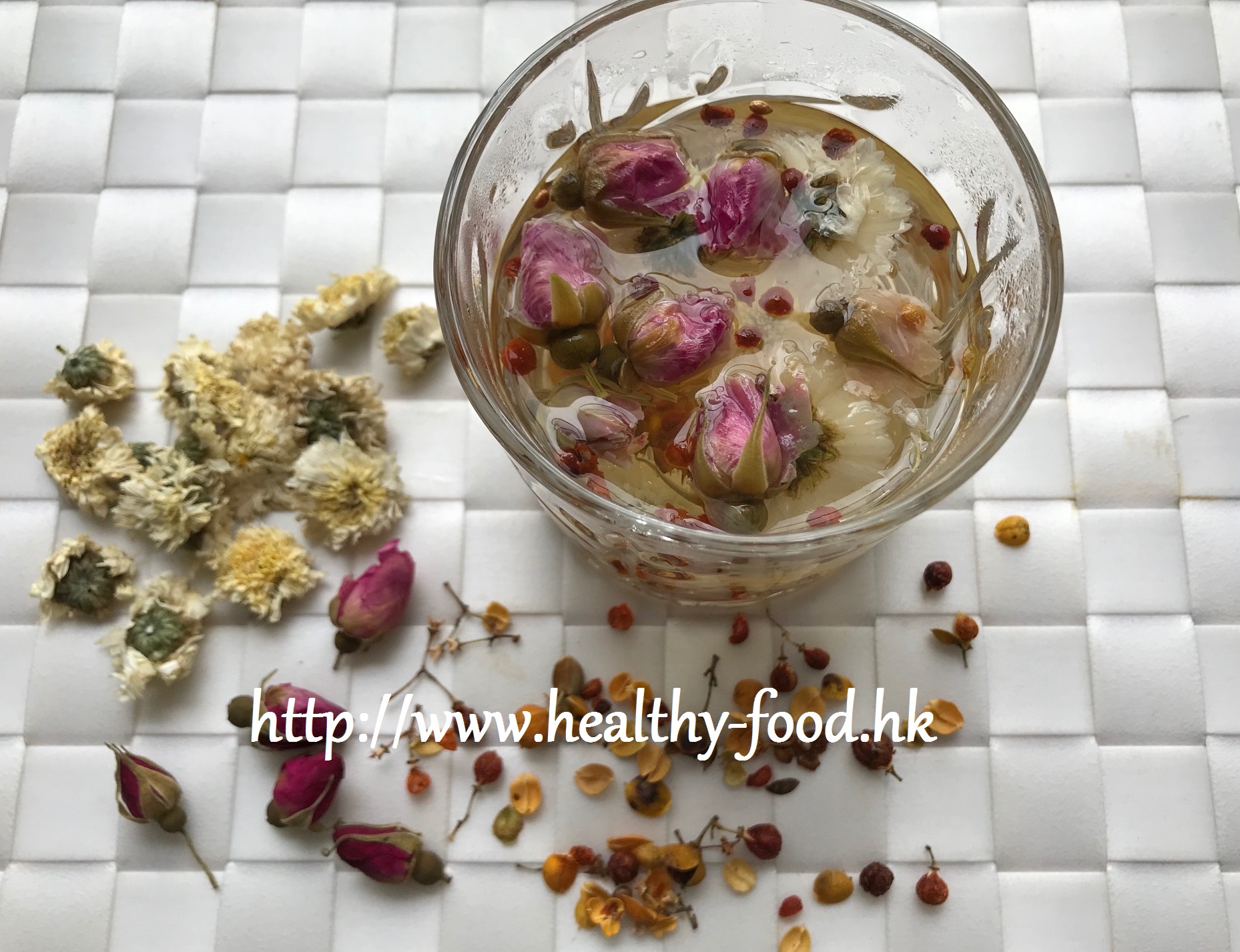
- Pour in fresh boiling water and steep, covered, for 5 minutes.
- Stir in honey to taste.
- Serve warm and inhale the fragrance as you drink — that is part of the therapy.
- The flowers can be re-steeped once or twice with fresh hot water.
Nourilo’s Tips
- This tea has a gentle nourishing effect on the liver and spleen-stomach — pleasant to drink daily.
- For someone who needs to have it at the office, Nourilo suggests putting a small pinch of each flower into a tea bag and dropping it into a travel flask to steep throughout the morning.
- Adding a small pinch of osmanthus flower (gui hua) alongside is a lovely variation — osmanthus is particularly good for the stomach.
- These flowers are available at specialty flower tea shops, tea stores, and Chinese or Asian herbal shops, as well as online.
- Silk tree flower “buds” (he huan mi — the small red-and-yellow bud form) and the fluffy dried “open flower” (he huan hua) are both correct and have the same function.
What studies say about the key ingredients
Traditional use is not the same as clinical proof. Here is the strongest human research we found for each ingredient, limitations included.
- Honey
Compared with usual care, honey was associated with lower combined symptom scores, cough frequency and cough severity. In two pooled placebo-controlled studies, the difference in combined symptoms was not statistically significant.Limitation: Only two studies compared honey with placebo, with high heterogeneity (I2=91%); the review calls for higher-quality placebo-controlled trials.PubMed 32817011 · 3 more honey studies
From the Nourilo Research Library. Findings come from specific doses, extracts and populations and may not apply to a home-cooked recipe.
Safety first — read before you cook
This is a traditional food, not a treatment. Please check with your doctor or pharmacist before making it a regular part of your diet if you:
- are pregnant or breastfeeding, or are cooking for a young child;
- take regular medicines — especially blood thinners, blood-pressure, diabetes or immune-suppressing drugs;
- have a kidney, liver or heart condition, or a known food allergy.
Ingredient notes for this recipe
- Honey: Never give honey to babies under 1 year old — it can cause infant botulism, a very serious illness. Source: NHS — Foods to avoid giving babies
Stop eating it and seek advice if you notice an allergic reaction or feel unwell. Safety notes reviewed 8 October 2026 · How we write safety notes
Comments
Join the conversation — sign in or create a free account to comment.
Continue with GoogleBy continuing with Google or email you confirm you are 16 or older and agree to our Terms of Use and Privacy Policy.
Loading comments…