Tonic Drinks & Waters
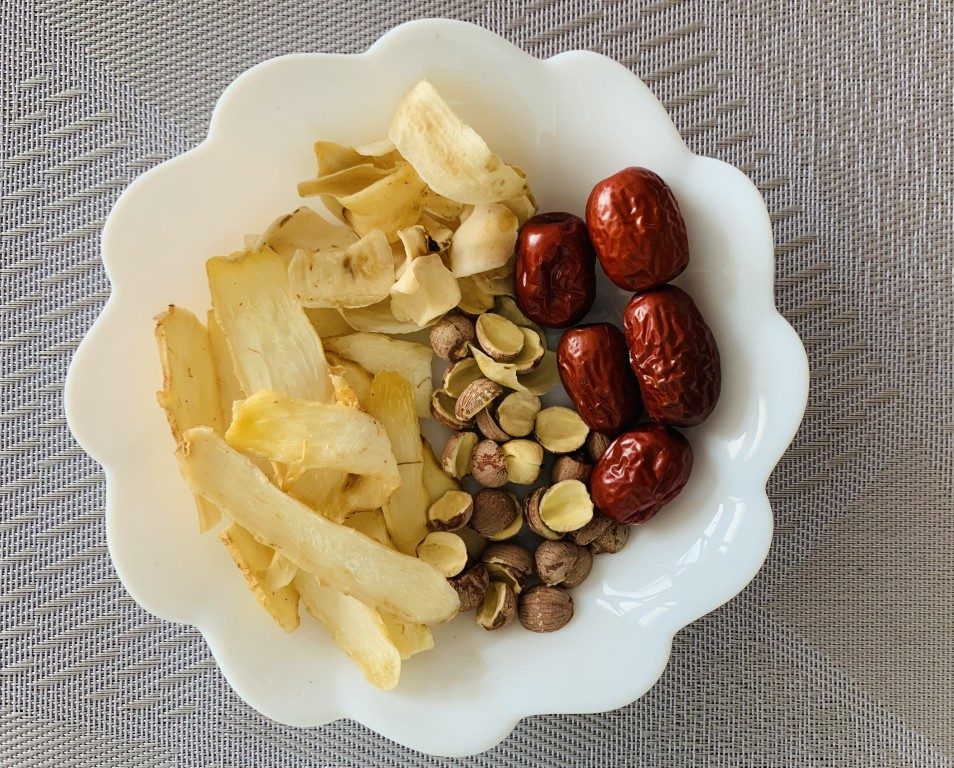
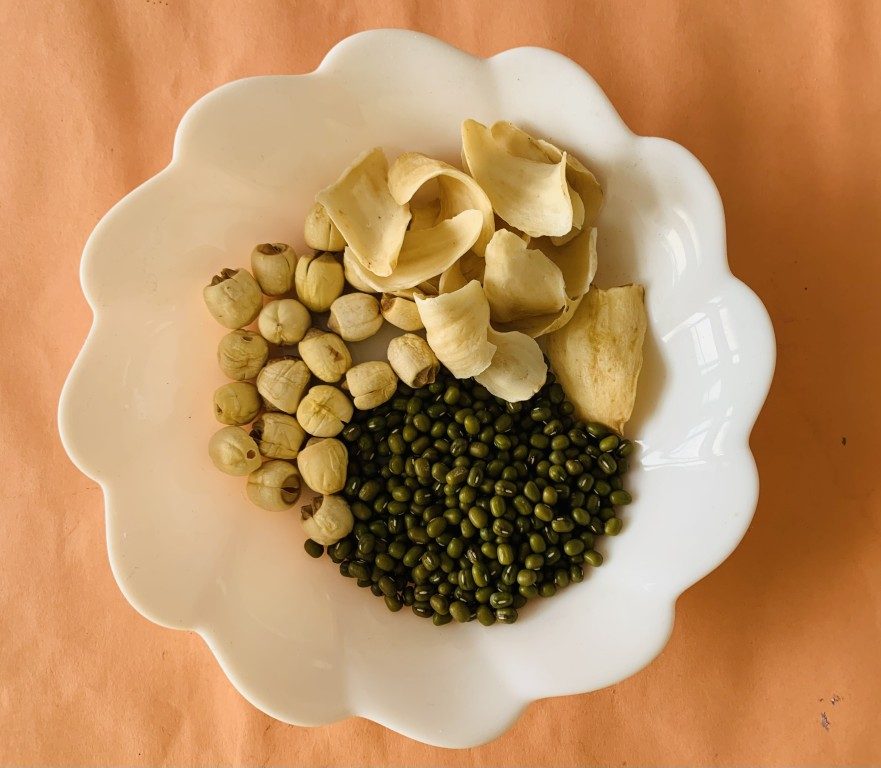
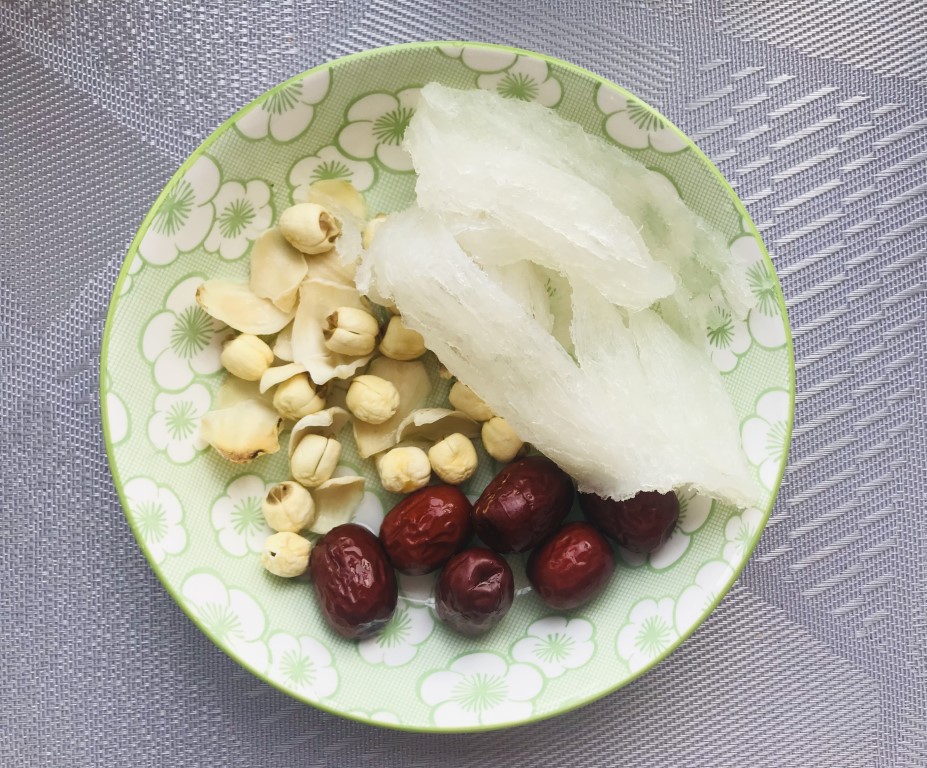
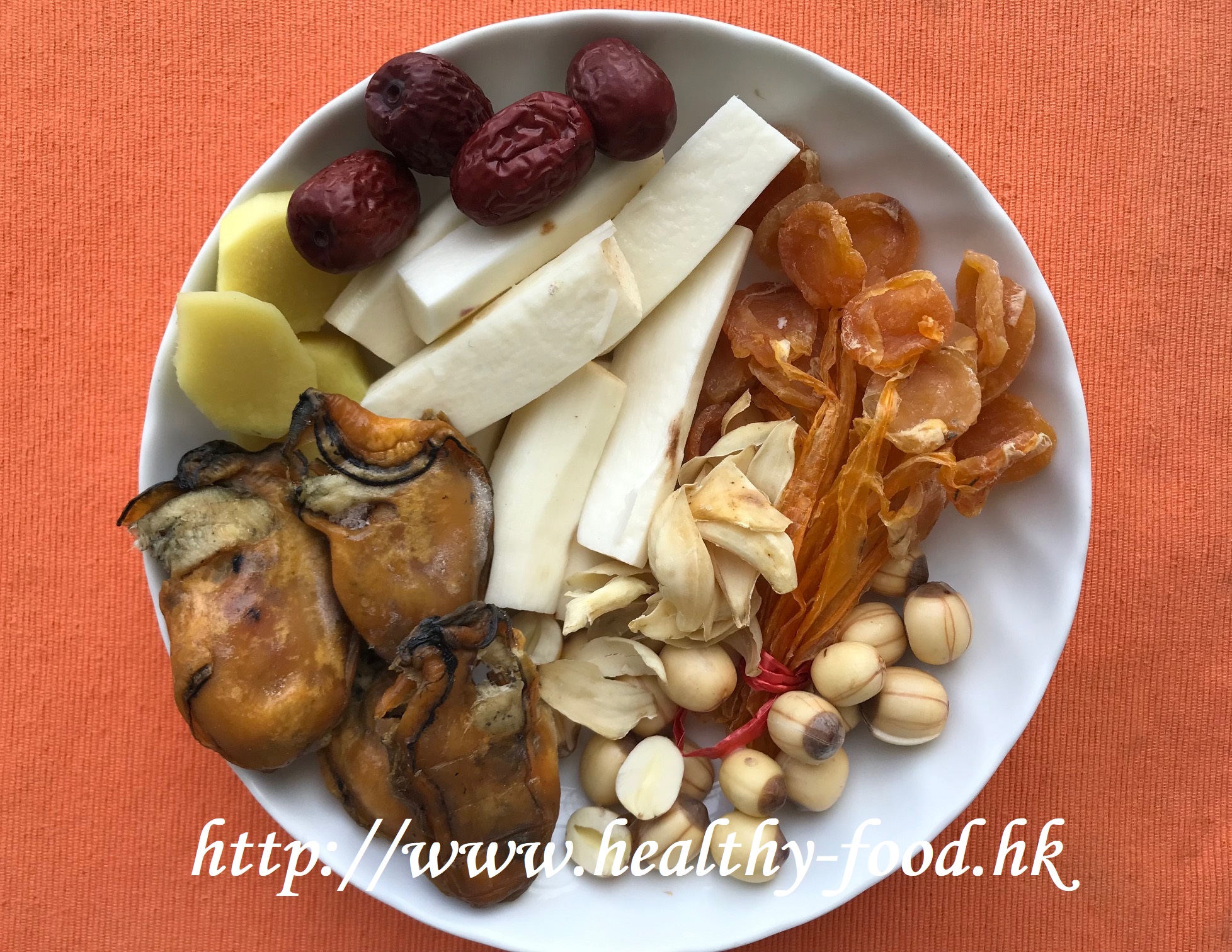
Polygonatum, Lotus Seed, Lily Bulb and Red Date Drink
Traditionally taken to nourish yin and qi-blood, support the skin and promote calm
In short: Polygonatum, Lotus Seed, Lily Bulb and Red Date Drink is a tonic drinks & water that Traditionally taken to nourish yin and qi-blood, support the skin and promote calm. It is most often made for cooling & summer heat, women's wellness, skin & natural beauty. Total time about 40 min. Key ingredients: lotus seeds, lily bulb, red dates.
Why people make this drink
Common symptoms around menopause include hot flushes, night sweats, palpitations, insomnia, osteoporosis, declining memory and mood changes. Nourilo suggests paying attention to physical and emotional wellbeing as menopause approaches, with a balanced diet, regular exercise and good sleep as part of maintaining overall health. This polygonatum, lotus seed, lily bulb and red date drink is traditionally used to nourish the spleen, stomach and other organs and support qi and blood. Polygonatum is also traditionally associated with nourishing lung and stomach yin, supporting the skin and promoting calm.
Method
- Soak and rinse all the ingredients. Pit the red dates.
- Put everything in a pot with 5–6 bowls of water.
- Cook for 40 minutes, reducing to 2–3 bowls.
- Serve the liquid together with the cooked ingredients.
Nourilo’s Tips
This drink is fragrant and pleasant-tasting, and Nourilo says it can be enjoyed by young and old. In traditional food therapy, it is often turned to for lung and stomach dryness and heat, especially when accompanied by a dry throat, thirst or restless sleep.
What studies say about the key ingredients
Traditional use is not the same as clinical proof. Here is the strongest human research we found for each ingredient, limitations included.
- Lotus seeds
Lotus seed meals had a low glycemic index (GI 21–51 across the lotus seed and adzuki bean meals), while several other starchy foods did not differ significantly from rice. Lotus seed's in vitro hydrolysis index was also lower than that of other test foods.Limitation: Only ten healthy participants and acute single-meal tests, so findings may not apply to people with diabetes or to long-term intake.PubMed 30875961 - Red dates
Jujube was associated with significantly lower BMI and triglycerides, and lower fasting blood sugar in people with type 2 diabetes. LDL and total cholesterol fell only in some subgroups. HDL, AST and ALT did not change significantly.Limitation: The authors state the overall quality of the evidence is limited, and results varied significantly by dose, treatment duration and disease type.PubMed 40399274 · 3 more red dates studies
From the Nourilo Research Library. Findings come from specific doses, extracts and populations and may not apply to a home-cooked recipe.
Safety first — read before you cook
This is a traditional food, not a treatment. Please check with your doctor or pharmacist before making it a regular part of your diet if you:
- are pregnant or breastfeeding, or are cooking for a young child;
- take regular medicines — especially blood thinners, blood-pressure, diabetes or immune-suppressing drugs;
- have a kidney, liver or heart condition, or a known food allergy.
Stop eating it and seek advice if you notice an allergic reaction or feel unwell. Safety notes reviewed 8 October 2026 · How we write safety notes
Comments
Join the conversation — sign in or create a free account to comment.
Continue with GoogleBy continuing with Google or email you confirm you are 16 or older and agree to our Terms of Use and Privacy Policy.
Loading comments…