Herbal & Flower Teas
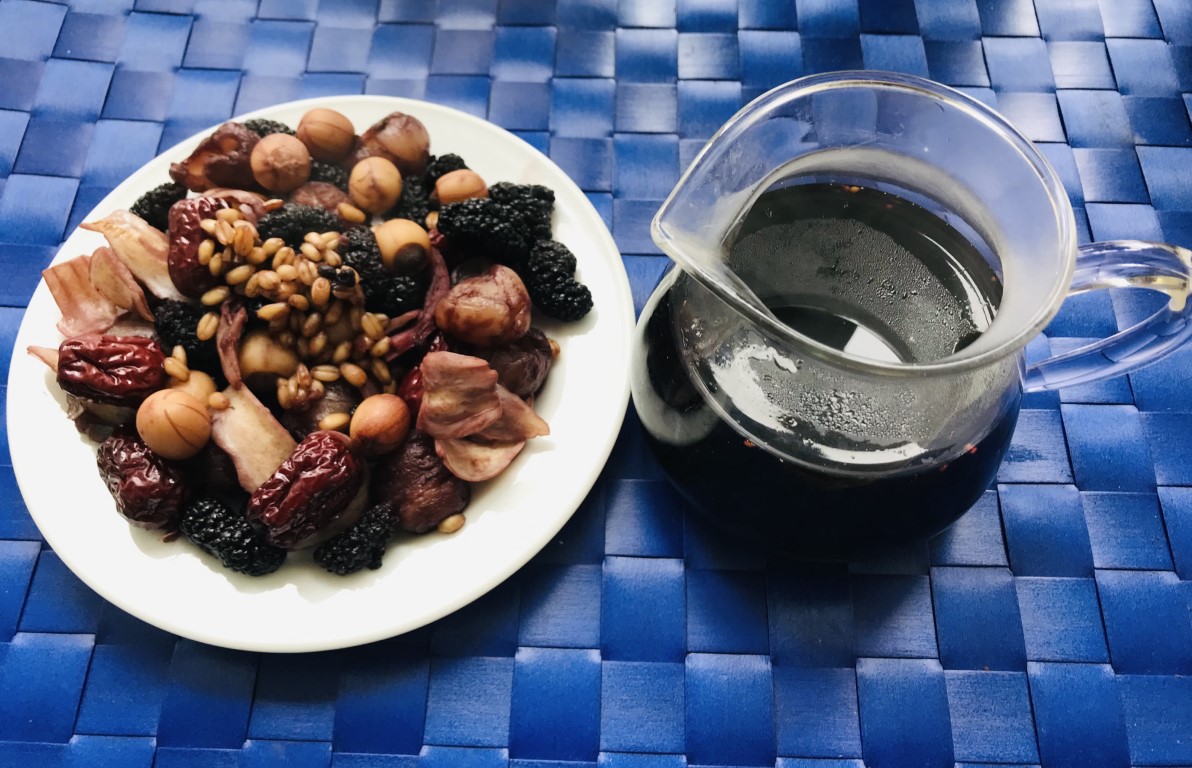
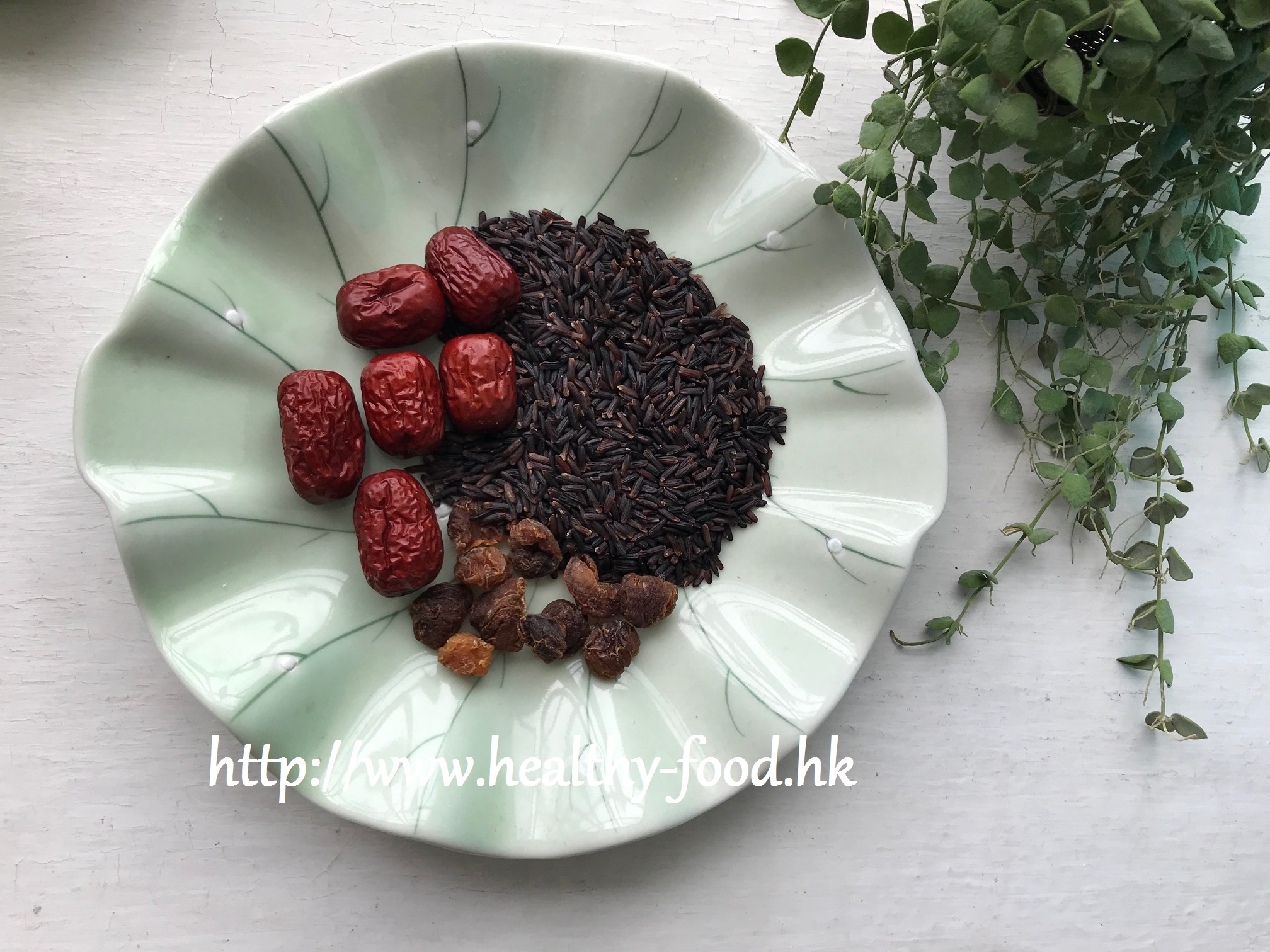
Longan, Lotus Seed, Lily Bulb, Black Mulberry and Wheat Berry Tea
Traditionally associated with supporting blood nourishment, calming the mind, and easing insomnia and fatigue
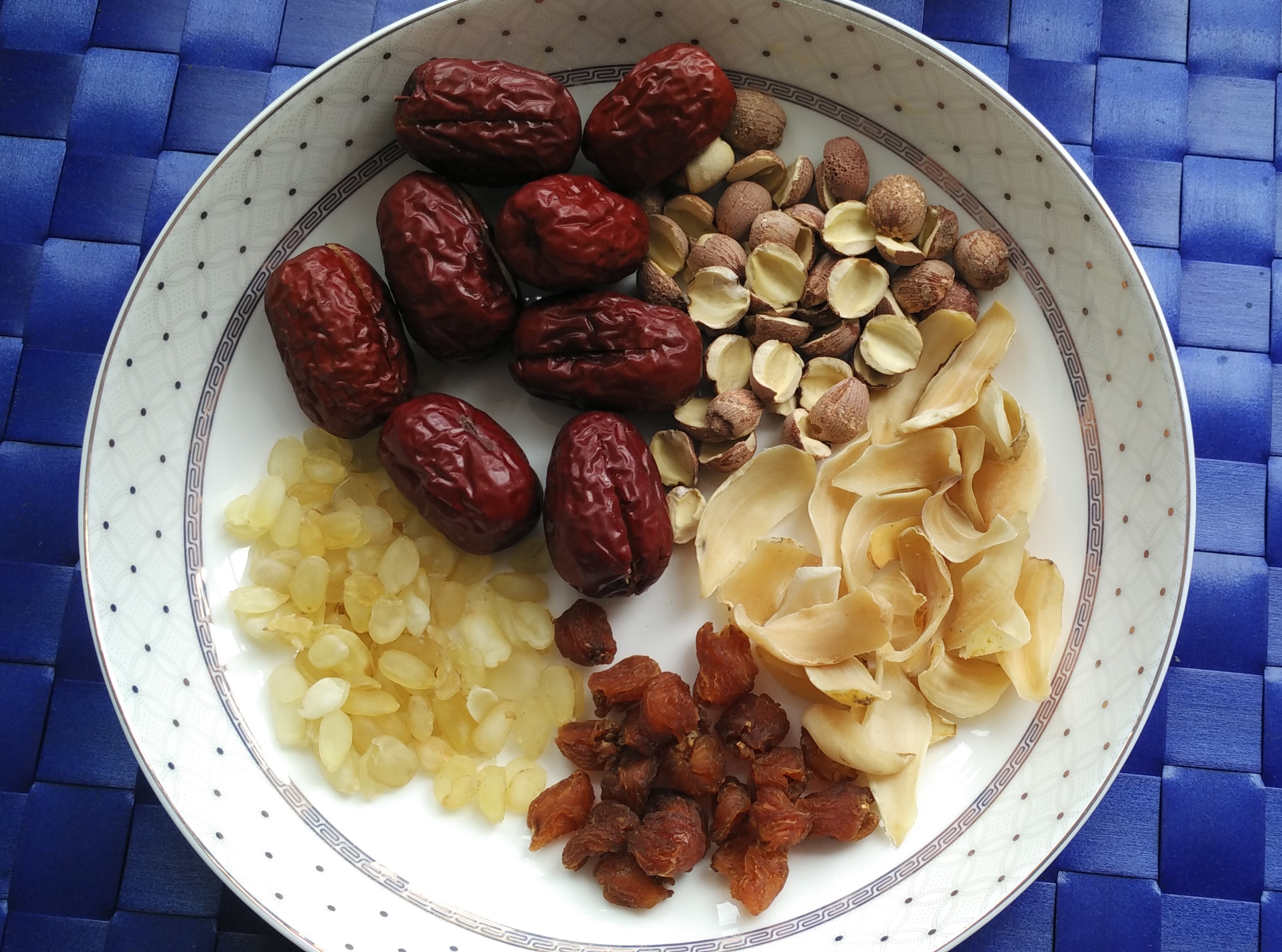
In short: Longan, Lotus Seed, Lily Bulb, Black Mulberry and Wheat Berry Tea is a herbal & flower tea that Traditionally associated with supporting blood nourishment, calming the mind, and easing insomnia and fatigue. It is most often made for women's wellness, sleep & calm, energy & vitality. Total time about 1 hr 10 min. Key ingredients: longan flesh, lotus seeds, lily bulb, black mulberries.
Why people make this tea
Anaemia and blood deficiency are surprisingly common, especially among women. Heavy periods are a frequent cause, but crash dieting, restrictive eating, or simply not eating enough iron-rich food can also play a role. The signs can be subtle but telling: a pale or sallow complexion, hair that has lost its lustre and sheds easily, dry skin, brittle nails, breathlessness on exertion, and a general tiredness that doesn’t go away with sleep. During periods, there may be dizziness, headaches, or palpitations. This warming, gently sweet tea addresses these concerns with a group of ingredients that Cantonese food therapy has long used for blood nourishment and calming the nervous system. It is not a replacement for medical treatment of iron-deficiency anaemia, but as a regular wellness tea it is both pleasant and supportive. It is also useful for those with general nervous weakness, forgetfulness, or anxiety.
Method
- Rinse and soak lotus seeds, lily bulb, and wheat berries separately.
- Rinse the longan flesh, mulberries, and red dates.
- Combine all ingredients in a pot with 2.1–2.4 L of water.
- Bring to a boil, then reduce heat and simmer for 1 hour until reduced to about 1.2 L.
- Add a small amount of brown sugar, stir to dissolve.
- Serve warm; eat the soup and all the solids together.
Nourilo’s Tips
This tea has a pleasantly sweet, almost dessert-like quality, making it popular with adults and children alike. It can also be served as a light sweet soup. For nervous weakness or forgetfulness, it is particularly helpful. Note for pregnant women: replace longan flesh with 5 southern dates (nan zao), which provide similar nourishment without the warming, stimulating properties of longan that are best avoided in pregnancy.
What studies say about the key ingredients
Traditional use is not the same as clinical proof. Here is the strongest human research we found for each ingredient, limitations included.
- Lotus seeds
Lotus seed meals had a low glycemic index (GI 21–51 across the lotus seed and adzuki bean meals), while several other starchy foods did not differ significantly from rice. Lotus seed's in vitro hydrolysis index was also lower than that of other test foods.Limitation: Only ten healthy participants and acute single-meal tests, so findings may not apply to people with diabetes or to long-term intake.PubMed 30875961 - Mulberries
Post-prandial self-monitored glucose was lower than placebo (18.2%), but A1C did not differ between mulberry leaf extract and placebo. Serum creatinine rose about 15% in the extract group.Limitation: Small pilot: only 17 of 24 enrolled participants completed the study, limiting statistical power.PubMed 28619294 · 3 more mulberries studies - Red dates
Jujube was associated with significantly lower BMI and triglycerides, and lower fasting blood sugar in people with type 2 diabetes. LDL and total cholesterol fell only in some subgroups. HDL, AST and ALT did not change significantly.Limitation: The authors state the overall quality of the evidence is limited, and results varied significantly by dose, treatment duration and disease type.PubMed 40399274 · 3 more red dates studies
From the Nourilo Research Library. Findings come from specific doses, extracts and populations and may not apply to a home-cooked recipe.
Safety first — read before you cook
This is a traditional food, not a treatment. Please check with your doctor or pharmacist before making it a regular part of your diet if you:
- are pregnant or breastfeeding, or are cooking for a young child;
- take regular medicines — especially blood thinners, blood-pressure, diabetes or immune-suppressing drugs;
- have a kidney, liver or heart condition, or a known food allergy.
Stop eating it and seek advice if you notice an allergic reaction or feel unwell. Safety notes reviewed 8 October 2026 · How we write safety notes
Comments
Join the conversation — sign in or create a free account to comment.
Continue with GoogleBy continuing with Google or email you confirm you are 16 or older and agree to our Terms of Use and Privacy Policy.
Loading comments…