Soups
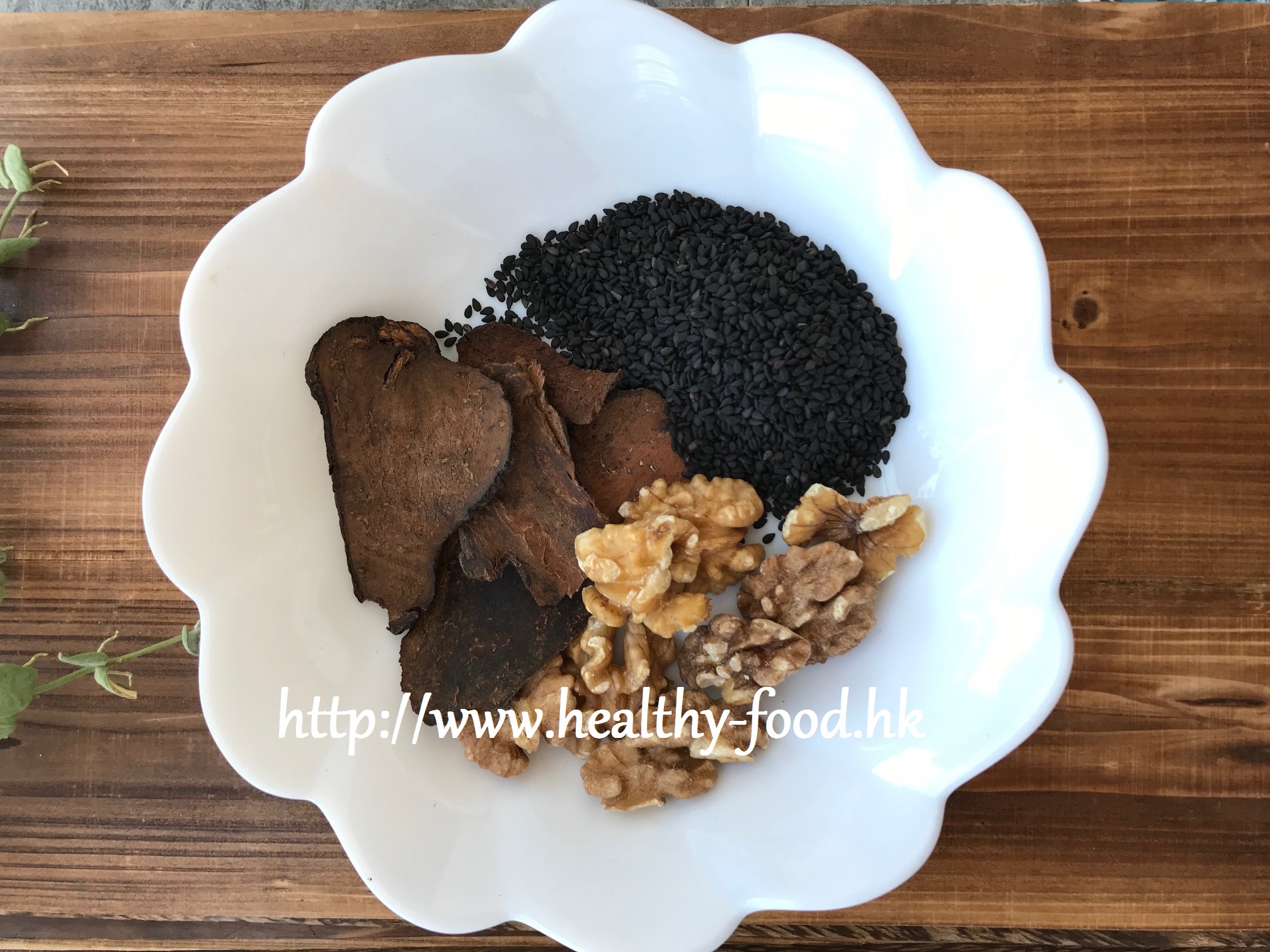
Gastrodia, Polygonatum and Walnut Soup
traditionally associated with calming liver wind, nourishing blood, and supporting relief from migraines and dizziness
In short: Gastrodia, Polygonatum and Walnut Soup is a soup that traditionally associated with calming liver wind, nourishing blood, and supporting relief from migraines and dizziness. It is most often made for liver wellness, sleep & calm, blood nourishment. Total time about 75 min. Key ingredients: walnuts, red dates, lean pork.

Why people make this soup
Migraines are genuinely disabling. When a bad episode strikes, some people cannot get out of bed — the pain is relentless, and there can be visual disturbances like flashing lights on one side. Pain medication offers temporary relief, but many people look for something that might help reduce how often the attacks come. In traditional Cantonese food therapy, this type of migraine is often associated with “liver wind” — a pattern where insufficient nourishment to the liver leads to internal stirring that rises up to disturb the head. This soup was designed to address that root pattern: gastrodia calms liver wind and stops head pain; polygonatum and walnuts provide deep nourishment to support the brain and blood over time. The result is a savoury, mildly sweet soup that is pleasant to drink and gentle enough to take regularly.
Method
- Blanch the lean pork briefly in boiling water, then drain and discard the blanching water. This removes impurities and keeps the broth clean.
- Rinse and briefly soak the gastrodia, polygonatum, walnuts, and red dates.
- Place all ingredients in a pot with 1.5 L of water.
- Bring to a boil, then reduce to a gentle simmer and cook for 1 hour, until the liquid has reduced to approximately 600 ml.
- Drink warm, dividing the 2 bowls over the course of the day.
Nourilo’s Tips
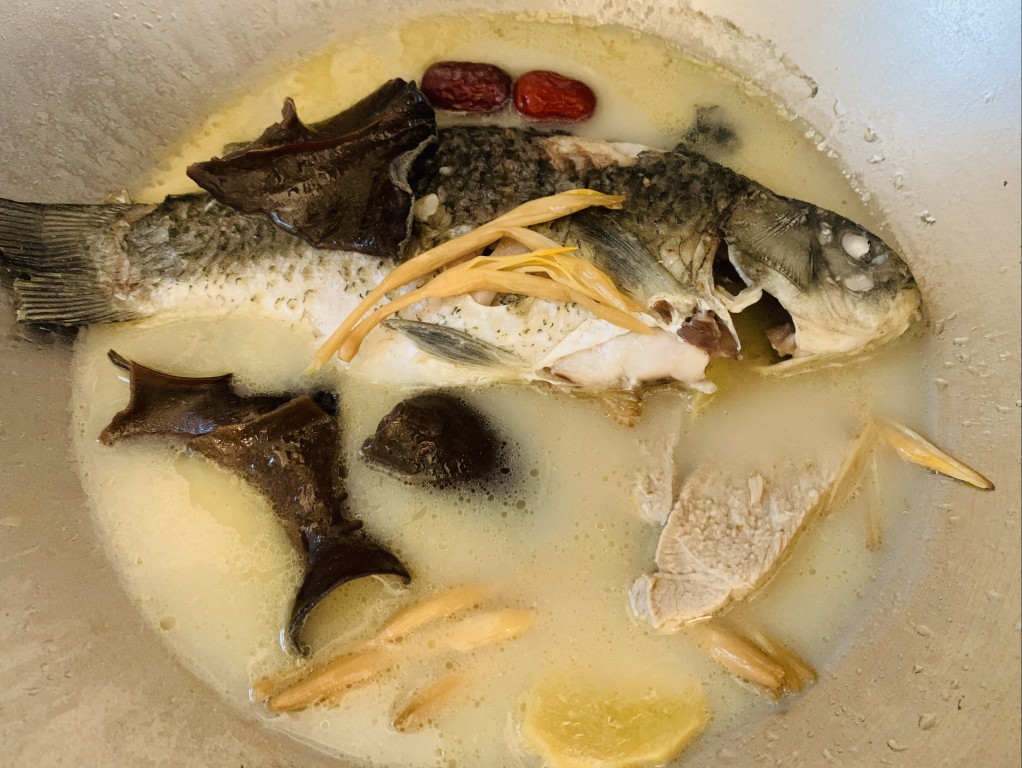
Adding a large fish head to the pot alongside or instead of the pork makes a noticeable difference to the therapeutic effect — this is Nourilo’s preferred version for those with more frequent or severe migraines. This soup is well-suited to long-term intermittent use: the recommended pattern is 2–3 servings per week, taken as a course. Once symptoms improve significantly, you can stop. Do not take it every single day — giving the body rest days between servings is better practice with herbal-based soups. For a larger batch serving 5–7 people, increase to 3 L of water and cook for 1 hour; add extra lean pork to give the broth more body and flavour.
What studies say about the key ingredients
Traditional use is not the same as clinical proof. Here is the strongest human research we found for each ingredient, limitations included.
- Walnuts
Office systolic BP changed by -4.61 mm Hg with walnuts versus -0.59 mm Hg in controls (P=0.051); 24-hour ambulatory systolic BP difference was not significant (P=0.111). No diastolic BP changes were observed.Limitation: Only 236 of 305 participants (75%) completed the study, and the main between-group differences did not reach conventional significance.PubMed 30879358 · 2 more walnuts studies - Red dates
Jujube was associated with significantly lower BMI and triglycerides, and lower fasting blood sugar in people with type 2 diabetes. LDL and total cholesterol fell only in some subgroups. HDL, AST and ALT did not change significantly.Limitation: The authors state the overall quality of the evidence is limited, and results varied significantly by dose, treatment duration and disease type.PubMed 40399274 · 3 more red dates studies
From the Nourilo Research Library. Findings come from specific doses, extracts and populations and may not apply to a home-cooked recipe.
Safety first — read before you cook
This is a traditional food, not a treatment. Please check with your doctor or pharmacist before making it a regular part of your diet if you:
- are pregnant or breastfeeding, or are cooking for a young child;
- take regular medicines — especially blood thinners, blood-pressure, diabetes or immune-suppressing drugs;
- have a kidney, liver or heart condition, or a known food allergy.
Stop eating it and seek advice if you notice an allergic reaction or feel unwell. Safety notes reviewed 8 October 2026 · How we write safety notes

Comments
Join the conversation — sign in or create a free account to comment.
Continue with GoogleBy continuing with Google or email you confirm you are 16 or older and agree to our Terms of Use and Privacy Policy.
Loading comments…