Soups
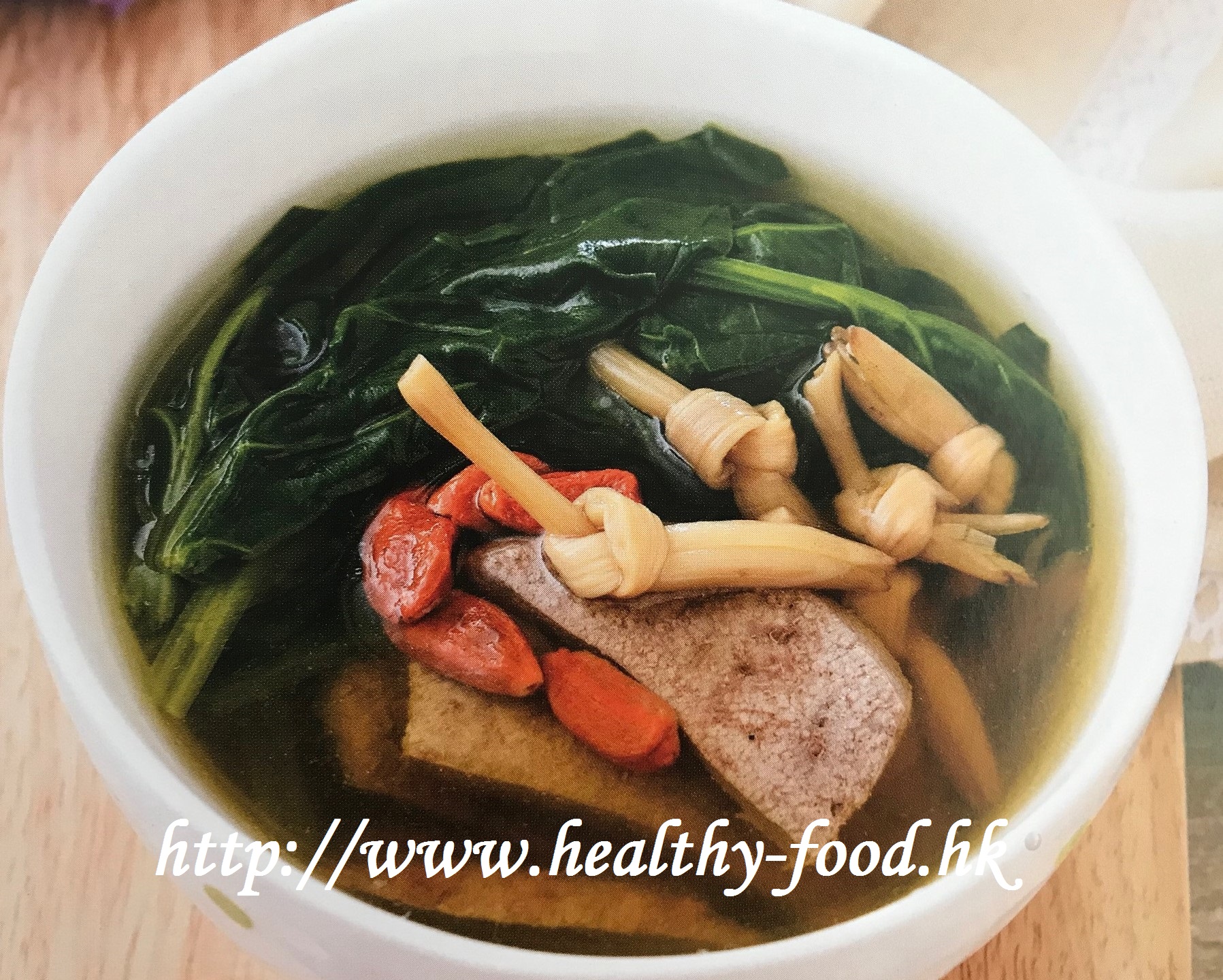
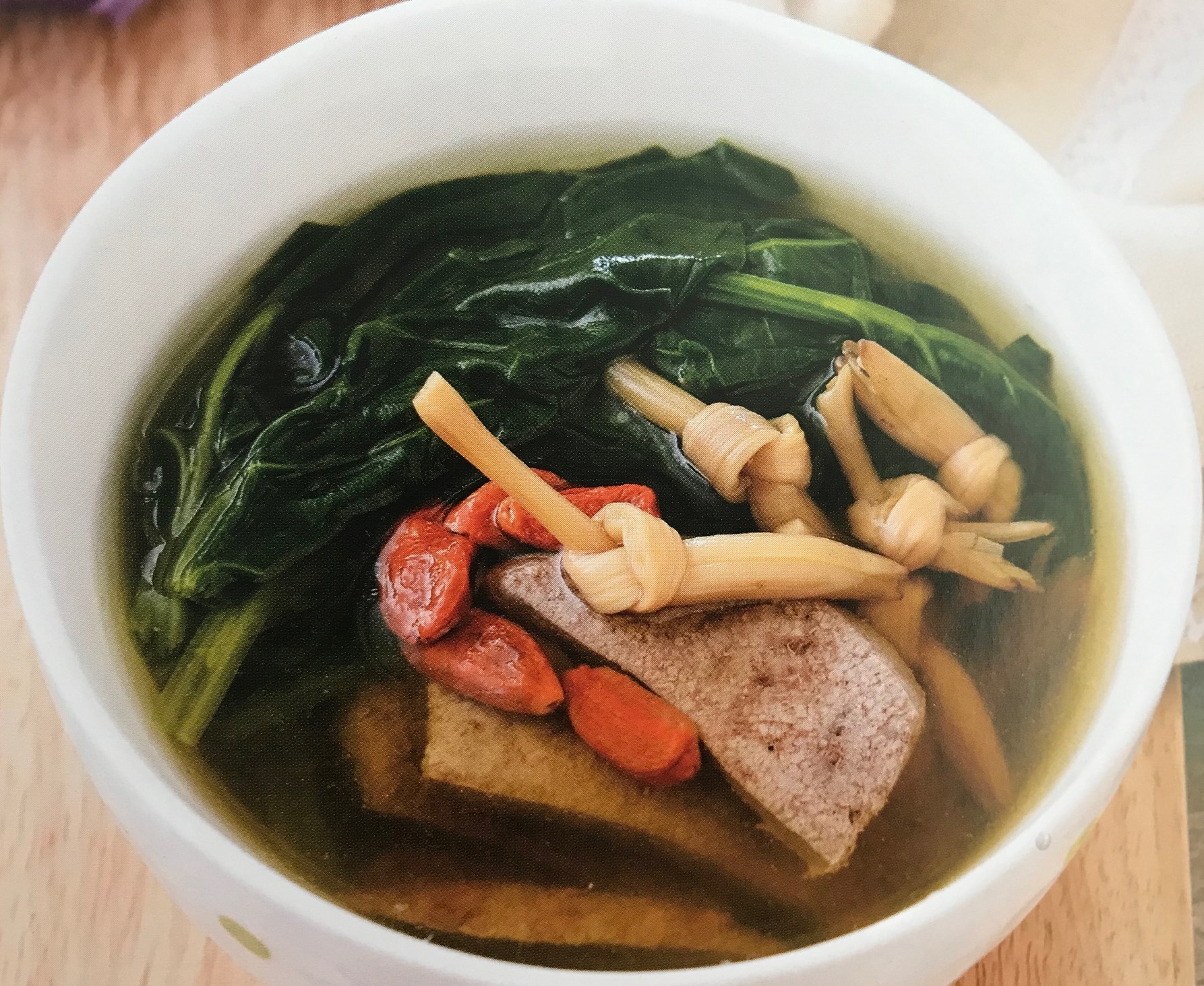
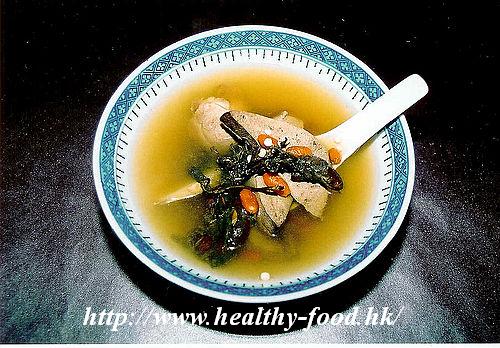
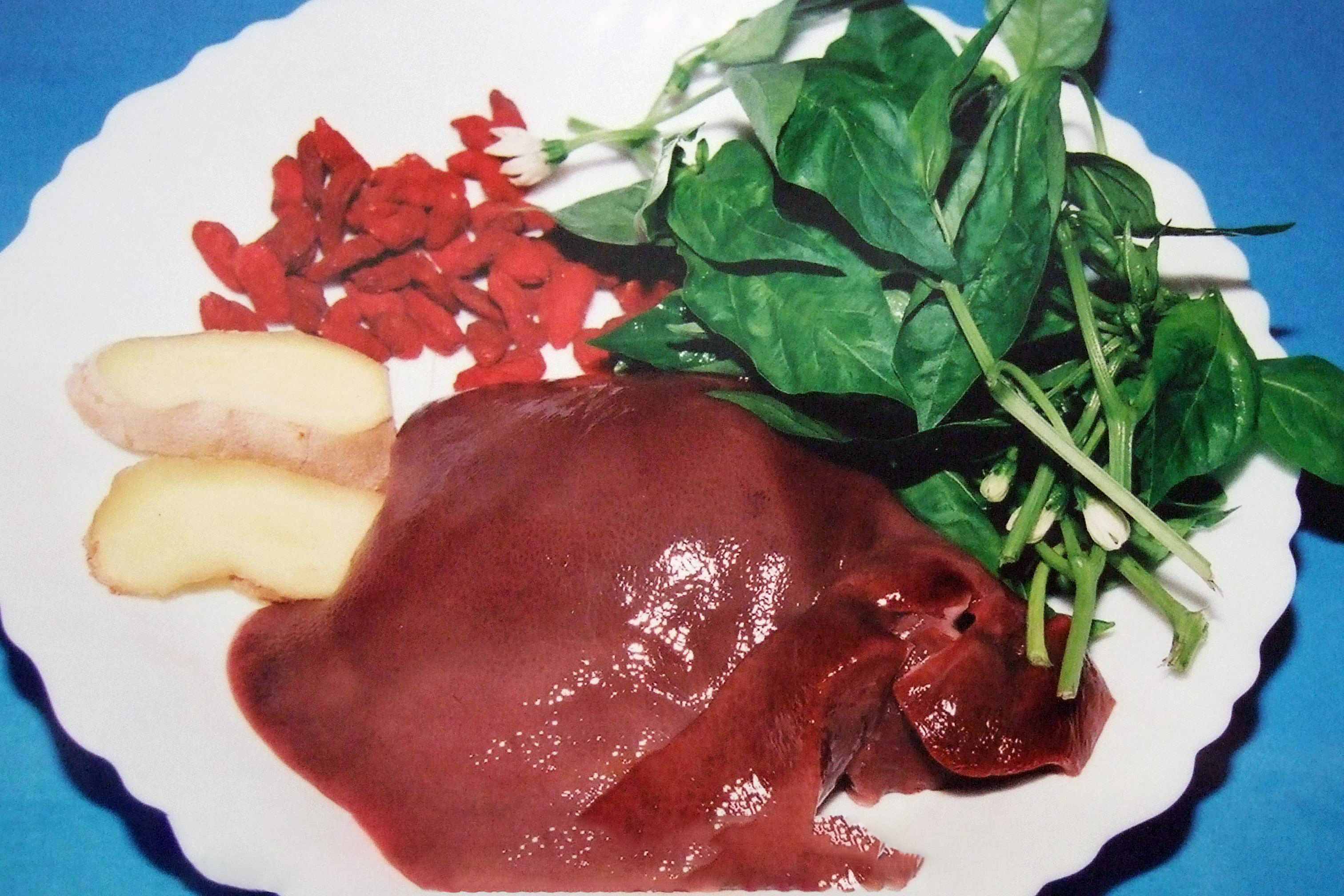
Daylily, Goji Berry, Spinach and Pork Liver Soup
Traditionally associated with calming the spirit, supporting liver health and nourishing blood
In short: Daylily, Goji Berry, Spinach and Pork Liver Soup is a soup that Traditionally associated with calming the spirit, supporting liver health and nourishing blood. It is most often made for liver wellness, sleep & calm, blood nourishment. Total time about 45 min. Key ingredients: daylily buds, goji berries, pork liver.
Why people make this soup
Daylily buds — also called huang hua cai (yellow flower vegetable), wang you cao (forget-worries herb) or xuan cai — have been eaten in Chinese cuisine for centuries and are enjoyed as much for their mild, savoury flavour as for their traditional health associations. In Chinese food therapy, daylily is considered to calm the mind, support brain function and help reduce the emotional heat that comes from a busy, overstimulated liver. This is particularly relevant for people who tend to stay up late, work under pressure, are prone to mood swings, or are going through the hormonal fluctuations of menopause — all conditions where traditional medicine points to the liver as a key organ to support.
Combined with goji berries (traditionally nourishing to the liver and kidneys), spinach (iron-rich, blood-supporting) and pork liver (a classical blood-building ingredient in Chinese cooking), this soup is light, clear-tasting and broadly nourishing — suitable for children who tend to be irritable, and for adults managing stress or anaemia.
Method
- Soak the dried daylily buds until soft; rinse well and tie each bud into a loose knot (this helps with texture and prevents them from dispersing in the soup). Soak and rinse the goji berries.
- Remove the roots from the spinach and wash thoroughly. Slice the pork liver, then briefly blanch the slices in boiling water to remove impurities; drain.
- Bring 1.8 L of water to a boil. Add the daylily buds and goji berries and simmer for 20 minutes.
- Add the spinach and blanched pork liver; continue to cook for a further 10 minutes.
- Serve the soup and solid ingredients together.
Nourilo’s Tips
This is a soup the whole family can enjoy — its mellow, slightly savoury taste works well for both children and adults. For children who tend to have a hot, irritable temperament and throw frequent tantrums, regular servings of this soup are traditionally thought to be helpful. Adding a very small amount of cooking oil when serving can help with the absorption of fat-soluble vitamin A from the pork liver. The soup tastes light and clean — not at all heavy or liver-scented when the liver is properly blanched beforehand.
What studies say about the key ingredients
Traditional use is not the same as clinical proof. Here is the strongest human research we found for each ingredient, limitations included.
- Goji berries
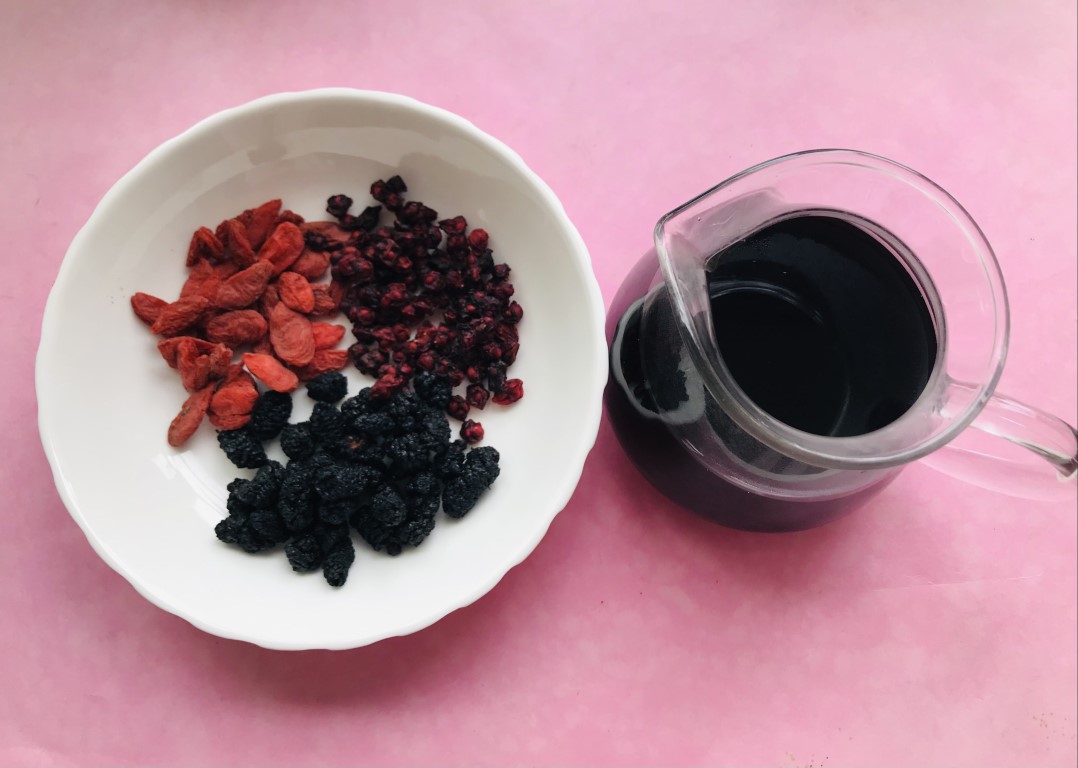
Compared with placebo (n=80), the goji juice group (n=81) reported greater improvements in several self-rated symptoms, including stress, mental acuity, sleep quality and overall well-being, under a random effects model.Limitation: Outcomes were self-reported symptom questionnaires, and several symptoms showed significant heterogeneity across the four pooled trials of a single branded juice.PubMed 22897500 · 3 more goji berries studies
From the Nourilo Research Library. Findings come from specific doses, extracts and populations and may not apply to a home-cooked recipe.
Safety first — read before you cook
This is a traditional food, not a treatment. Please check with your doctor or pharmacist before making it a regular part of your diet if you:
- are pregnant or breastfeeding, or are cooking for a young child;
- take regular medicines — especially blood thinners, blood-pressure, diabetes or immune-suppressing drugs;
- have a kidney, liver or heart condition, or a known food allergy.
Ingredient notes for this recipe
- Goji berries: A few cases of raised INR (a bleeding-risk marker) have been reported in people taking warfarin after drinking concentrated goji tea or wine. If you take a blood thinner, check with your doctor. Source: Memorial Sloan Kettering — Lycium
- Liver: Liver is very high in vitamin A, which can harm an unborn baby. Avoid this dish during pregnancy. Source: NHS — Foods to avoid in pregnancy
Stop eating it and seek advice if you notice an allergic reaction or feel unwell. Safety notes reviewed 8 October 2026 · How we write safety notes
Comments
Join the conversation — sign in or create a free account to comment.
Continue with GoogleBy continuing with Google or email you confirm you are 16 or older and agree to our Terms of Use and Privacy Policy.
Loading comments…