Soups
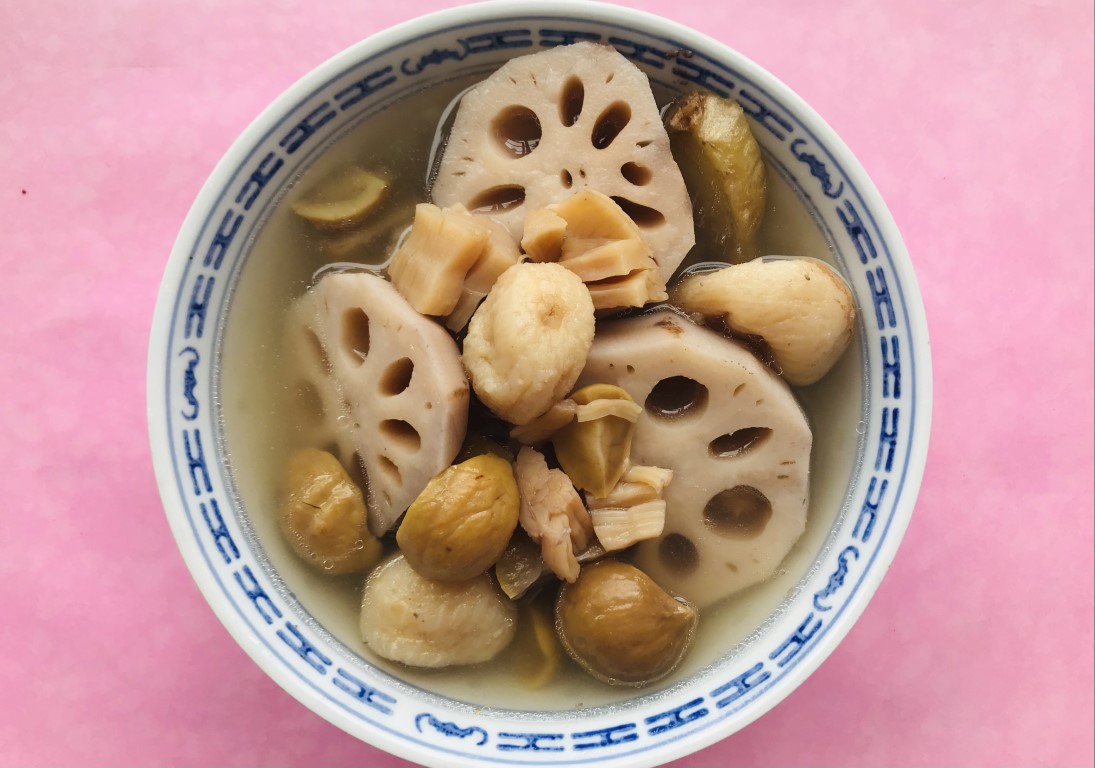
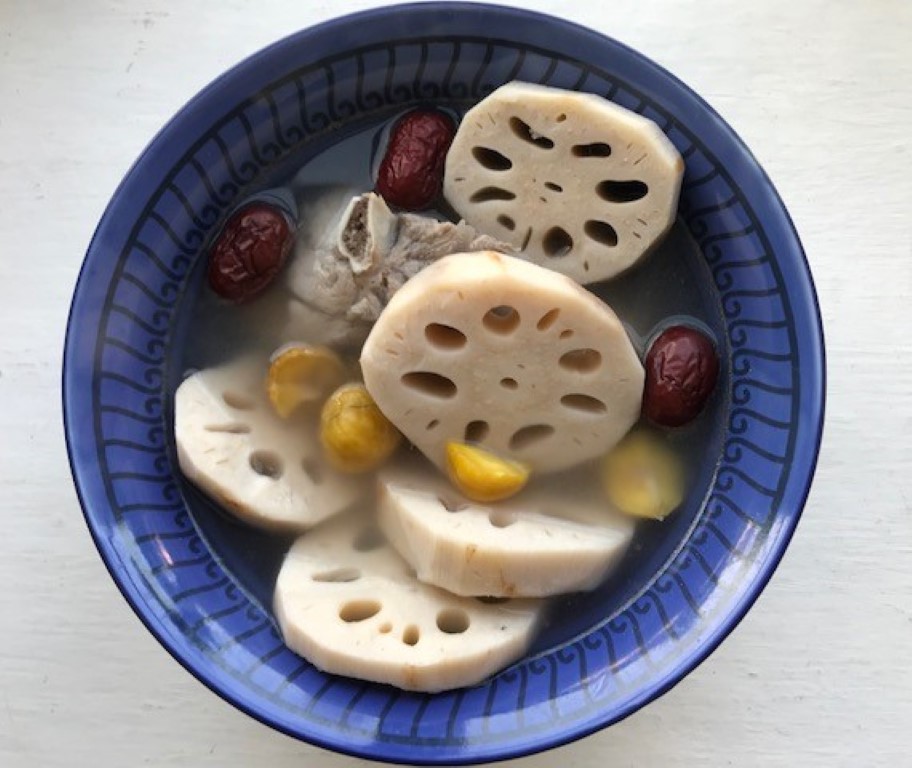
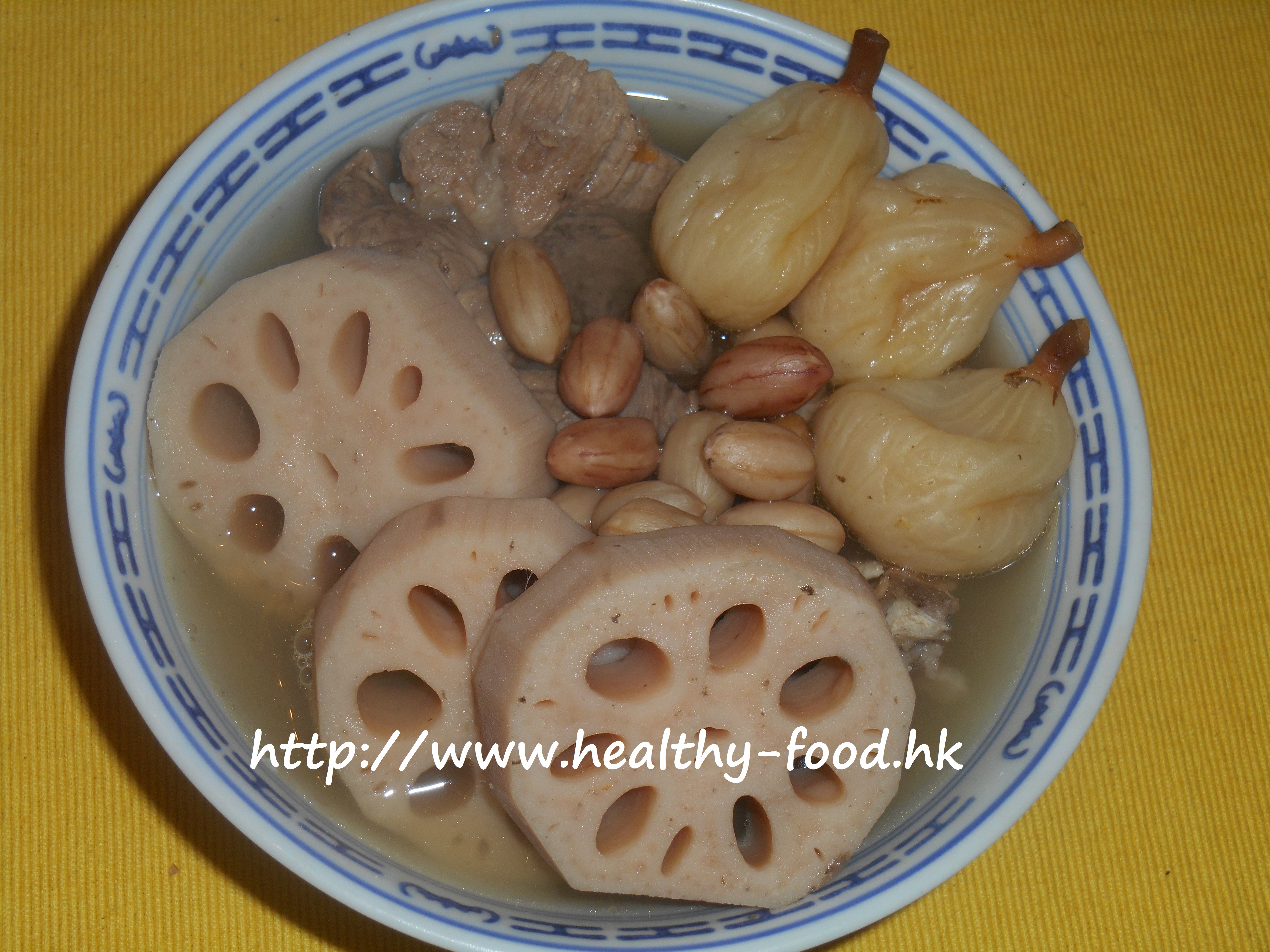
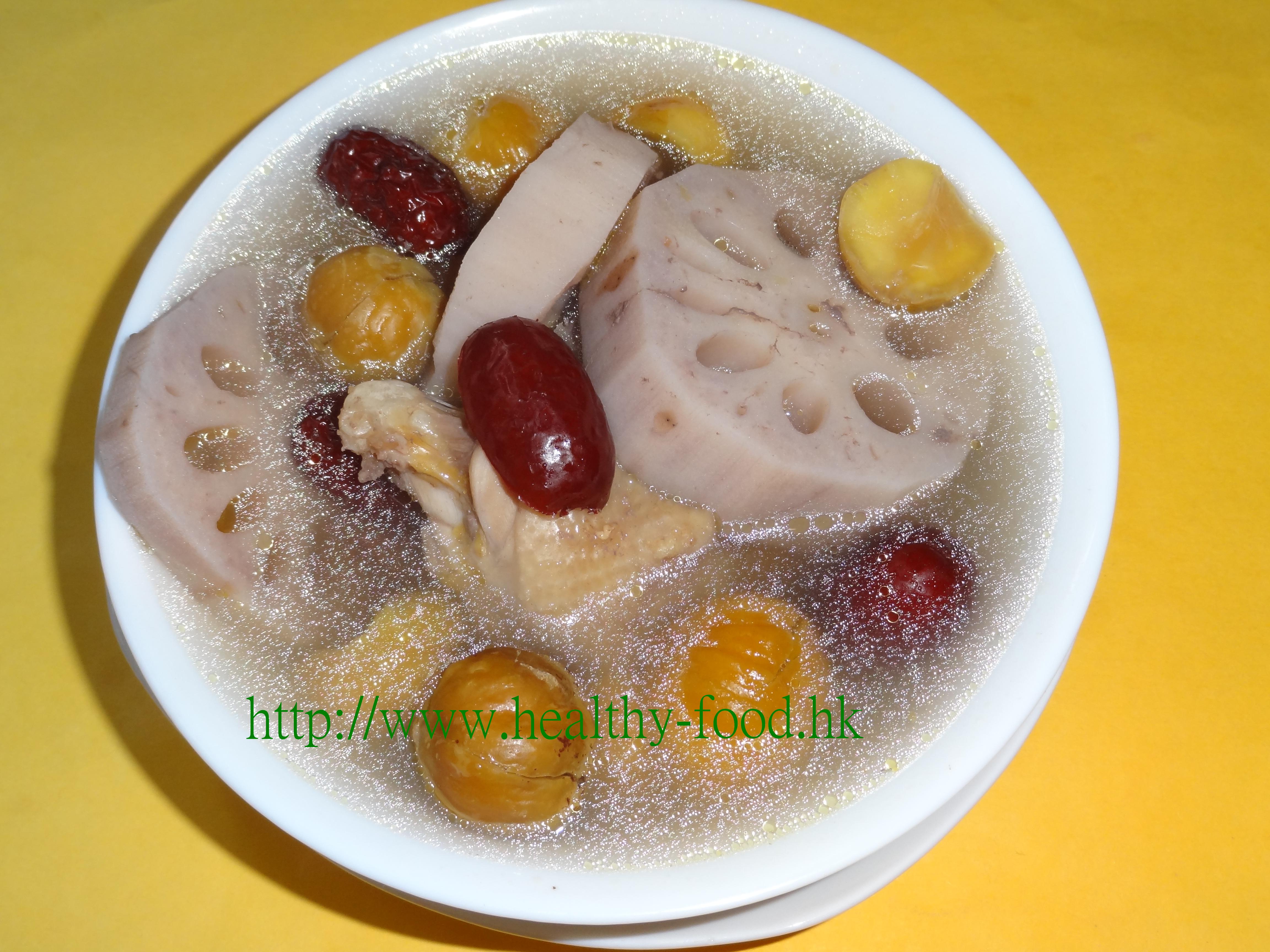
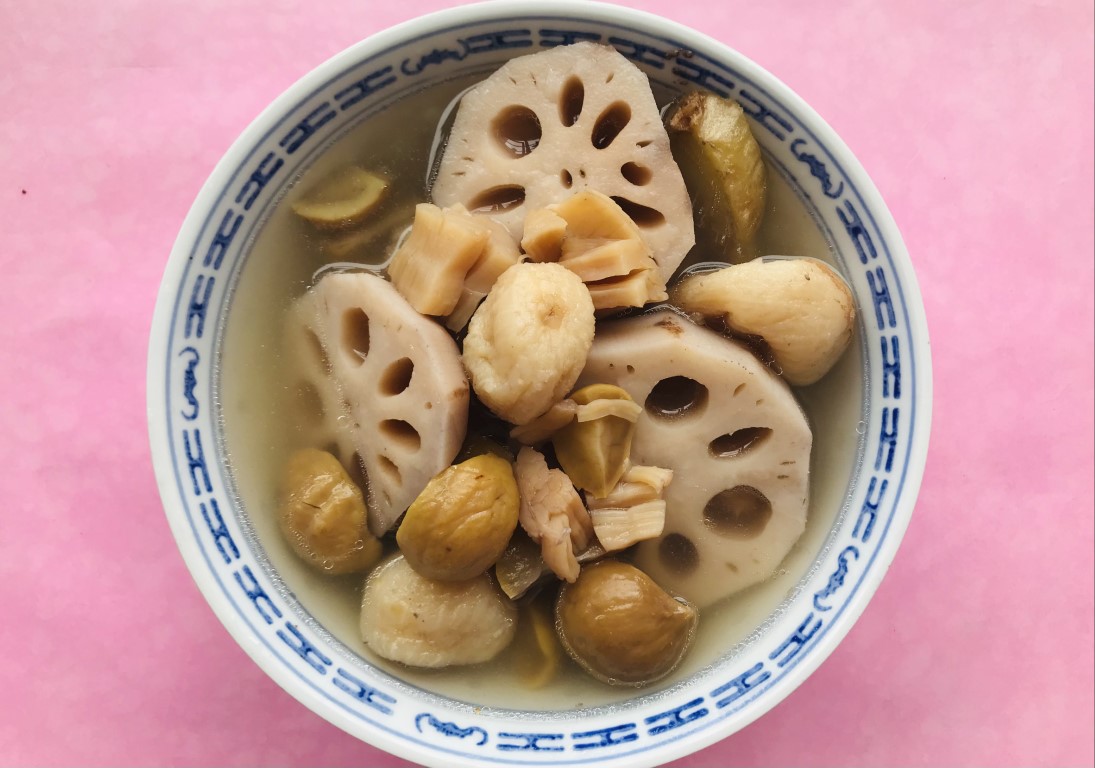
Lotus Root, Chestnut, Fig & Pork Rib Soup
traditionally used to nourish blood, strengthen bones and tendons, support spleen function, and promote healthy circulation
In short: Lotus Root, Chestnut, Fig & Pork Rib Soup is a soup that traditionally used to nourish blood, strengthen bones and tendons, support spleen function, and promote healthy circulation. It is most often made for digestive wellness, women's wellness, children's wellness. Total time about 140 min. Key ingredients: lotus root, chestnuts, figs, dried scallops.
Why people make this soup
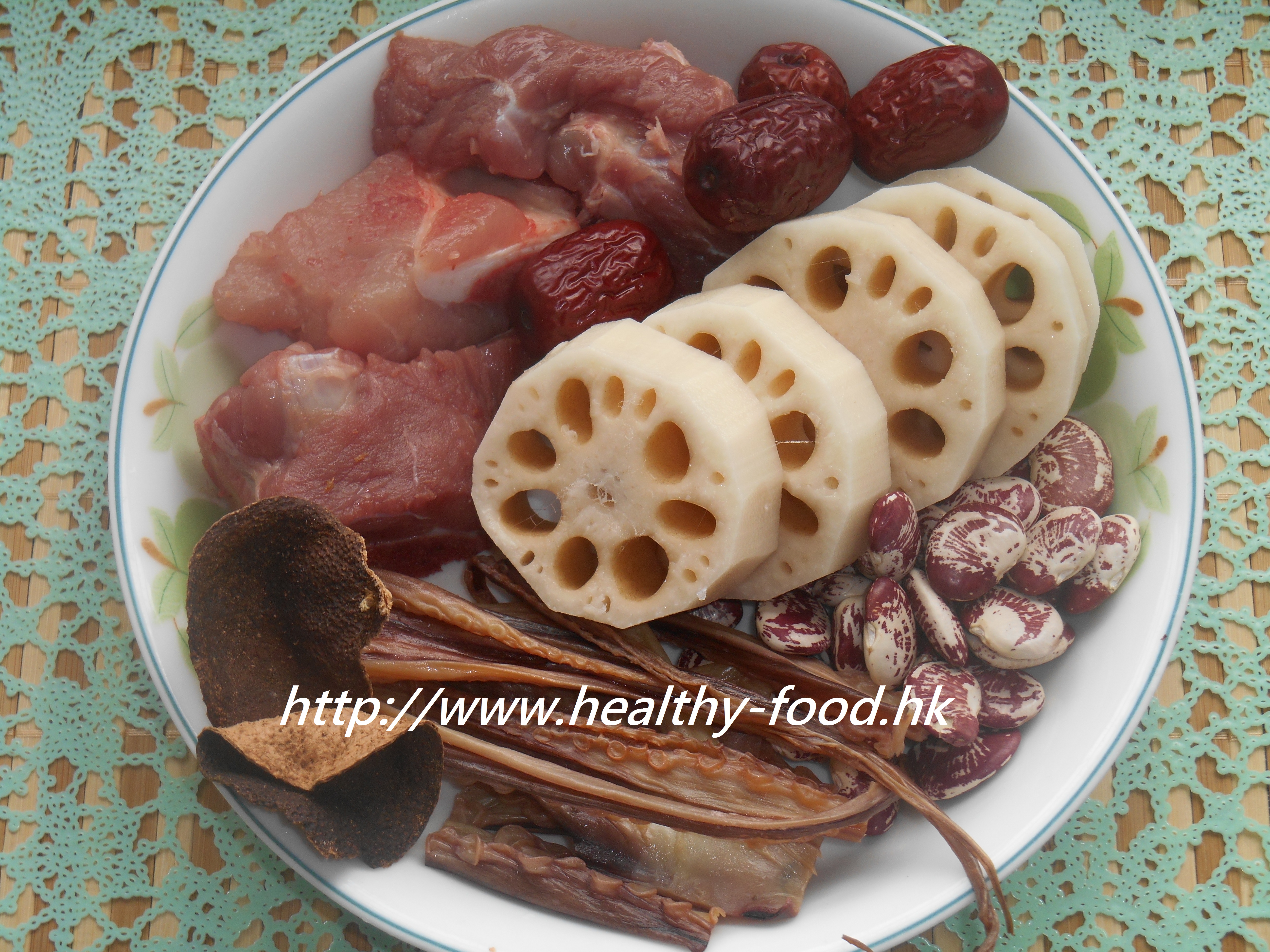
Lotus root is one of those ingredients that deserves far more attention outside of Asian cuisines. Beyond its crunchy texture in stir-fries, cooked low and slow in a soup, lotus root becomes tender and starchy, releasing a mild sweetness into the broth while contributing iron, vitamin C, and a range of B vitamins. In Cantonese food therapy it has long been prized for nourishing blood, calming the spirit, and supporting the spleen. Nourilo pairs it here with chestnuts — which are rich in calcium, phosphorus, iron, potassium, and folate — to create a soup with real structural support for bone density. The dried figs add calcium and natural sweetness, while the dried scallops give the broth an umami depth that makes this soup genuinely delicious even on its own.
Method
- Peel the lotus root and cut into chunks.
- To peel chestnuts: drop them into boiling water briefly, then rub off the outer skin while still warm.
- Soak the dried scallops in water until softened. Halve the dried figs.
- Blanch the pork ribs in boiling water; drain and rinse.
- Combine all ingredients in a pot with 2.7 L of water. Bring to a boil, then reduce heat and simmer for 2 hours until the liquid reduces to about 1.2 L.
- Serve with the solid ingredients.
Nourilo’s Tips
This soup has a naturally sweet, clean flavour that works for the whole family. It is a good regular soup for children in growing years, for pregnant women who want to support bone development in their baby, and for older adults looking to maintain joint and bone health. If you prefer a vegetarian version, cashews or other nuts work very well as a meat substitute.
What studies say about the key ingredients
Traditional use is not the same as clinical proof. Here is the strongest human research we found for each ingredient, limitations included.
- Ginger
Overall, acute and delayed nausea and vomiting did not differ significantly between ginger and control groups. A subgroup taking 1 g/day or less for over four days had less acute vomiting (OR 0.30).Limitation: Clinical heterogeneity between trials required subgroup analyses, and the authors state that sufficiently large, high-quality RCTs are still needed.PubMed 36501010 · 3 more ginger studies
From the Nourilo Research Library. Findings come from specific doses, extracts and populations and may not apply to a home-cooked recipe.
Safety first — read before you cook
This is a traditional food, not a treatment. Please check with your doctor or pharmacist before making it a regular part of your diet if you:
- are pregnant or breastfeeding, or are cooking for a young child;
- take regular medicines — especially blood thinners, blood-pressure, diabetes or immune-suppressing drugs;
- have a kidney, liver or heart condition, or a known food allergy.
Stop eating it and seek advice if you notice an allergic reaction or feel unwell. Safety notes reviewed 8 October 2026 · How we write safety notes
Comments
Join the conversation — sign in or create a free account to comment.
Continue with GoogleBy continuing with Google or email you confirm you are 16 or older and agree to our Terms of Use and Privacy Policy.
Loading comments…