Soups
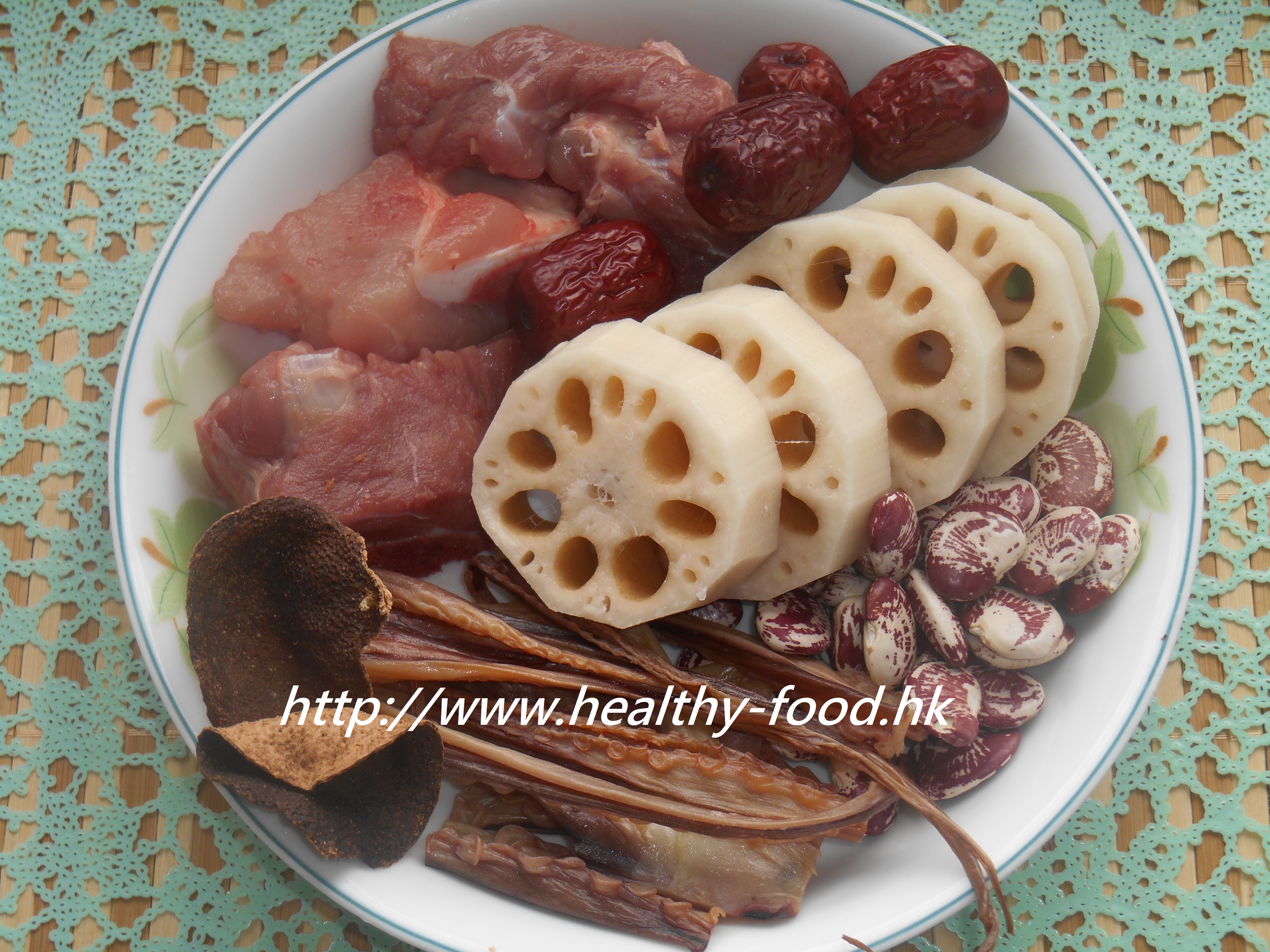
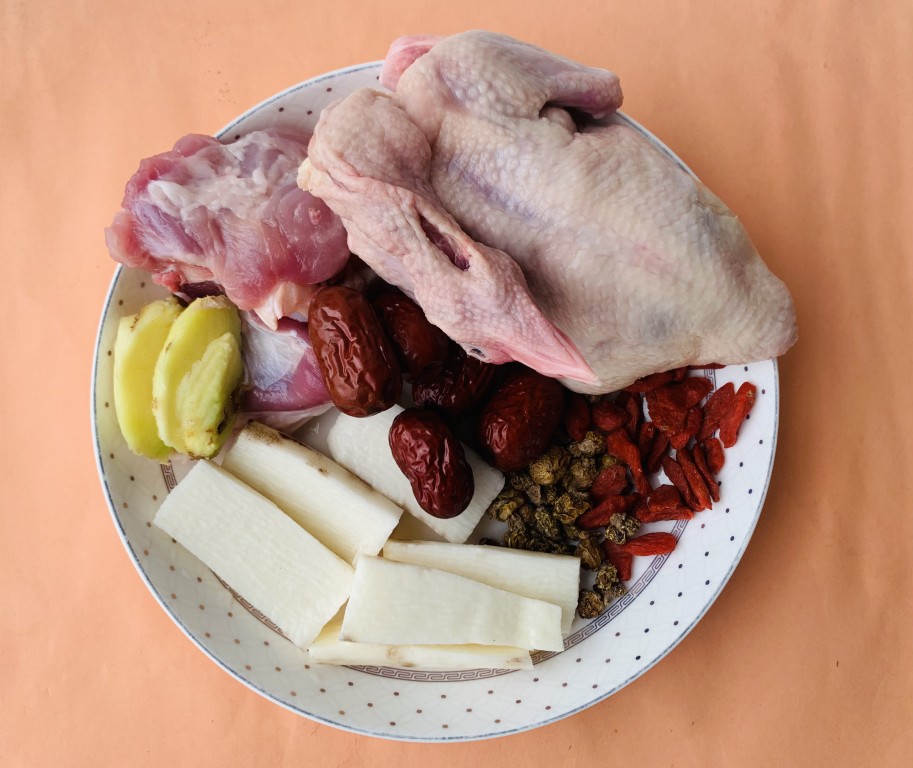
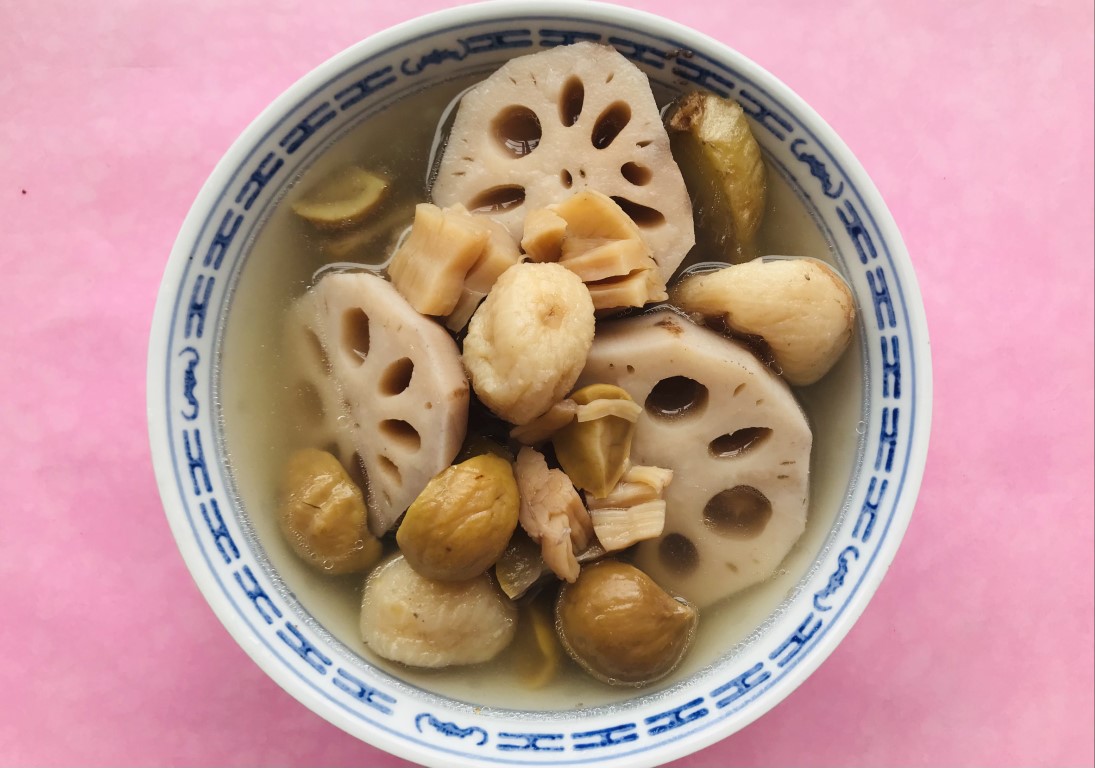
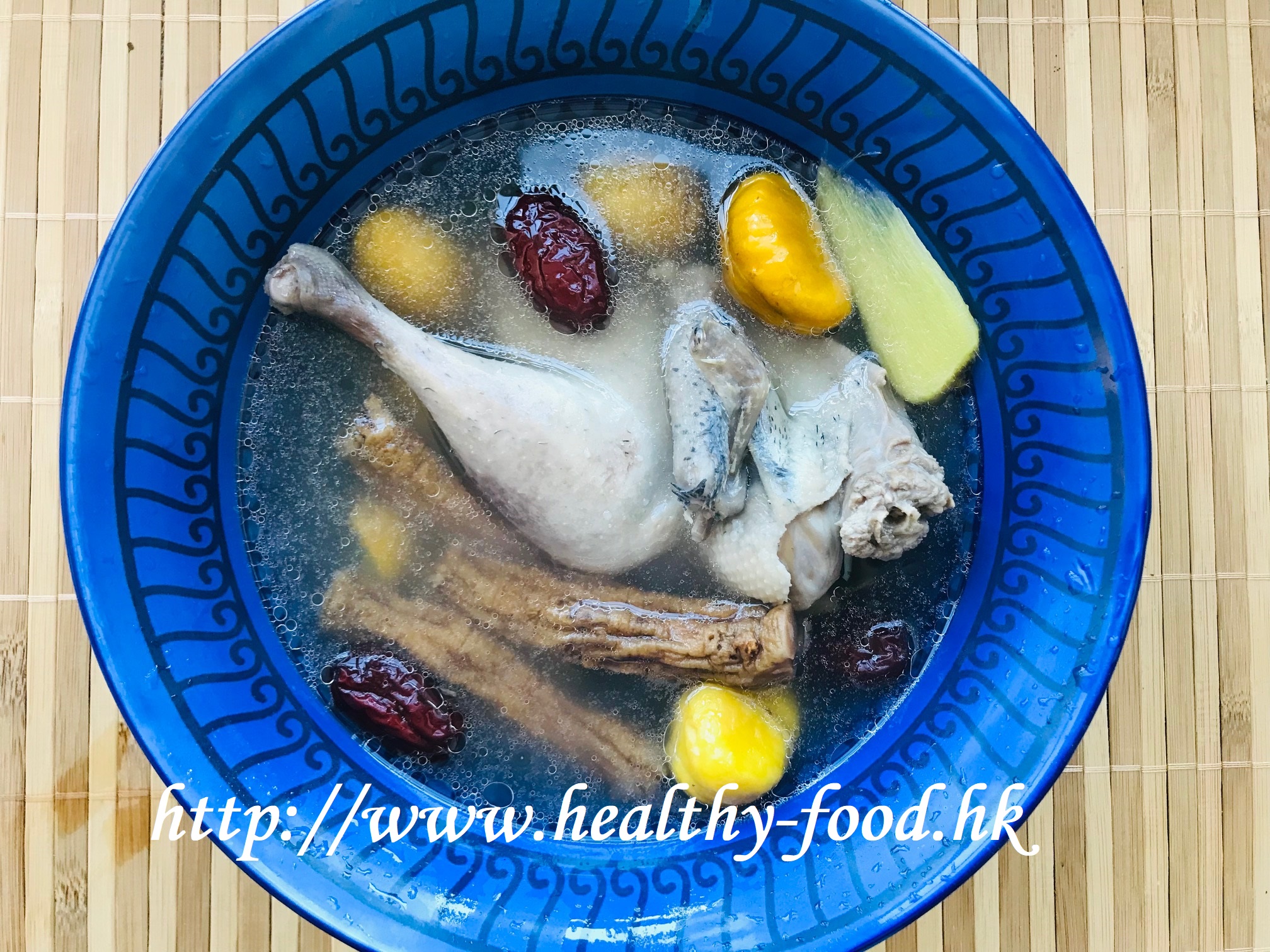
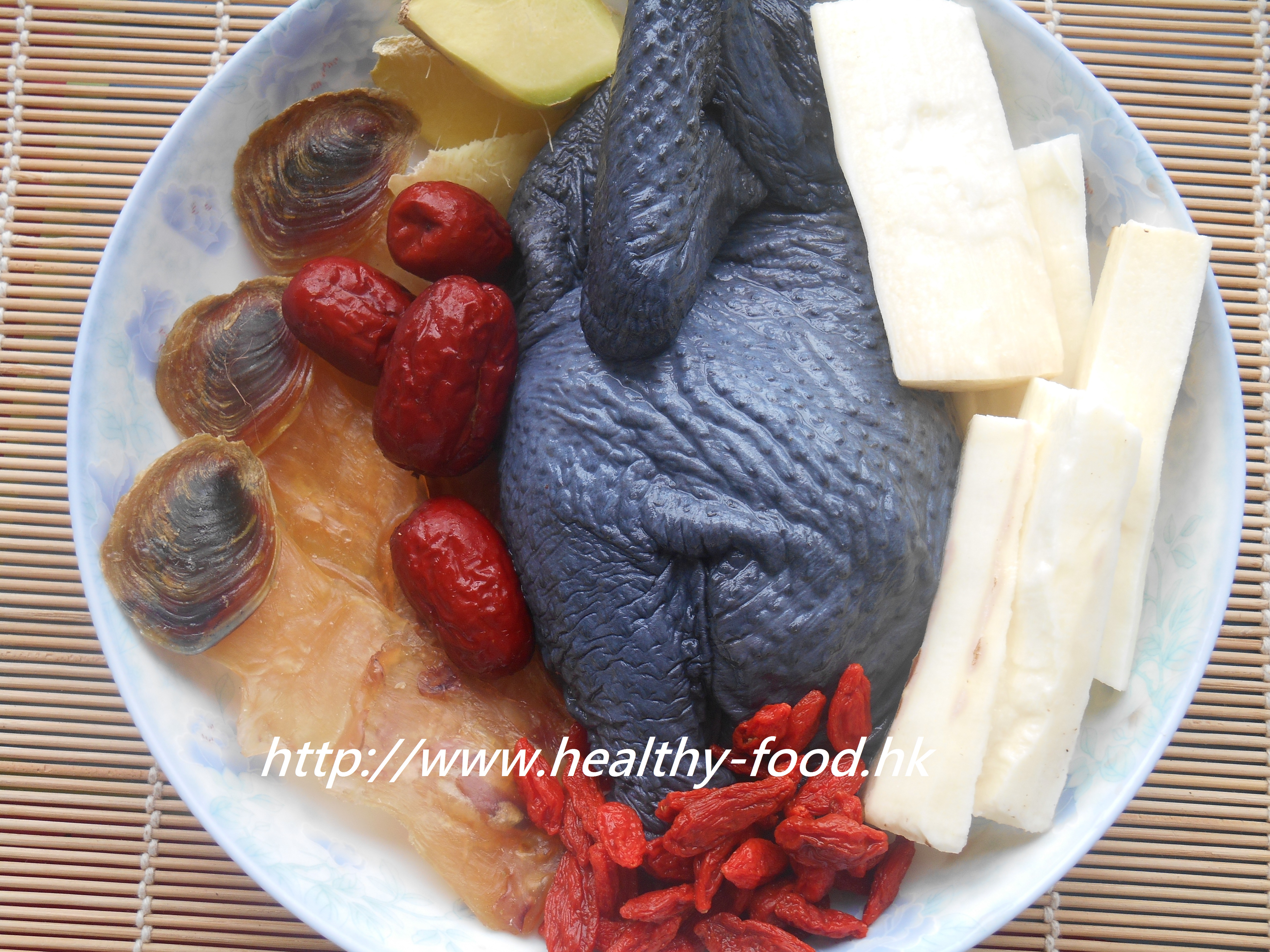
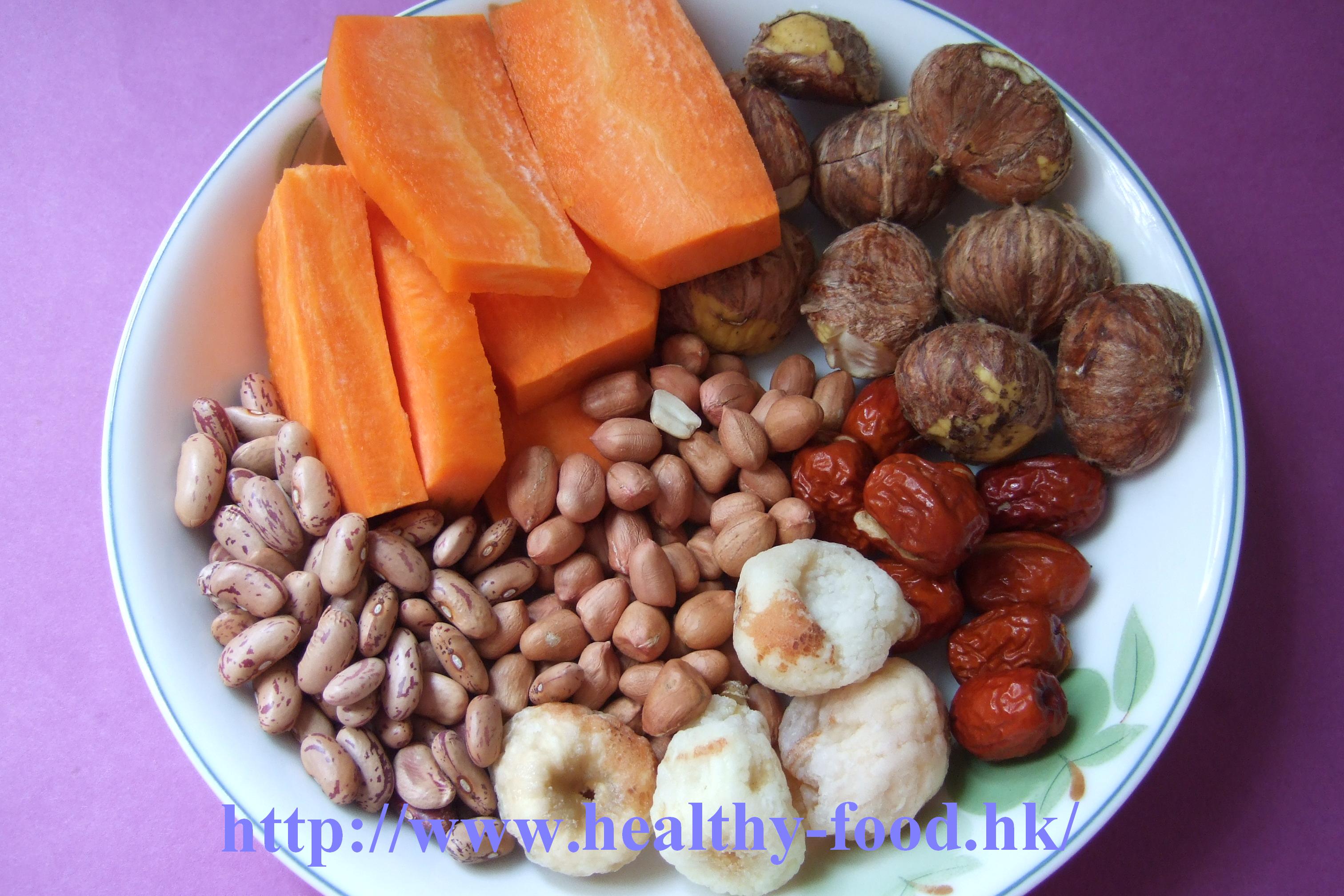
Lotus Root, Runner Bean, Dried Octopus, and Pork Bone Soup
traditionally associated with nourishing blood, supporting the spleen and kidney, and building overall vitality
In short: Lotus Root, Runner Bean, Dried Octopus, and Pork Bone Soup is a soup that traditionally associated with nourishing blood, supporting the spleen and kidney, and building overall vitality. It is most often made for digestive wellness, women's wellness, children's wellness. Total time about 140 min. Key ingredients: lotus root, octopus, tangerine peel, red dates.
Why people make this soup
Someone asked Nourilo: is there any point in drinking nourishing soups in summer, when the heat makes you sweat so much anyway? His answer: it depends. Rich tonics like ginseng and deer antler are best left for winter. But everyday soups that support the spleen and blood — the kind that keep you going rather than overstimulate — are absolutely fine year-round, including in summer. This soup is exactly that kind of recipe: warmly nourishing without being heavy, deeply flavoured from the dried octopus and lotus root, and balanced by the gentle sweetness of red dates and tangerine peel. It is a soup the whole family can enjoy, and one that is particularly well-regarded for postpartum mothers looking to support milk production and blood recovery.
Method
- Soak runner beans in cold water for at least 1–2 hours until softened.
- Soak dried octopus in warm water until plump and softened; drain.
- Soak tangerine peel briefly; pit the red dates.
- Peel lotus root, wash, and cut into chunks.
- Blanch pork neck bones in boiling water briefly; discard blanching water.
- Combine all ingredients in a clay pot (preferred) or a regular pot. Add 3 L of water.
- Bring to a boil, then reduce heat and simmer for 2 hours.
- Serve the soup together with the solid ingredients — eating the lotus root, beans, and pork is part of the nourishing benefit.
Nourilo’s Tips
- Use a clay pot (wa bo) when possible — lotus root causes iron and stainless steel cookware to darken the soup noticeably. The soup is still fine to eat, just less visually appealing.
- This soup is particularly well-suited for postpartum mothers wanting to support milk production and rebuild blood.
- Dried octopus is classified as a “fa wu” (a food that may aggravate pre-existing skin conditions). If you have active eczema or psoriasis, substitute dried scallop (yao zhu) or dried mussel (dan cai) — both will still give a deeply flavourful broth.
- If no octopus is available at all, substitute with dried scallop or dried mussel to keep the umami character of the soup.
What studies say about the key ingredients
Traditional use is not the same as clinical proof. Here is the strongest human research we found for each ingredient, limitations included.
- Tangerine peel
The tangerine peel drink group showed significant reductions in body weight and triglycerides after the intervention compared with the control group (p < 0.05). Safety markers showed no adverse effects. Gut microbiota and serum metabolite profiles also differed.Limitation: Small pilot trial with only 55 of 72 participants completing. The fermented product is not the same as plain tangerine peel, and the control group is not described.PubMed 40225325 - Red dates
Jujube was associated with significantly lower BMI and triglycerides, and lower fasting blood sugar in people with type 2 diabetes. LDL and total cholesterol fell only in some subgroups. HDL, AST and ALT did not change significantly.Limitation: The authors state the overall quality of the evidence is limited, and results varied significantly by dose, treatment duration and disease type.PubMed 40399274 · 3 more red dates studies
From the Nourilo Research Library. Findings come from specific doses, extracts and populations and may not apply to a home-cooked recipe.
Safety first — read before you cook
This is a traditional food, not a treatment. Please check with your doctor or pharmacist before making it a regular part of your diet if you:
- are pregnant or breastfeeding, or are cooking for a young child;
- take regular medicines — especially blood thinners, blood-pressure, diabetes or immune-suppressing drugs;
- have a kidney, liver or heart condition, or a known food allergy.
Stop eating it and seek advice if you notice an allergic reaction or feel unwell. Safety notes reviewed 8 October 2026 · How we write safety notes
Comments
Join the conversation — sign in or create a free account to comment.
Continue with GoogleBy continuing with Google or email you confirm you are 16 or older and agree to our Terms of Use and Privacy Policy.
Loading comments…