Soups
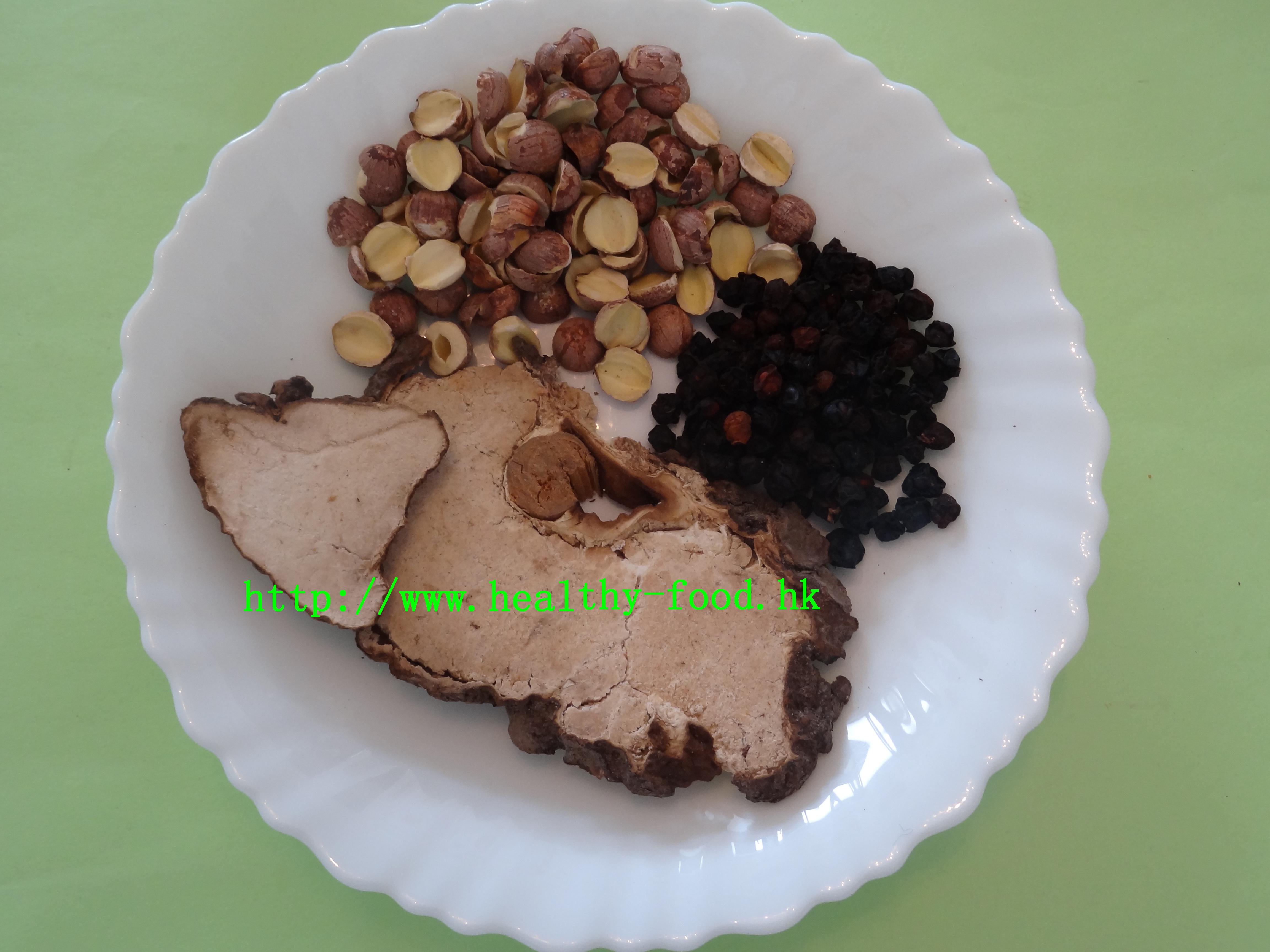
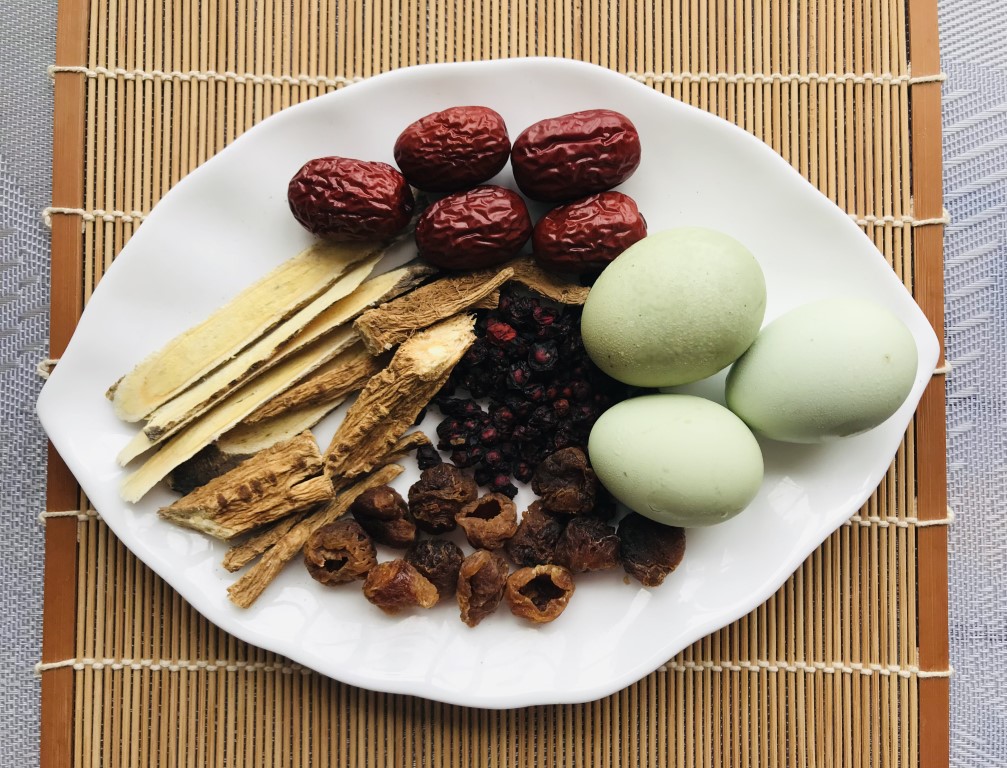
Lotus Seed, Poria and Schisandra Berry Soup (Lian Zi Fu Shen Wu Wei Zi Tang)
traditionally used to calm the mind, support liver enzyme balance, and ease fatigue and insomnia in those managing fatty liver
In short: Lotus Seed, Poria and Schisandra Berry Soup (Lian Zi Fu Shen Wu Wei Zi Tang) is a soup that traditionally used to calm the mind, support liver enzyme balance, and ease fatigue and insomnia in those managing fatty liver. It is most often made for liver wellness, sleep & calm, energy & vitality. Total time about 70 min. Key ingredients: lotus seeds, schisandra berries, lean pork.
Why people make this soup
Schisandra (wu wei zi) has received growing research attention in recent years for its potential to support liver health — specifically, studies have suggested that schisandra may be associated with reductions in alanine aminotransferase (ALT), an enzyme that is often elevated in liver conditions including fatty liver disease. Effectiveness rates of over 85% in some studies have made it a topic of real scientific interest, not just traditional lore. At the same time, in traditional Chinese food therapy, schisandra is used to tonify qi and calm the spirit — and fatty liver patients often also struggle with fatigue, difficulty sleeping, and general malaise. This soup addresses both the traditional pattern and the modern concern in one mild, well-balanced dish.
Method
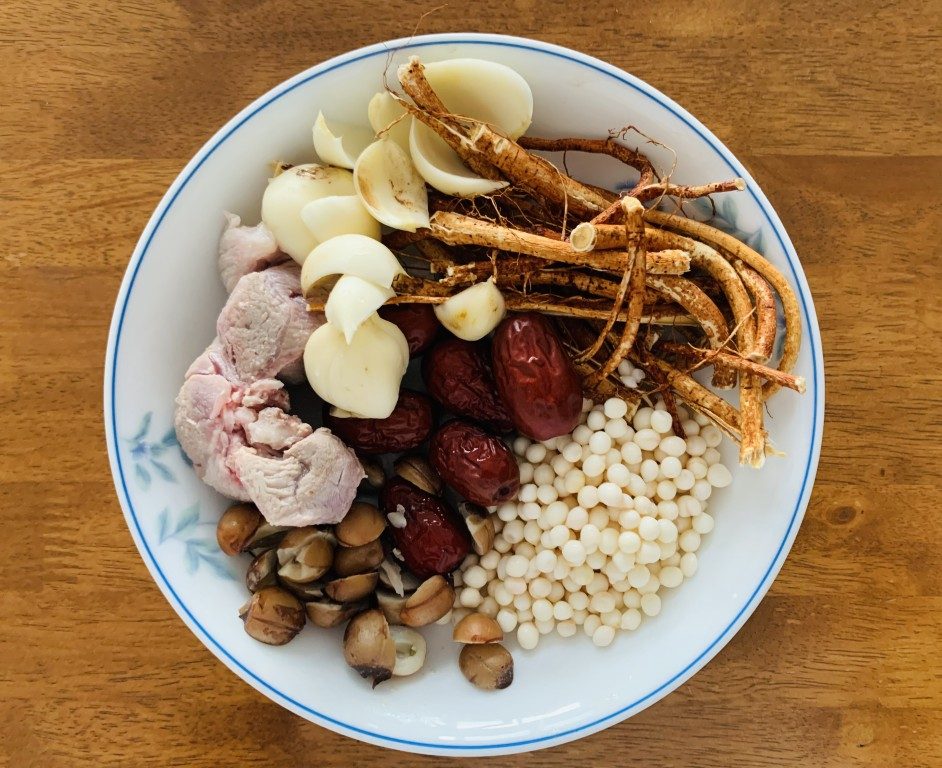
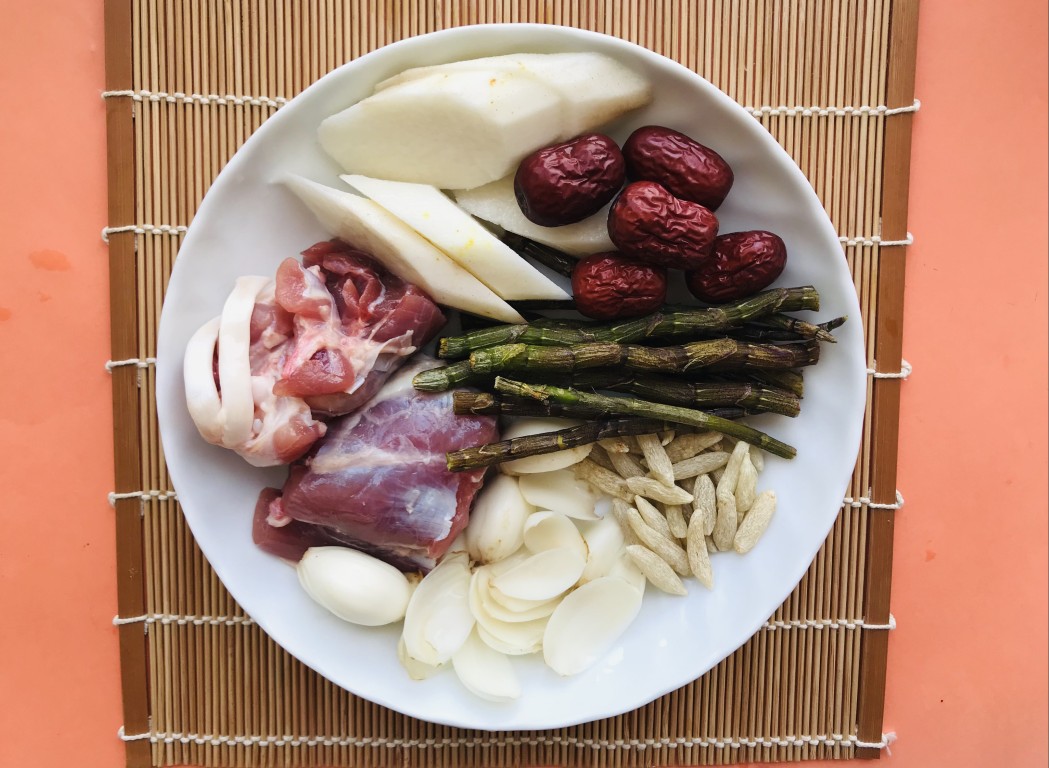
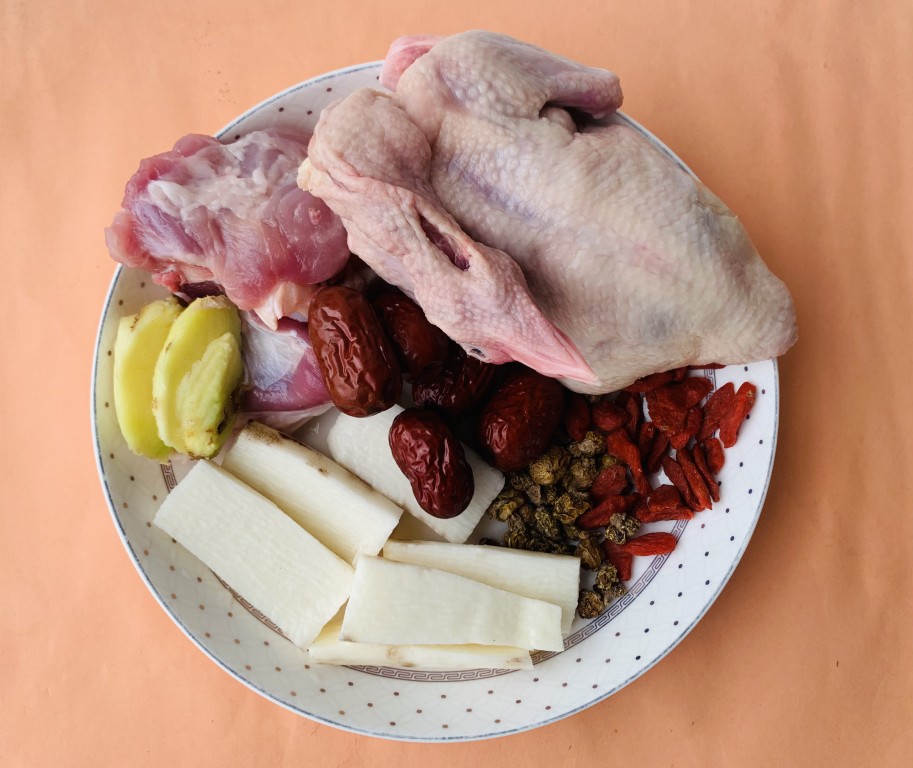
- Rinse lotus seeds, poria, and schisandra berries; soak briefly.
- If using lean pork, blanch briefly in boiling water and set aside.
- Place all ingredients in a pot with 1.5 L of cold water.
- Bring to a boil, then reduce heat and simmer for about 1 hour until the liquid reduces to approximately 600 ml.
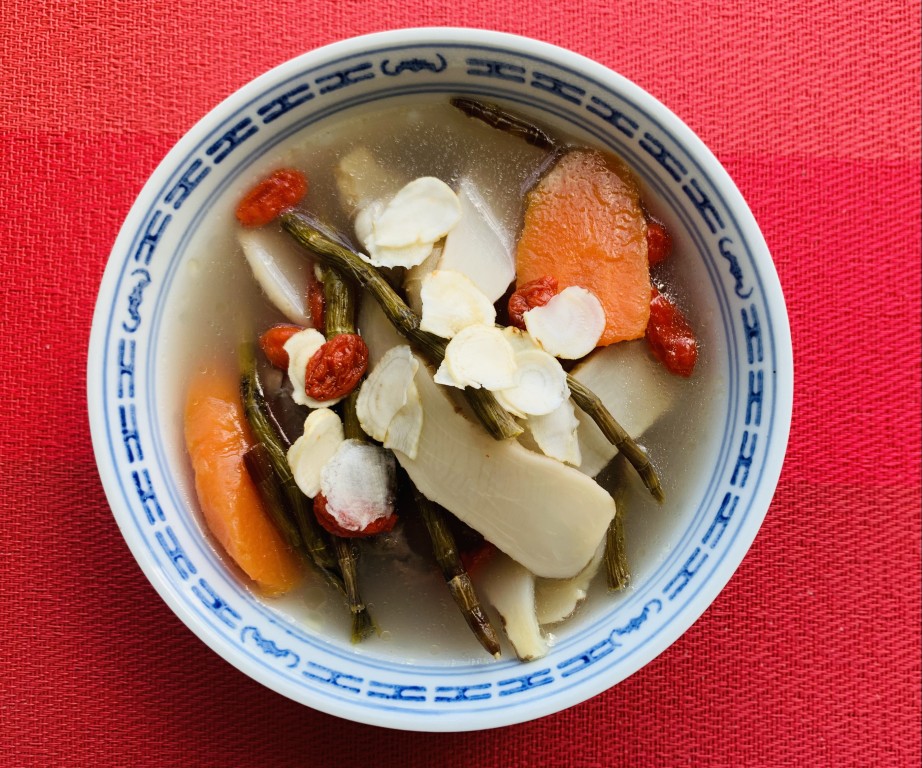
- Drink the soup and eat the lotus seeds. Season lightly if desired.
Dessert variation: Omit the meat, add rock sugar (bing tang) to taste, and serve as a sweet soup. Can also be made as a porridge with rice.
Nourilo’s Tips
Schisandra is naturally quite sour, and some people find it creates a sensation of warmth or mild discomfort in the stomach. Taking it after a meal, or adding a few red dates and goji berries to soften its impact, usually resolves this. Lightly toasting the berries first in a dry pan enhances their effect and reduces stomach upset for sensitive individuals. For a family-sized pot (4 servings), scale up: lotus seeds 75 g, poria 38 g, schisandra 19 g, red dates 8 pieces, lean pork 250 g, water 8 bowls cooked down to 4. This soup is gentle enough for long-term use. For liver support, aim for twice a week for 1–2 months, then assess.
What studies say about the key ingredients
Traditional use is not the same as clinical proof. Here is the strongest human research we found for each ingredient, limitations included.
- Lotus seeds
Lotus seed meals had a low glycemic index (GI 21–51 across the lotus seed and adzuki bean meals), while several other starchy foods did not differ significantly from rice. Lotus seed's in vitro hydrolysis index was also lower than that of other test foods.Limitation: Only ten healthy participants and acute single-meal tests, so findings may not apply to people with diabetes or to long-term intake.PubMed 30875961 - Schisandra berries
Compared with placebo, the extract group had a higher increase in right knee extensor strength (10.2 Nm) and left knee extensor strength (6.7 Nm). No group differences were found in muscle mass, inflammatory or antioxidative markers.Limitation: Small sample over 12 weeks, with an extract dose not comparable to eating the whole berry; muscle mass and blood markers did not differ.PubMed 33710261 · 2 more schisandra berries studies
From the Nourilo Research Library. Findings come from specific doses, extracts and populations and may not apply to a home-cooked recipe.
Safety first — read before you cook
This is a traditional food, not a treatment. Please check with your doctor or pharmacist before making it a regular part of your diet if you:
- are pregnant or breastfeeding, or are cooking for a young child;
- take regular medicines — especially blood thinners, blood-pressure, diabetes or immune-suppressing drugs;
- have a kidney, liver or heart condition, or a known food allergy.
Stop eating it and seek advice if you notice an allergic reaction or feel unwell. Safety notes reviewed 8 October 2026 · How we write safety notes
Comments
Join the conversation — sign in or create a free account to comment.
Continue with GoogleBy continuing with Google or email you confirm you are 16 or older and agree to our Terms of Use and Privacy Policy.
Loading comments…