Herbal & Flower Teas
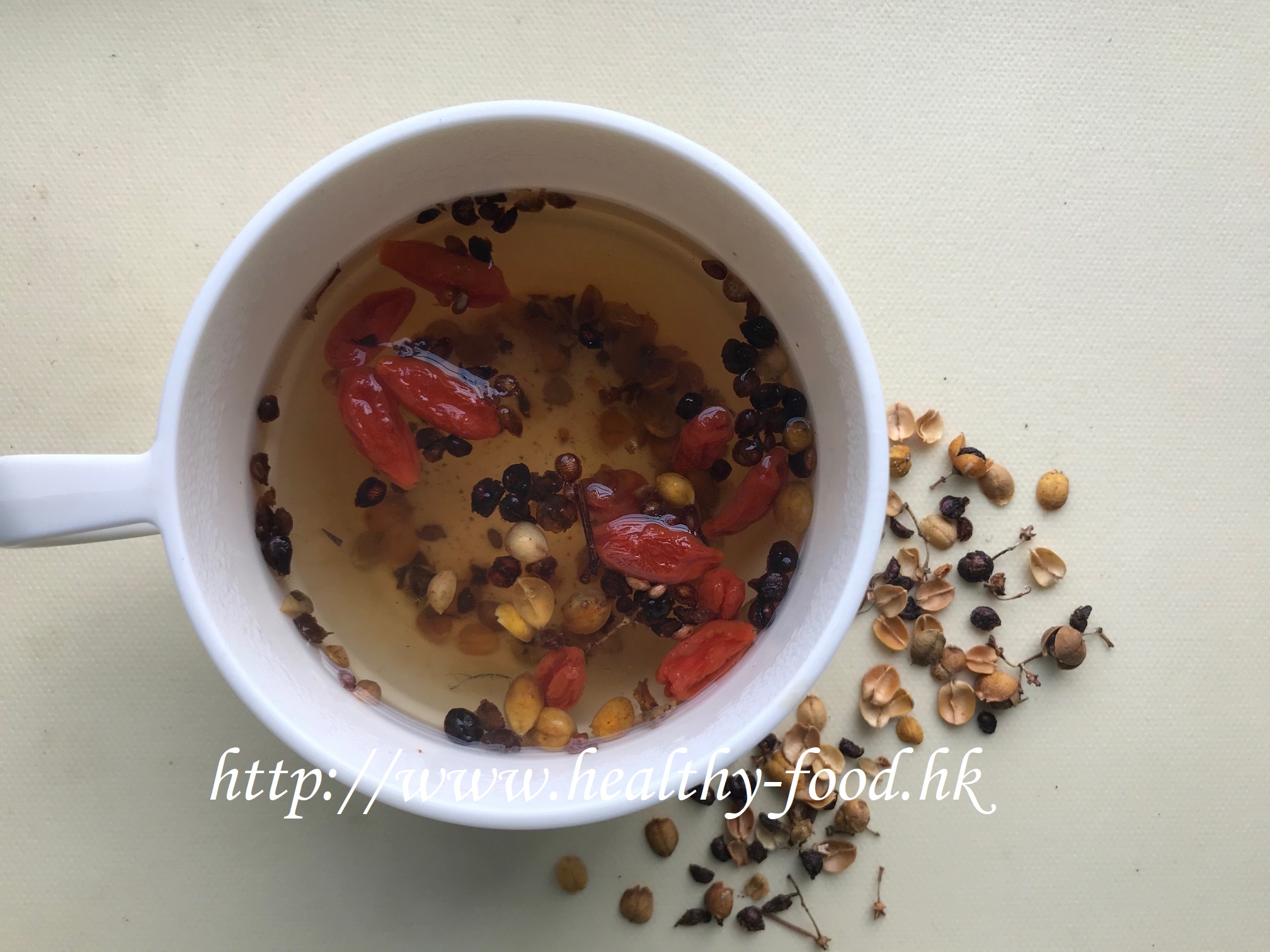
Longan Goji Berry Tea
traditionally associated with nourishing blood, calming the mind, and supporting vision
In short: Longan Goji Berry Tea is a herbal & flower tea that traditionally associated with nourishing blood, calming the mind, and supporting vision. It is most often made for sleep & calm, blood nourishment, eye wellness. Total time about 20 min. Key ingredients: longan flesh, goji berries.
Why people make this tea
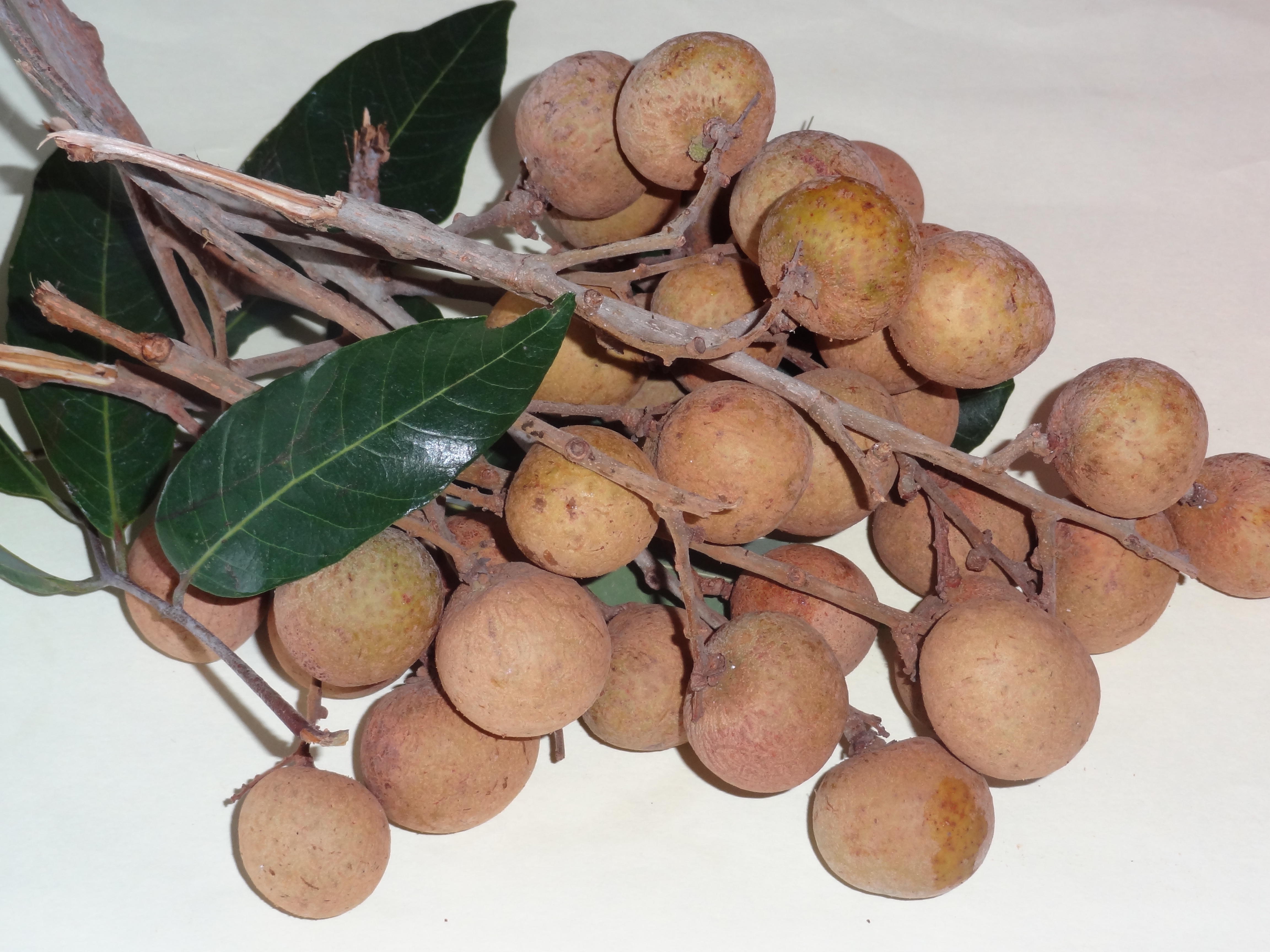
Fresh longan season is one of those brief, special windows in the Cantonese food calendar. The flesh is delicate and almost translucent, naturally sweet, and far more vibrant than the dried version used in most teas. When Nourilo spotted fresh longans at the market, he remembered a tip he had encountered: fresh longan flesh paired with goji berries, cooked into a simple tea, is traditionally said to be particularly beneficial for various types of declining vision. He tried it and found it genuinely pleasant — the sweetness of the longan is balanced by the faint earthy quality of the goji, and the stone adds a subtle additional dimension from the seed’s own properties.
This tea is primarily a blood-nourishing, mind-calming drink. Longan is warming by nature, so it should be used in moderation — not daily over long periods — and avoided altogether by those with heat or inflammatory signs.
Method
- Soak the goji berries briefly in cold water, then drain and discard the soaking water (this removes any sulphur residue from preservation).
- Remove the shells from the fresh longans. Keep the flesh and stone together — do not discard the stone.
- Combine the longans (with stones) and goji berries in a small pot with 900 ml of water.
- Bring to the boil, then simmer for about 15 minutes.
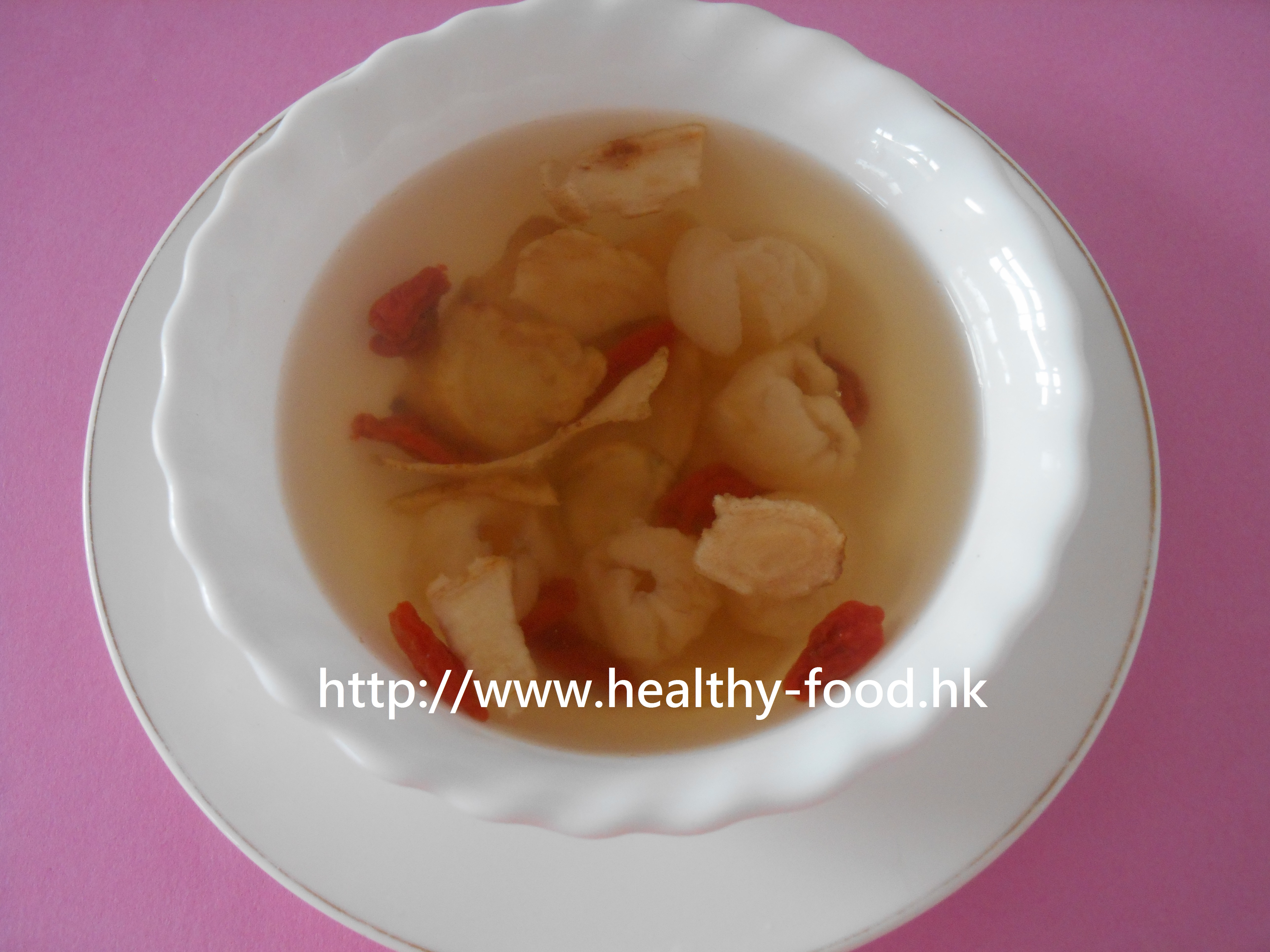
- Pour into a cup or bowl. Drink the tea and eat the longan flesh and goji berries.
Nourilo’s Tips
- Choose fresh longans that are plump and round, feel firm when pressed, and show no discolouration at the top of the flesh (which indicates over-ripeness or deterioration).
- The longan stone is not discarded because it has its own food-therapy value — it regulates qi, relieves pain mildly, and its powder form is traditionally used for skin conditions. There is no safety concern with cooking it in a tea.
- Longan flesh is beneficial but rich — eating too much at once can cause internal heat, digestive bloating, dry mouth, and eye discharge.
- Those who run hot or have a thick tongue coating should substitute the longan with about 38 g (38 g) of dried lily bulb, cooked for 15 minutes the same way.
- A small handful of dried chrysanthemum flowers (ju hua) can be added to the pot to temper the warming nature slightly.
What studies say about the key ingredients
Traditional use is not the same as clinical proof. Here is the strongest human research we found for each ingredient, limitations included.
- Goji berries
Compared with placebo (n=80), the goji juice group (n=81) reported greater improvements in several self-rated symptoms, including stress, mental acuity, sleep quality and overall well-being, under a random effects model.Limitation: Outcomes were self-reported symptom questionnaires, and several symptoms showed significant heterogeneity across the four pooled trials of a single branded juice.PubMed 22897500 · 3 more goji berries studies
From the Nourilo Research Library. Findings come from specific doses, extracts and populations and may not apply to a home-cooked recipe.
Safety first — read before you cook
This is a traditional food, not a treatment. Please check with your doctor or pharmacist before making it a regular part of your diet if you:
- are pregnant or breastfeeding, or are cooking for a young child;
- take regular medicines — especially blood thinners, blood-pressure, diabetes or immune-suppressing drugs;
- have a kidney, liver or heart condition, or a known food allergy.
Ingredient notes for this recipe
- Goji berries: A few cases of raised INR (a bleeding-risk marker) have been reported in people taking warfarin after drinking concentrated goji tea or wine. If you take a blood thinner, check with your doctor. Source: Memorial Sloan Kettering — Lycium
Stop eating it and seek advice if you notice an allergic reaction or feel unwell. Safety notes reviewed 8 October 2026 · How we write safety notes
Comments
Join the conversation — sign in or create a free account to comment.
Continue with GoogleBy continuing with Google or email you confirm you are 16 or older and agree to our Terms of Use and Privacy Policy.
Loading comments…