Herbal & Flower Teas
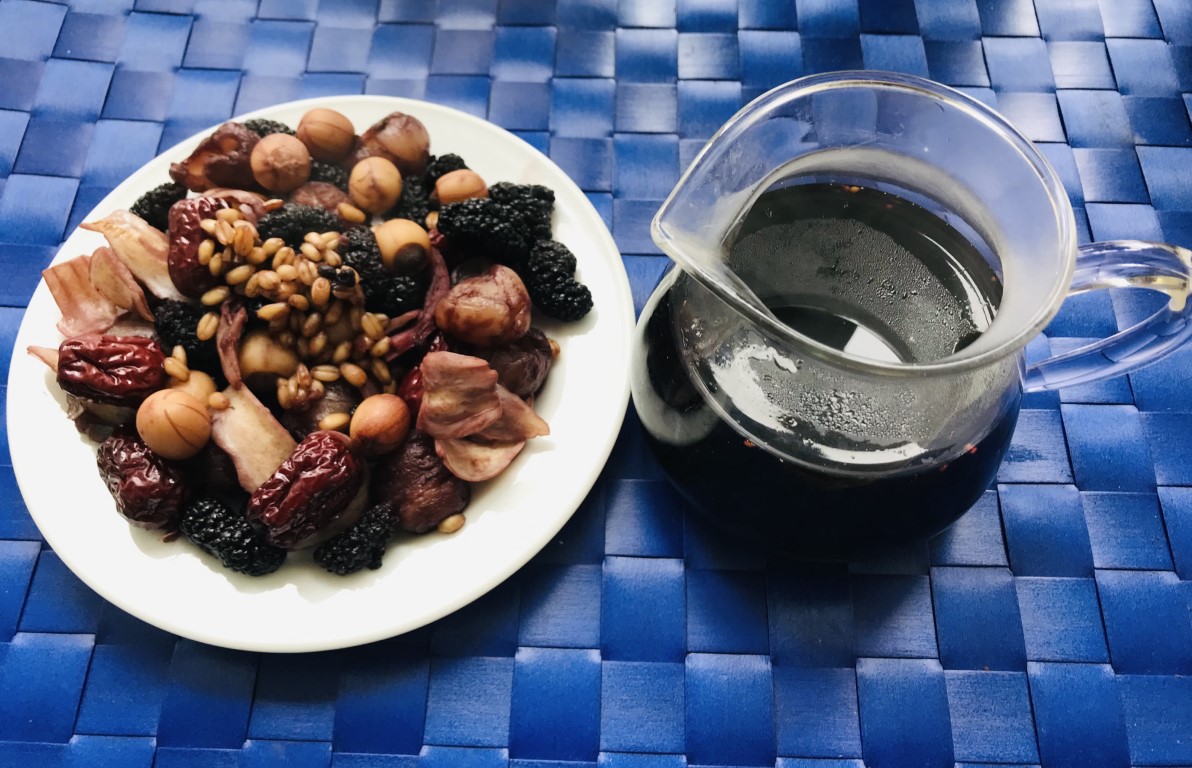
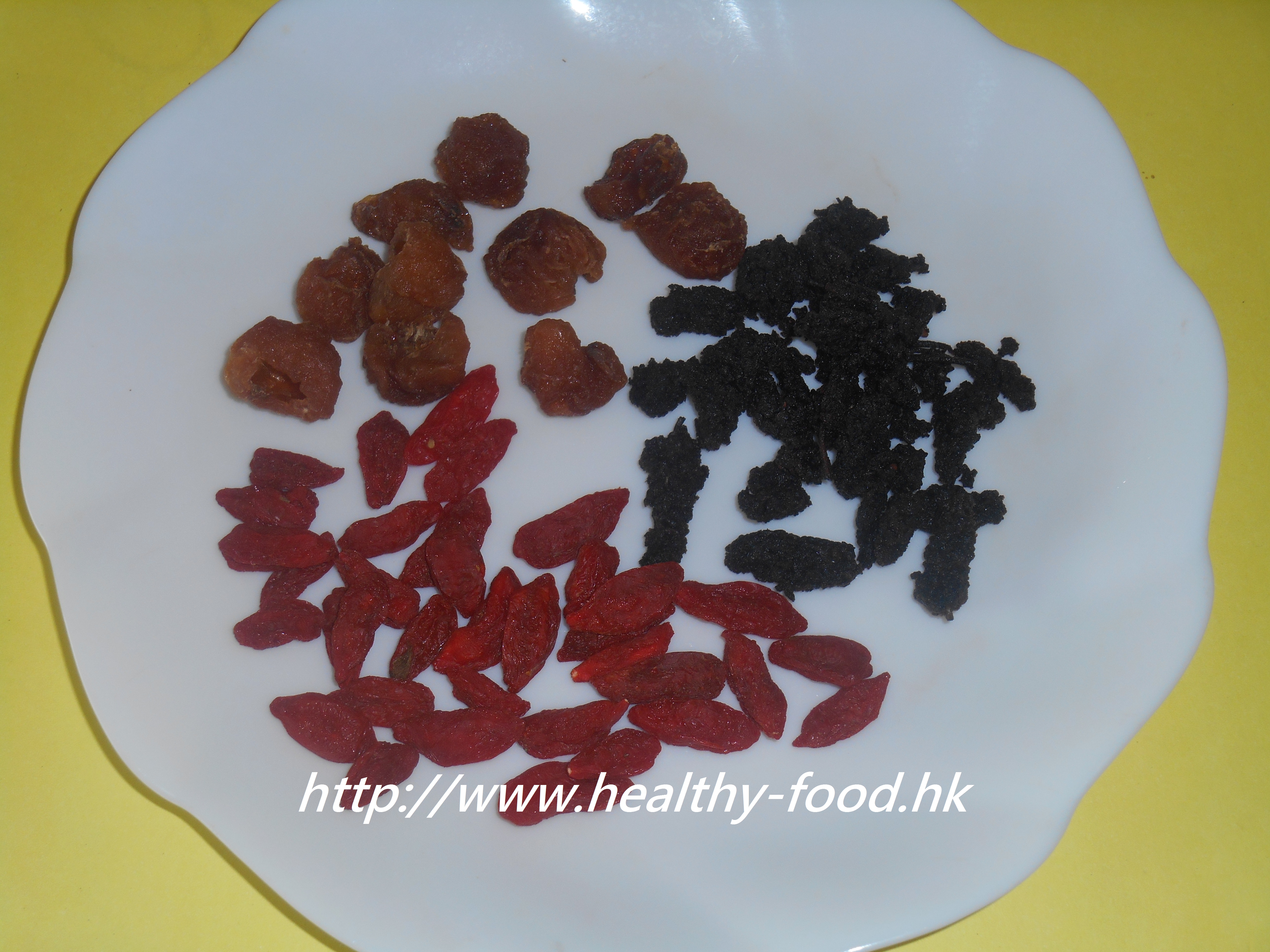
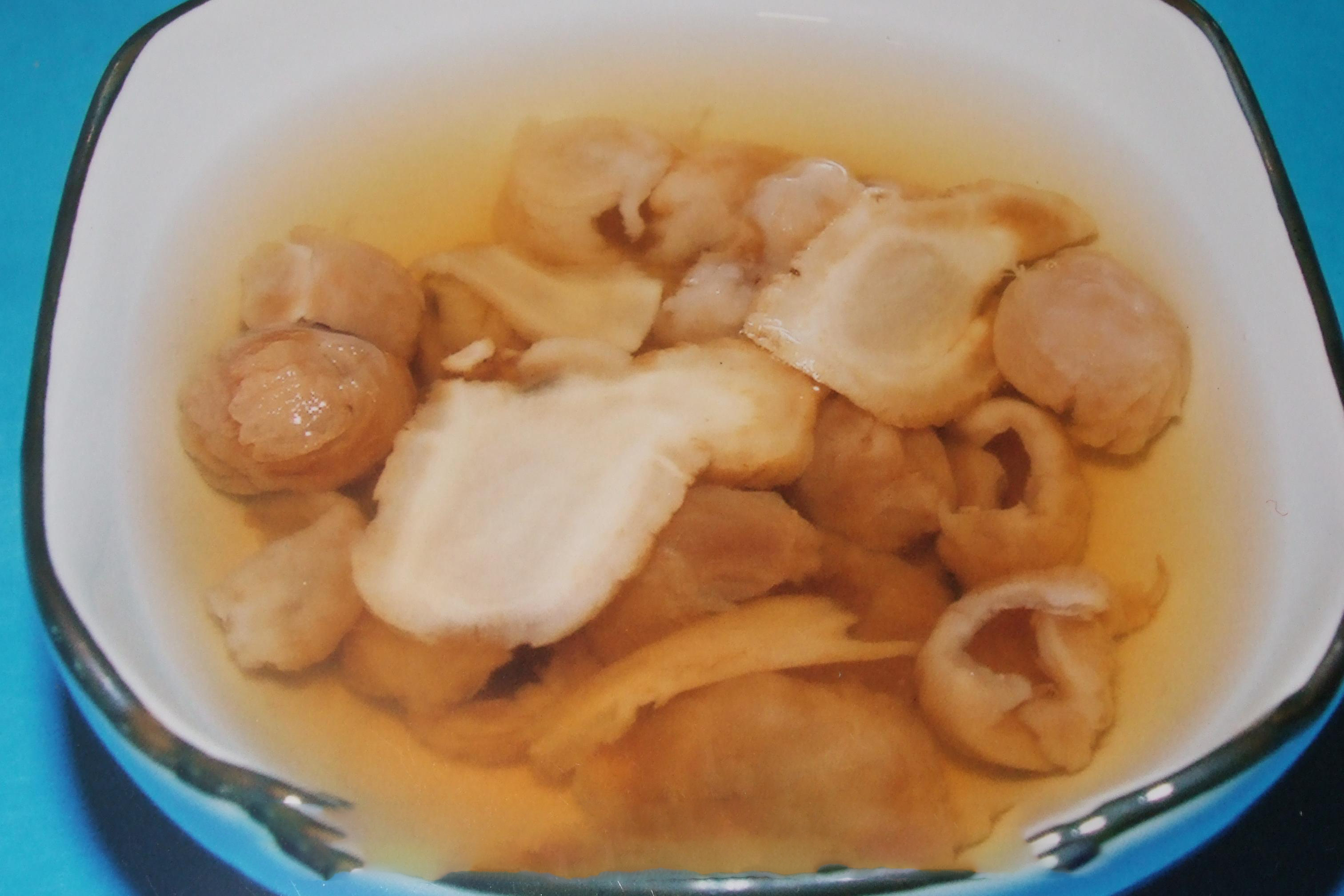
Dried Mulberry and Longan Flesh Tea
Traditionally supports restful sleep, nourishes blood, and calms a tired nervous system
In short: Dried Mulberry and Longan Flesh Tea is a herbal & flower tea that Traditionally supports restful sleep, nourishes blood, and calms a tired nervous system. It is most often made for sleep & calm, energy & vitality, blood nourishment. Total time about 25 min. Key ingredients: mulberries, longan flesh.
Why people make this tea
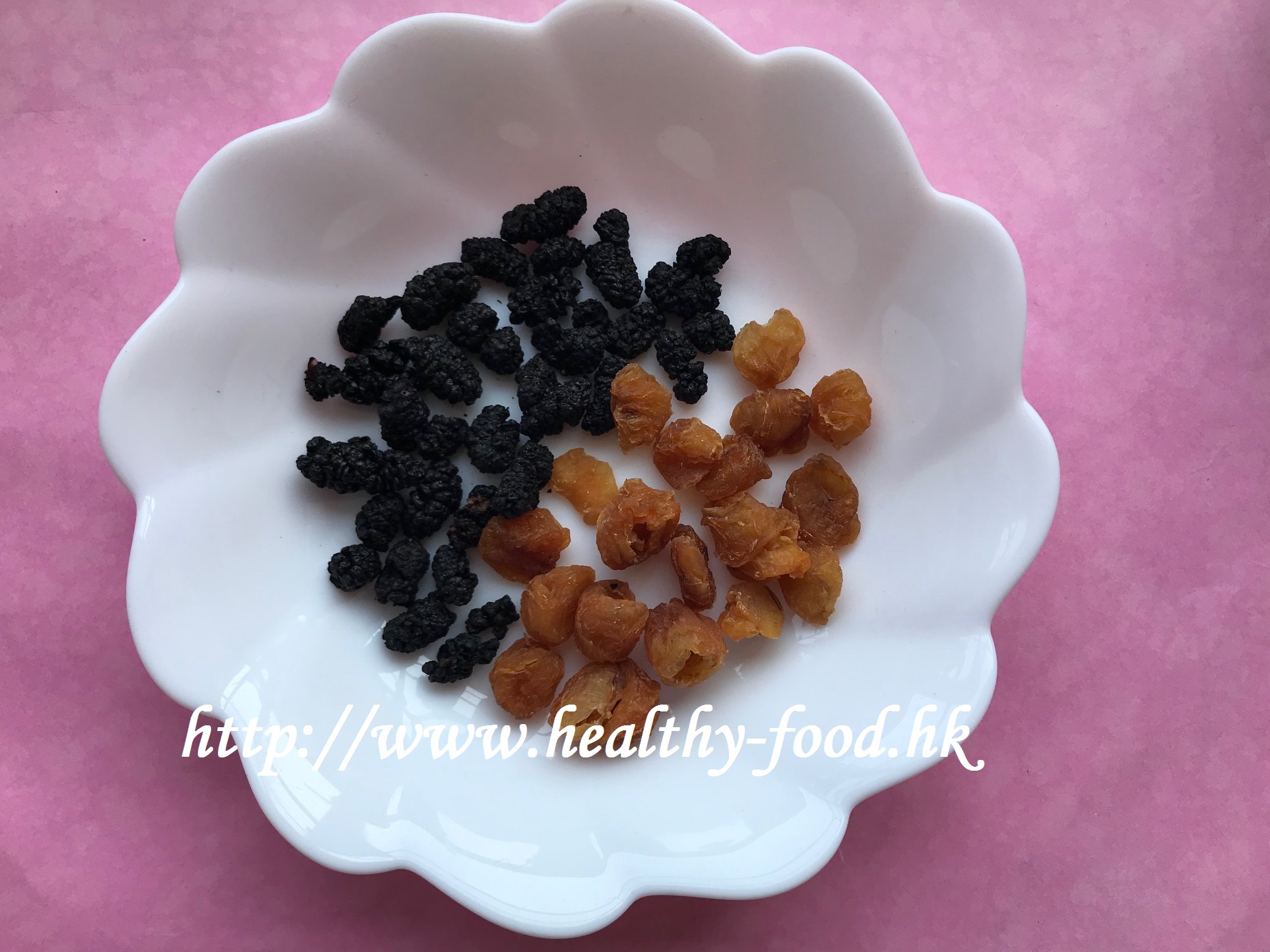
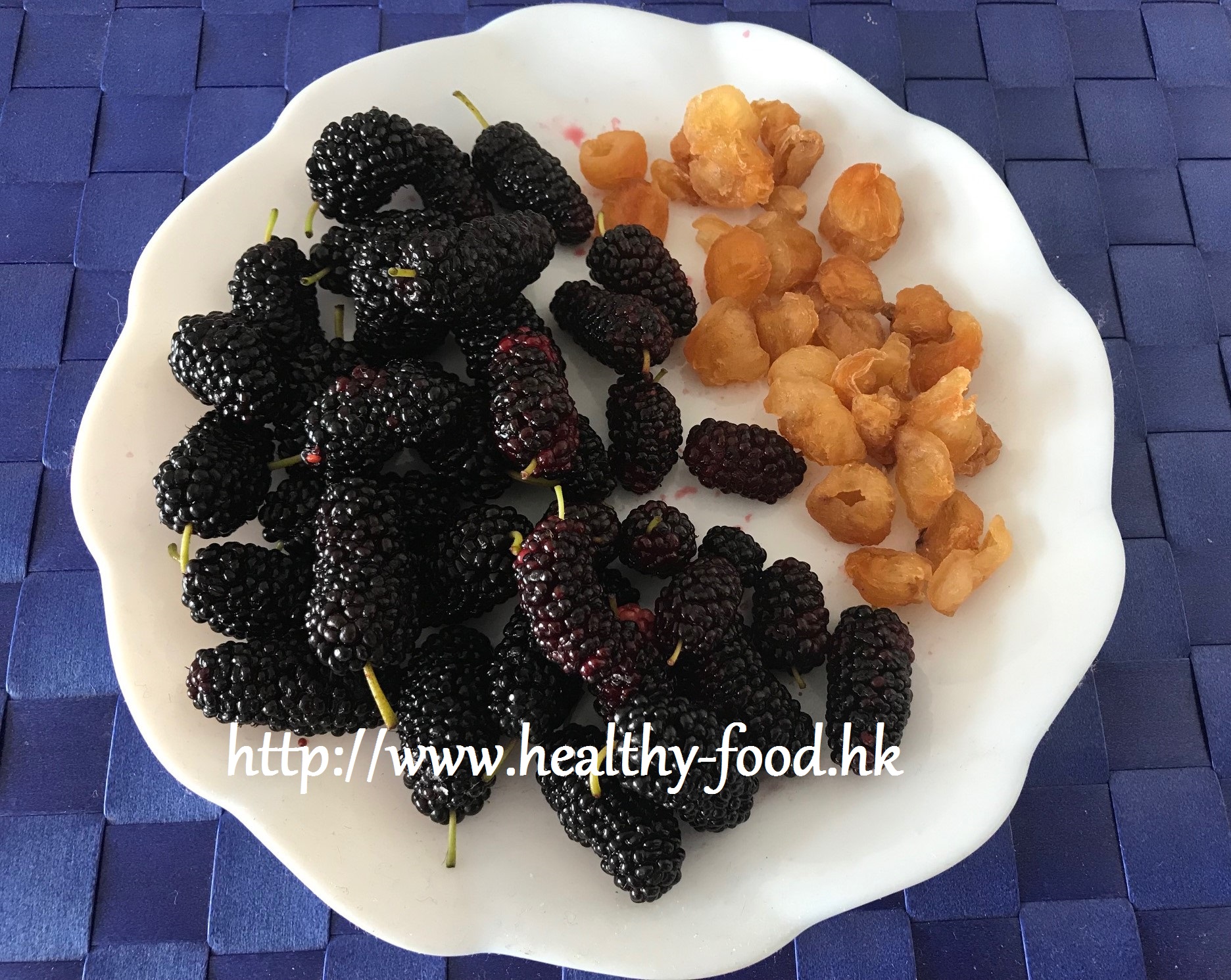
Mulberry — that slightly translucent, deep-red fruit that appears briefly in early summer — is a humble-looking thing that belies its reputation as one of the finest blood-nourishing foods in Chinese medicine. The dried version is even more concentrated in beneficial compounds. When mulberry is paired with longan flesh (the dried, honey-brown flesh of the longan fruit), you get a combination that is warm, sweet, and deeply sustaining for a nervous system that has been run into the ground. Nourilo introduced this recipe during a period when many people were dealing with job uncertainty and the emotional fallout of a prolonged pandemic — a time when insomnia, anxiety, and a general feeling of being depleted were all too common. The tea does not knock you out; rather, it gently supports the liver and kidneys, nourishes the blood, and over time helps the mind settle. Drink it at midday and again a couple of hours before bed.
Method
- Rinse both ingredients briefly.
- Place in a small pot with 1.2–1.5 L of water.
- Bring to a boil, then simmer for 20 minutes until the liquid reduces to approximately 900 ml.
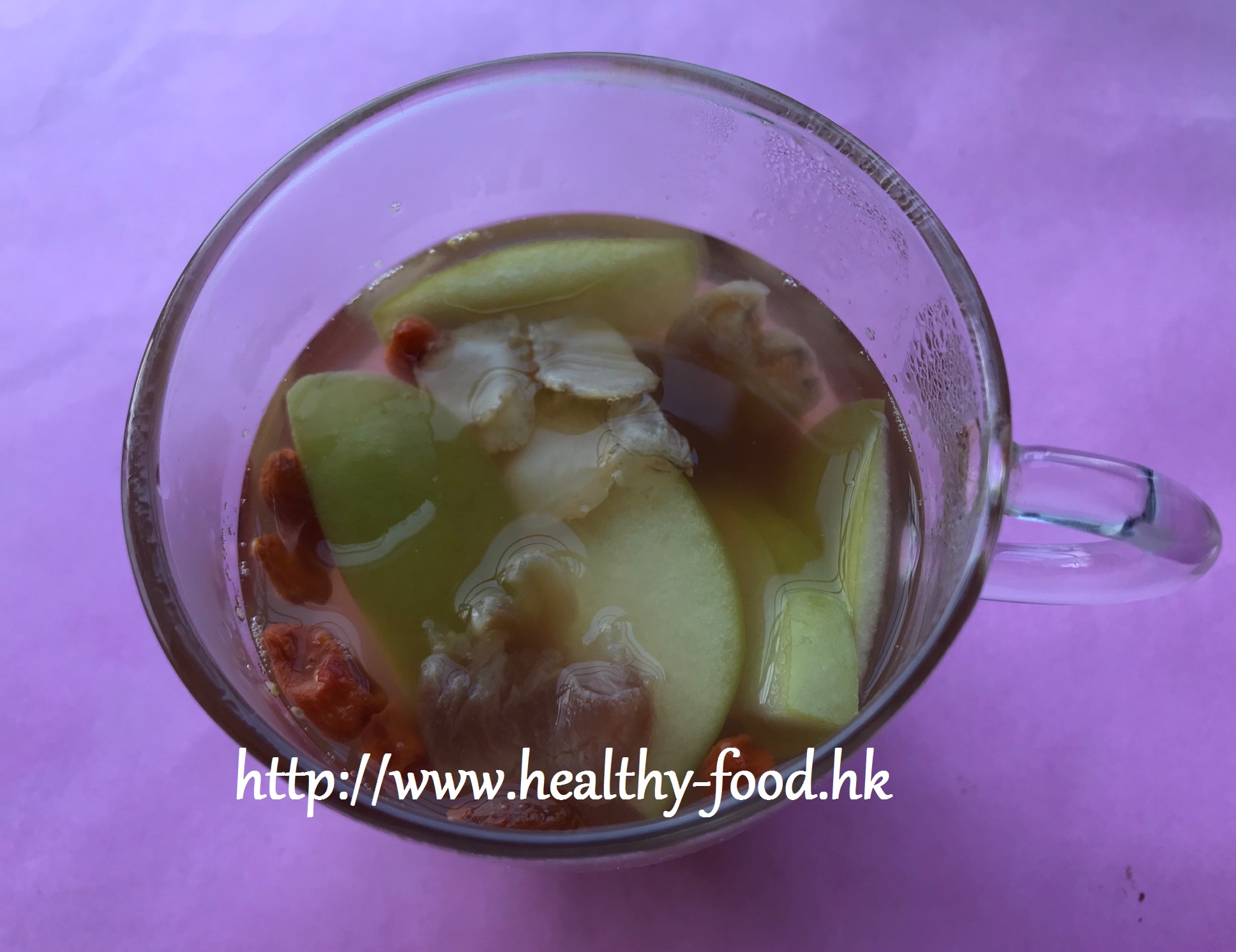
- Drink the tea and eat the softened mulberries and longan flesh — both can be eaten and are worth eating.
- Alternatively, you may steep rather than simmer: place ingredients in a teapot, steep for 15 minutes in boiling water. The fruit will swell considerably.
Nourilo’s Tips
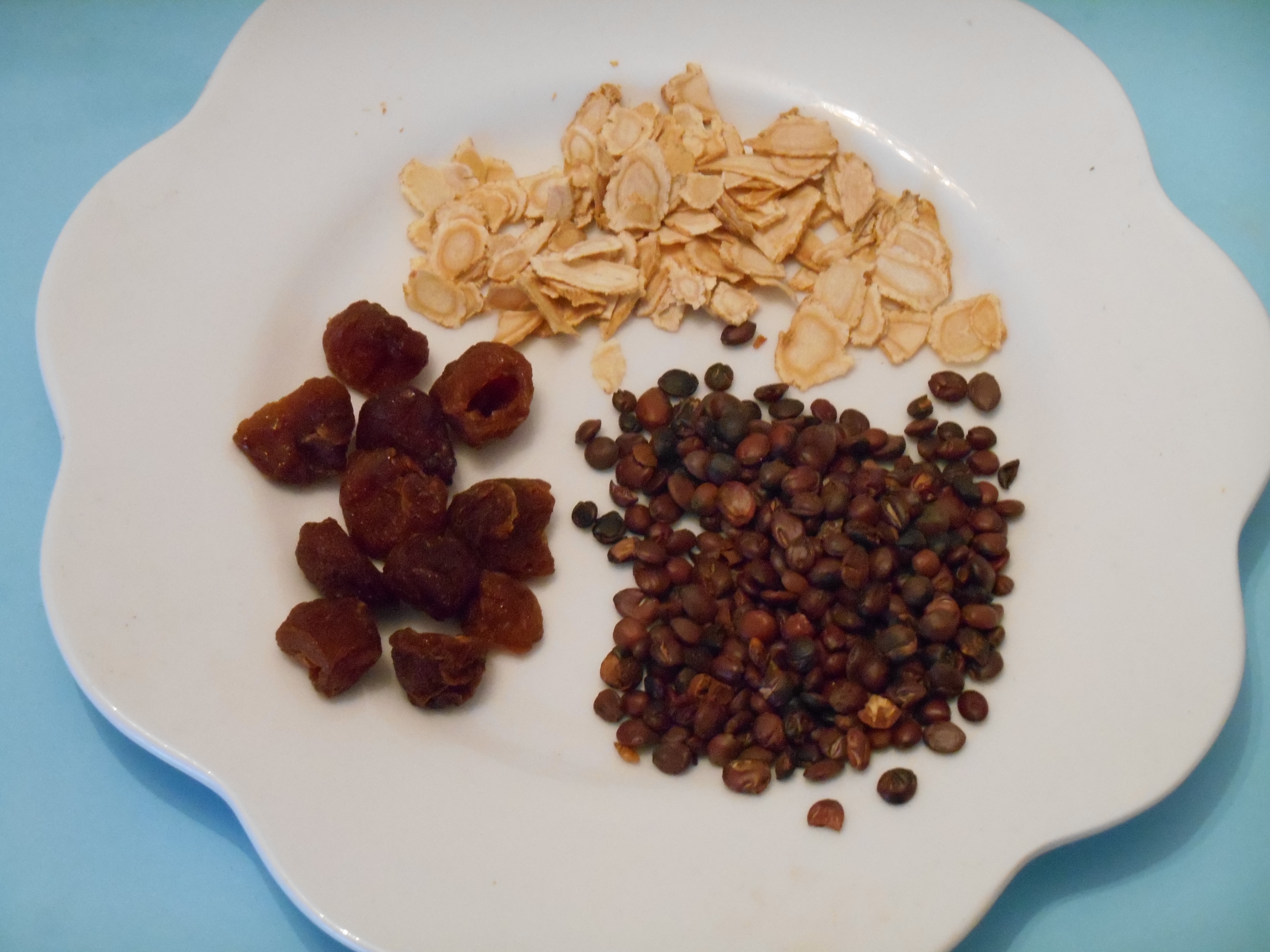
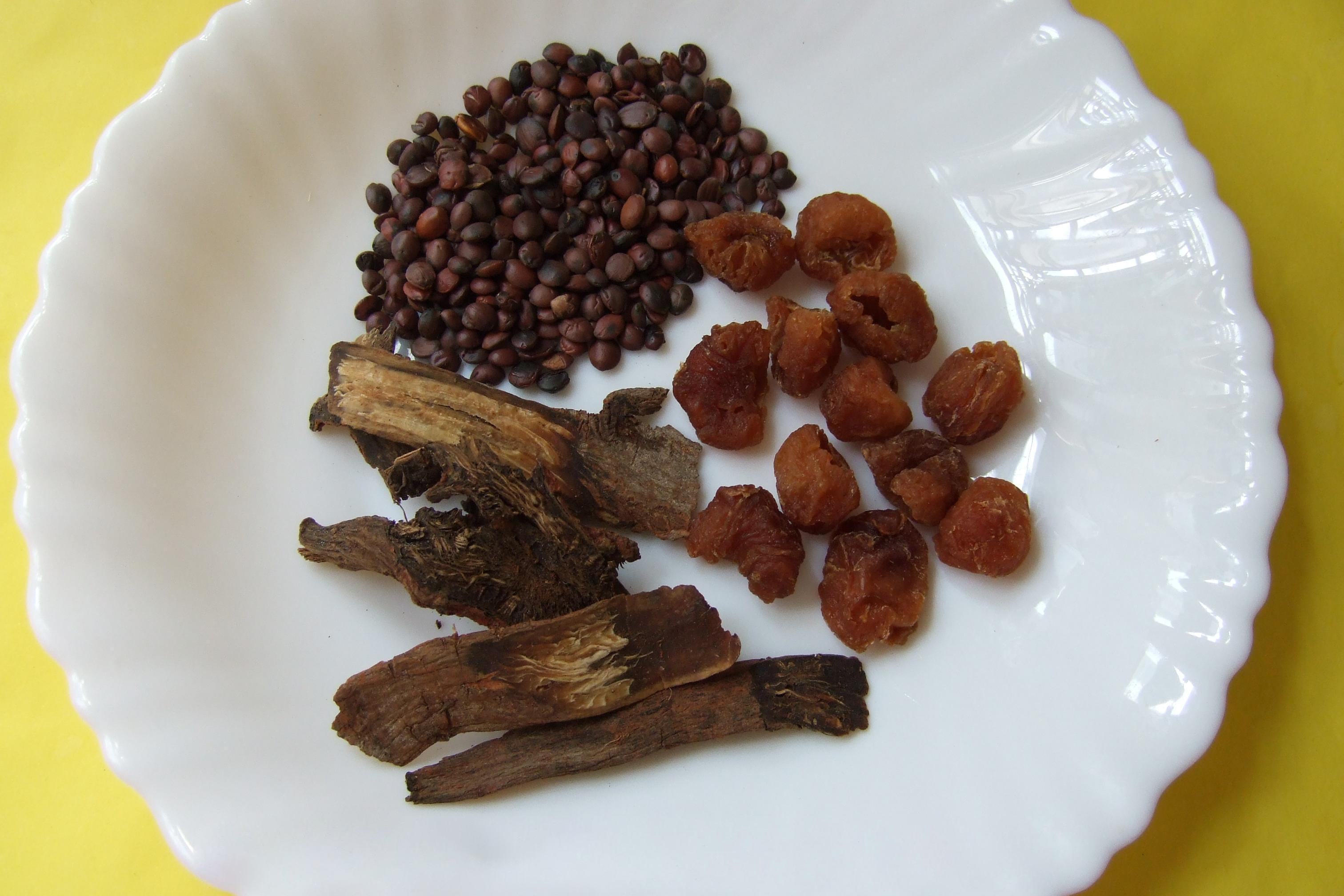
Dried mulberries come in several colours — the darkest ones (deep red or purple-black, sometimes labelled “black mulberry” or hei sang zao) have the highest anthocyanin content and the strongest therapeutic effect. Lighter or partially ripe mulberries are less effective and may inhibit mineral absorption, so it is worth seeking out the dark variety. For a broader sleep-support formula, Nourilo also likes a soup of Chinese yam, poria spiritus, lotus seed, lily bulb, and longan flesh with lean pork — cooked 2 to 3 times a week.
What studies say about the key ingredients
Traditional use is not the same as clinical proof. Here is the strongest human research we found for each ingredient, limitations included.
- Mulberries
Post-prandial self-monitored glucose was lower than placebo (18.2%), but A1C did not differ between mulberry leaf extract and placebo. Serum creatinine rose about 15% in the extract group.Limitation: Small pilot: only 17 of 24 enrolled participants completed the study, limiting statistical power.PubMed 28619294 · 3 more mulberries studies
From the Nourilo Research Library. Findings come from specific doses, extracts and populations and may not apply to a home-cooked recipe.
Safety first — read before you cook
This is a traditional food, not a treatment. Please check with your doctor or pharmacist before making it a regular part of your diet if you:
- are pregnant or breastfeeding, or are cooking for a young child;
- take regular medicines — especially blood thinners, blood-pressure, diabetes or immune-suppressing drugs;
- have a kidney, liver or heart condition, or a known food allergy.
Stop eating it and seek advice if you notice an allergic reaction or feel unwell. Safety notes reviewed 8 October 2026 · How we write safety notes
Comments
Join the conversation — sign in or create a free account to comment.
Continue with GoogleBy continuing with Google or email you confirm you are 16 or older and agree to our Terms of Use and Privacy Policy.
Loading comments…