Herbal & Flower Teas
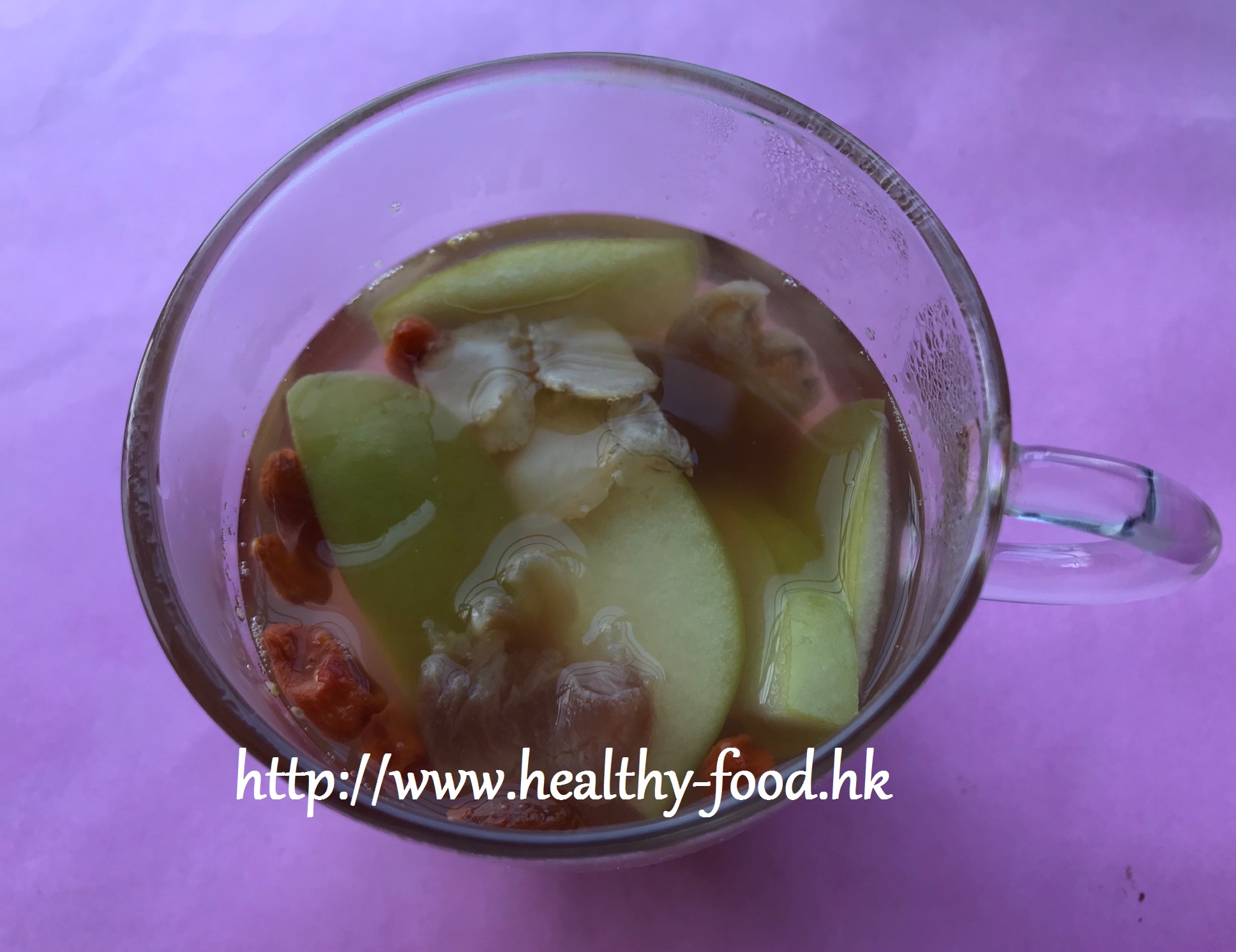
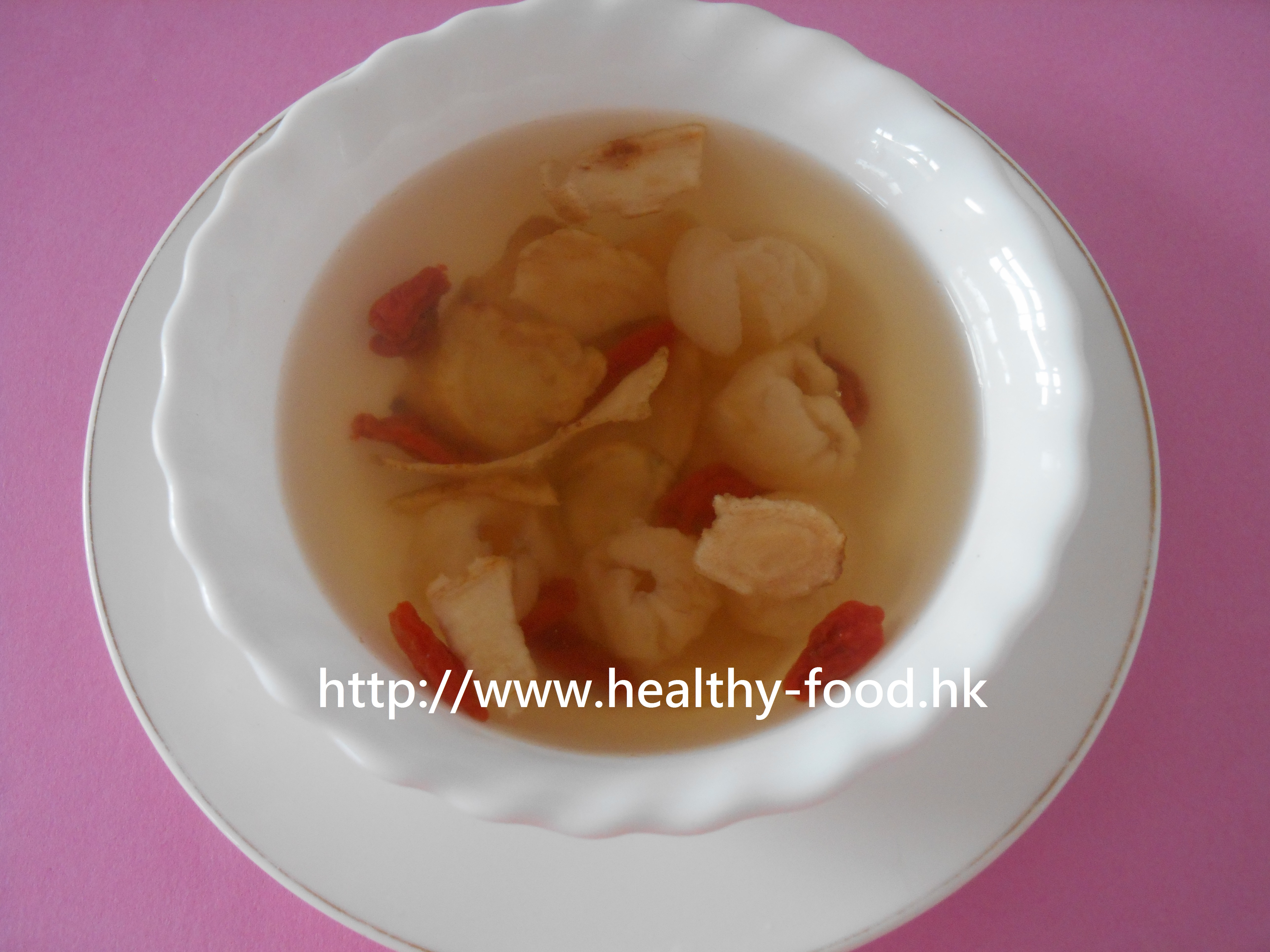
American Ginseng, Green Apple, Goji Berry and Longan Tea
traditionally associated with boosting energy, nourishing blood, easing mild low mood, and supporting restful sleep
In short: American Ginseng, Green Apple, Goji Berry and Longan Tea is a herbal & flower tea that traditionally associated with boosting energy, nourishing blood, easing mild low mood, and supporting restful sleep. It is most often made for sleep & calm, energy & vitality, blood nourishment. Total time about 30 min. Key ingredients: american ginseng, goji berries, longan flesh, rock sugar.
Why people make this tea
Green apples are easy to underestimate. Compared to their sweeter counterparts, they feel purposeful — tart, crisp, with a clean fragrance that brightens a room when you slice into one. Nourilo came to appreciate them after experimenting with a lemongrass and green apple tea for joint support, and now uses them regularly in wellness drinks. Their high pectin content is associated with supporting the body’s natural processes, and in Chinese food-therapy tradition, green fruit corresponds to the liver — so green apple is linked with liver nourishment and a gentle, mood-lifting quality.
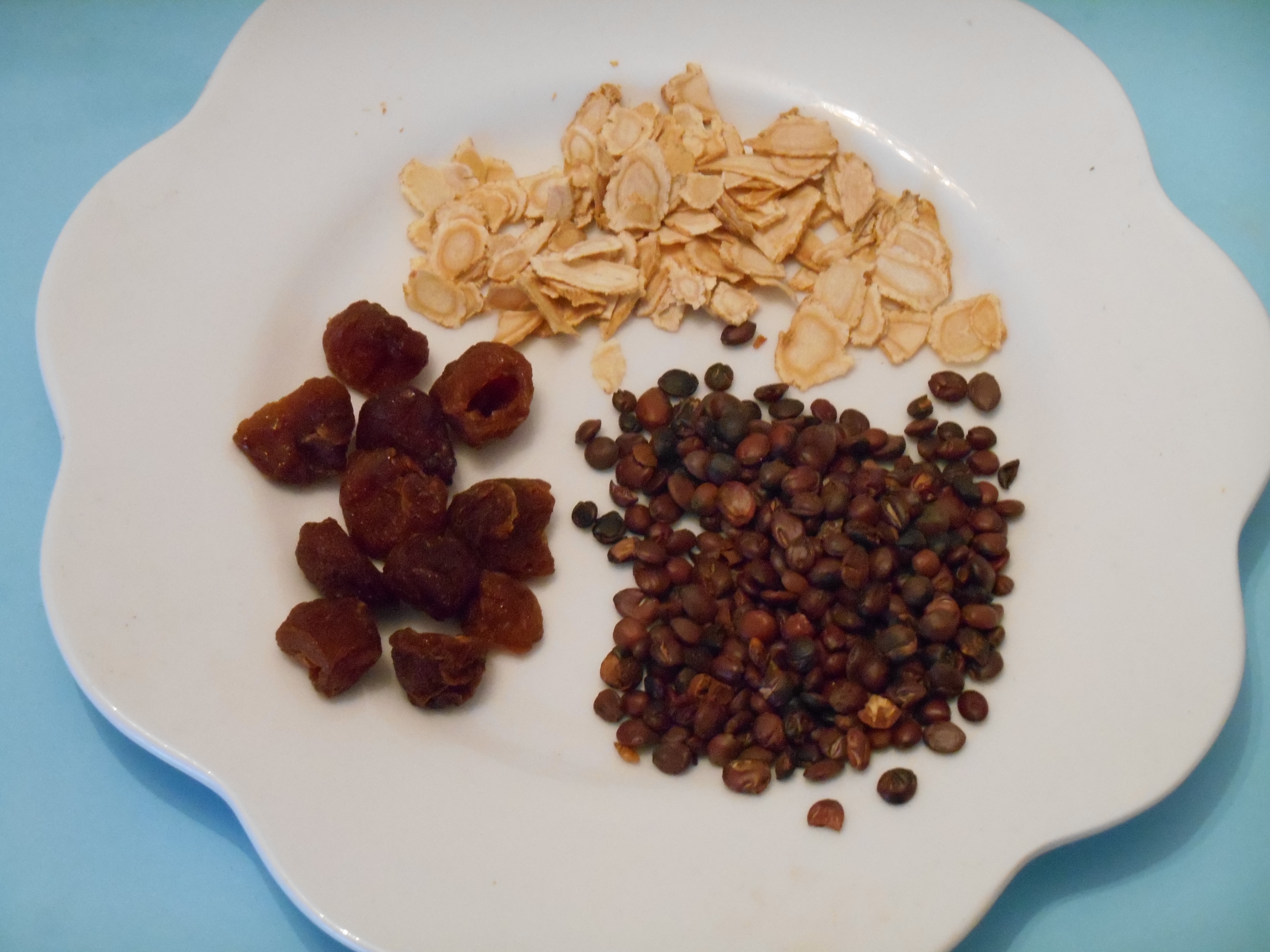
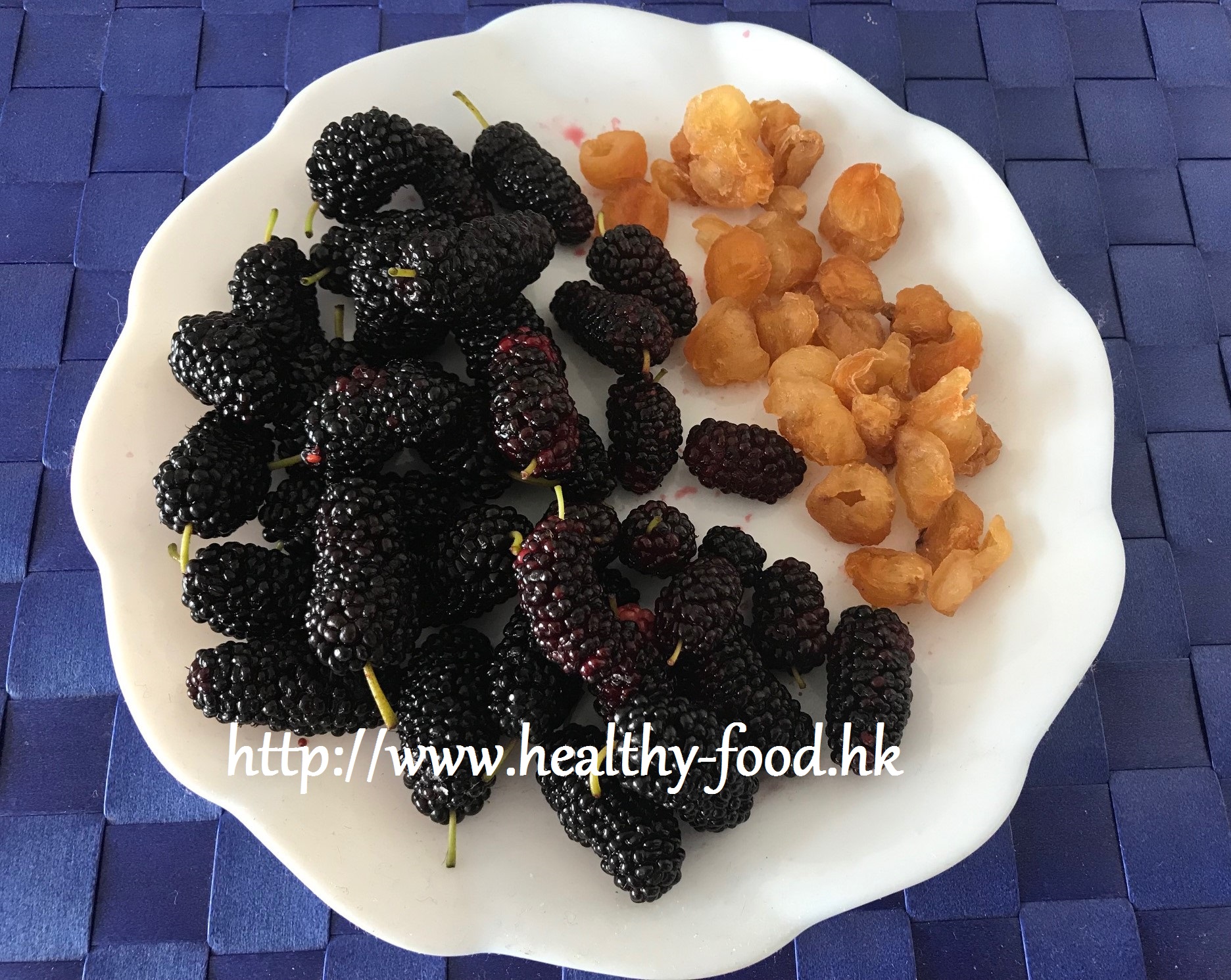
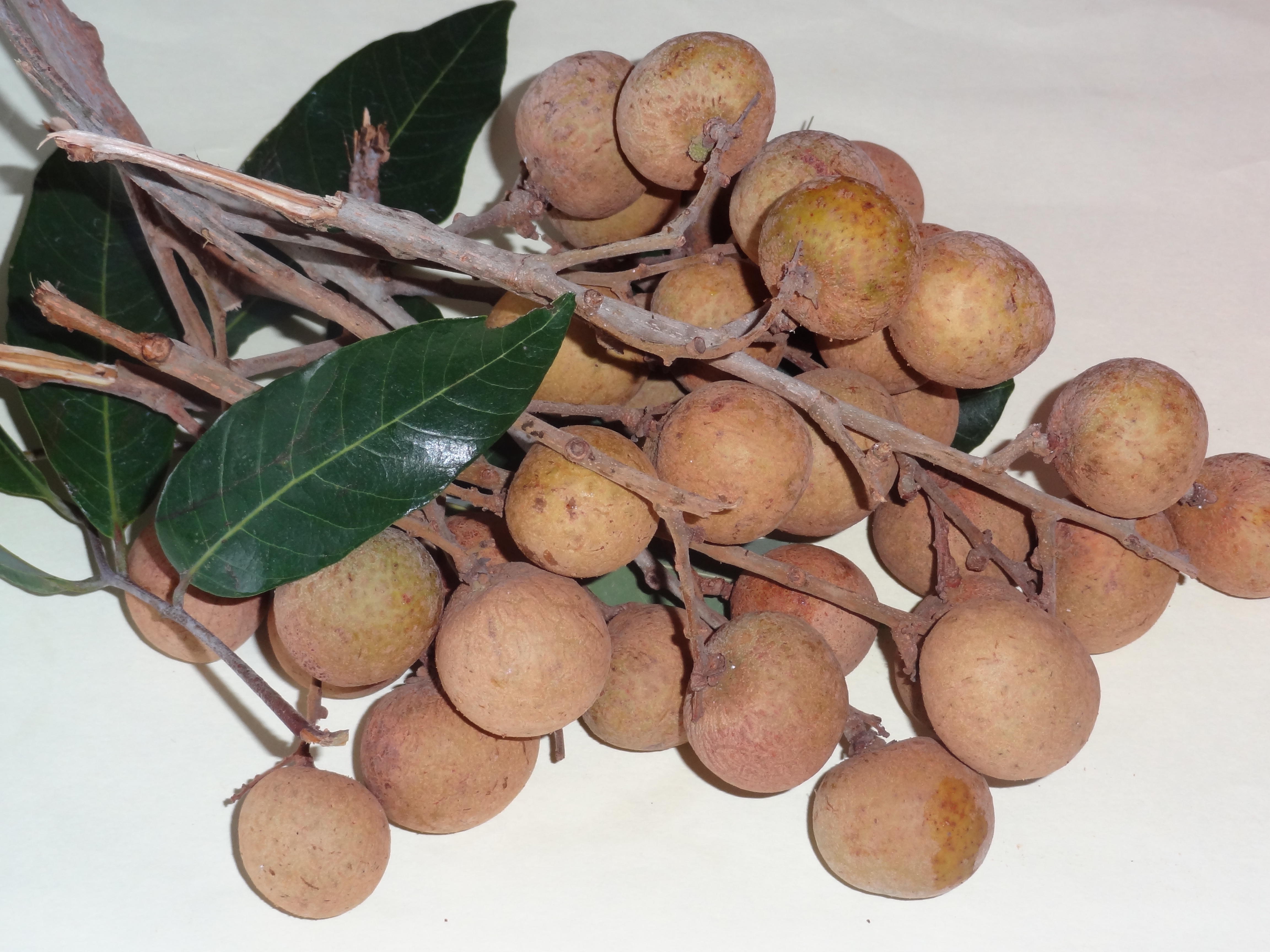
Paired with American ginseng, goji berries, and longan, this tea covers the key bases for emotional and energy support: ginseng for replenishing qi, goji for the blood and eyes, longan for calming the heart-mind. The result is a warm drink that tastes pleasantly of tart apple with a sweet herbal finish — something you’d genuinely want to make and sit with.
Method
- Briefly soak the whole green apple in hot water, then rinse thoroughly to remove surface wax and pesticide residue.
- Rinse the goji berries in cold water.
- Slice the green apple and remove the core. Leave the skin on.
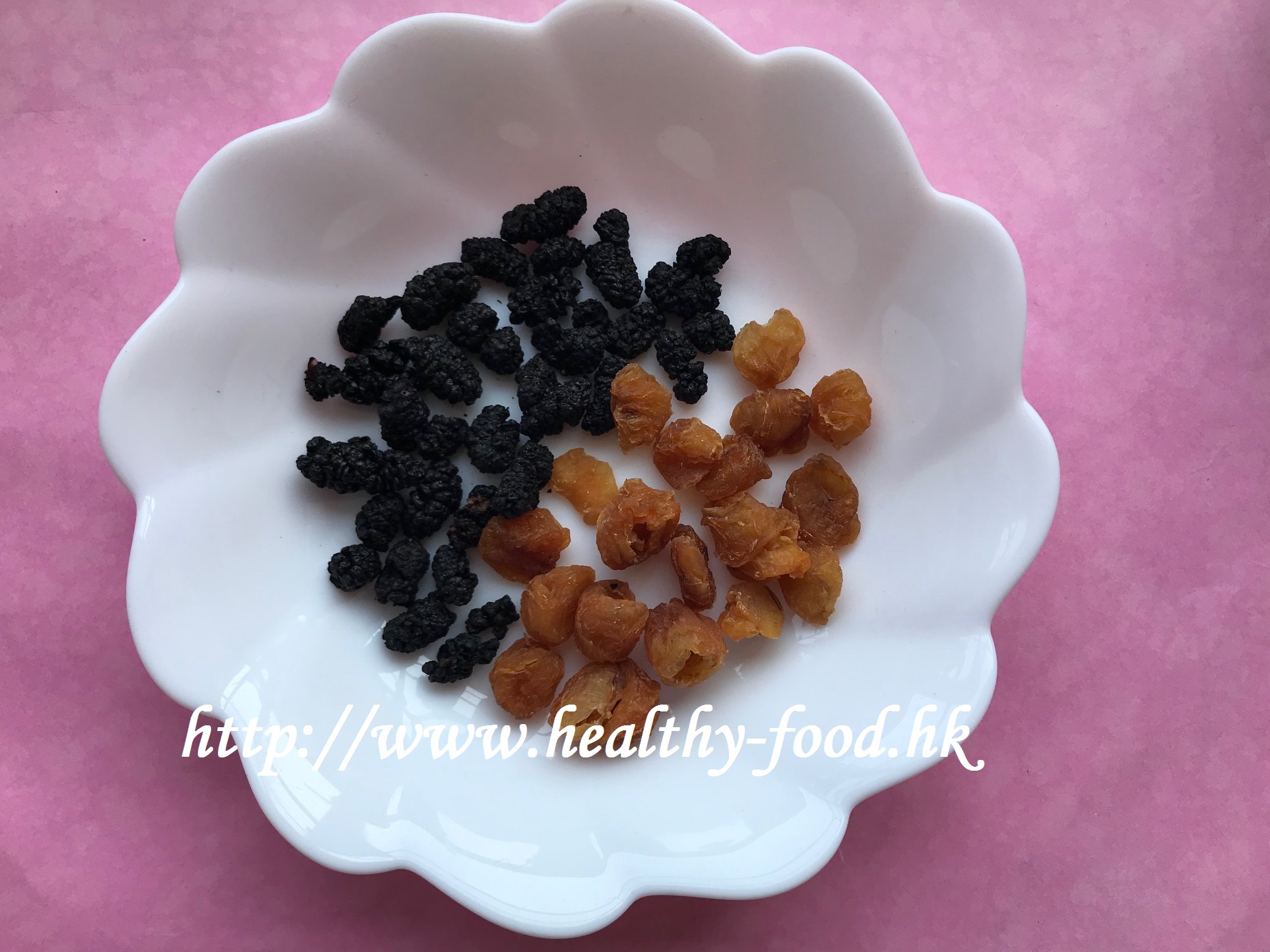
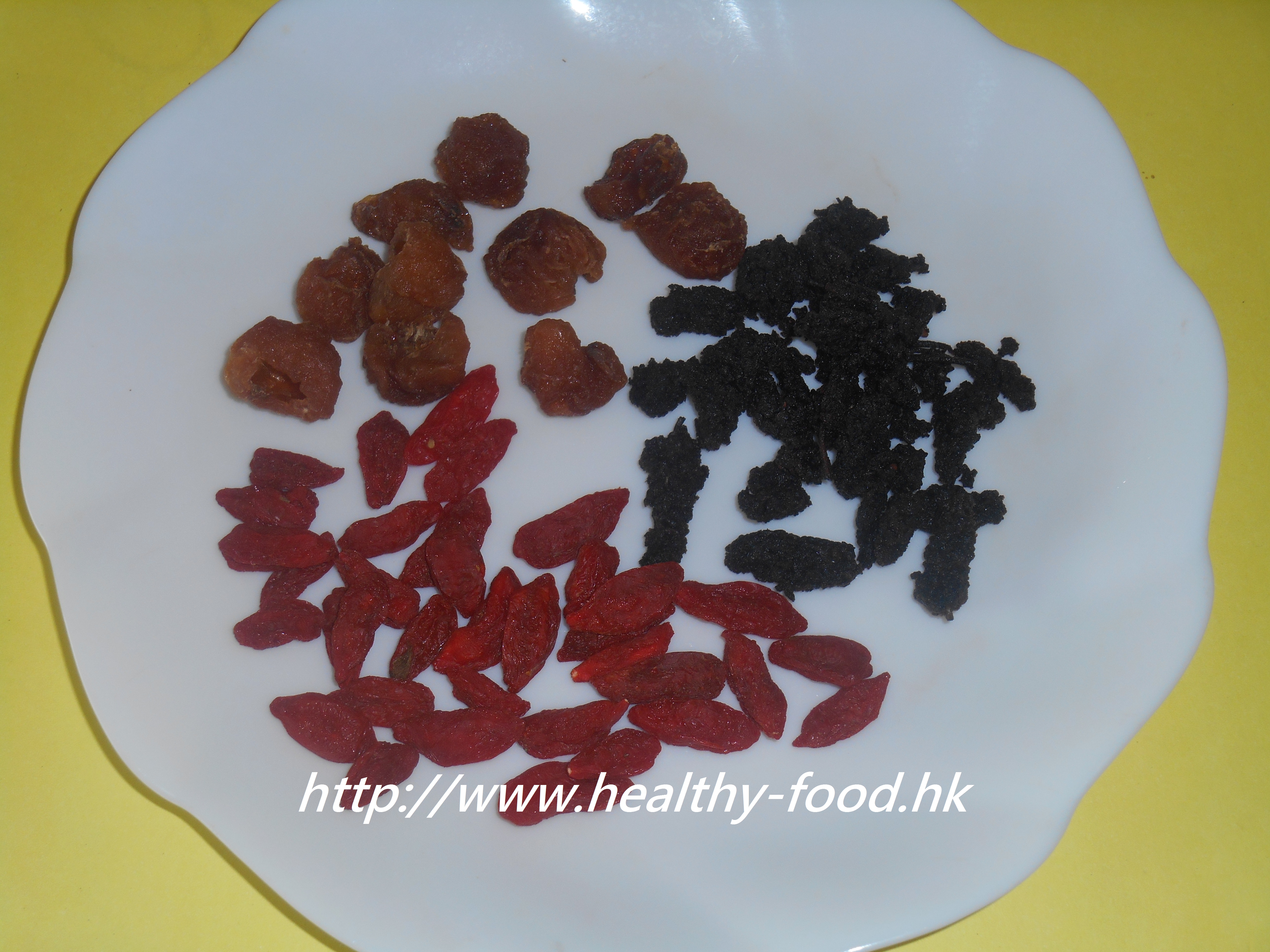
- Place the apple slices, goji berries, and longan flesh in a pot with 1.2 L of water.
- Bring to a boil, then reduce to a simmer and cook for 20 minutes until reduced to about 600 ml.
- Add the rock sugar and stir until dissolved.
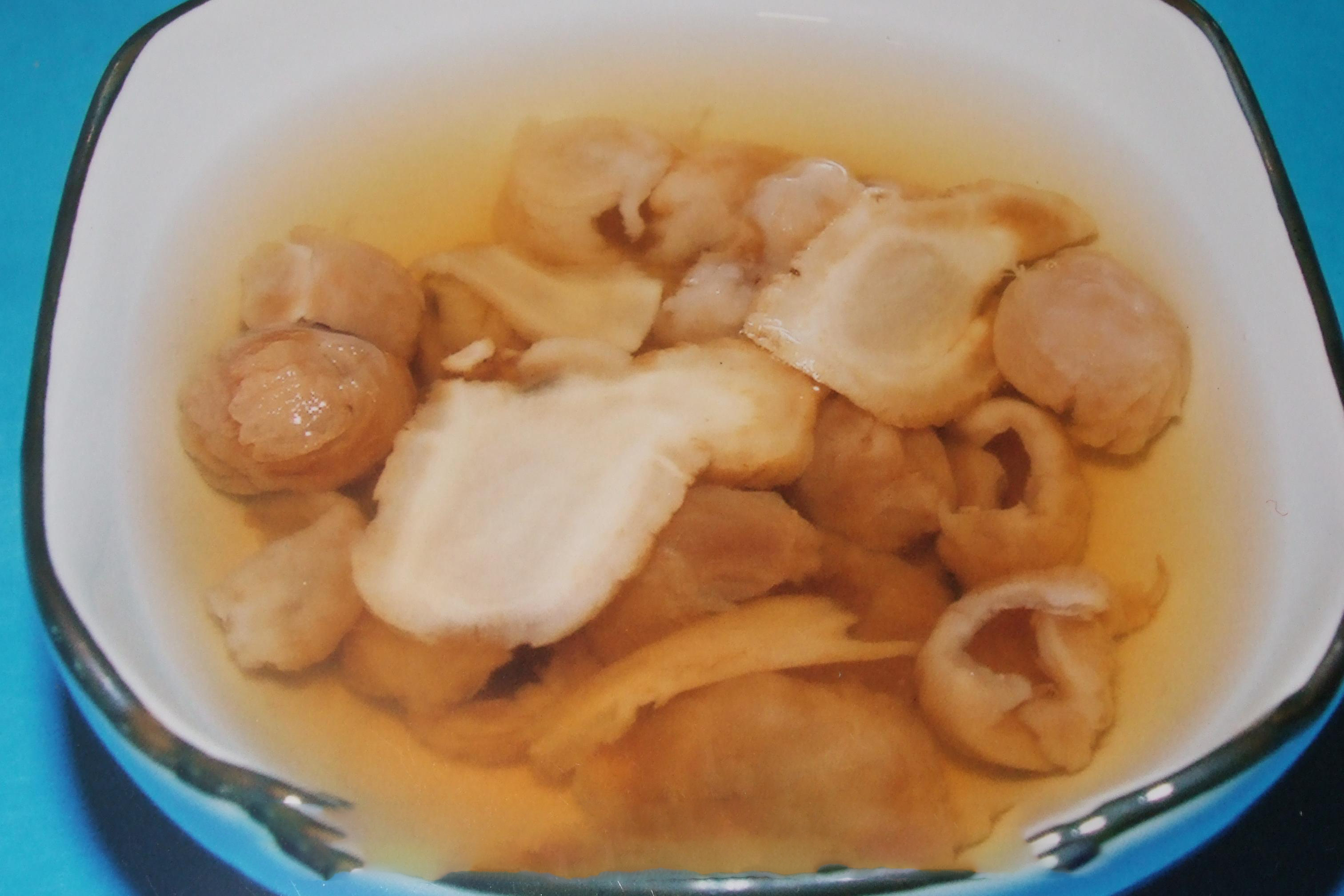
- Remove from heat. Add the American ginseng slices and allow to steep in the hot liquid for 2–3 minutes (ginseng is delicate and benefits from a lower temperature).
- Serve warm and drink directly.
Nourilo’s Tips
Apple skin is genuinely nutritious — rich in fibre and antioxidants — so it is worth keeping it on. The key step is the hot-water soak to remove surface wax and pesticide residue before cooking. For a family portion, simply double all the ingredients. The tart-sweet flavour is pleasant for adults and children alike.
What studies say about the key ingredients
Traditional use is not the same as clinical proof. Here is the strongest human research we found for each ingredient, limitations included.
- American ginseng
The change in the general fatigue score was not significantly different from placebo at 4 weeks (P = .07). At 8 weeks, the ginseng group improved more than placebo (20 vs 10.3, P = .003). Toxicities did not differ between arms.Limitation: The primary endpoint at 4 weeks was not statistically significant, and fatigue was self-reported. Benefit appeared greater in people still receiving cancer treatment.PubMed 23853057 · 1 more american ginseng study - Goji berries
Compared with placebo (n=80), the goji juice group (n=81) reported greater improvements in several self-rated symptoms, including stress, mental acuity, sleep quality and overall well-being, under a random effects model.Limitation: Outcomes were self-reported symptom questionnaires, and several symptoms showed significant heterogeneity across the four pooled trials of a single branded juice.PubMed 22897500 · 3 more goji berries studies
From the Nourilo Research Library. Findings come from specific doses, extracts and populations and may not apply to a home-cooked recipe.
Safety first — read before you cook
This is a traditional food, not a treatment. Please check with your doctor or pharmacist before making it a regular part of your diet if you:
- are pregnant or breastfeeding, or are cooking for a young child;
- take regular medicines — especially blood thinners, blood-pressure, diabetes or immune-suppressing drugs;
- have a kidney, liver or heart condition, or a known food allergy.
Ingredient notes for this recipe
- American ginseng: Has been shown to weaken the effect of warfarin and may lower blood sugar. Talk to your doctor first if you take blood thinners or diabetes medicines. Source: Memorial Sloan Kettering — American Ginseng
- Goji berries: A few cases of raised INR (a bleeding-risk marker) have been reported in people taking warfarin after drinking concentrated goji tea or wine. If you take a blood thinner, check with your doctor. Source: Memorial Sloan Kettering — Lycium
Stop eating it and seek advice if you notice an allergic reaction or feel unwell. Safety notes reviewed 8 October 2026 · How we write safety notes
Comments
Join the conversation — sign in or create a free account to comment.
Continue with GoogleBy continuing with Google or email you confirm you are 16 or older and agree to our Terms of Use and Privacy Policy.
Loading comments…