Soups
Hairy Gourd, Soybean, Dried Scallop and Seaweed Soup
traditionally associated with supporting bone density and promoting healthy weight
In short: Hairy Gourd, Soybean, Dried Scallop and Seaweed Soup is a soup that traditionally associated with supporting bone density and promoting healthy weight. It is most often made for weight & metabolism, bone & joint wellness. Total time about 135 min. Key ingredients: hairy gourd / fuzzy melon, soybeans, ginger.

Why people make this soup
It is easy to cut calories and lose sight of nutrition at the same time — especially for women, who are more prone to fluid retention and, over time, bone loss. Nourilo often reminds people that gradual, sustainable weight management — losing about 1 to 3 pounds a month — is far safer than crash dieting. And this soup fits perfectly into that picture. Hairy gourd helps dispel excess water without the strong cooling effect of winter melon. Paired with high-calcium soybeans, mineral-dense kelp, and the natural sweetness of dried scallops, the result is a broth that is both satisfying and genuinely nourishing. People who want to look after their bones, or who are managing their weight through food, come back to this one again and again.
Method
- Peel the hairy gourds and cut into chunks.
- Soak the dried scallops in a little water until softened (about 20–30 minutes). Reserve the soaking water.
- Soak the soybeans for 1–2 hours, then drain.
- Rinse and soak the kelp briefly, then cut into manageable pieces.
- Place all ingredients — including the scallop soaking water — into a pot. Add enough water to cover (approximately 2.4 L / 2 litres).
- Bring to a boil, then reduce to a gentle simmer and cook for about 2 hours.
- Season lightly if needed. Serve and eat the soup and all the ingredients together.
Nourilo’s Tips
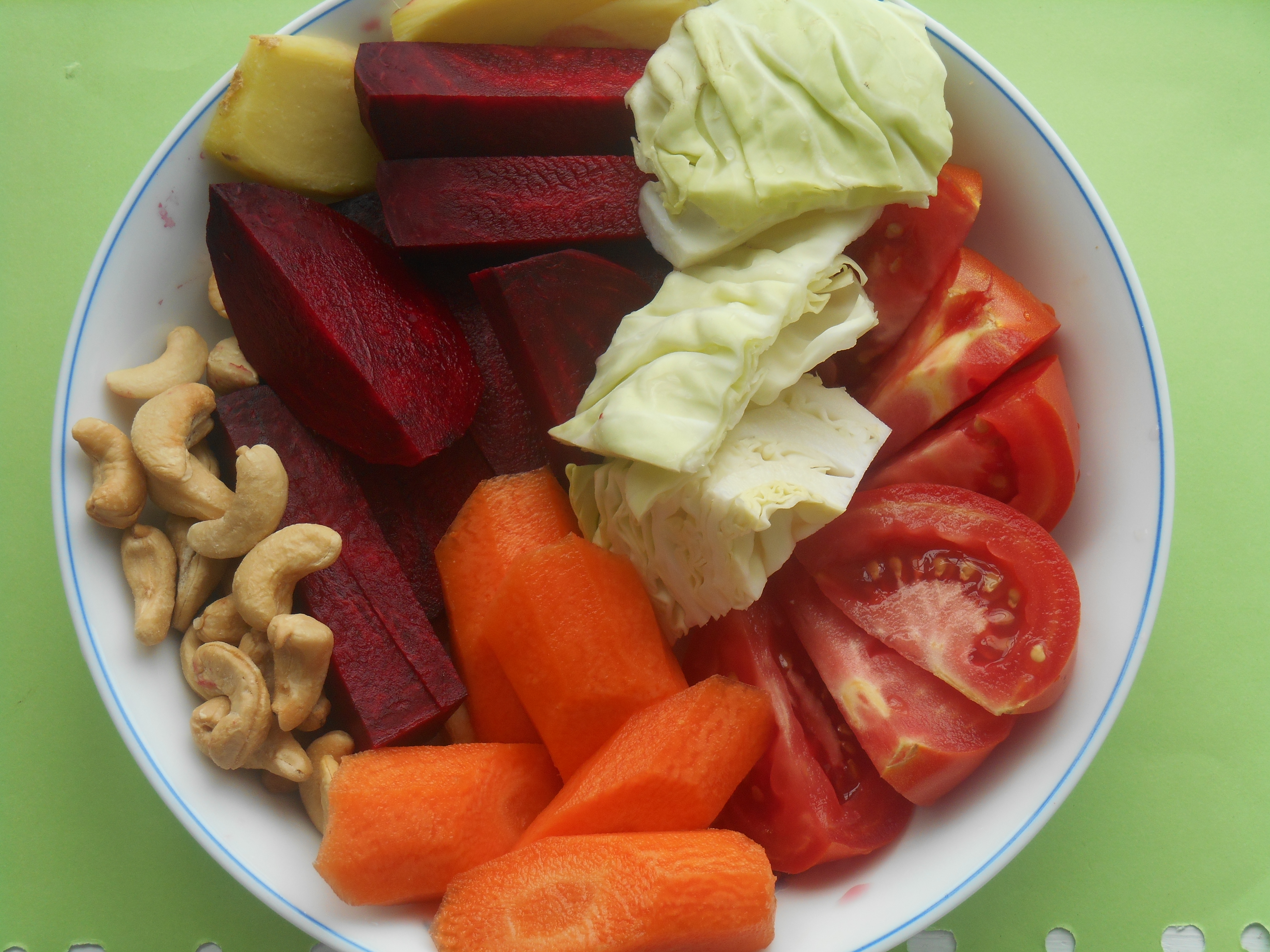
The calcium content in this soup comes from multiple sources — soybeans, kelp, and dried scallops. Beyond bone support, it is a genuinely satisfying everyday soup for managing weight healthily. If you cannot find soybeans, chestnuts or cashews make good substitutes.
What studies say about the key ingredients
Traditional use is not the same as clinical proof. Here is the strongest human research we found for each ingredient, limitations included.
- Ginger
Overall, acute and delayed nausea and vomiting did not differ significantly between ginger and control groups. A subgroup taking 1 g/day or less for over four days had less acute vomiting (OR 0.30).Limitation: Clinical heterogeneity between trials required subgroup analyses, and the authors state that sufficiently large, high-quality RCTs are still needed.PubMed 36501010 · 3 more ginger studies
From the Nourilo Research Library. Findings come from specific doses, extracts and populations and may not apply to a home-cooked recipe.
Safety first — read before you cook
This is a traditional food, not a treatment. Please check with your doctor or pharmacist before making it a regular part of your diet if you:
- are pregnant or breastfeeding, or are cooking for a young child;
- take regular medicines — especially blood thinners, blood-pressure, diabetes or immune-suppressing drugs;
- have a kidney, liver or heart condition, or a known food allergy.
Stop eating it and seek advice if you notice an allergic reaction or feel unwell. Safety notes reviewed 8 October 2026 · How we write safety notes





Comments
Join the conversation — sign in or create a free account to comment.
Continue with GoogleBy continuing with Google or email you confirm you are 16 or older and agree to our Terms of Use and Privacy Policy.
Loading comments…