Soups
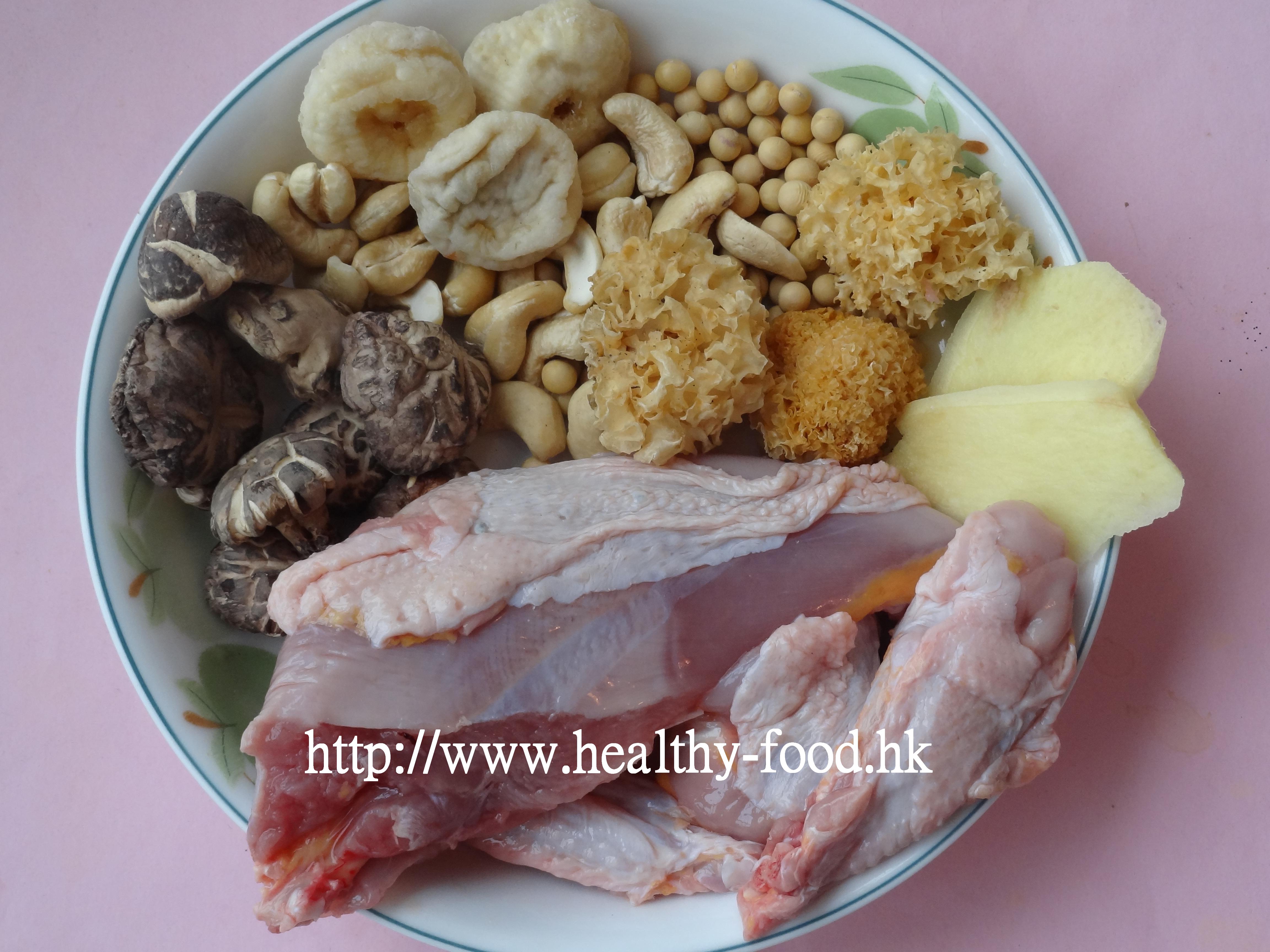
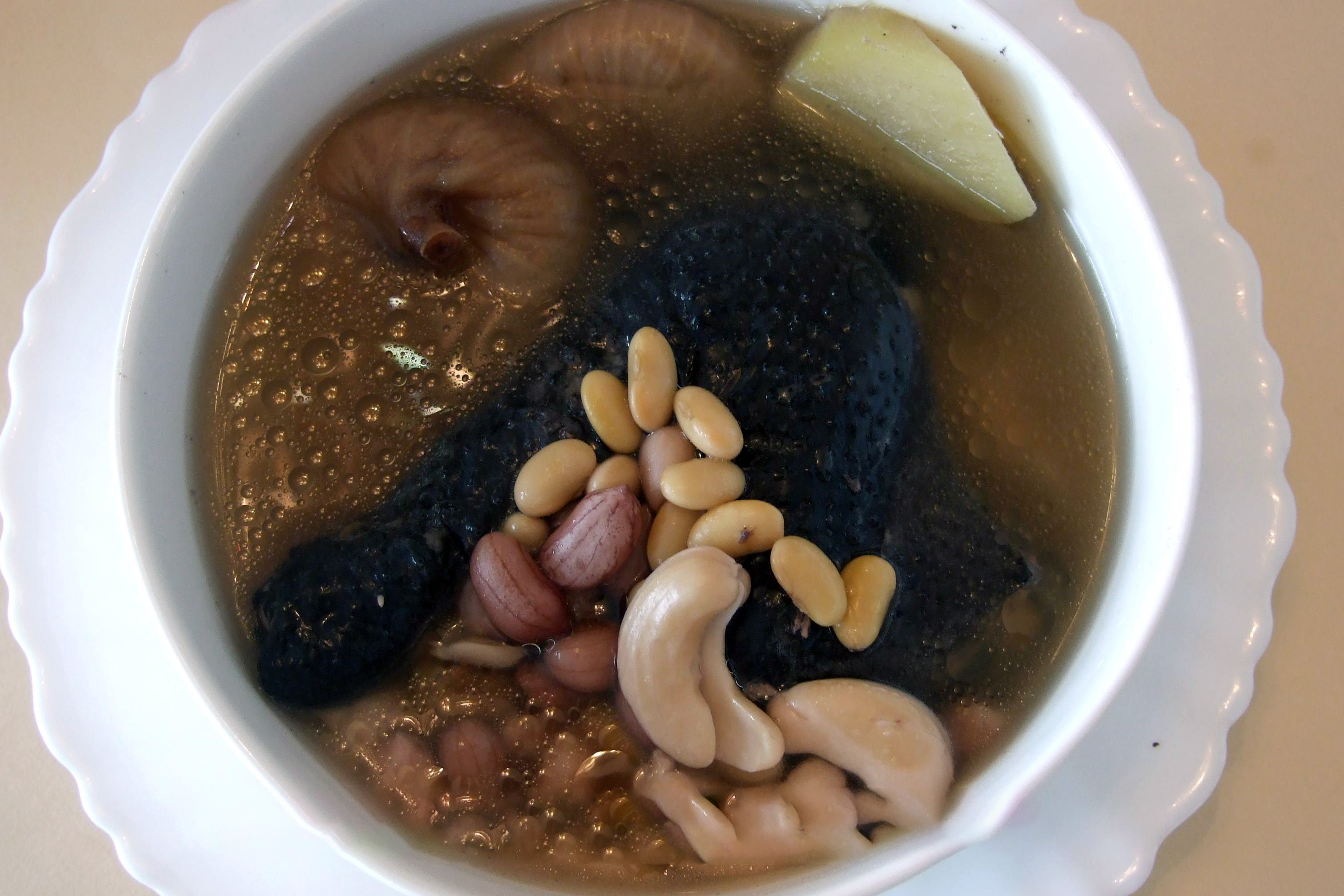
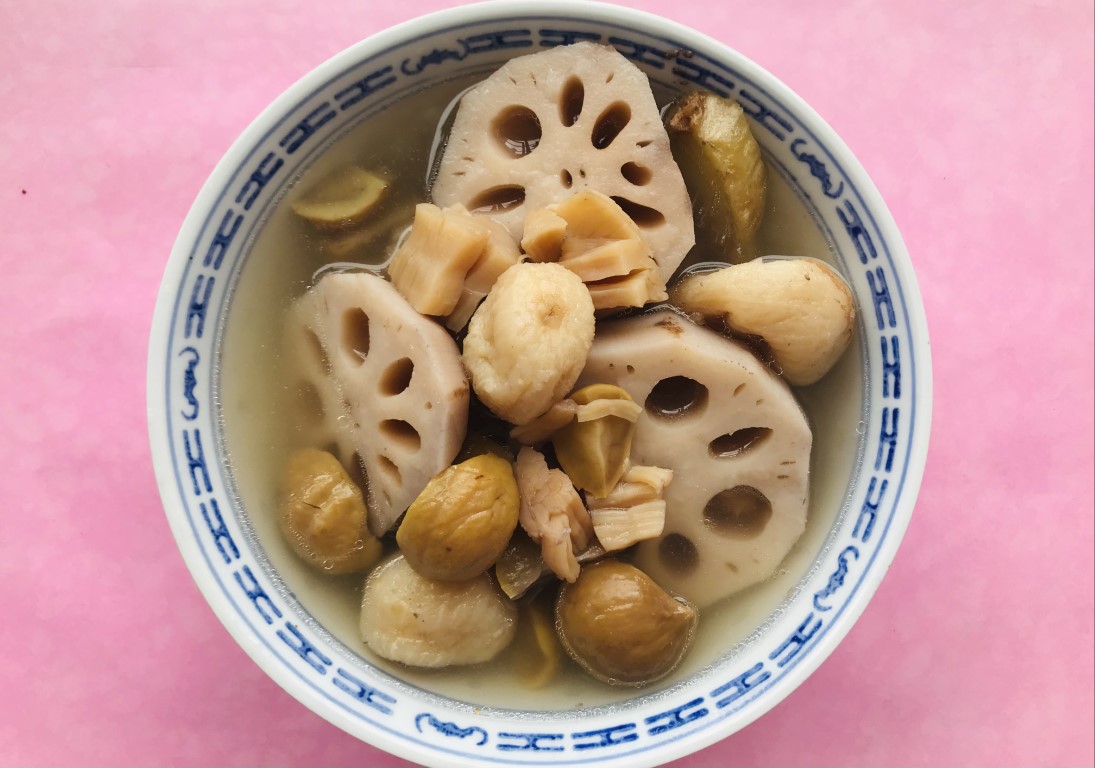
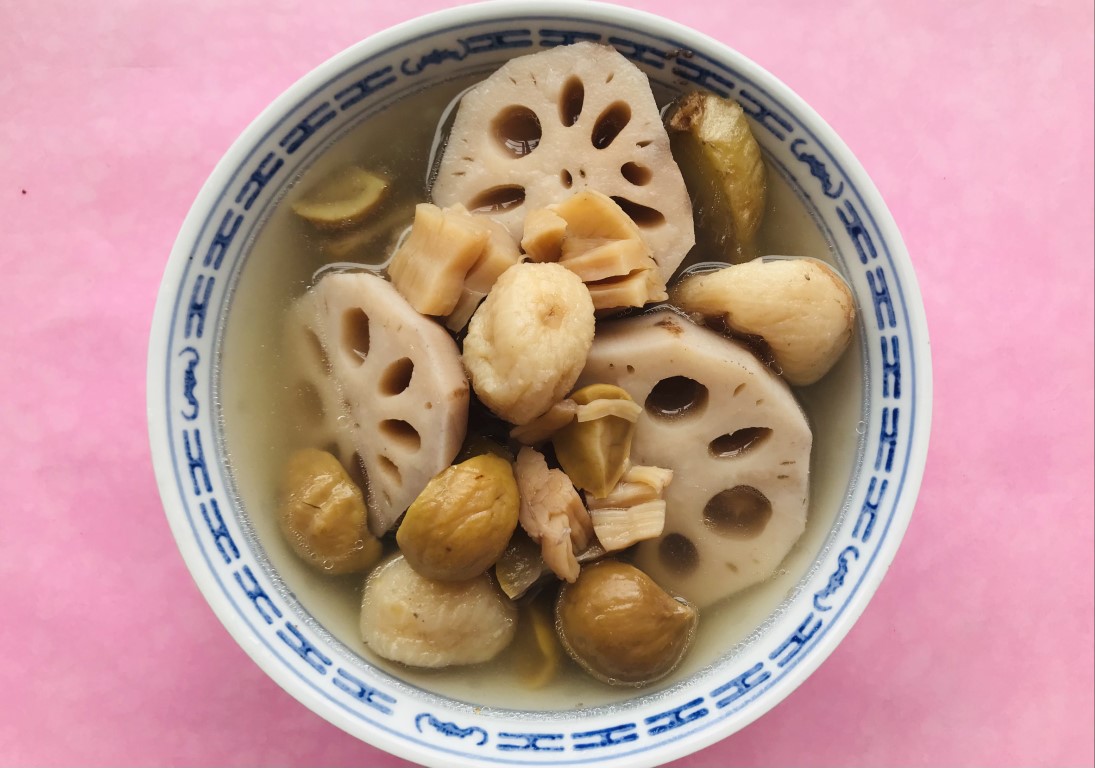
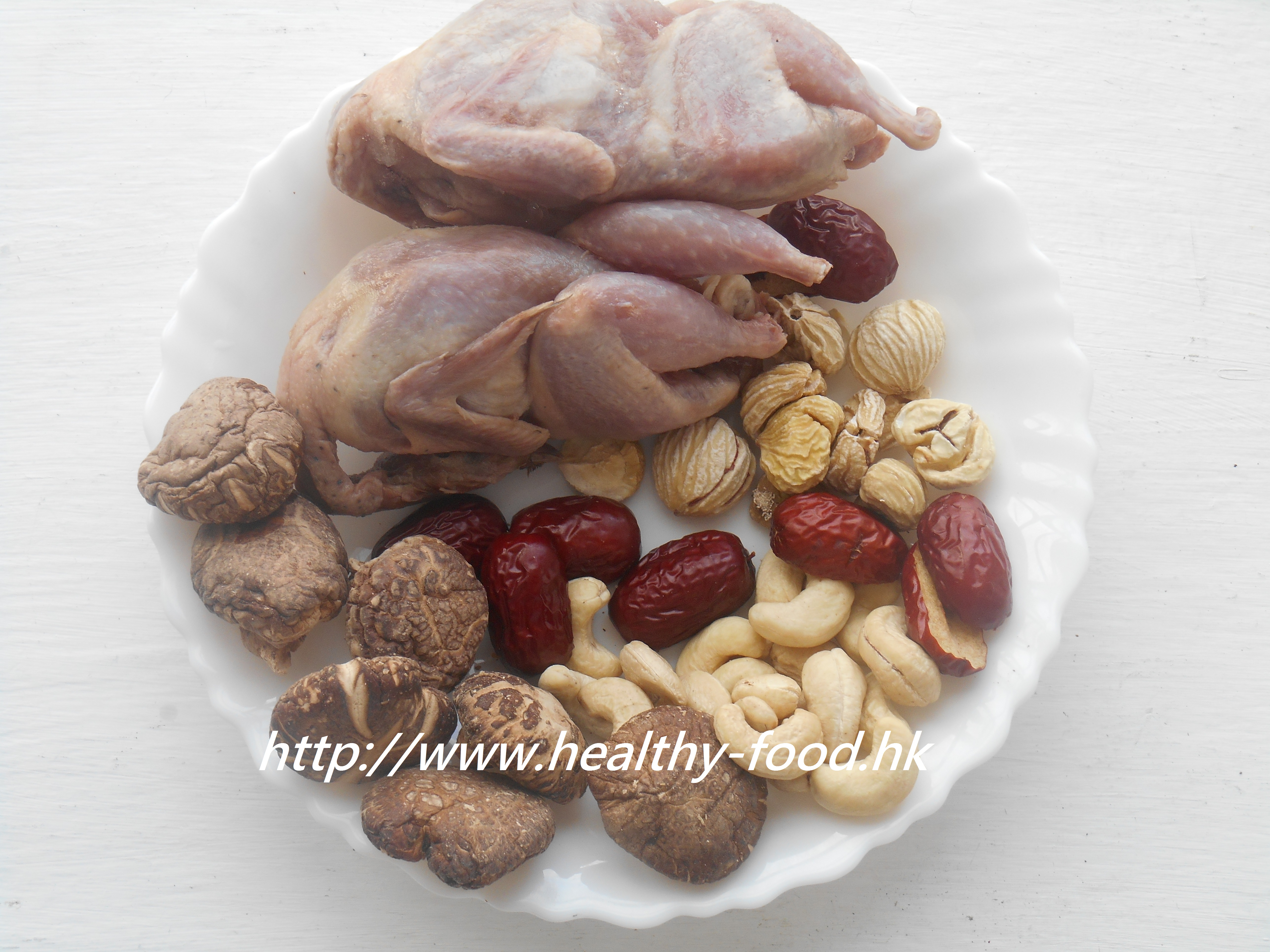
Snow Ear Fungus, Flower Mushroom, Cashew and Mountain Chicken Soup
May support bone nourishment and yin deficiency
In short: Snow Ear Fungus, Flower Mushroom, Cashew and Mountain Chicken Soup is a soup that May support bone nourishment and yin deficiency. It is most often made for bone & joint wellness, everyday balance. Total time about 2 hr 20 min. Key ingredients: soybeans, cashews, figs, ginger.
Why people make this soup
Some people find that rich tonic soups make them feel hot and restless — what traditional Chinese food therapy calls “internal heat from yin deficiency.” This is common in women and in anyone who has been chronically overworked or unwell. Rather than forcing strong tonics that backfire, Nourilo reaches for gentler, yin-nourishing ingredients. This soup builds qi and blood without stoking that internal fire, and mountain chicken (pheasant) is specifically prized in Cantonese cooking for strengthening sinew and bone — a welcome combination for those worried about bone density.
Method
- Soak the snow ear fungus and flower mushrooms in separate bowls of cold water until fully soft, about 20–30 minutes. Remove and discard the tough stems.
- Rinse the soybeans and cashew nuts, and soak briefly.
- Blanch the chicken: place the chicken pieces in cold water, bring to a boil, then discard the blanching water and rinse the chicken clean.
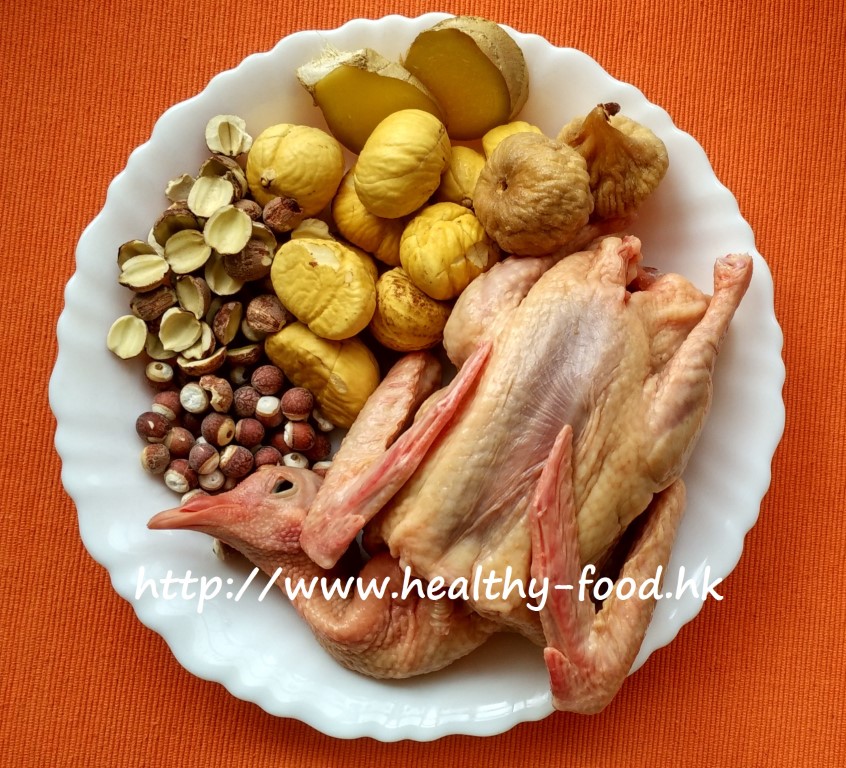
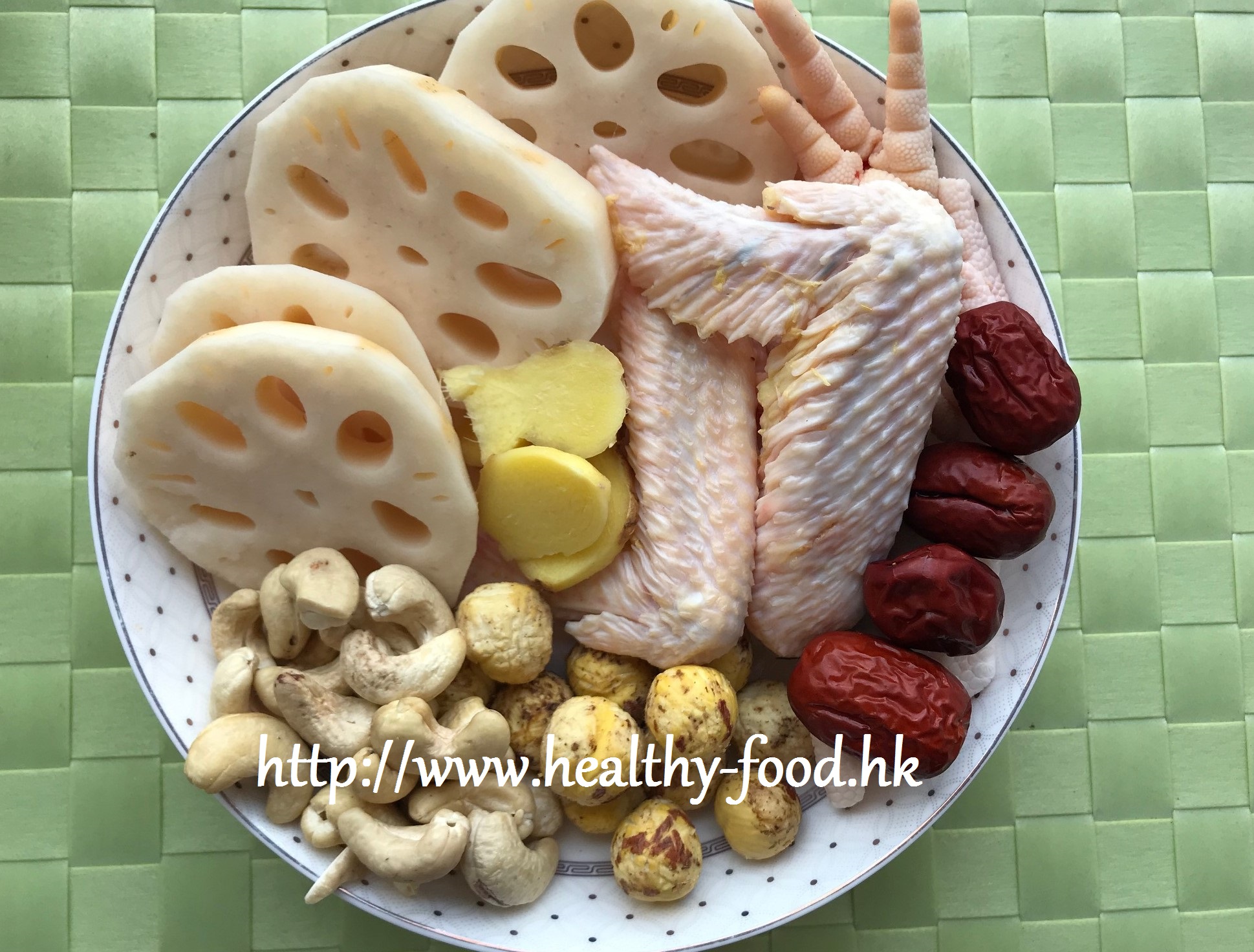
- Place all ingredients in a pot with 2.4 L of water.
- Bring to a boil, then reduce to a gentle simmer and cook for about 2 hours until reduced to approximately 1.2 L.
- Drink the soup and eat the solid ingredients.
Nourilo’s Tips
Mountain chicken is traditionally valued for strengthening tendons and bones, and Nourilo considers it especially suitable for people with osteoporosis to enjoy regularly. If you cannot find fresh or frozen pheasant, free-range chicken (zou di ji) or silkie chicken (zhu si ji) are excellent alternatives and available in most Asian grocery stores. If you prefer a vegetarian version, substitute the chicken with carrot and extra soybeans.
What studies say about the key ingredients
Traditional use is not the same as clinical proof. Here is the strongest human research we found for each ingredient, limitations included.
- Ginger
Overall, acute and delayed nausea and vomiting did not differ significantly between ginger and control groups. A subgroup taking 1 g/day or less for over four days had less acute vomiting (OR 0.30).Limitation: Clinical heterogeneity between trials required subgroup analyses, and the authors state that sufficiently large, high-quality RCTs are still needed.PubMed 36501010 · 3 more ginger studies
From the Nourilo Research Library. Findings come from specific doses, extracts and populations and may not apply to a home-cooked recipe.
Safety first — read before you cook
This is a traditional food, not a treatment. Please check with your doctor or pharmacist before making it a regular part of your diet if you:
- are pregnant or breastfeeding, or are cooking for a young child;
- take regular medicines — especially blood thinners, blood-pressure, diabetes or immune-suppressing drugs;
- have a kidney, liver or heart condition, or a known food allergy.
Stop eating it and seek advice if you notice an allergic reaction or feel unwell. Safety notes reviewed 8 October 2026 · How we write safety notes
Comments
Join the conversation — sign in or create a free account to comment.
Continue with GoogleBy continuing with Google or email you confirm you are 16 or older and agree to our Terms of Use and Privacy Policy.
Loading comments…