Soups
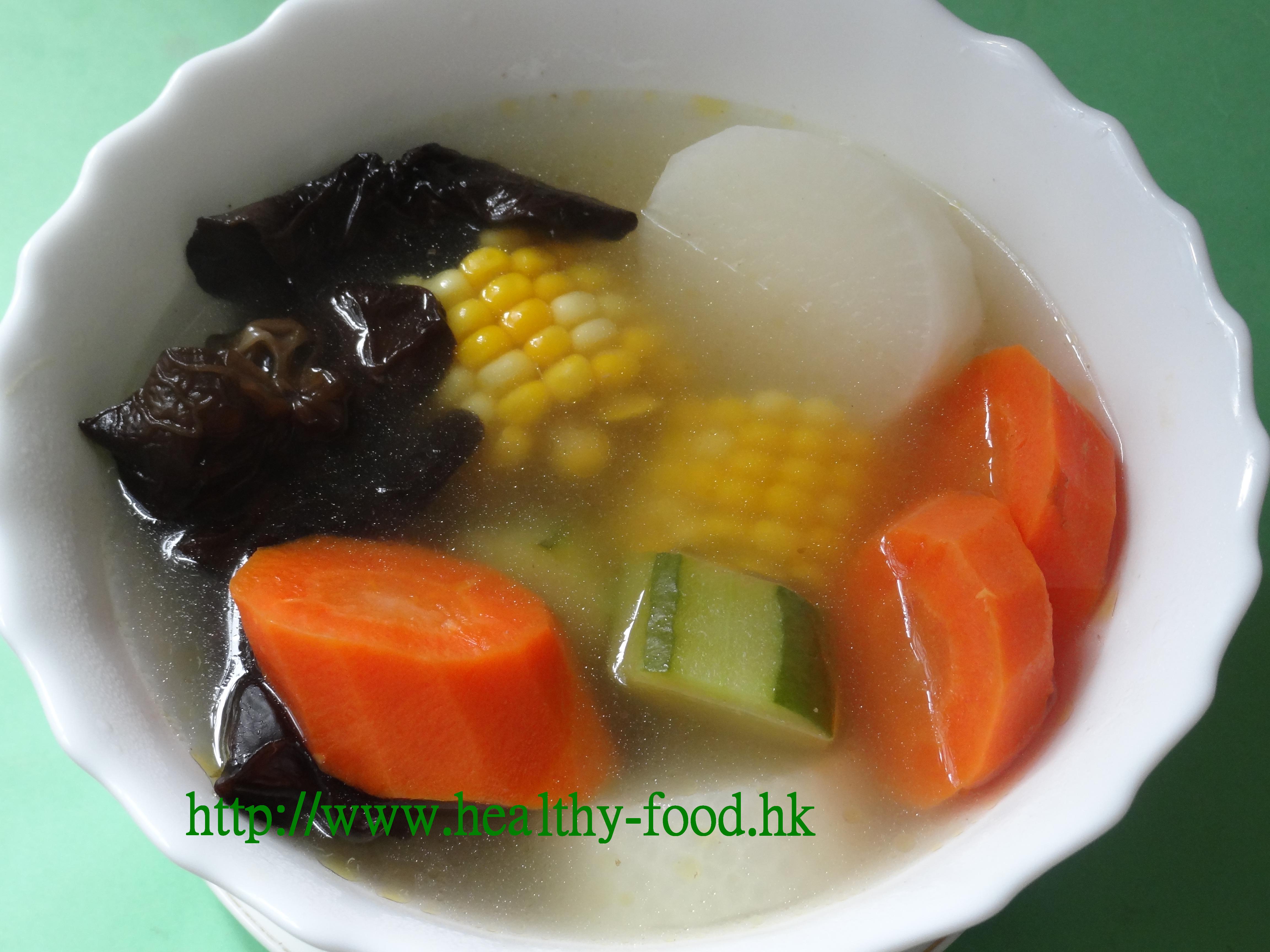
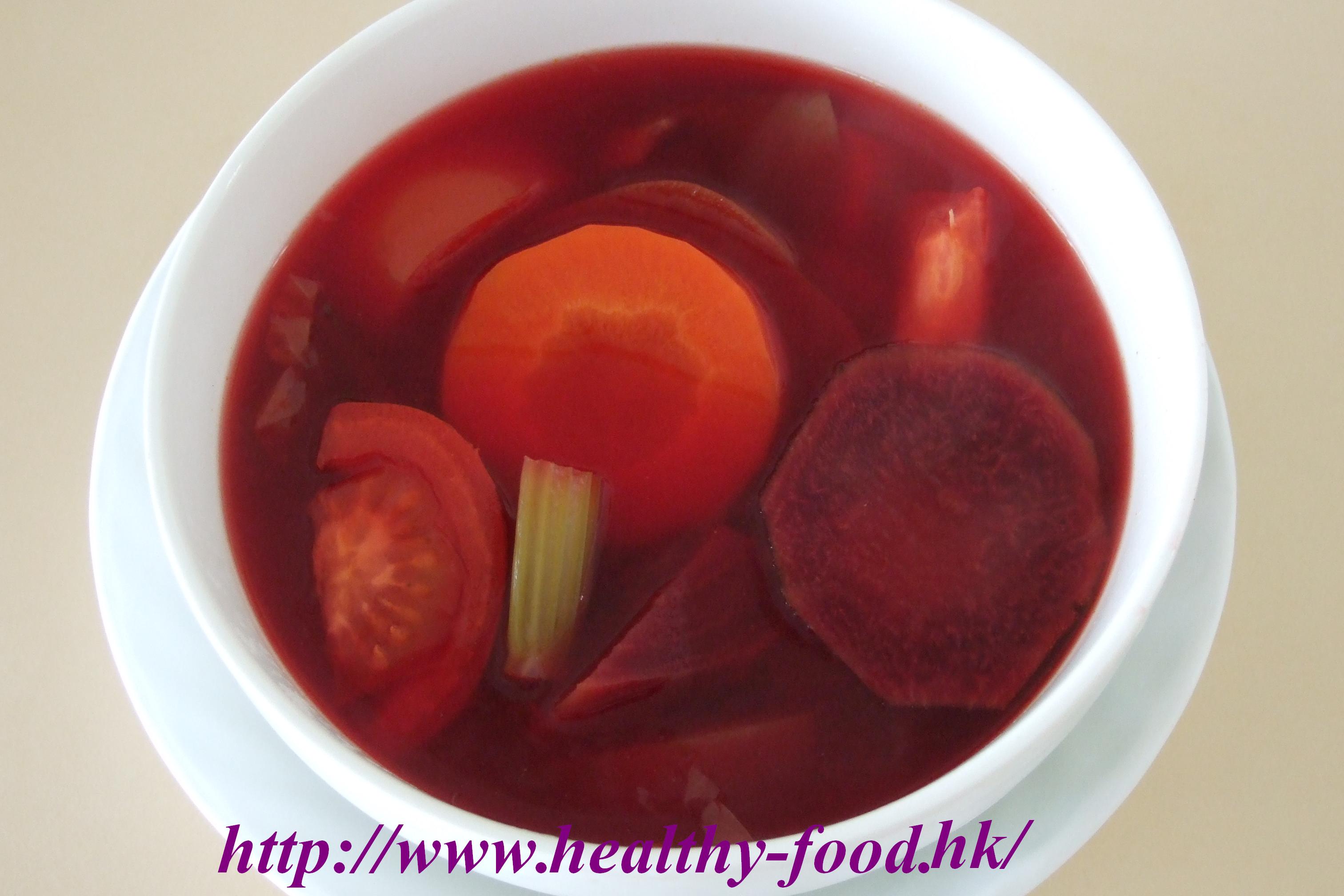
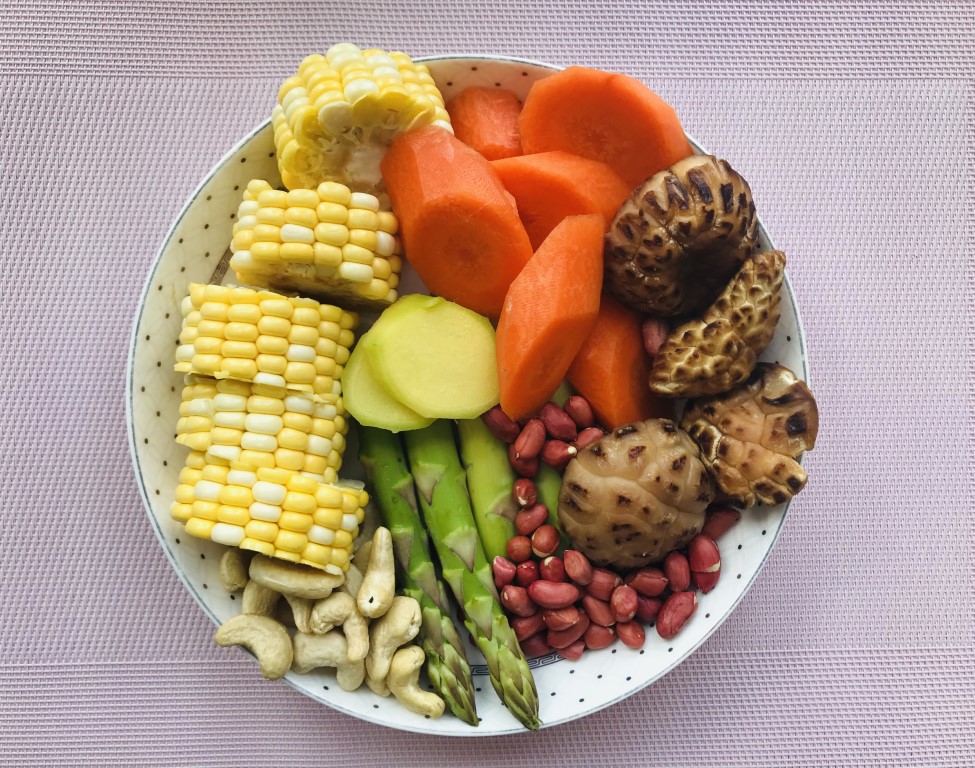
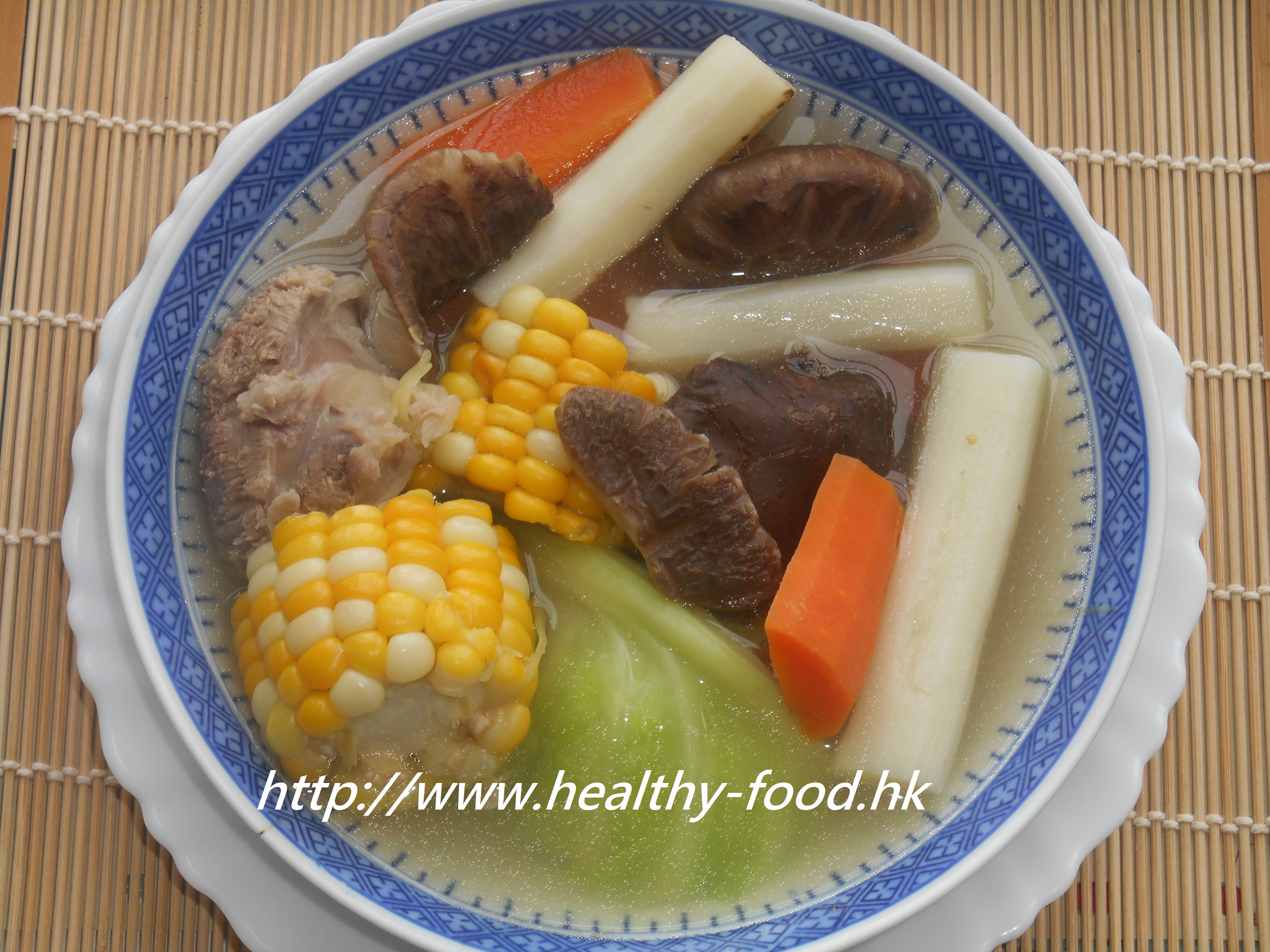
Five-Color Vegetable Soup
supports overall wellness, weight management, and daily nutrition across all organ systems
In short: Five-Color Vegetable Soup is a soup that supports overall wellness, weight management, and daily nutrition across all organ systems. It is most often made for weight & metabolism, everyday balance. Total time about 75 min. Key ingredients: carrot, black wood ear fungus, corn, ginger.
Why people make this soup
In traditional Chinese food therapy, colors matter. The theory goes that green nourishes the liver, red nourishes the heart, yellow nourishes the spleen, white nourishes the lungs, and black nourishes the kidneys. Nourilo is the first to say this is not an absolute rule — modern nutrition tells us that different-colored vegetables contain different vitamins and minerals, which is probably why the principle has held up so well across centuries. By cooking one vegetable of each color together, you get a soup that covers a wide nutritional spectrum in a single pot. The result is naturally sweet, bright-tasting, and easy enough to make every week. It works as a vegetarian soup or as a base for adding lean meat.
Method
- Soak dried wood ear fungus in cold water until fully expanded; trim away tough stems.
- Peel and cut the carrot, white radish, and cucumber into chunks. Peel and cut the corn into rounds.
- Place all vegetables and ginger in a pot. Add 1.8 L of water.
- Bring to a boil, then reduce heat and simmer for 1 hour until reduced to 0.9–1.2 L.
- Season lightly if desired. Drink the soup and eat the vegetables.
Nourilo’s Tips
- This soup is naturally sweet and pleasant — a good way to get reluctant vegetable-eaters to eat more vegetables.
- For vegetarians, add a handful of black beans or kidney beans to reduce the soup’s mild cooling nature and add protein.
- If cooking with lean pork, add it at the beginning with everything else.
- Note: it is often said that green and red (or white) radish should not be cooked together, because the green radish may inhibit certain vitamins in the red carrot. Green radish and white radish are similar in this regard. In practice the effect is minor — some nutritional interaction may reduce benefit slightly, but there is no adverse reaction. If you want to maximize benefit, simply swap the cucumber for another green vegetable such as winter melon.
- Leftover cooked soup can be stored in the fridge and reheated the next day.
What studies say about the key ingredients
Traditional use is not the same as clinical proof. Here is the strongest human research we found for each ingredient, limitations included.
- Ginger
Overall, acute and delayed nausea and vomiting did not differ significantly between ginger and control groups. A subgroup taking 1 g/day or less for over four days had less acute vomiting (OR 0.30).Limitation: Clinical heterogeneity between trials required subgroup analyses, and the authors state that sufficiently large, high-quality RCTs are still needed.PubMed 36501010 · 3 more ginger studies
From the Nourilo Research Library. Findings come from specific doses, extracts and populations and may not apply to a home-cooked recipe.
Safety first — read before you cook
This is a traditional food, not a treatment. Please check with your doctor or pharmacist before making it a regular part of your diet if you:
- are pregnant or breastfeeding, or are cooking for a young child;
- take regular medicines — especially blood thinners, blood-pressure, diabetes or immune-suppressing drugs;
- have a kidney, liver or heart condition, or a known food allergy.
Stop eating it and seek advice if you notice an allergic reaction or feel unwell. Safety notes reviewed 8 October 2026 · How we write safety notes

Comments
Join the conversation — sign in or create a free account to comment.
Continue with GoogleBy continuing with Google or email you confirm you are 16 or older and agree to our Terms of Use and Privacy Policy.
Loading comments…