Herbal & Flower Teas
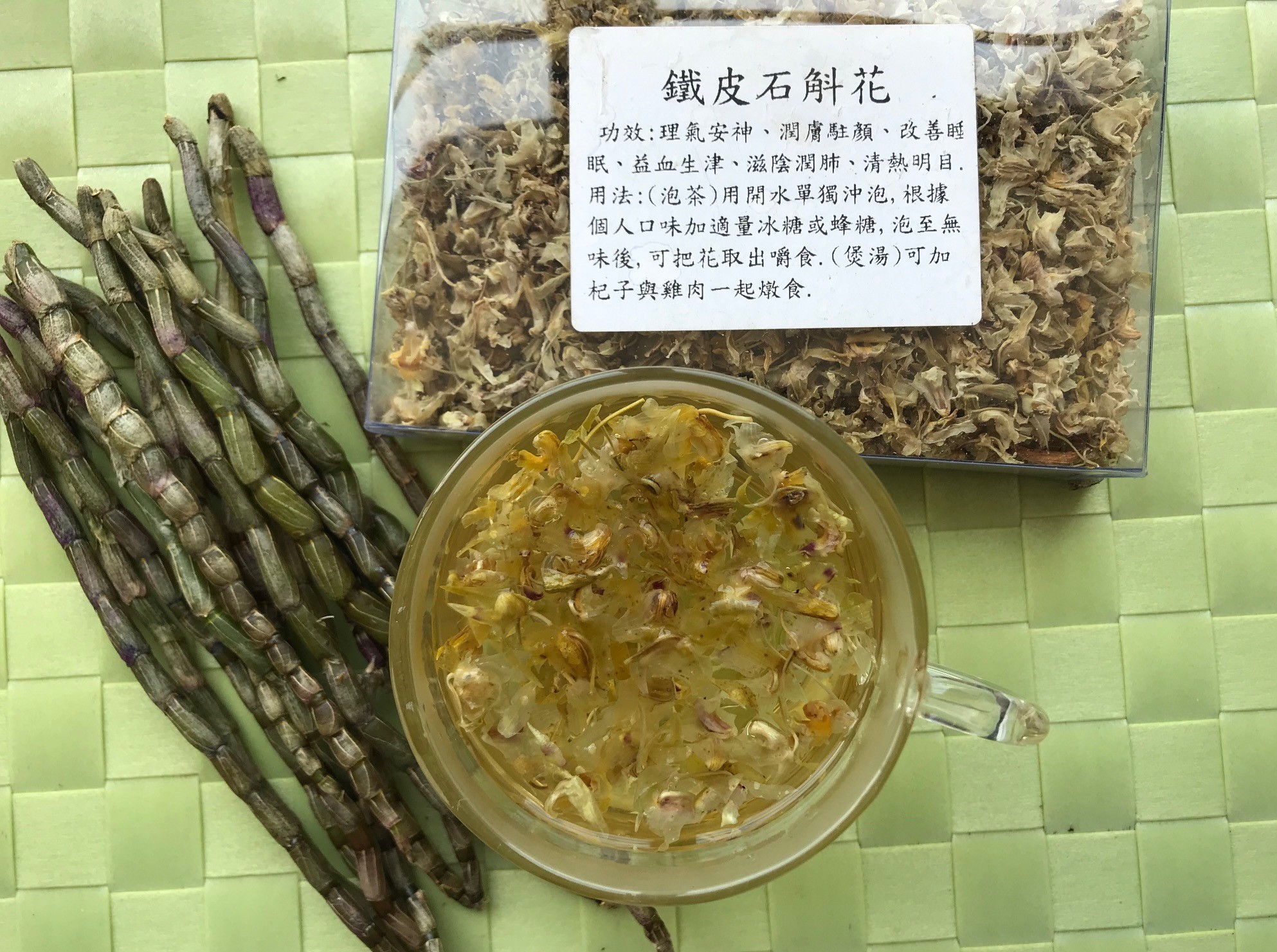
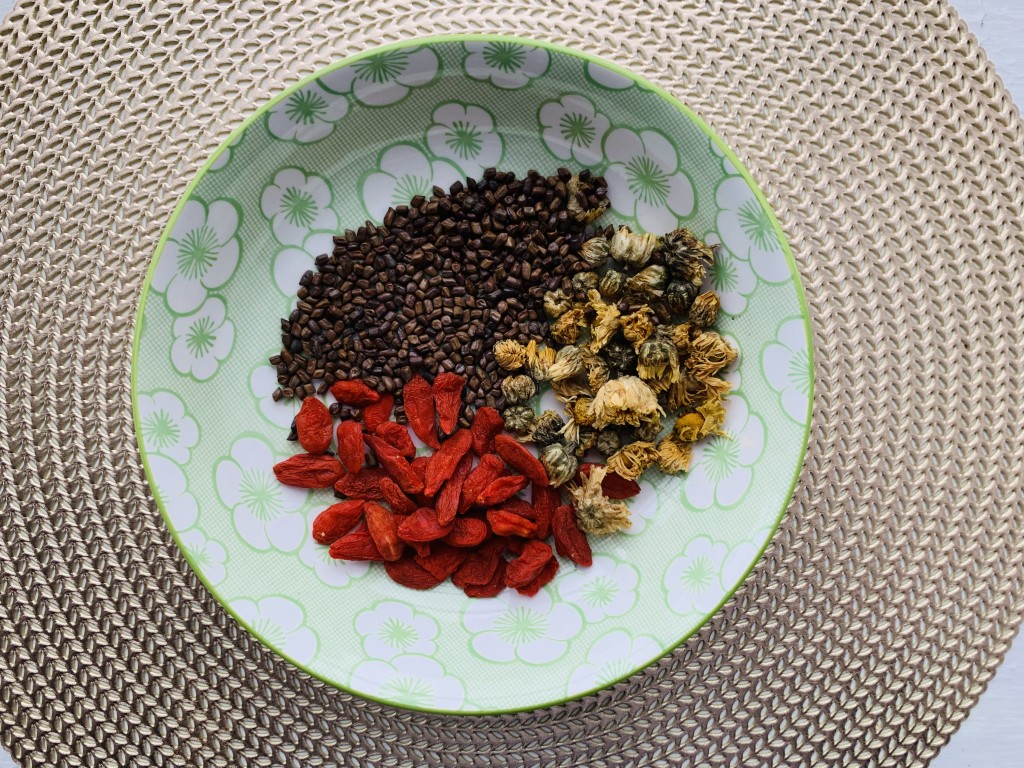
Dendrobium Flower and Chrysanthemum Tea
traditionally used to nourish liver Yin, support eye comfort, and ease emotional tension
In short: Dendrobium Flower and Chrysanthemum Tea is a herbal & flower tea that traditionally used to nourish liver Yin, support eye comfort, and ease emotional tension. It is most often made for liver wellness, sleep & calm, eye wellness. Total time about 10 min. Key ingredients: chrysanthemum.
Why people make this tea
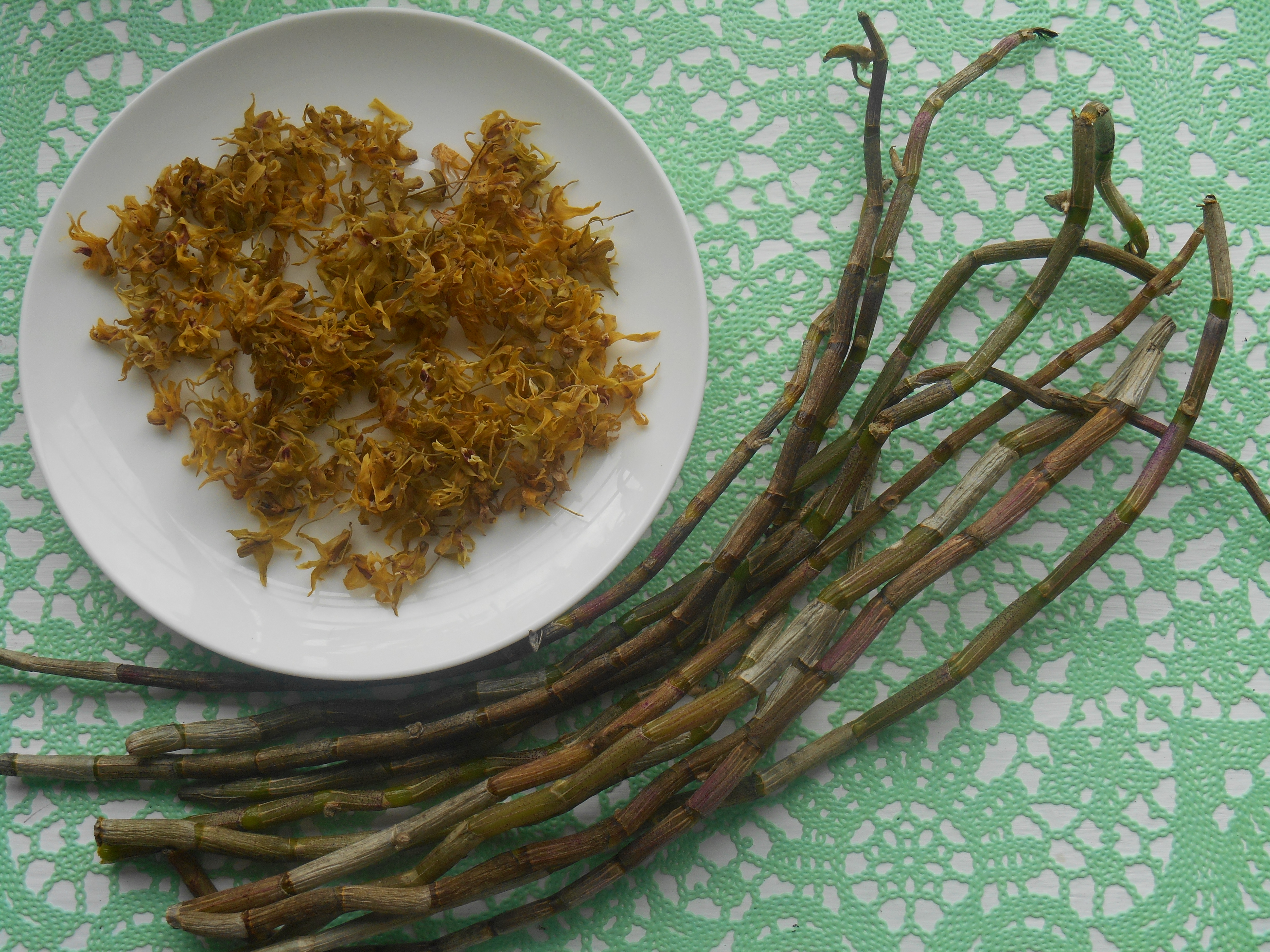
Dendrobium flowers (shi hu hua) from iron-bark dendrobium (tie pi shi hu) are a relatively recent addition to the traditional herbal tea repertoire — the plant has long been used in Chinese medicine for its stem, but the flowers carry a similar and somewhat gentler quality with a beautiful fragrance. Available at specialist herb and tea shops and Asian grocers, they are worth seeking out. According to traditional understanding, they support the liver and stomach systems, benefit the eyes, ease emotional tension, and have a generally nourishing effect on Yin fluids — meaning they are considered particularly suited to people who feel run-down, dry-eyed, or emotionally depleted.
Paired with chrysanthemum — one of the most trusted herbs in Chinese eye-care tradition — this tea becomes something lovely: fragrant, clear in colour, easy to drink, and genuinely appropriate for anyone who spends a lot of time at a computer or under artificial lighting.
Method
- Place the dendrobium flowers and chrysanthemum into a teapot or heatproof glass.
- Rinse once with a small splash of boiling water, then discard this first rinse — this cleans the flowers.
- Pour in freshly boiled water, cover, and steep for 5 minutes.
- Pour and drink. The flowers can be re-steeped with fresh water throughout the day until the flavour fades.
Nourilo’s Tips
After steeping, the dendrobium flowers become pleasantly crisp and can be eaten as a snack — they have a refreshing, slightly crunchy texture. A bowl of scrambled eggs with the leftover steeped flowers is a delicious way to use them up.
Any variety of chrysanthemum works for this tea: hangzhou chrysanthemum (hang ju), tribute chrysanthemum (gong ju), and bud chrysanthemum (tai ju) are all fine. Tai ju is the smallest variety — it blooms beautifully when steeped and has a lovely golden colour.
If you are using stone dendrobium (shi hu) in powdered form rather than the flowers, the best approach is to dissolve the powder in warm water and drink it. Genuine iron-bark dendrobium powder has a slight stickiness when mixed — if the powder dissolves cleanly without any stickiness, it may not be authentic. Keep chrysanthemum as a separate steep in that case.
Drink this tea 3–4 times per week rather than daily if you run cold.
What studies say about the key ingredients
Traditional use is not the same as clinical proof. Here is the strongest human research we found for each ingredient, limitations included.
- Dendrobium
Salivary flow rate and oral mucosal scores improved more in the Dendrobium group than in the control group using vitamin B12 rinse alone (P < .05). Serum IL-10 rose from baseline, and oral bacterial composition differed.Limitation: Small single-hospital sample; the Dendrobium group also used the B12 rinse, and the abstract does not say whether the control group received a placebo drink.PubMed 39811879 · 2 more dendrobium studies - Chrysanthemum
Compared with the high-fat meal alone, the extract group had lower postprandial glucose at 1 hour and higher antioxidant markers (T-AOC, SOD, GSH), with lower MDA. Incremental area under the curve did not differ significantly between groups.Limitation: Small sample of healthy young adults given a single high-fat meal, so longer-term effects and effects in people with metabolic conditions are unknown.PubMed 36677639 · 1 more chrysanthemum study
From the Nourilo Research Library. Findings come from specific doses, extracts and populations and may not apply to a home-cooked recipe.
Safety first — read before you cook
This is a traditional food, not a treatment. Please check with your doctor or pharmacist before making it a regular part of your diet if you:
- are pregnant or breastfeeding, or are cooking for a young child;
- take regular medicines — especially blood thinners, blood-pressure, diabetes or immune-suppressing drugs;
- have a kidney, liver or heart condition, or a known food allergy.
Stop eating it and seek advice if you notice an allergic reaction or feel unwell. Safety notes reviewed 8 October 2026 · How we write safety notes
Comments
Join the conversation — sign in or create a free account to comment.
Continue with GoogleBy continuing with Google or email you confirm you are 16 or older and agree to our Terms of Use and Privacy Policy.
Loading comments…