Soups
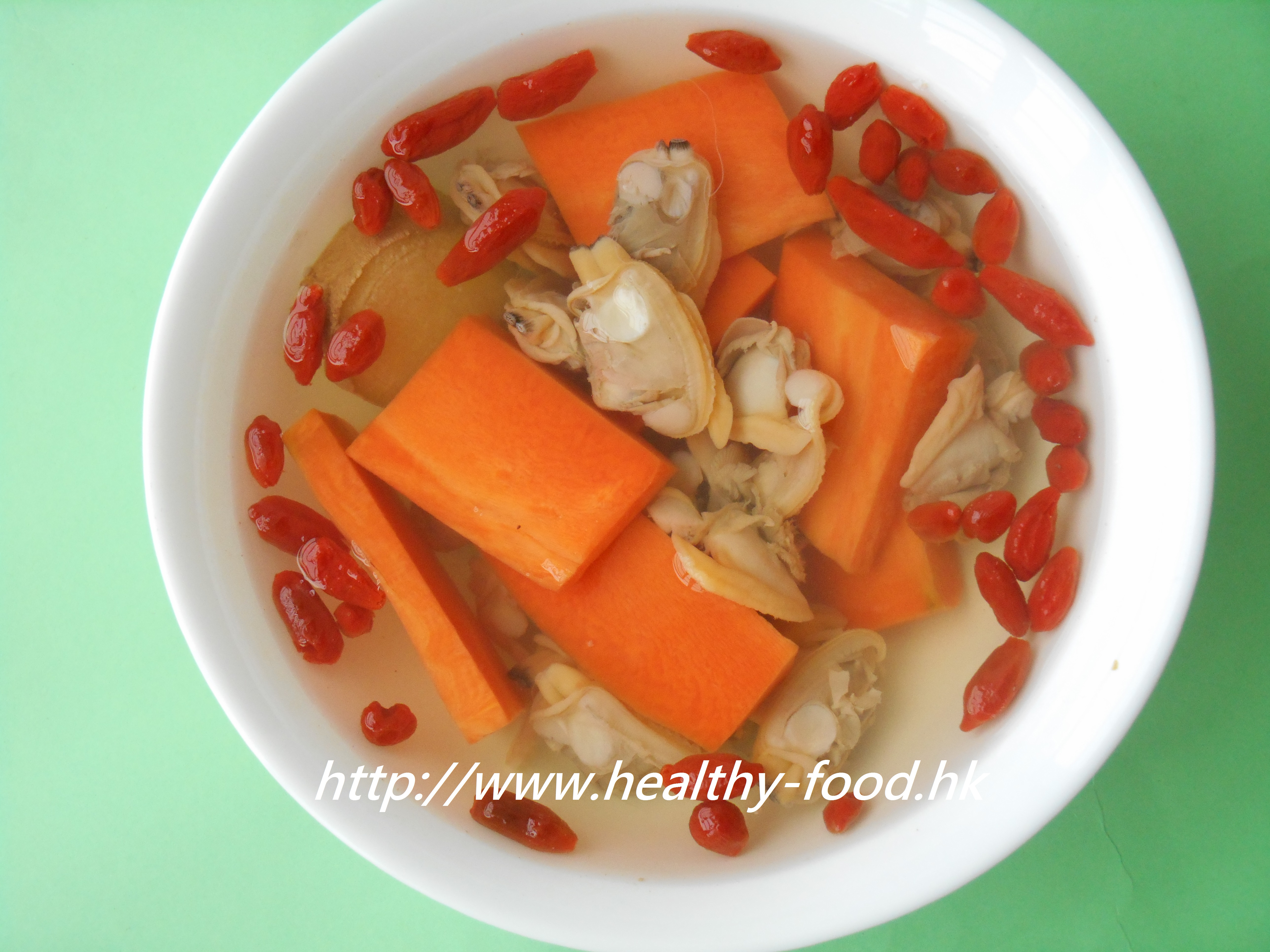
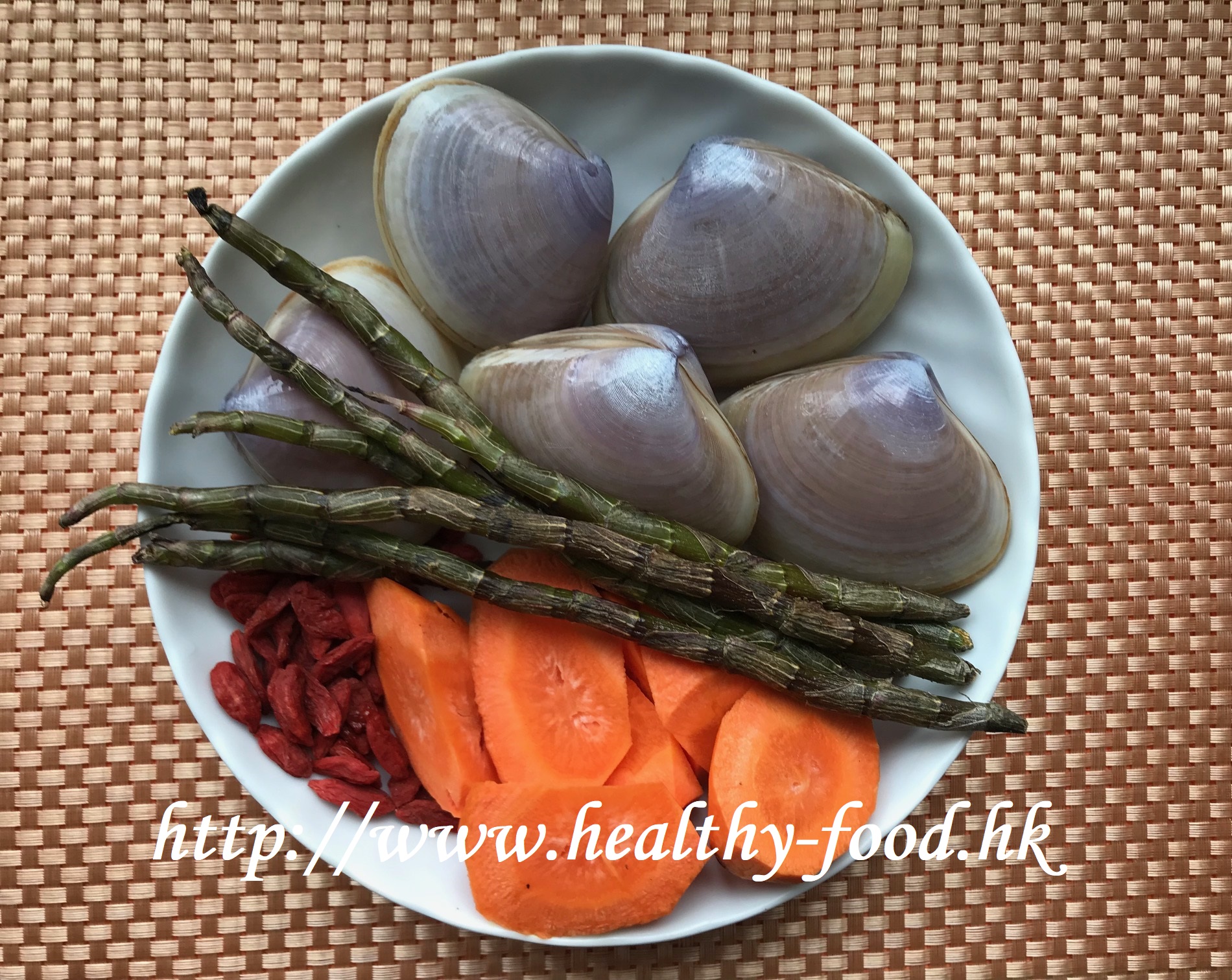
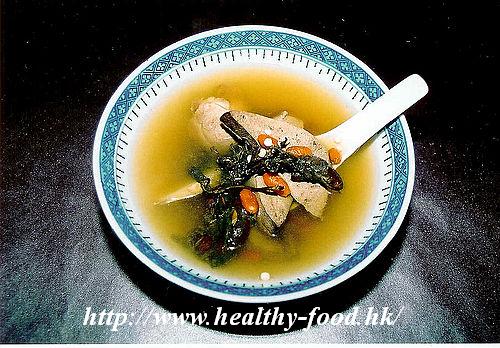
Goji Berry, Carrot & Fresh Clam Soup
traditionally nourishes the liver and eyes; associated with supporting healthy blood sugar balance
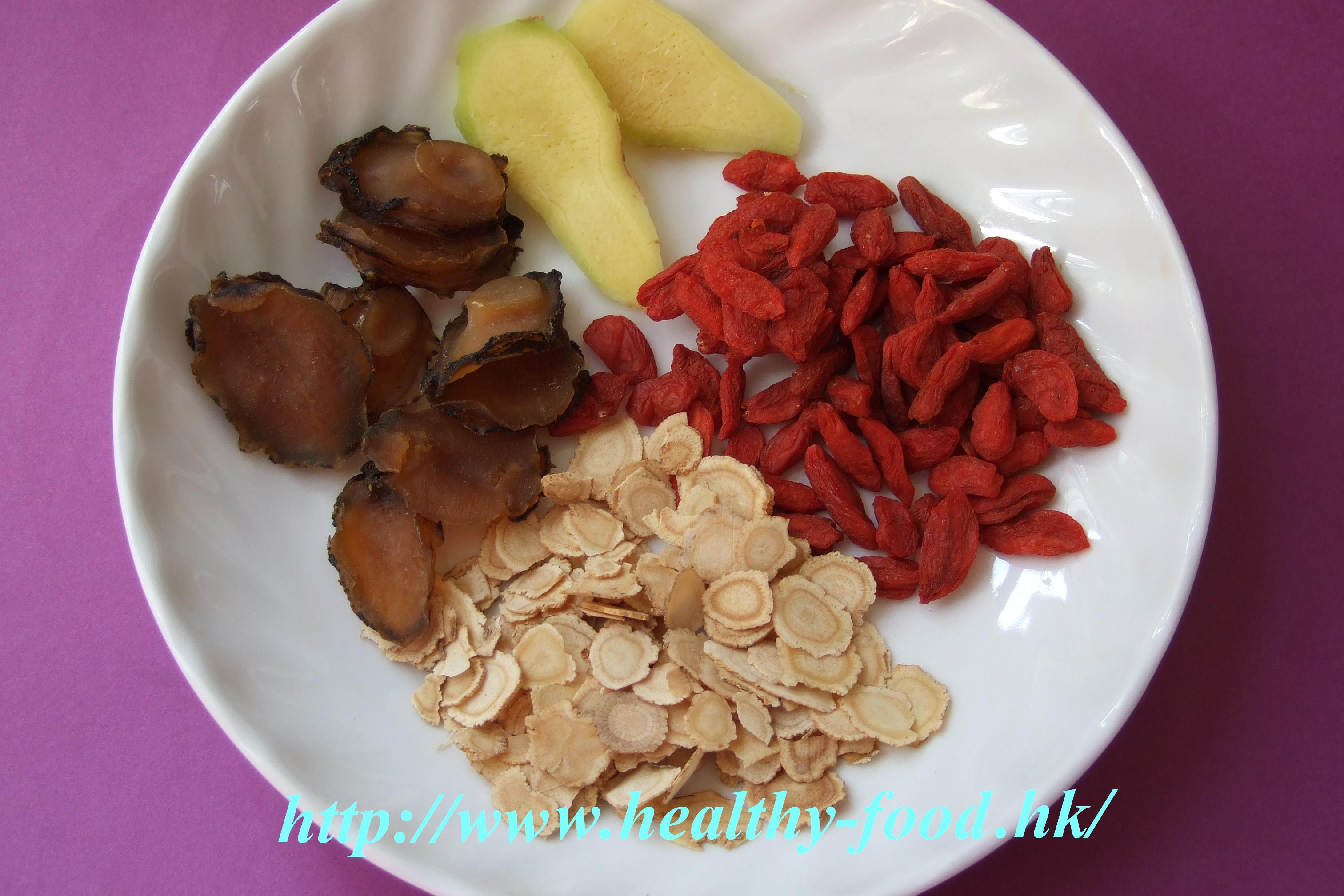
In short: Goji Berry, Carrot & Fresh Clam Soup is a soup that traditionally nourishes the liver and eyes; associated with supporting healthy blood sugar balance. It is most often made for blood sugar balance, liver wellness, blood nourishment. Total time about 1 hr 20 min. Key ingredients: goji berries, carrot, ginger.
Why people make this soup
People managing diabetes often experience a gradual decline in eye health — dry, blurry eyes, and difficulty focusing. In Chinese food therapy, this is understood as the liver and kidneys struggling to nourish the eyes over time. Goji berries are perhaps the best-known traditional ingredient for eye support in Chinese medicine — they are rich in zeaxanthin and lutein, nutrients that modern nutrition science also associates with retinal health. Paired with carrots (rich in beta-carotene) and fresh clams (high in zinc, iron, and taurine), this is a soup that is both delicious and genuinely well-thought-out from a nutritional standpoint. It is equally useful for people whose eyes are simply tired from long hours at a computer — this kind of everyday visual fatigue also benefits from regular nourishment.
Method
- Rinse the goji berries in cold water and soak briefly. Peel the carrot and cut into large chunks.
- Prepare the clams: drop the live clams into a pot of boiling water and cook until the shells open — this takes about 1–2 minutes. Remove the clam meat from the shells as soon as they open. Discard any clams that do not open. Set the clam meat aside.
- Place the clam meat, goji berries, carrot chunks, and ginger slices into a clean soup pot. Add 1.8 L of fresh water.
- Bring to a boil, then reduce to a gentle simmer. Cook for 1 hour.
- Season lightly with salt if desired. Serve and drink the soup; also eat the carrot, goji berries, and clam meat.
Nourilo’s Tips
The key to this soup is freshness. Live clams dropped into boiling water will open almost immediately when ready — any that stay shut after cooking should be thrown away, as they are no longer fresh and can smell unpleasant. If fresh clams are unavailable where you live, dried clam meat works well (use about 75 g). Canned clams are not ideal. Frozen clam meat is acceptable as a last resort, though the flavour will not be as good. Flower clams (hua jia) are a slightly meatier and more expensive variety that can be used interchangeably.
What studies say about the key ingredients
Traditional use is not the same as clinical proof. Here is the strongest human research we found for each ingredient, limitations included.
- Goji berries
Compared with placebo (n=80), the goji juice group (n=81) reported greater improvements in several self-rated symptoms, including stress, mental acuity, sleep quality and overall well-being, under a random effects model.Limitation: Outcomes were self-reported symptom questionnaires, and several symptoms showed significant heterogeneity across the four pooled trials of a single branded juice.PubMed 22897500 · 3 more goji berries studies - Ginger
Overall, acute and delayed nausea and vomiting did not differ significantly between ginger and control groups. A subgroup taking 1 g/day or less for over four days had less acute vomiting (OR 0.30).Limitation: Clinical heterogeneity between trials required subgroup analyses, and the authors state that sufficiently large, high-quality RCTs are still needed.PubMed 36501010 · 3 more ginger studies
From the Nourilo Research Library. Findings come from specific doses, extracts and populations and may not apply to a home-cooked recipe.
Safety first — read before you cook
This is a traditional food, not a treatment. Please check with your doctor or pharmacist before making it a regular part of your diet if you:
- are pregnant or breastfeeding, or are cooking for a young child;
- take regular medicines — especially blood thinners, blood-pressure, diabetes or immune-suppressing drugs;
- have a kidney, liver or heart condition, or a known food allergy.
Ingredient notes for this recipe
- Goji berries: A few cases of raised INR (a bleeding-risk marker) have been reported in people taking warfarin after drinking concentrated goji tea or wine. If you take a blood thinner, check with your doctor. Source: Memorial Sloan Kettering — Lycium
Stop eating it and seek advice if you notice an allergic reaction or feel unwell. Safety notes reviewed 8 October 2026 · How we write safety notes
Comments
Join the conversation — sign in or create a free account to comment.
Continue with GoogleBy continuing with Google or email you confirm you are 16 or older and agree to our Terms of Use and Privacy Policy.
Loading comments…