Soups
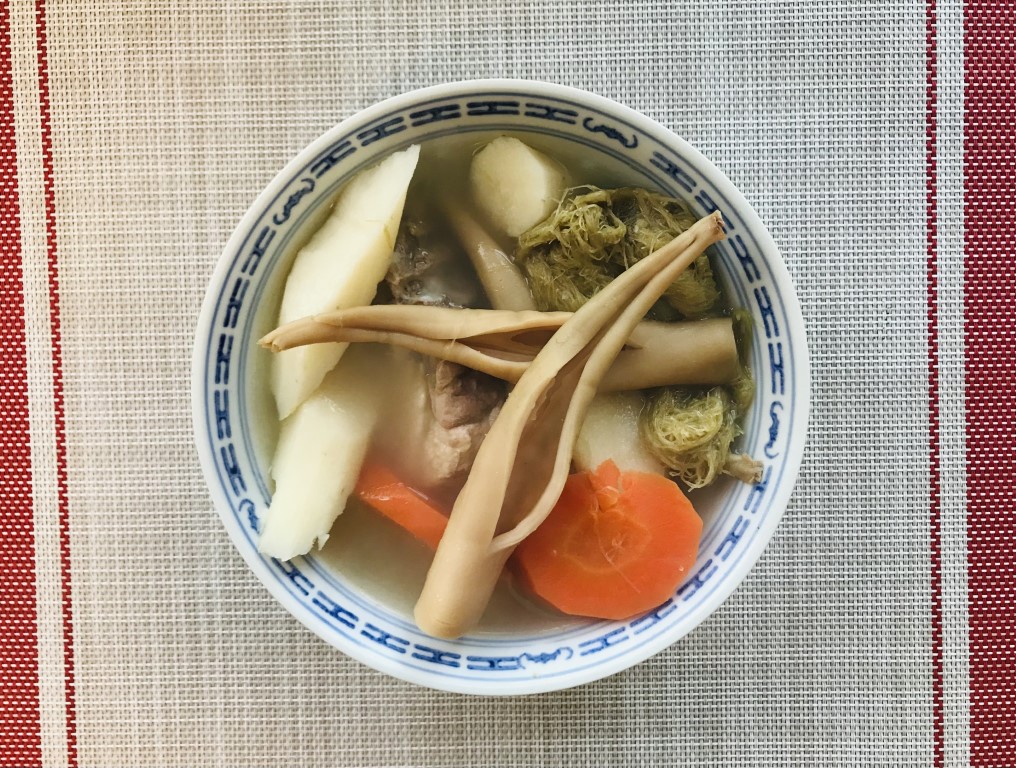
Fresh Chinese Yam, Corn Silk, Carrot and Dried Geoduck Clam Soup
Traditionally associated with supporting kidney-liver health, reducing thirst, and easing fluid retention related to metabolic conditions
In short: Fresh Chinese Yam, Corn Silk, Carrot and Dried Geoduck Clam Soup is a soup that Traditionally associated with supporting kidney-liver health, reducing thirst, and easing fluid retention related to metabolic conditions. It is most often made for respiratory & lung wellness, digestive wellness, children's wellness. Total time about 1 hr 50 min. Key ingredients: chinese yam, corn silk, carrot, ginger.
Why people make this soup
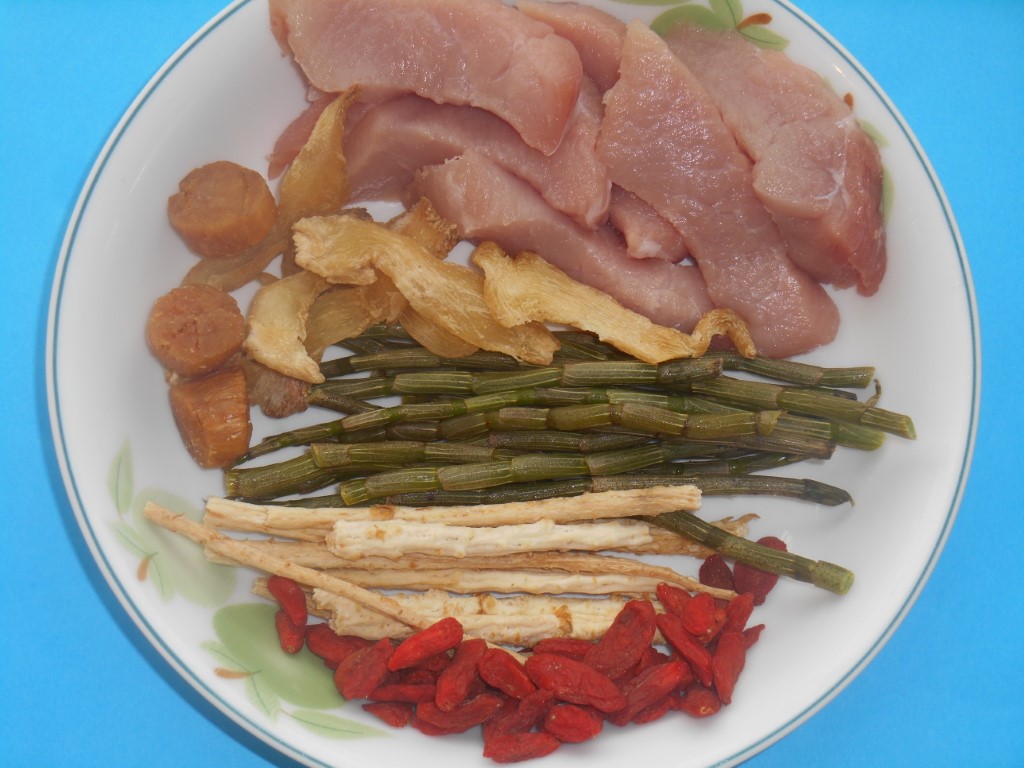
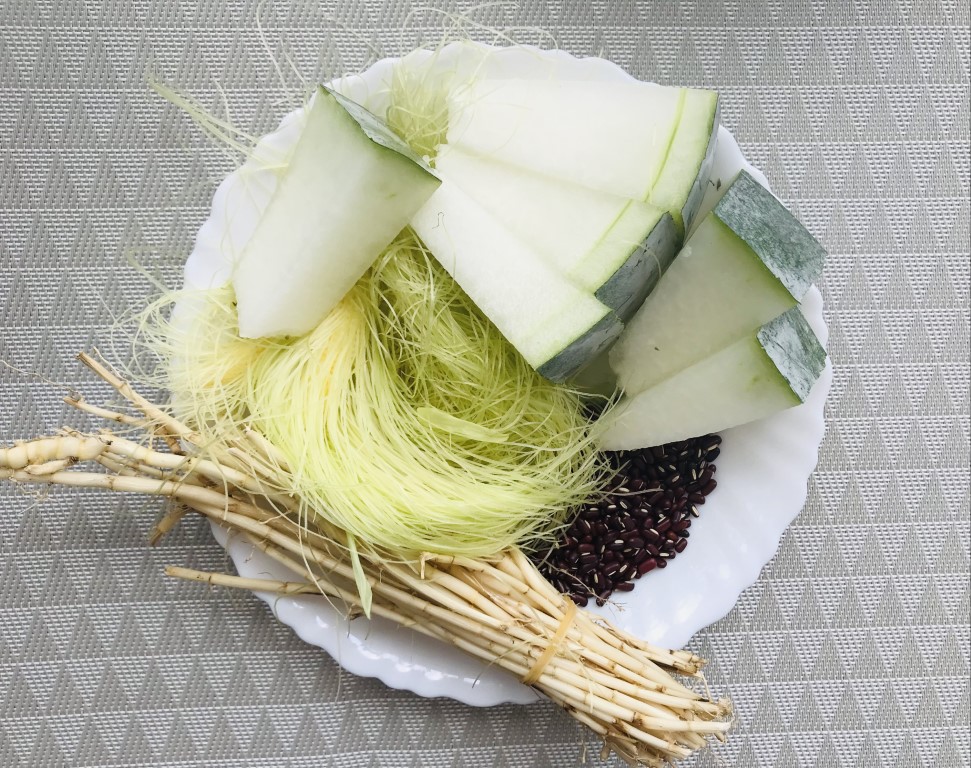
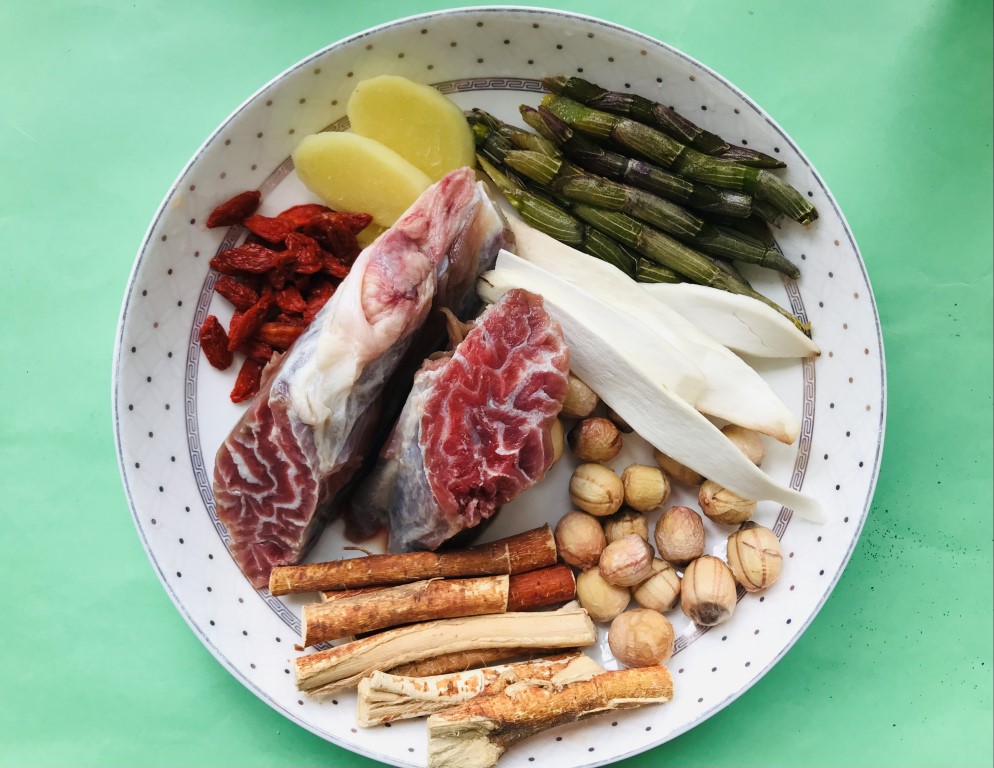
A stroll down the dried seafood street is always an adventure — and when Nourilo spotted dried geoduck clam on the shelves, he was intrigued. He’d been enjoying fresh geoduck regularly for its crisp, ocean-fresh flavour (magnificent steamed with garlic, ginger, shallot, dried shrimp paste, and fermented black beans), but had never tried the dried variety in a broth. Half 600 g later, he can confirm: the dried geoduck makes a beautifully sweet, deeply savoury soup. Geoduck is traditionally associated in Chinese food therapy with nourishing the liver and kidney, making it a natural fit for this health-focused soup alongside corn silk — the silky threads from fresh corn cobs, which have been used in both Cantonese food therapy and in herbal medicine research for their kidney-supportive properties — and fresh Chinese yam, which is associated with blood sugar regulation. Together, this is a soup that people managing diabetes, mild fluid retention, or high blood pressure may find particularly valuable as part of their regular rotation.
Method
- Peel and cut the fresh Chinese yam into sections.
- Rinse the fresh corn silk (from corn cobs).
- Peel and cut the carrot into chunks.
- Cut the pork shank into chunks; blanch together with the dried geoduck in boiling water for a few minutes, then drain and rinse.
- Combine all ingredients in a pot with 2.4–2.7 L of water.
- Bring to a boil, reduce heat, and simmer for 1.5 hours until reduced to about 1.2 L.
- Serve; drink the soup and eat the solids.
Nourilo’s Tips
This soup has a naturally clean, sweet flavour with a lovely freshness from the corn silk — no need to add anything. It is also helpful for people who stare at screens all day and find their vision declining. The carrot and wolfberry combination is classically associated with eye support. If you cannot find dried geoduck, dry conch slices make an excellent substitute, as most shellfish share the liver-kidney nourishing qualities. For those managing proteinuria in addition to diabetes, add poria (fu ling, 19 g) and raw coix seed (sheng yi mi, 37 g) to the pot.
What studies say about the key ingredients
Traditional use is not the same as clinical proof. Here is the strongest human research we found for each ingredient, limitations included.
- Ginger
Overall, acute and delayed nausea and vomiting did not differ significantly between ginger and control groups. A subgroup taking 1 g/day or less for over four days had less acute vomiting (OR 0.30).Limitation: Clinical heterogeneity between trials required subgroup analyses, and the authors state that sufficiently large, high-quality RCTs are still needed.PubMed 36501010 · 3 more ginger studies
From the Nourilo Research Library. Findings come from specific doses, extracts and populations and may not apply to a home-cooked recipe.
Safety first — read before you cook
This is a traditional food, not a treatment. Please check with your doctor or pharmacist before making it a regular part of your diet if you:
- are pregnant or breastfeeding, or are cooking for a young child;
- take regular medicines — especially blood thinners, blood-pressure, diabetes or immune-suppressing drugs;
- have a kidney, liver or heart condition, or a known food allergy.
Stop eating it and seek advice if you notice an allergic reaction or feel unwell. Safety notes reviewed 8 October 2026 · How we write safety notes


Comments
Join the conversation — sign in or create a free account to comment.
Continue with GoogleBy continuing with Google or email you confirm you are 16 or older and agree to our Terms of Use and Privacy Policy.
Loading comments…