Soups
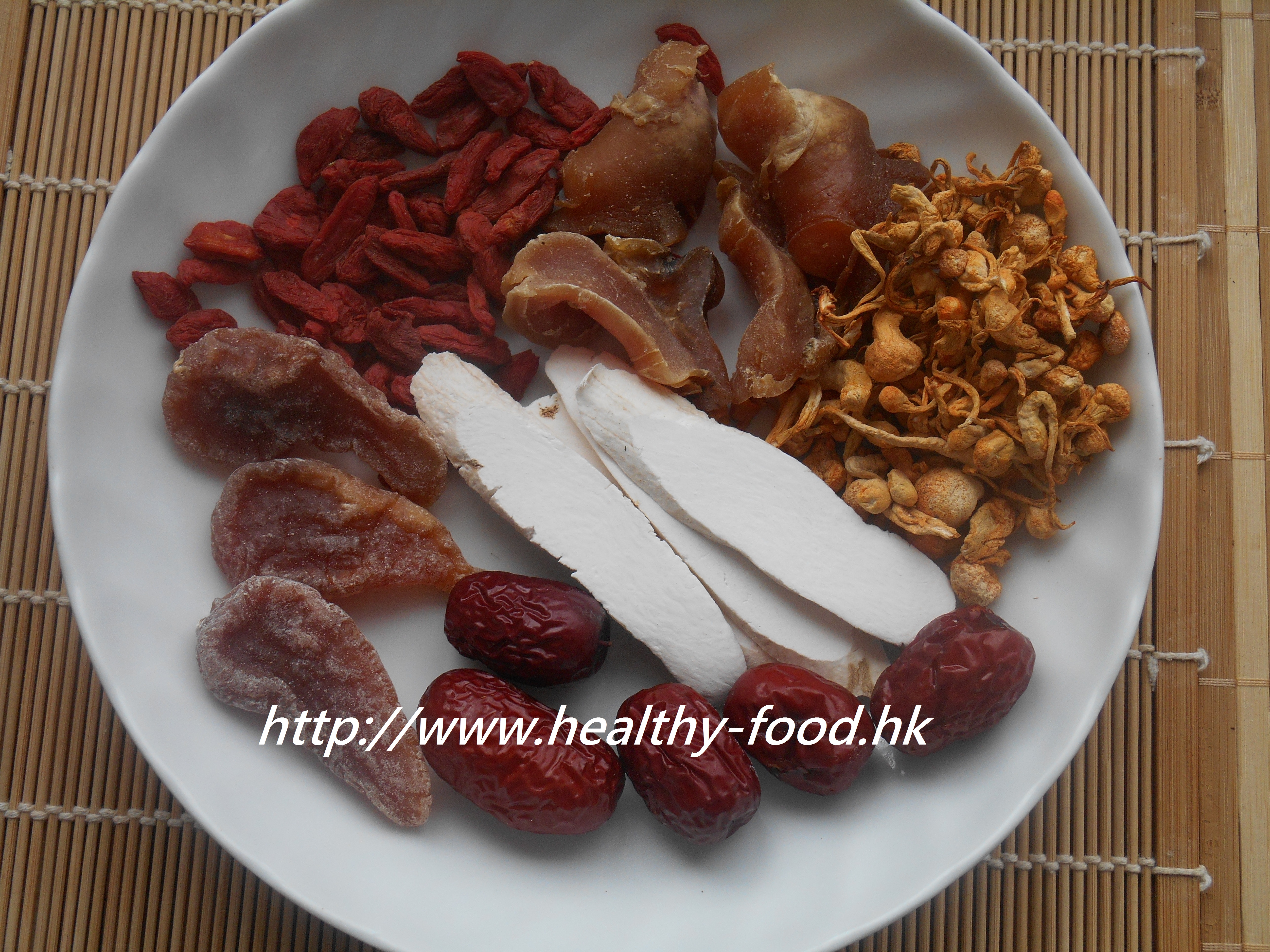
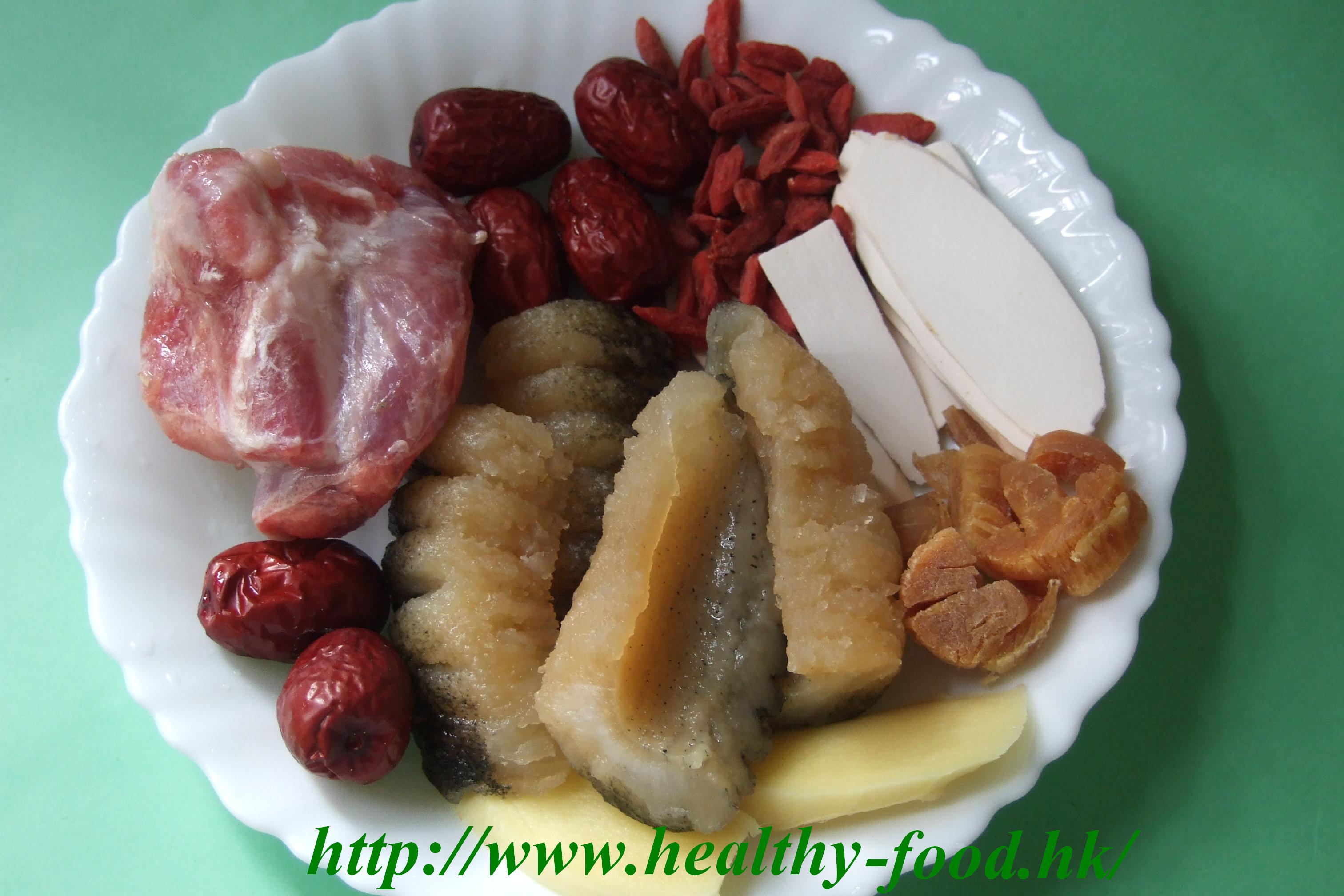
Conch, Pearl Oyster Meat, Yam and Cordyceps Flower Soup
traditionally used to nourish yin, support liver and kidney recovery, and ease post-operative dryness and night urination
In short: Conch, Pearl Oyster Meat, Yam and Cordyceps Flower Soup is a soup that traditionally used to nourish yin, support liver and kidney recovery, and ease post-operative dryness and night urination. It is most often made for cooling & summer heat, children's wellness, liver wellness. Total time about 2 hr 20 min. Key ingredients: goji berries, red dates, ginger.
Why people make this soup
The days after surgery are a strange limbo: the body is depleted, sleep is difficult because of pain or discomfort, and yet the digestive system is not quite ready for rich, stimulating foods. In Chinese food-therapy tradition, this post-operative period calls for ingredients that are protein-rich and nourishing but also gentle — foods that replenish without overheating, that moisten without causing damp, and that support the organs that were most stressed during the procedure.
This soup was designed precisely for that gap. Pearl oyster meat (the dried meat of the pearl-producing bivalve, distinct from ordinary oyster) and dried conch are both sea products that carry, in traditional thinking, a mild and slightly cooling nature — they nourish without causing the internal heat that stronger tonics like ginseng or deer antler might provoke in someone whose system is already irritated. Combined with cordyceps flower (a gentler, cultivated cousin of the prized cordyceps fungus), yam, goji berries, and dates, the result is a soup that is warming enough to be comforting, nourishing enough to aid recovery, and mild enough not to cause further imbalance.
Method
- Rinse and soak the dried conch and pearl oyster meat for 1–2 hours. Drain.
- Blanch the conch and pearl oyster meat: place in a pot of cold water, bring to a boil, and drain. Rinse. (No ginger or spring onion needed for blanching.)
- Rinse all remaining ingredients.
- Place everything in a pot with 2.4 L of water.
- Bring to a boil, then reduce heat and simmer for 2 hours, until about 1.2 L of liquid remain.
- Serve. The family can all drink this soup. A post-surgery patient can have 2 bowls a day.
Nourilo’s Tips
Pearl oyster meat from Australian waters is considered the best quality — the clean, cold southern seas produce meat with a deeper, sweeter flavour and a more vibrant, slightly reddish colour and sheen. If you cannot find pearl oyster meat, other dried sea products make excellent substitutes: dried abalone, conch slices (luo pian), dried scallop (gan bei), or small dried abalone (bao yu). If the patient is also recovering from eye surgery (glaucoma, cataracts), adding 18.75 g of astragalus (bei qi / huang qi) is beneficial — astragalus is traditionally considered particularly helpful for glaucoma recovery. Note that astragalus can be dose-dependent in its effects on blood pressure; if the patient has high blood pressure, substitute with Prince’s ginseng (tai zi shen, 10 g) instead.
What studies say about the key ingredients
Traditional use is not the same as clinical proof. Here is the strongest human research we found for each ingredient, limitations included.
- Cordyceps flower
Compared with placebo capsules, the C. militaris group had greater increases from baseline in NK cell activity, lymphocyte proliferation, IL-2 and IFN-γ. No statistically significant adverse reactions were reported.Limitation: Only healthy men were studied, for 4 weeks, with 39 and 40 per group. Findings are immune-marker changes rather than clinical outcomes, and the capsules were an ethanol-treated preparation.PubMed 26284906 · 2 more cordyceps flower studies - Goji berries
Compared with placebo (n=80), the goji juice group (n=81) reported greater improvements in several self-rated symptoms, including stress, mental acuity, sleep quality and overall well-being, under a random effects model.Limitation: Outcomes were self-reported symptom questionnaires, and several symptoms showed significant heterogeneity across the four pooled trials of a single branded juice.PubMed 22897500 · 3 more goji berries studies - Red dates
Jujube was associated with significantly lower BMI and triglycerides, and lower fasting blood sugar in people with type 2 diabetes. LDL and total cholesterol fell only in some subgroups. HDL, AST and ALT did not change significantly.Limitation: The authors state the overall quality of the evidence is limited, and results varied significantly by dose, treatment duration and disease type.PubMed 40399274 · 3 more red dates studies
From the Nourilo Research Library. Findings come from specific doses, extracts and populations and may not apply to a home-cooked recipe.
Safety first — read before you cook
This is a traditional food, not a treatment. Please check with your doctor or pharmacist before making it a regular part of your diet if you:
- are pregnant or breastfeeding, or are cooking for a young child;
- take regular medicines — especially blood thinners, blood-pressure, diabetes or immune-suppressing drugs;
- have a kidney, liver or heart condition, or a known food allergy.
Ingredient notes for this recipe
- Goji berries: A few cases of raised INR (a bleeding-risk marker) have been reported in people taking warfarin after drinking concentrated goji tea or wine. If you take a blood thinner, check with your doctor. Source: Memorial Sloan Kettering — Lycium
Stop eating it and seek advice if you notice an allergic reaction or feel unwell. Safety notes reviewed 8 October 2026 · How we write safety notes

Comments
Join the conversation — sign in or create a free account to comment.
Continue with GoogleBy continuing with Google or email you confirm you are 16 or older and agree to our Terms of Use and Privacy Policy.
Loading comments…