Herbal & Flower Teas
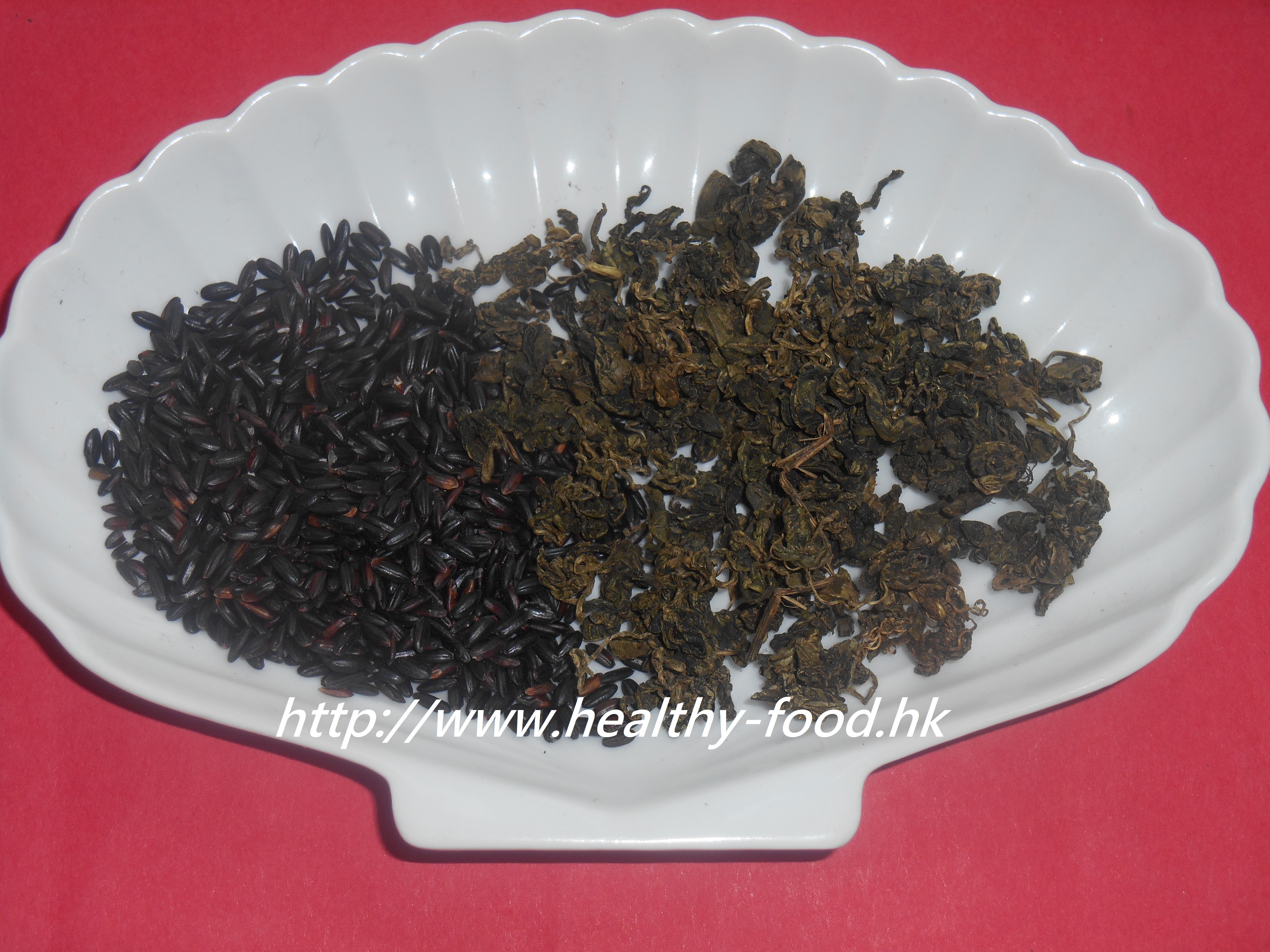
Roasted Black Rice & Gynostemma Tea (Hei Mi Jiao Gu Lan Cha)
traditionally used to support immune function, lower blood lipids, and inhibit abnormal cell growth
In short: Roasted Black Rice & Gynostemma Tea (Hei Mi Jiao Gu Lan Cha) is a herbal & flower tea that traditionally used to support immune function, lower blood lipids, and inhibit abnormal cell growth. It is most often made for immune support. Total time about 20 min. Key ingredients: boiling water.
Why people make this tea
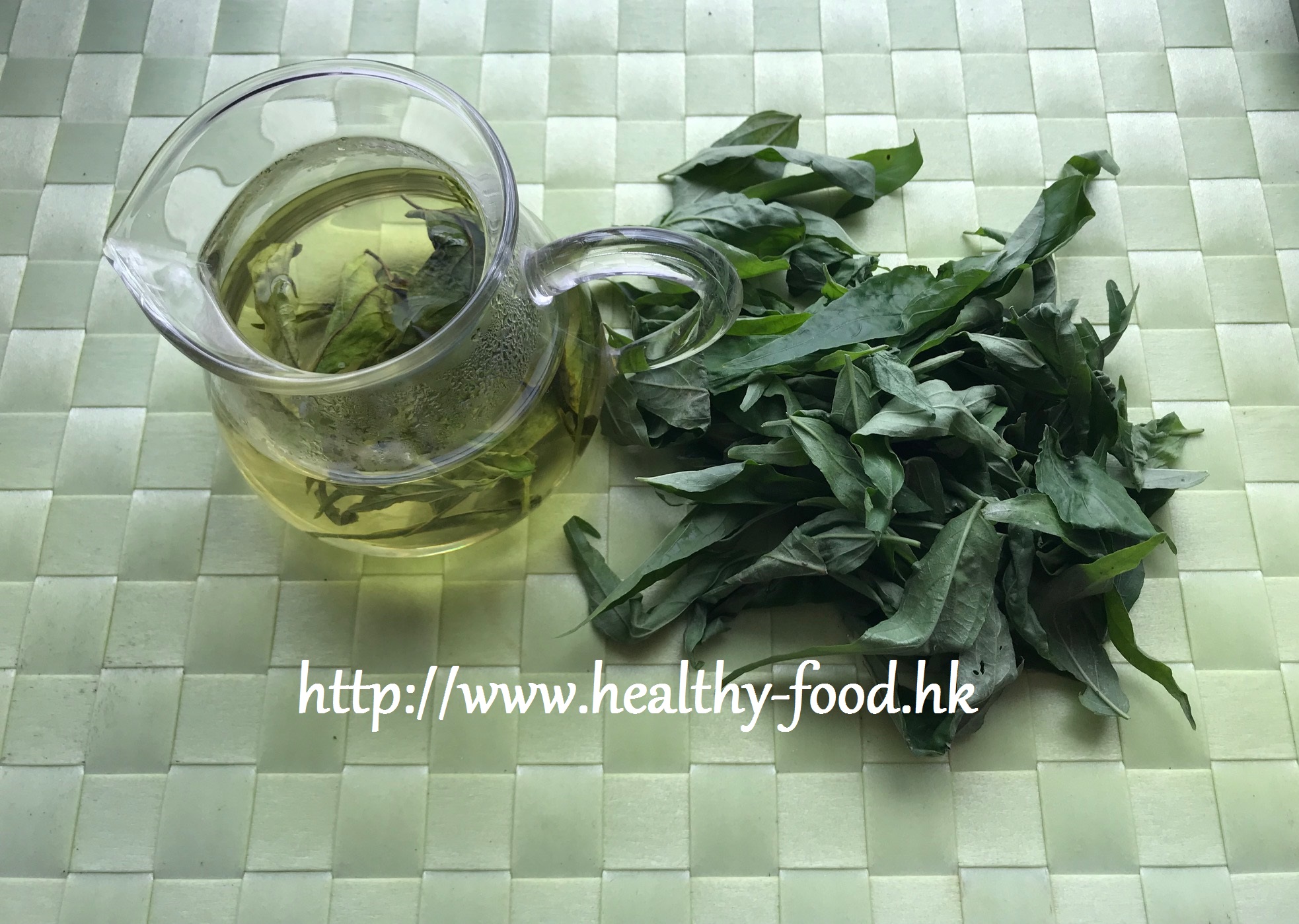
Gynostemma (jiao gu lan) is sometimes called the “herb of immortality” in southern China and Vietnam, where it grows wild and has been used as a folk health tea for generations. Modern research has identified it as containing saponins structurally similar to some ginsenosides — the active compounds in ginseng — along with flavonoids, polysaccharides, and an impressive range of trace minerals and amino acids. Traditional Chinese medicine classifies it as mildly cooling, with the capacity to calm the mind, clear heat and toxin, and support qi. Paired with dry-roasted black rice — rich in anthocyanins and traditionally associated with blood nourishment and immune support — this tea strikes a balance between cooling and warming, making it comfortable for daily use. It is particularly valued by people looking for a simple food-therapy option to support general wellness and immune health.
Method
- Dry-roast the black rice in a pan over low-medium heat, stirring constantly, for about 5–7 minutes until fragrant. Allow to cool fully before storing in a glass jar.
- When ready to brew: combine the roasted black rice and gynostemma leaf in a teapot.
- Pour in freshly boiled water.
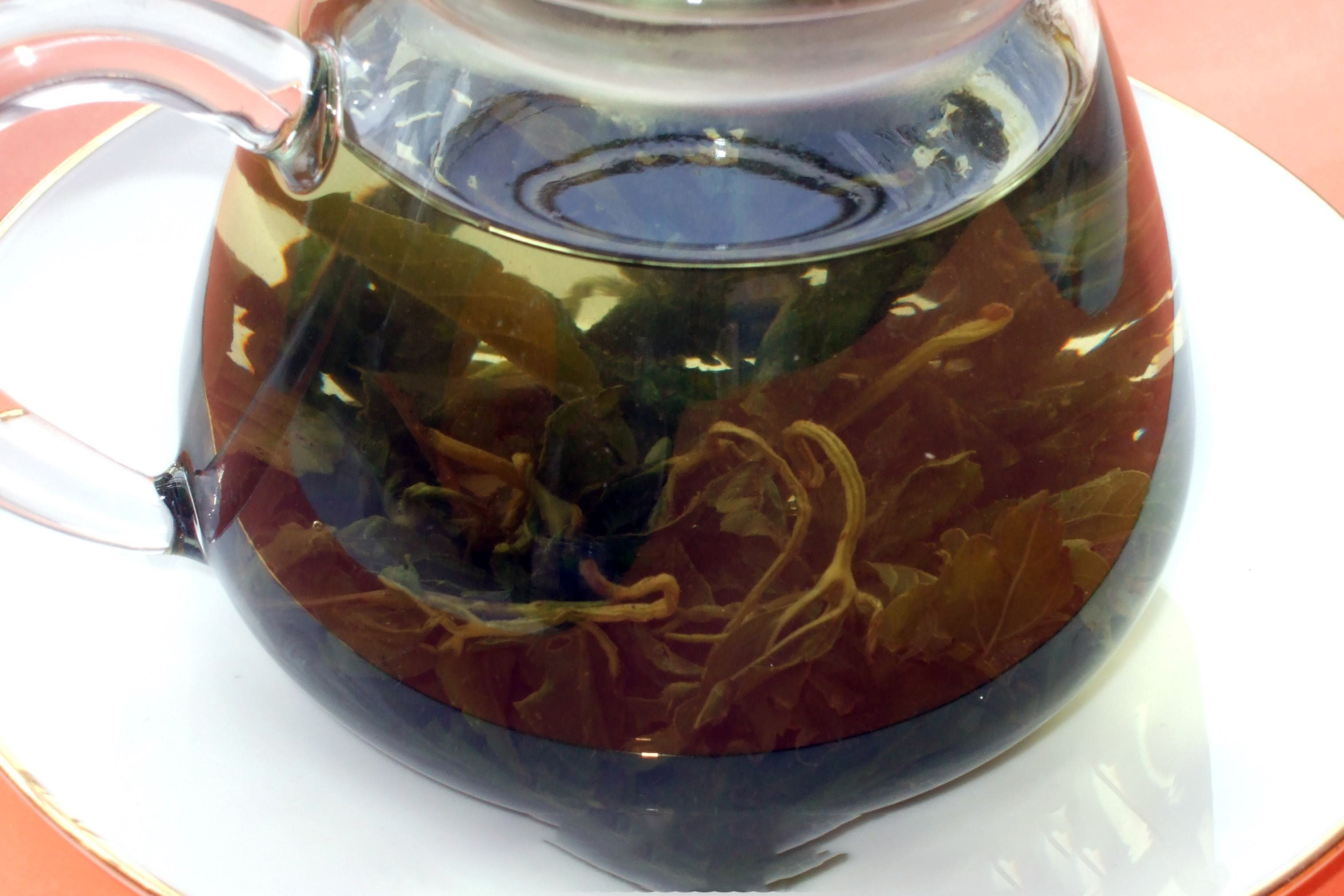
- Steep for 10 minutes, then drink.
- Refill with boiling water and steep again until the flavour fades.
Nourilo’s Tips
When buying black rice, quality matters. Good black rice has shiny grains with a deep, lustrous colour and uniform size — very few broken pieces or cracked grains. When you scratch the outer layer, the interior should be white. If the cracked cross-section is also black, the rice may be artificially dyed. Gynostemma tea is available at shops selling herbal teas, and at Chinese medicine retailers like Yue Hwa; it is sometimes labelled under its folk name “jin sang zi.”
Those with a cold constitution can add a few pieces of dried longan or goji berries to the pot for balance. Black rice can also be combined with black beans (if you have pre-roasted some) — together they make a particularly nourishing brew.
Safety first — read before you cook
This is a traditional food, not a treatment. Please check with your doctor or pharmacist before making it a regular part of your diet if you:
- are pregnant or breastfeeding, or are cooking for a young child;
- take regular medicines — especially blood thinners, blood-pressure, diabetes or immune-suppressing drugs;
- have a kidney, liver or heart condition, or a known food allergy.
Stop eating it and seek advice if you notice an allergic reaction or feel unwell. Safety notes reviewed 8 October 2026 · How we write safety notes
Comments
Join the conversation — sign in or create a free account to comment.
Continue with GoogleBy continuing with Google or email you confirm you are 16 or older and agree to our Terms of Use and Privacy Policy.
Loading comments…