Soups
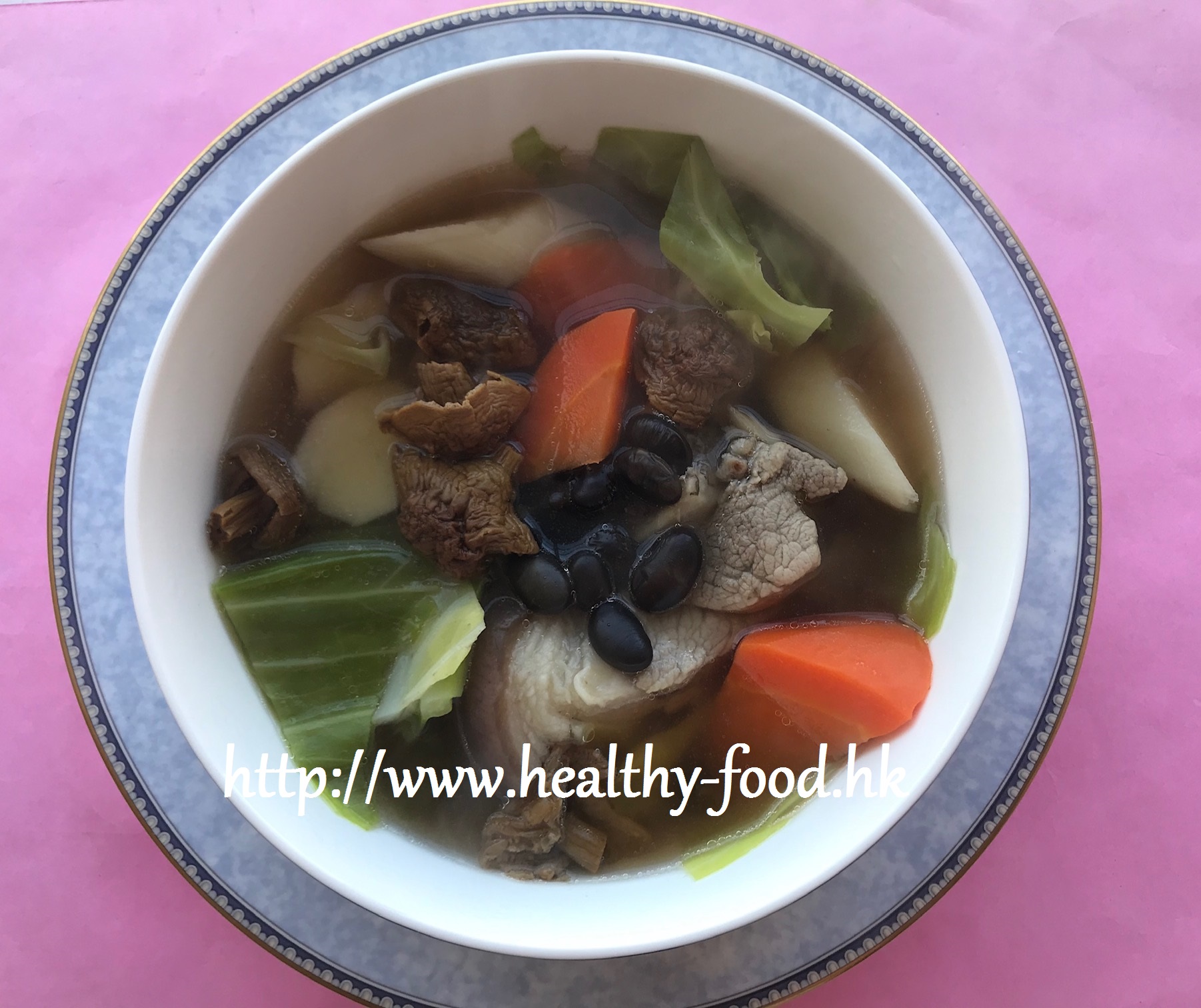
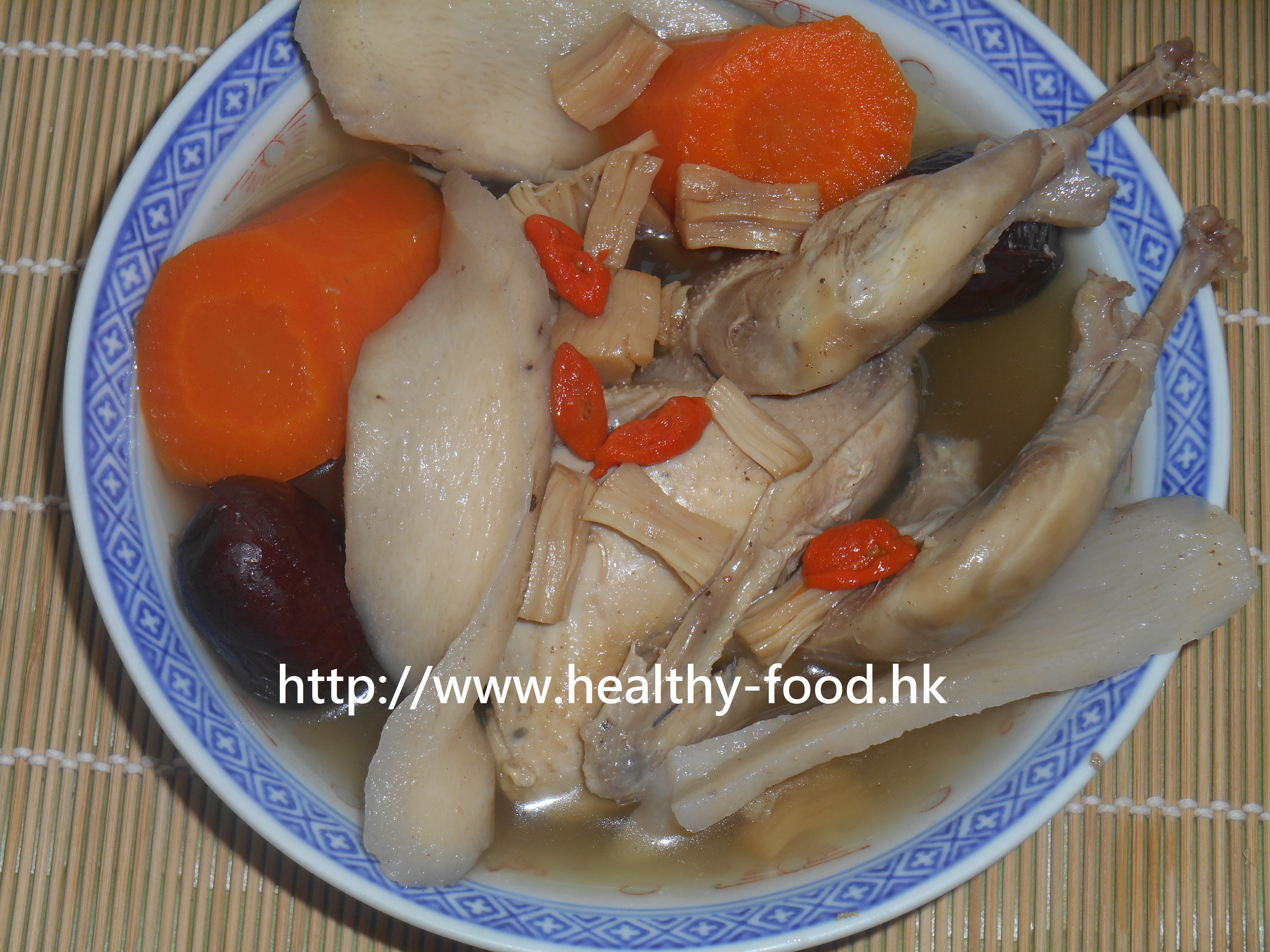
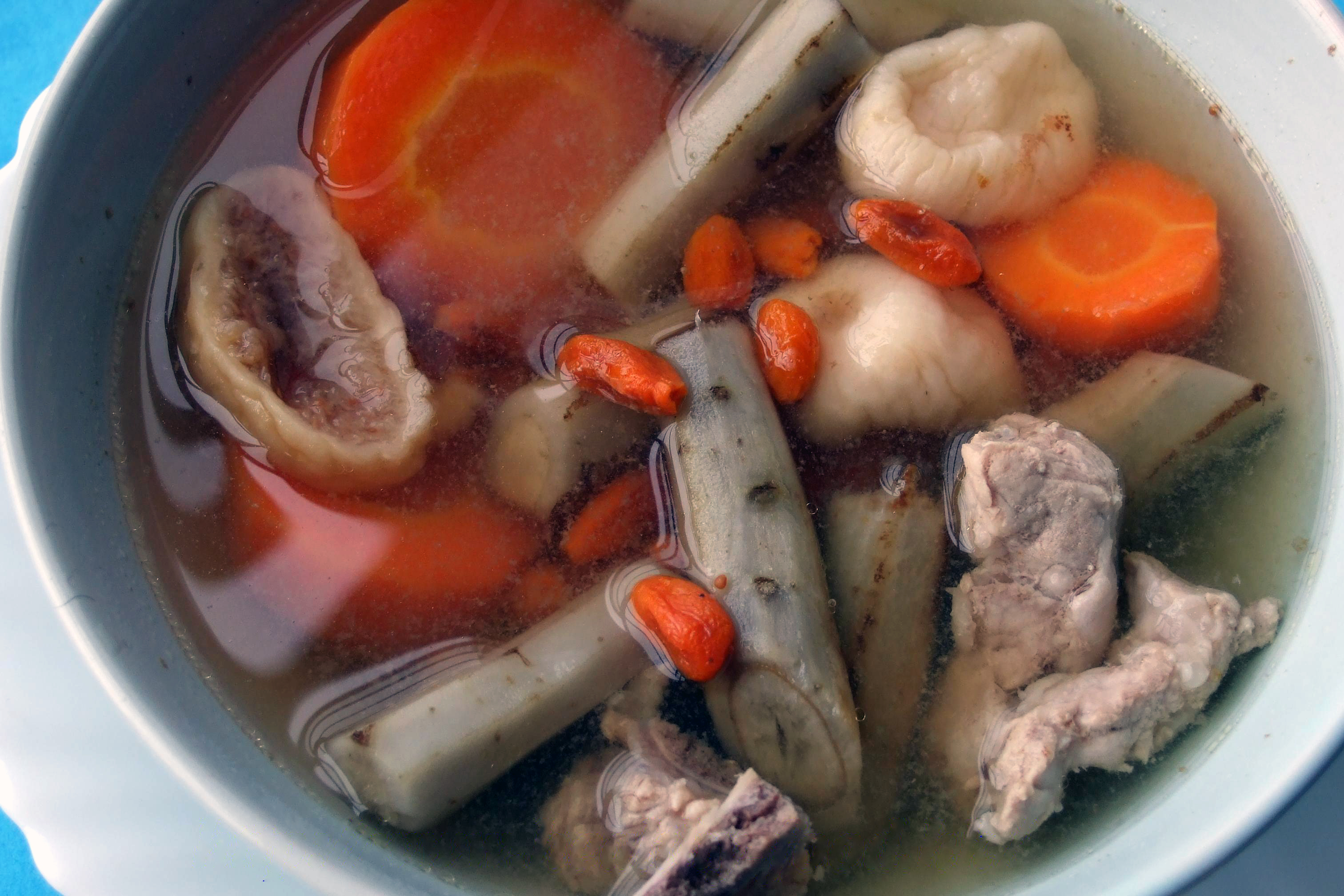
Five-Colour Agaricus Mushroom and Pork Rib Soup
traditionally associated with immune support, whole-body nourishment and general wellness
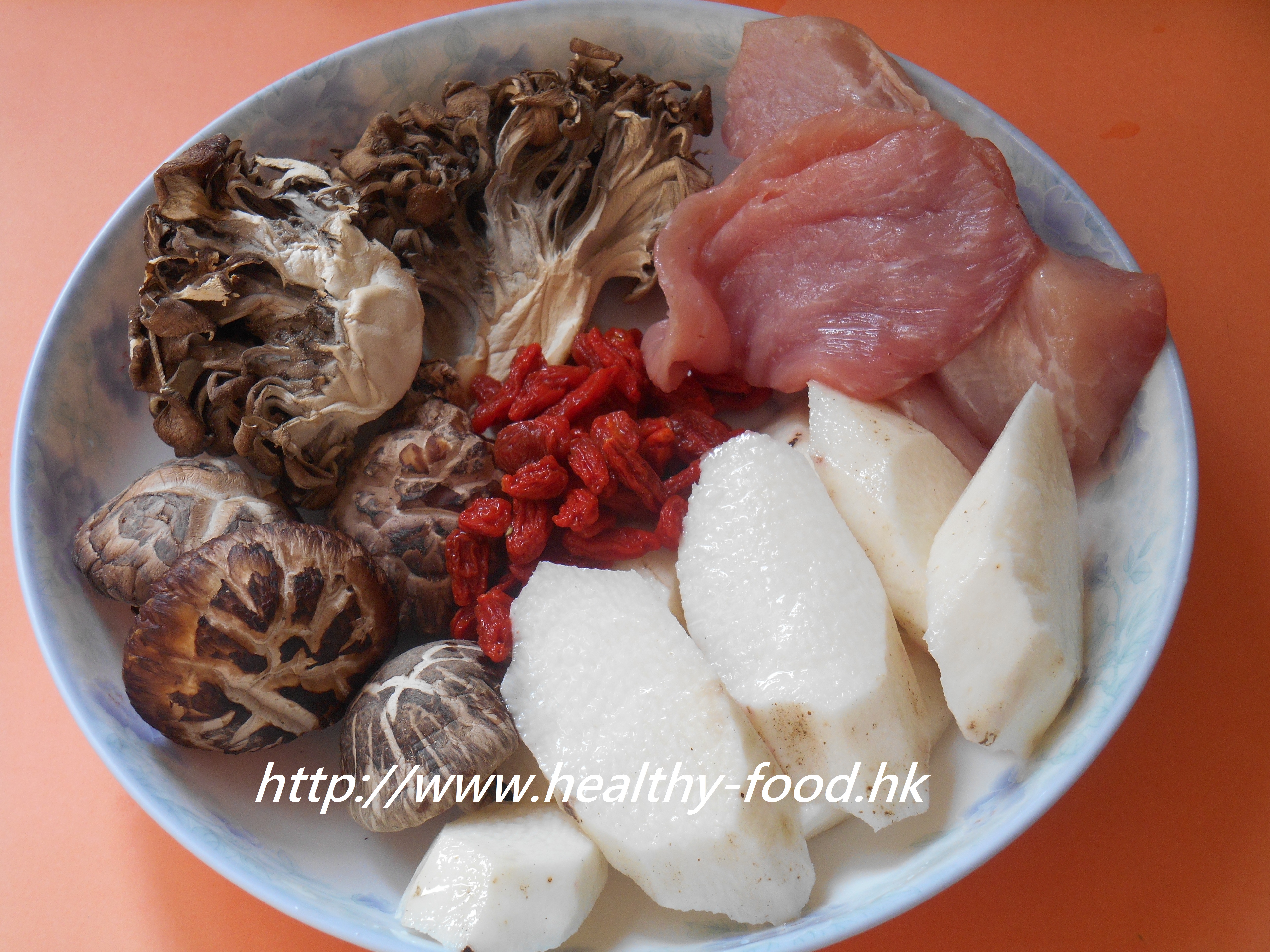
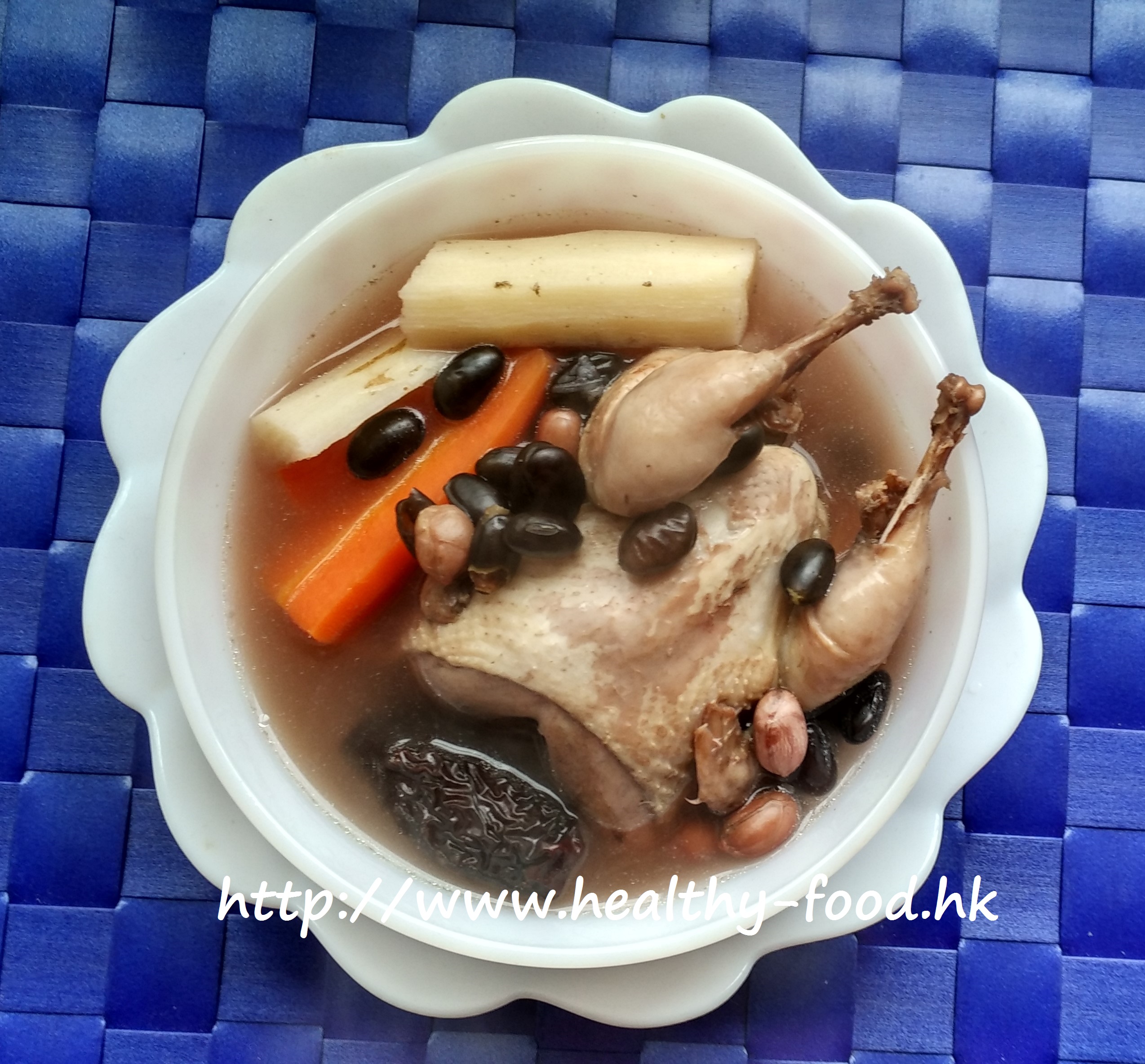
In short: Five-Colour Agaricus Mushroom and Pork Rib Soup is a soup that traditionally associated with immune support, whole-body nourishment and general wellness. It is most often made for immune support, everyday balance. Total time about 110 min. Key ingredients: chinese yam, carrot, black beans, pork ribs.
Why people make this soup
When a loved one is going through cancer treatment, the instinct to do something — anything — through food is powerful and deeply human. Nourilo understands this well. One of the most important things he emphasises is that balanced, whole nutrition matters enormously for people facing cancer: not eating enough, or restricting too heavily out of fear, can undermine treatment and recovery. This soup embodies that philosophy. It uses five different-coloured ingredients — a concept from Chinese food therapy in which each colour is thought to nourish a different organ system — and includes agaricus blazei mushroom (ji song rong), a golden-coloured mushroom from Brazil that has attracted considerable research interest for its potential immune-supporting properties. The soup is delicious and genuinely nutritious, suitable for the whole family.
Method
- Rinse the agaricus mushrooms briefly, then soak in fresh water until soft. Reserve the soaking water.
- Peel and cut the yam and carrot into chunks. Wash and roughly chop the cabbage. Rinse and soak the black beans.
- Blanch the pork ribs in boiling water for a few minutes, then drain and rinse.
- Place all ingredients — including the mushroom soaking water — in a large pot with 2.4–2.7 L of water (about 1.6 to 1.8 litres).
- Bring to a boil, then reduce to a gentle simmer for 1.5 hours until 1.2–1.5 L of soup remain.
- Serve the soup and eat the solid ingredients together.
Nourilo’s Tips
The golden soaking water from the agaricus mushrooms carries a good amount of the beneficial compounds — do not discard it. Add it directly to the pot when making the soup. In Chinese cancer wellness tradition, certain “trigger foods” (fa wu) are generally avoided: bamboo shoots, rooster, pork neck and jowl meat, scaleless fish, lamb, shrimp, crab, cigarettes and alcohol are commonly mentioned. High-fat foods like chicken skin and rich pork are also best minimised. That said, do not cut back so drastically that nutrition suffers — adequate protein and overall caloric intake remain essential during treatment.
What studies say about the key ingredients
Traditional use is not the same as clinical proof. Here is the strongest human research we found for each ingredient, limitations included.
- Black soybeans
Systolic blood pressure fell more in the black soy peptide group (-9.69 mm Hg) than in the placebo group (-2.91 mm Hg) after baseline adjustment. Plasma malondialdehyde decreased and superoxide dismutase activity increased compared with placebo.Limitation: Used an isolated peptide supplement rather than whole black soybeans, and followed participants for only 8 weeks, so the results may not apply to food intake.PubMed 23924691
From the Nourilo Research Library. Findings come from specific doses, extracts and populations and may not apply to a home-cooked recipe.
Safety first — read before you cook
This is a traditional food, not a treatment. Please check with your doctor or pharmacist before making it a regular part of your diet if you:
- are pregnant or breastfeeding, or are cooking for a young child;
- take regular medicines — especially blood thinners, blood-pressure, diabetes or immune-suppressing drugs;
- have a kidney, liver or heart condition, or a known food allergy.
Stop eating it and seek advice if you notice an allergic reaction or feel unwell. Safety notes reviewed 8 October 2026 · How we write safety notes
Comments
Join the conversation — sign in or create a free account to comment.
Continue with GoogleBy continuing with Google or email you confirm you are 16 or older and agree to our Terms of Use and Privacy Policy.
Loading comments…