Herbal & Flower Teas
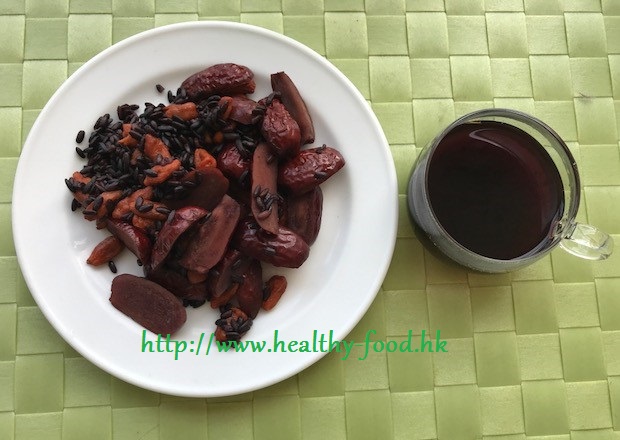
Red Date, Goji and Roasted Black Rice Tea
traditionally associated with nourishing blood, supporting the liver and kidneys, and promoting healthy hair and vision
In short: Red Date, Goji and Roasted Black Rice Tea is a herbal & flower tea that traditionally associated with nourishing blood, supporting the liver and kidneys, and promoting healthy hair and vision. It is most often made for children's wellness, skin & natural beauty, liver wellness. Total time about 20 min. Key ingredients: red dates, goji berries.
Why people make this tea
Anaemia is more common than many people realise, particularly among older adults — Nourilo notes that roughly 3 or 4 out of every 10 elderly people may be affected. The causes range from iron deficiency to low folate or B12, and persistent pallor, cold limbs, fatigue, dizziness on exertion, or breathlessness after climbing stairs can all be early signs worth investigating with a doctor. This tea is not a cure, but it is a practical, pleasant daily habit that supports the body’s blood-building processes. Black rice (the brown, unpolished variety) is one of the most nutrient-dense whole grains available — rich in anthocyanins, B vitamins, iron, and zinc. When dry-roasted before use, it develops a warm, nutty fragrance that makes the tea genuinely enjoyable to drink. Combined with red dates (a classic blood-nourishing food in Chinese cuisine) and goji berries (for liver and kidney support), this tea works well as a gentle everyday tonic.
Method
- Prepare the roasted black rice in advance: heat a dry (oil-free) pan or wok over medium heat. Add raw black rice and stir continuously for 7 minutes until fragrant and the colour deepens slightly. Remove from heat, cool, and store in a glass jar. This can be made in larger batches for regular use.
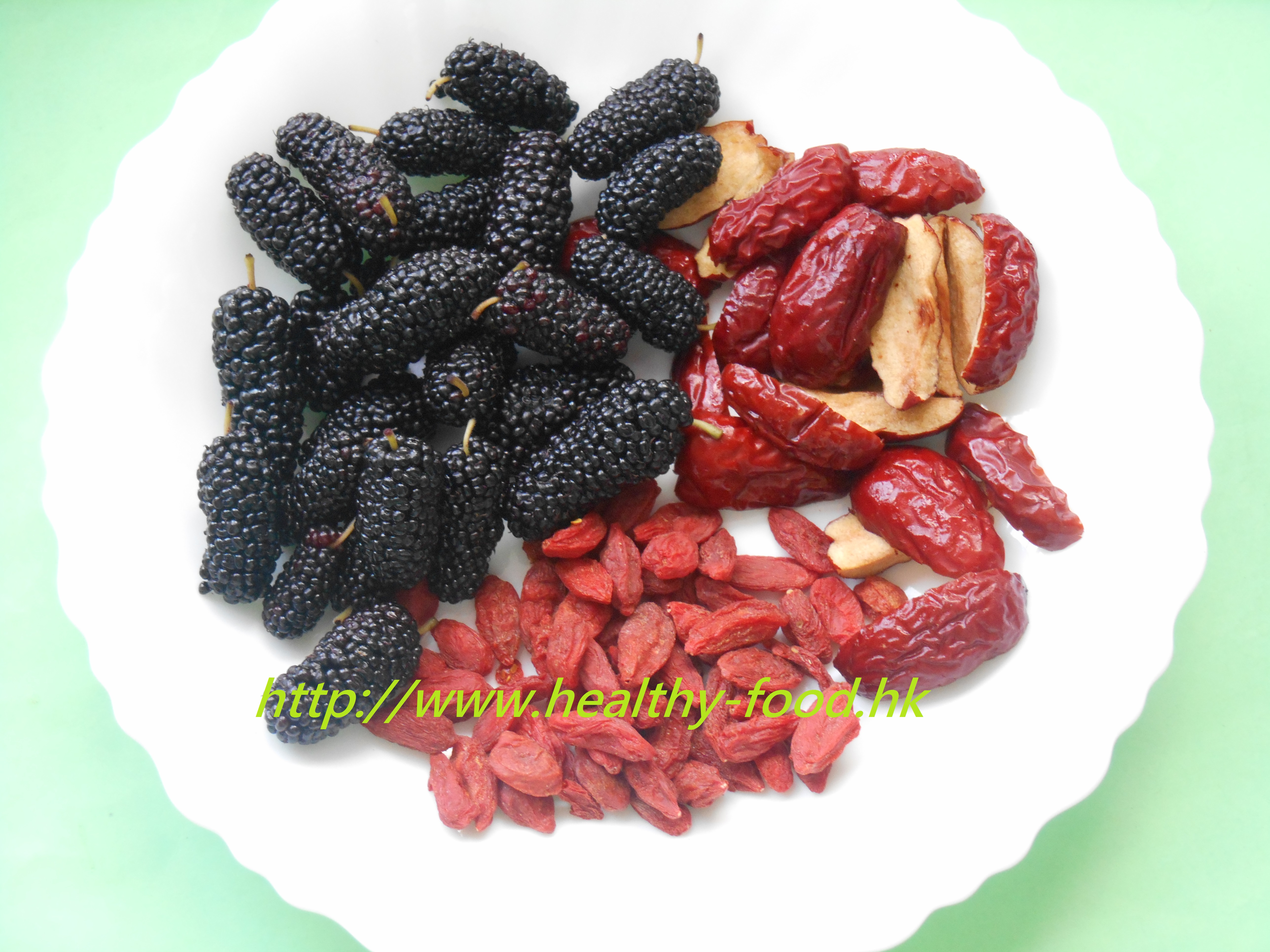
- Remove the pits from the red dates and slice them.
- Place red dates, goji berries, and roasted black rice in a teapot or heatproof cup.
- Pour a small amount of boiling water over the ingredients and immediately discard this first rinse.
- Refill with boiling water and steep for 15 minutes before drinking.
- The same ingredients can be re-steeped until the flavour fades.
- For a more nourishing option: soak the black rice overnight, then simmer all three ingredients together for 1 hour to make a congee.
Nourilo’s Tips
Do not wash the black rice before dry-roasting — modern rice is generally clean, and washing it before roasting may leave residual moisture that can cause the stored rice to mould. Once roasted and cooled, store in a sealed glass jar and use as needed. Making a batch of roasted black rice is a small time investment that pays off for weeks of daily use. If you have time to spare, turning this into a congee by simmering rather than steeping produces an even more nourishing meal. If a person is also qi-deficient (low energy, breathlessness), Nourilo suggests adding 11 g of dang shen (codonopsis root) and simmering for 15 minutes for a more fortifying brew.
What studies say about the key ingredients
Traditional use is not the same as clinical proof. Here is the strongest human research we found for each ingredient, limitations included.
- Red dates
Jujube was associated with significantly lower BMI and triglycerides, and lower fasting blood sugar in people with type 2 diabetes. LDL and total cholesterol fell only in some subgroups. HDL, AST and ALT did not change significantly.Limitation: The authors state the overall quality of the evidence is limited, and results varied significantly by dose, treatment duration and disease type.PubMed 40399274 · 3 more red dates studies - Goji berries
Compared with placebo (n=80), the goji juice group (n=81) reported greater improvements in several self-rated symptoms, including stress, mental acuity, sleep quality and overall well-being, under a random effects model.Limitation: Outcomes were self-reported symptom questionnaires, and several symptoms showed significant heterogeneity across the four pooled trials of a single branded juice.PubMed 22897500 · 3 more goji berries studies
From the Nourilo Research Library. Findings come from specific doses, extracts and populations and may not apply to a home-cooked recipe.
Safety first — read before you cook
This is a traditional food, not a treatment. Please check with your doctor or pharmacist before making it a regular part of your diet if you:
- are pregnant or breastfeeding, or are cooking for a young child;
- take regular medicines — especially blood thinners, blood-pressure, diabetes or immune-suppressing drugs;
- have a kidney, liver or heart condition, or a known food allergy.
Ingredient notes for this recipe
- Goji berries: A few cases of raised INR (a bleeding-risk marker) have been reported in people taking warfarin after drinking concentrated goji tea or wine. If you take a blood thinner, check with your doctor. Source: Memorial Sloan Kettering — Lycium
Stop eating it and seek advice if you notice an allergic reaction or feel unwell. Safety notes reviewed 8 October 2026 · How we write safety notes
Comments
Join the conversation — sign in or create a free account to comment.
Continue with GoogleBy continuing with Google or email you confirm you are 16 or older and agree to our Terms of Use and Privacy Policy.
Loading comments…